As photographers, we spend so much time looking through the lens, searching for those moments that make us stop, feel something, and press the shutter. But what happens when we have to step away from the camera, look back at years of photographs, and decide which images deserve a place on a gallery wall?
I recently found myself asking that very question while preparing for my photography exhibition, Echoes of the World, at ForEvergreen Nature Preserve.
What I originally thought would be a simple process of selecting some of my favorite photographs quickly became something much more personal. It was an opportunity to revisit memories, reflect on my journey as a photographer, and think about what I truly wanted my work to say.
And I learned something along the way: Choosing photographs for an art show is an art in itself.
Every Photograph Has a Story, But Not Every Story Belongs on the Wall
Over the years, I've captured thousands upon thousands of photographs. Some were taken close to home in the Pocono Mountains, while others came from my travels and adventures. Some were carefully planned, while others happened because I happened to be in the right place at the right time.
As I began sorting through my collection for Echoes of the World, I realized just how difficult it would be to narrow everything down to 50 photographs.
How do you choose just 50 images when each one represents a different experience, memory, or moment in time?
I quickly realized that choosing photographs for an exhibition isn't necessarily about selecting the most technically perfect images. Of course, composition, lighting, sharpness, and overall quality matter. But there's something beyond technical perfection that makes a photograph worthy of being displayed.
For me, it's the feeling behind the image.
Does it make someone pause? Does it spark curiosity? Does it tell a story without needing words?
Some photographs immediately stood out because I remembered exactly how I felt when I captured them. Others surprised me. Images I hadn't looked at in years suddenly felt more meaningful when I saw them again with fresh eyes.
Learning to See Your Own Work Differently
One of the most challenging parts of preparing an exhibition is learning to look at your photographs from a different perspective.
As the person behind the camera, I know the stories that aren't visible within the frame.
I remember the weather, the sounds, the people around me, and the moments leading up to each photograph. I remember whether I waited patiently for the perfect light or stumbled upon a scene completely unexpectedly.
But someone viewing that same photograph on a gallery wall doesn't necessarily know any of those details.
They see the image for what it is, and they bring their own experiences and emotions to it.
That realization changed how I approached my selections.
Instead of simply asking myself, "Do I love this photograph?" I began asking, "What might someone else see or feel when they look at it?"
A quiet coastal scene might remind one person of a peaceful vacation, while another might see loneliness or reflection. A dramatic sky might represent an approaching storm to one viewer and a sense of strength or hope to another.
That's one of the things I love most about photography. The photographer creates the image, but the viewer helps give it meaning.
Finding a Common Thread
When creating an exhibition, individual photographs matter, but so does the way they work together.
I didn't want Echoes of the World to feel like a random collection of beautiful places. I wanted the photographs to connect, even when they represented different subjects, locations, and experiences.
Nature has always been a major part of my photographic journey. Long before I opened my studio and began photographing families, weddings, and milestones, I was drawn to landscapes, wildlife, and the small details of the natural world.
Photography gave me a reason to explore, observe, and appreciate places I might otherwise have passed by.
That connection to nature became an important part of Echoes of the World.
From coastal landscapes and wildlife to flowers, mountains, and quiet moments in nature, I wanted the collection to reflect the beauty and diversity of the world around us.
The common thread wasn't necessarily a particular location or photographic style.
It was the idea that every place has a story worth noticing.
The Hardest Part: Letting Go of Favorites
One thing I didn't fully anticipate was how difficult it would be to leave certain photographs out.
There were images I absolutely loved that simply didn't fit the overall collection. Others were technically strong but didn't create the emotional connection I was hoping for.
And then there were photographs that looked wonderful on a computer screen but didn't necessarily have the same impact when I imagined them displayed as prints.
I had to remind myself that not including a photograph didn't mean it wasn't good enough.
It simply meant it wasn't the right photograph for this particular story.
That can be a difficult distinction to make as an artist, especially when you've invested time, energy, and emotion into creating your work.
Sometimes being a photographer means knowing when to take the picture. Other times, it means knowing which pictures to leave behind.
From Digital Images to Tangible Art
We live in a world where photographs are everywhere.
We take them on our phones, share them on social media, save them to hard drives, and scroll past hundreds of images every day.
But there's something special about seeing a photograph printed, framed, and displayed.
Preparing Echoes of the World reminded me why I believe photography deserves to exist beyond a screen.
When an image is printed, it becomes something tangible. You can stand in front of it, notice the details, appreciate its textures and colors, and spend time with it without the distraction of another image appearing a second later.
The experience is different.
A photograph that might receive only a few seconds of attention on social media suddenly has an opportunity to hold someone's attention for much longer.
And as a photographer, there's something incredibly rewarding about seeing your work take on a new life in that way.
Giving Each Photograph Its Own Voice
One element I wanted to incorporate into Echoes of the World was the story behind each photograph.
Every image in the exhibition is numbered and connected to a collection of stories that visitors can explore digitally.
I wanted people to have the opportunity to learn more about where an image was taken, what inspired me to capture it, and why that particular moment mattered.
But I also wanted visitors to experience the photographs before reading those stories.
Because sometimes the most interesting part of art isn't what the artist intended. It's what the viewer discovers.
A photograph may have one meaning to me and an entirely different meaning to someone standing in front of it.
Neither interpretation is necessarily wrong.
That's what makes art so personal.
Seeing My Journey Through 50 Photographs
Perhaps the most unexpected part of preparing this exhibition was realizing how much my photography has evolved.
As a self-taught photographer, I've learned through practice, experimentation, mistakes, and countless hours behind the camera.
I've grown technically, creatively, and personally.
While much of my professional work today focuses on telling the stories of people and their important milestones through Studio R Photography, nature photography remains an important part of who I am as an artist.
It was where so much of my journey began.
Looking through the photographs for Echoes of the World felt a little like looking through chapters of my own life.
Each image reminded me of a place I had visited, something I had experienced, or a moment when I stopped long enough to notice something beautiful.
Some photographs represented growth. Others represented exploration, patience, or simply the joy of being outside with my camera.
Together, they became more than an exhibition.
They became a reflection of the photographer I've been and the photographer I'm continuing to become.
What I Hope Visitors Take Away
When someone walks through Echoes of the World, I don't expect every photograph to resonate with them.
In fact, I hope different people connect with different images.
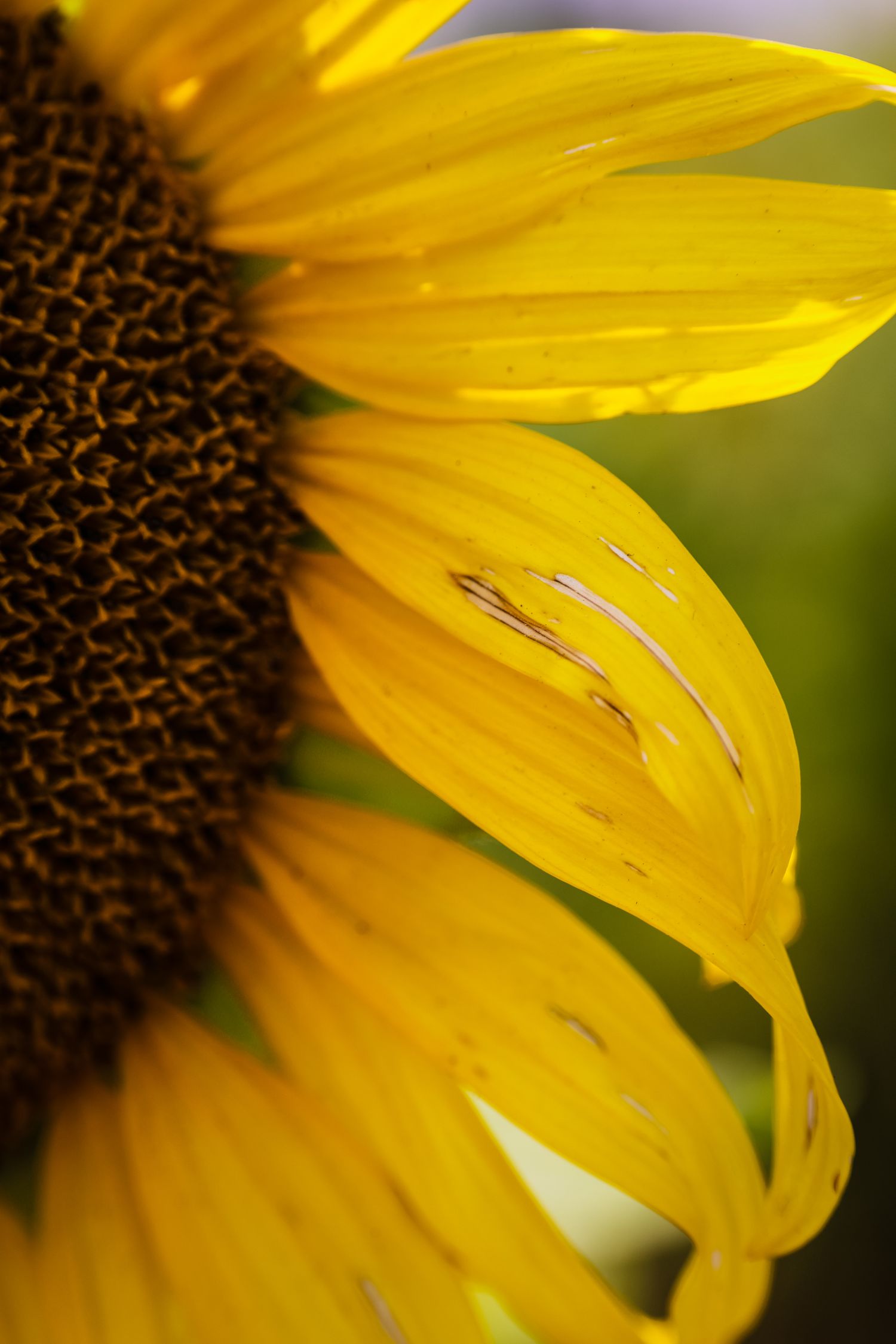
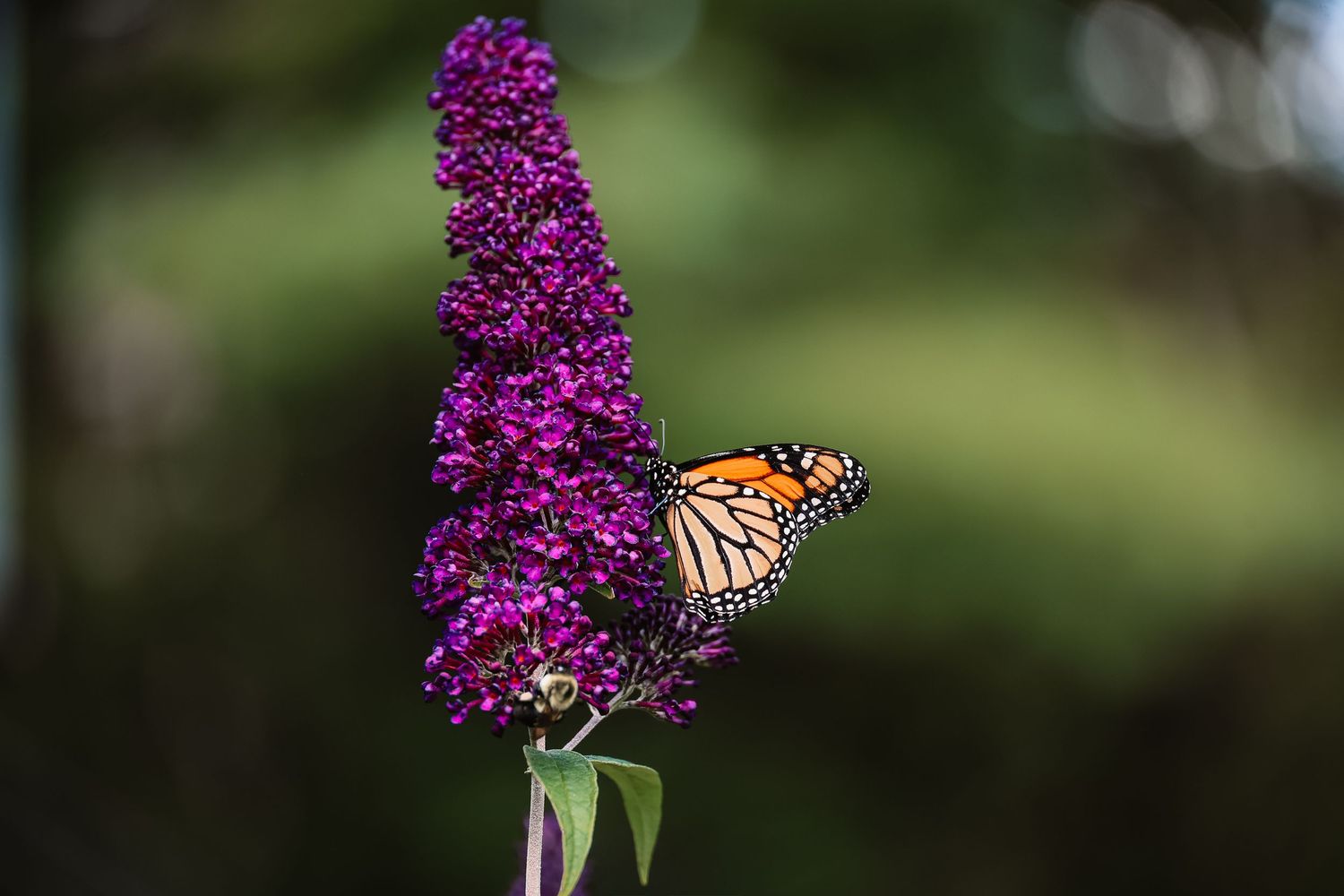
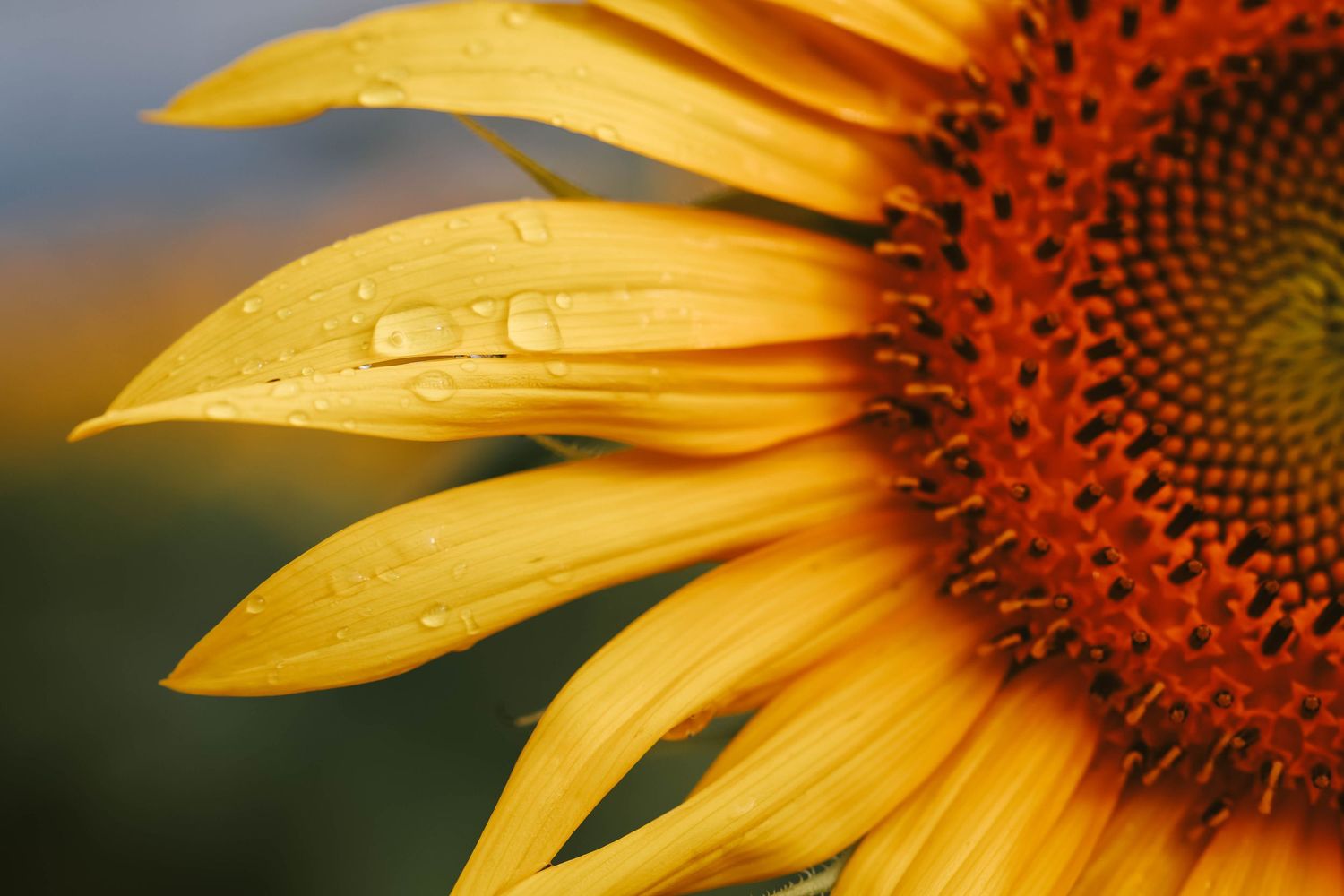
Maybe someone will be drawn to the peaceful simplicity of a bird standing along the shoreline. Another person might love the dramatic movement of storm clouds over the ocean. Someone else might find beauty in a flower or a quiet mountain landscape.
I hope visitors find at least one photograph that makes them stop for a moment.
One that reminds them of somewhere they've been, somewhere they'd like to go, or something they've felt.
And perhaps, after leaving the exhibition, they'll look at the world around them a little differently.
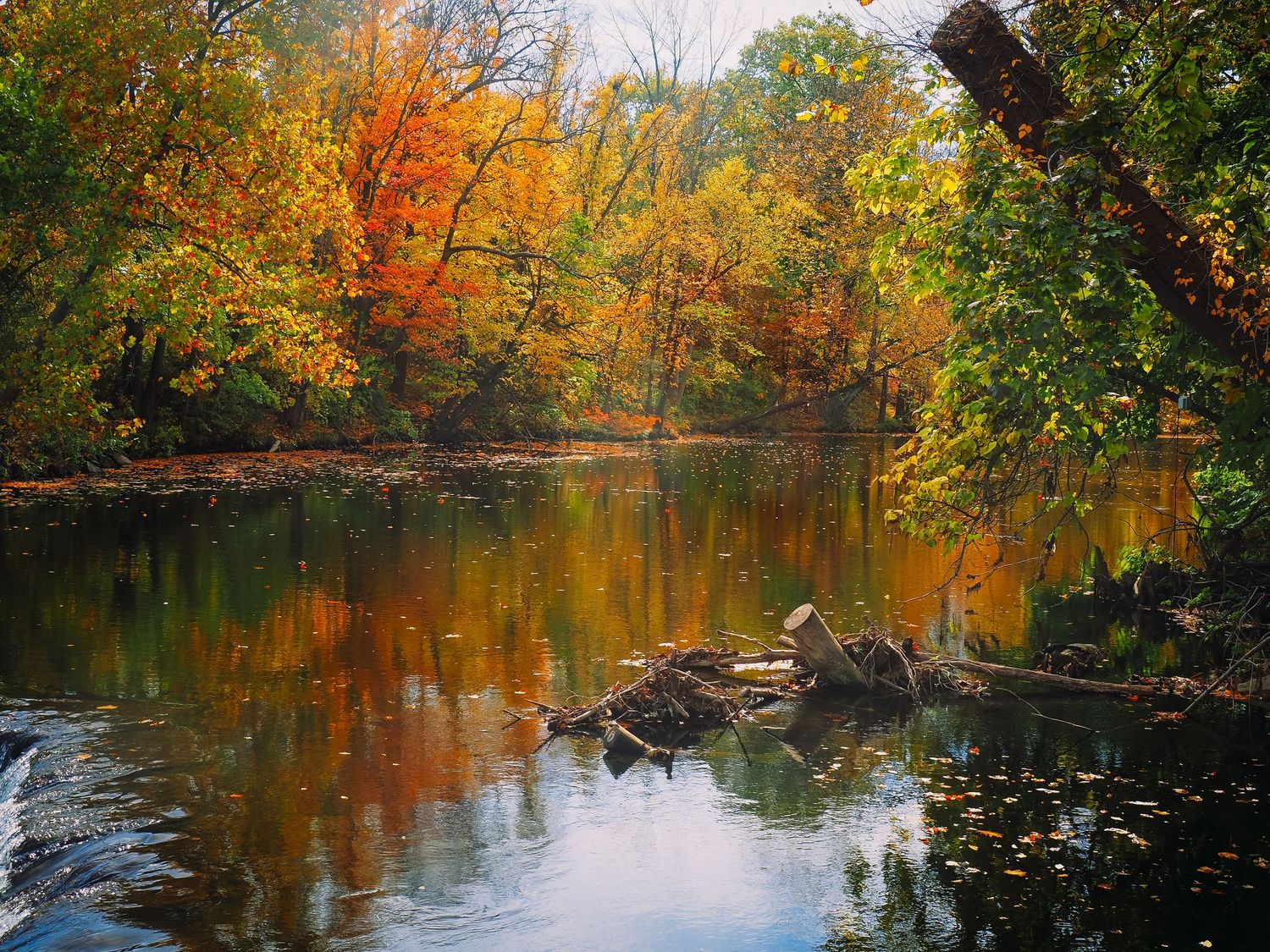
Maybe they'll notice the way sunlight falls across a tree, the patterns in the clouds, or the beauty of an ordinary moment they might otherwise overlook.
Because that's what photography has always done for me.
It has taught me to pay attention.
The Story Continues
Putting together Echoes of the World has been a rewarding and emotional experience. Choosing just 50 photographs from years of memories wasn't easy, but it reminded me why I picked up a camera in the first place.
I didn't begin photography because I wanted to fill gallery walls.
I began because I loved capturing the world around me.
Over time, that passion grew into a business, a creative outlet, and a way of telling stories that words alone sometimes cannot express.
And now, seeing those photographs displayed together has brought that journey full circle.
If there's one thing I've learned through this process, it's that an art exhibition isn't simply about showing your best photographs.
It's about choosing the images that tell the story you want to share with the world.
And with Echoes of the World, I'm sharing a little piece of mine.
Visit Echoes of the World
Echoes of the World, a photography exhibition by Regina Matarazzo, is on display at ForEvergreen Nature Preserve, 1539 Cherry Lane Road, East Stroudsburg, Pennsylvania, through October 31, 2026.
The exhibition features 50 photographs celebrating landscapes, wildlife, nature, and moments of beauty discovered through the lens.
Exhibition hours: Monday–Friday, 9:00 AM–5:00 PM
Explore the stories behind the photographs and learn more about the collection at www.echoesoftheworld.co.
Every photograph tells a story. Sometimes, all we have to do is stop long enough to see it.