There is something unforgettable about photographing fireworks. The color, movement, timing, and unpredictability make every burst feel different. While traditional fireworks photography is usually done from the ground with a camera and tripod, using a drone can create an entirely different perspective.
For the Kalahari Kaboom fireworks show, I was able to photograph the display from a nearby location using my drone. The event itself was not open to the public, but living close by gave me the opportunity to safely launch from an approved location and capture the show from above without dealing with crowds, traffic, or limited viewing areas.
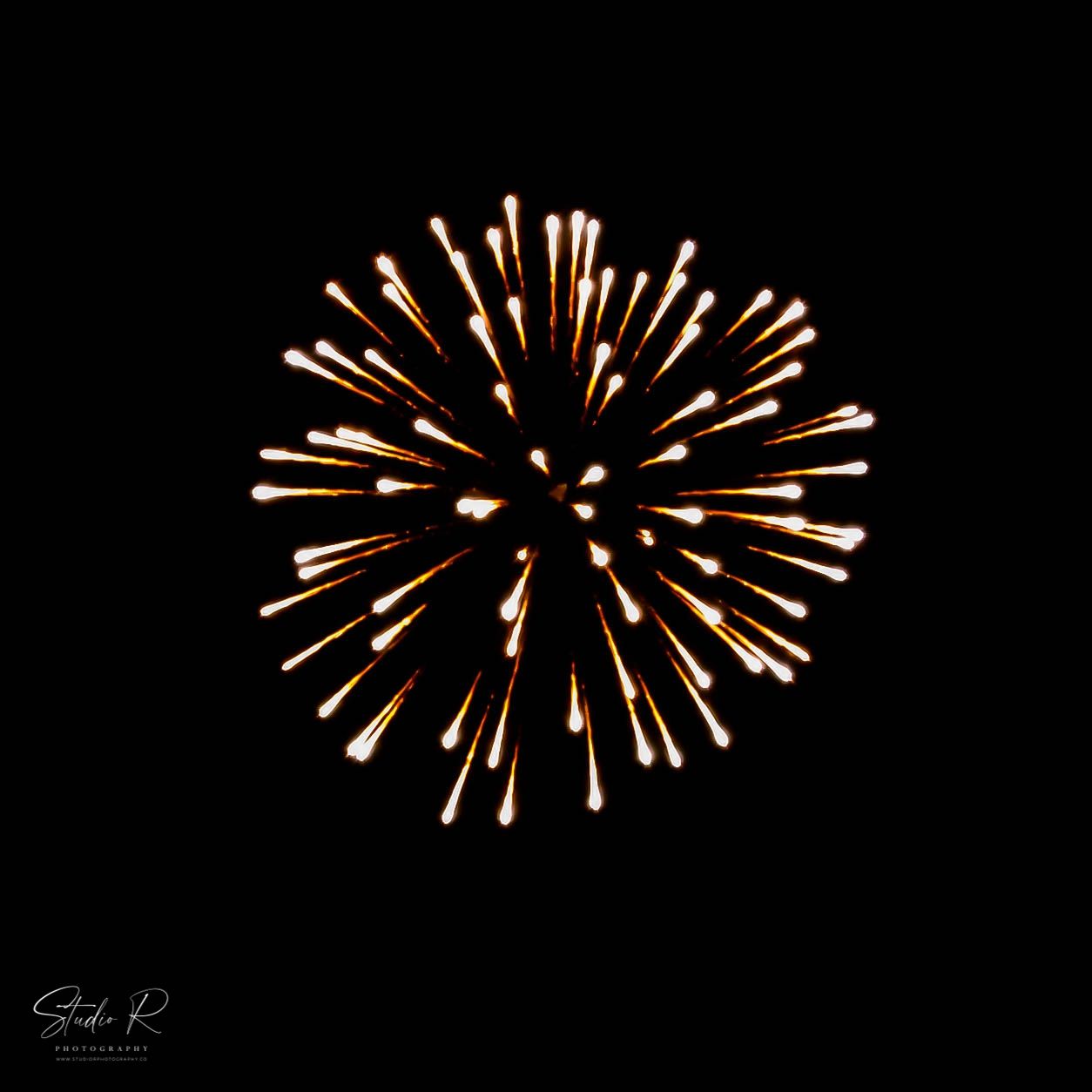
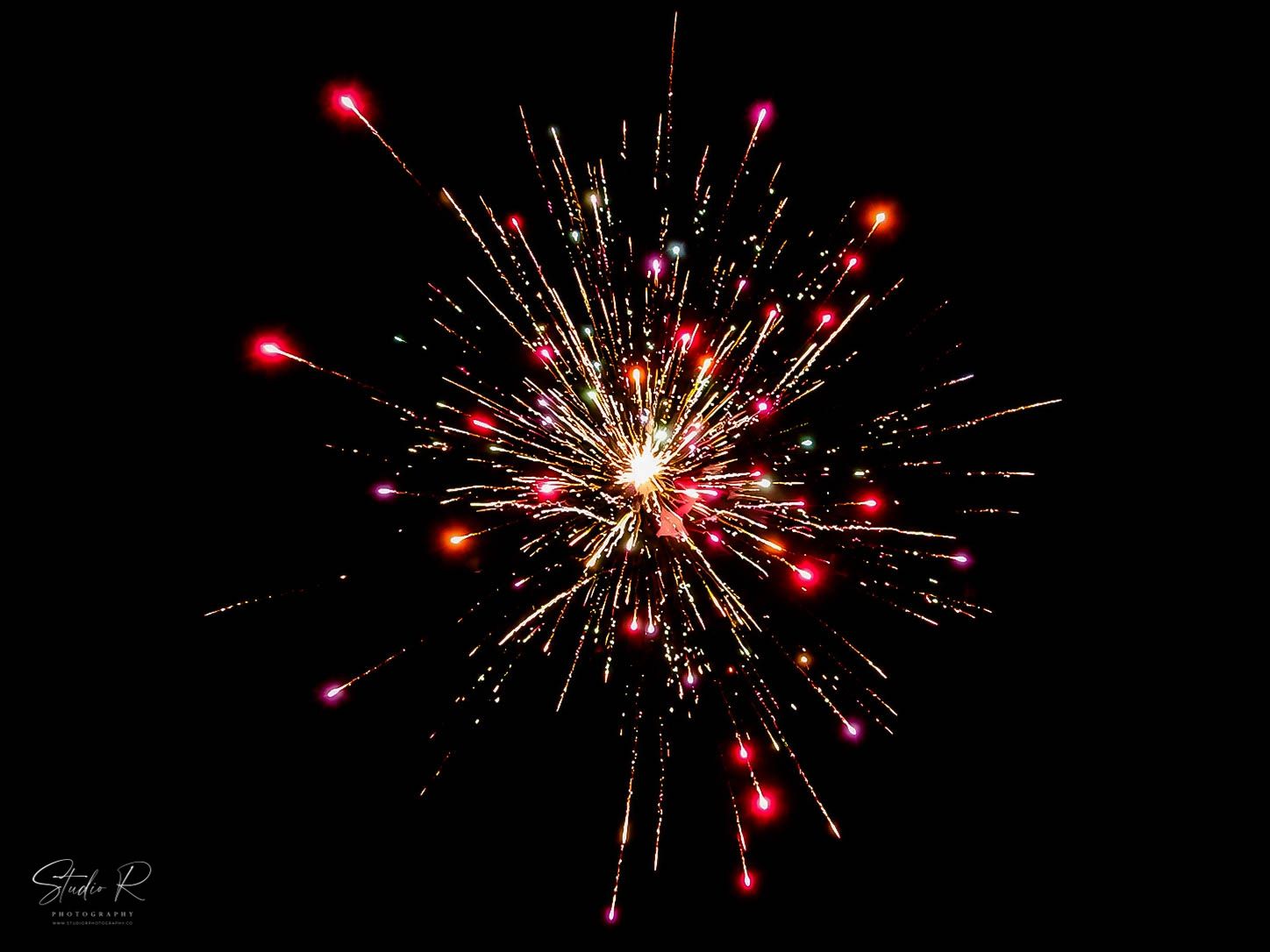
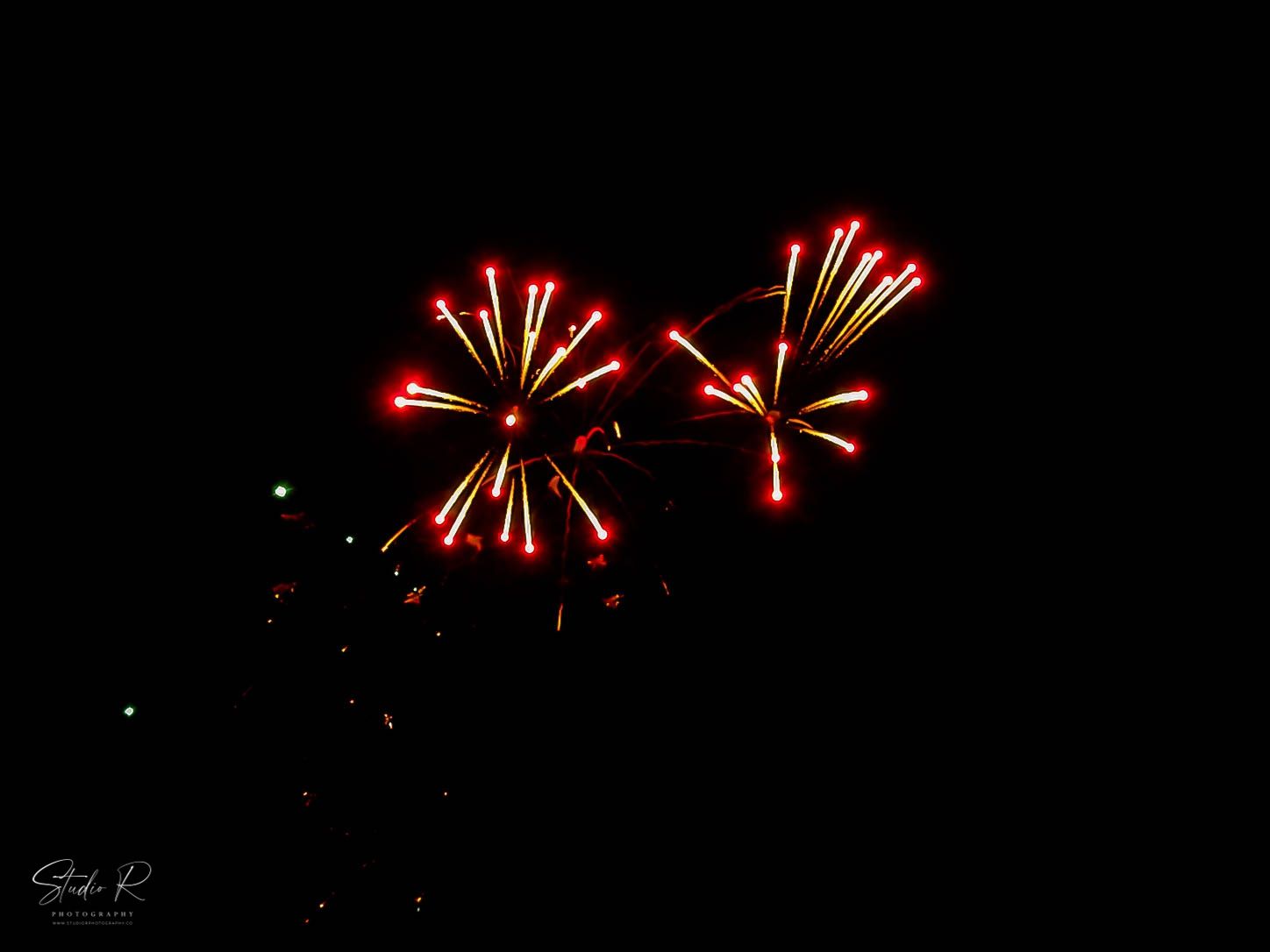
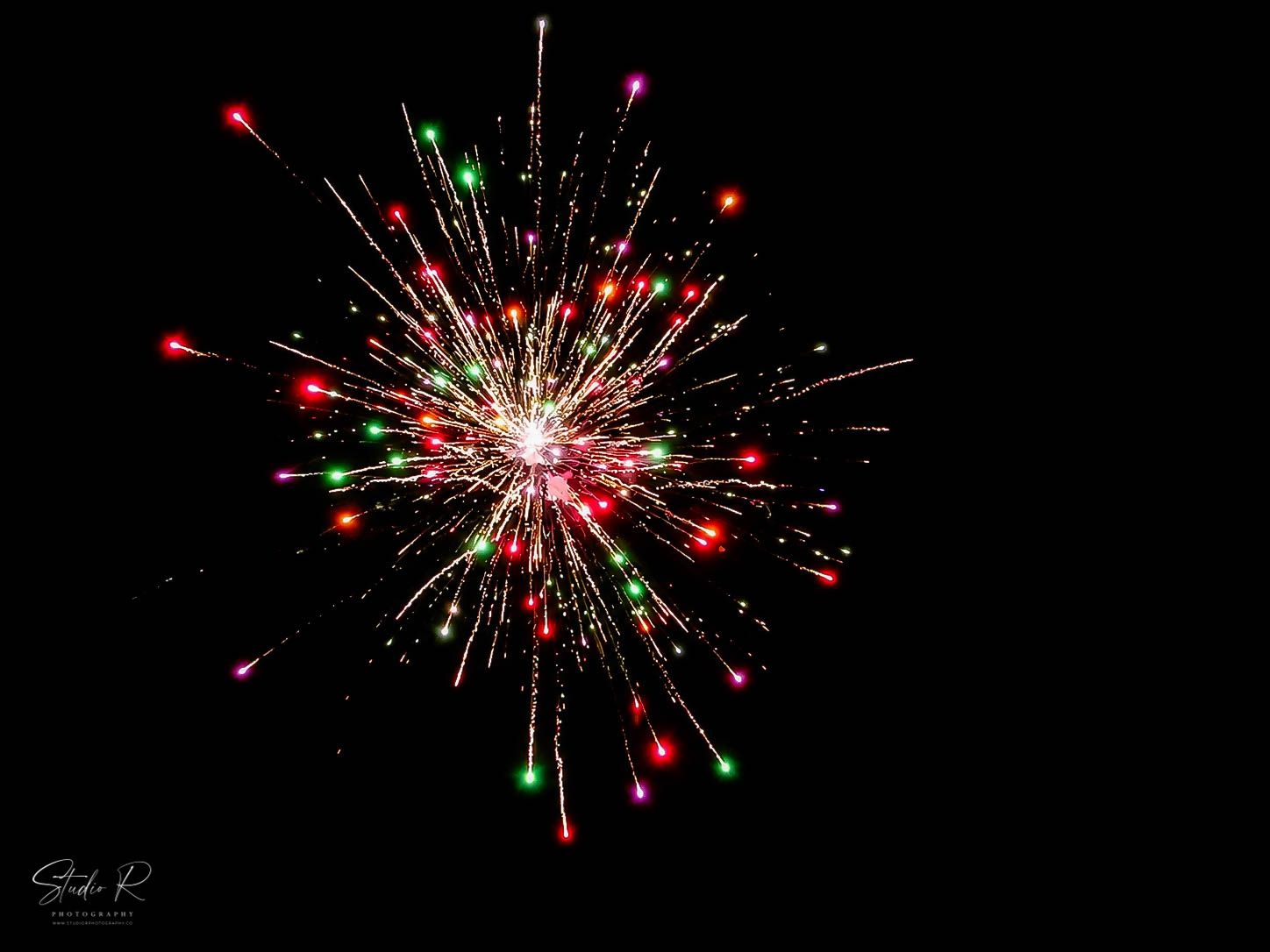
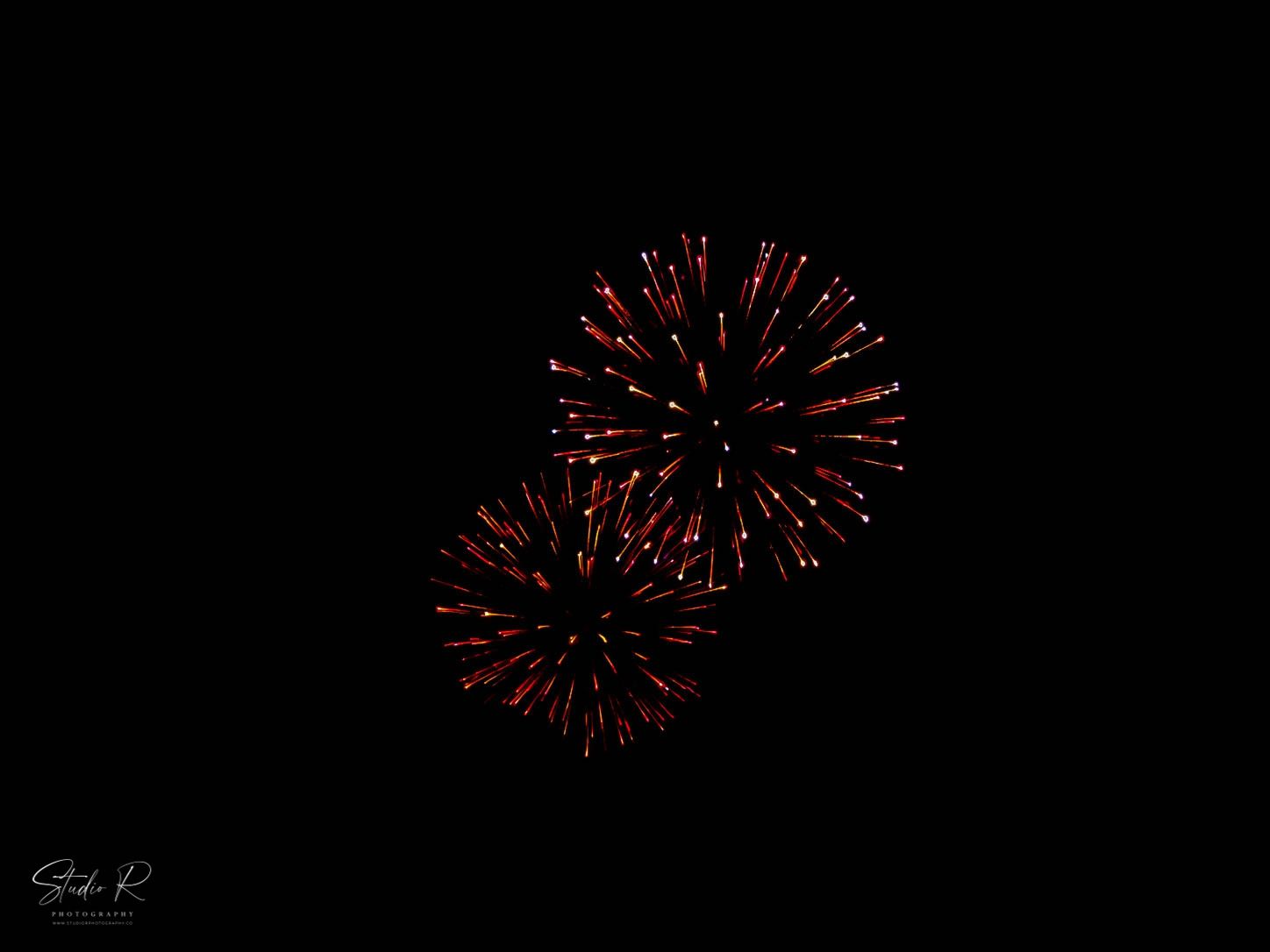
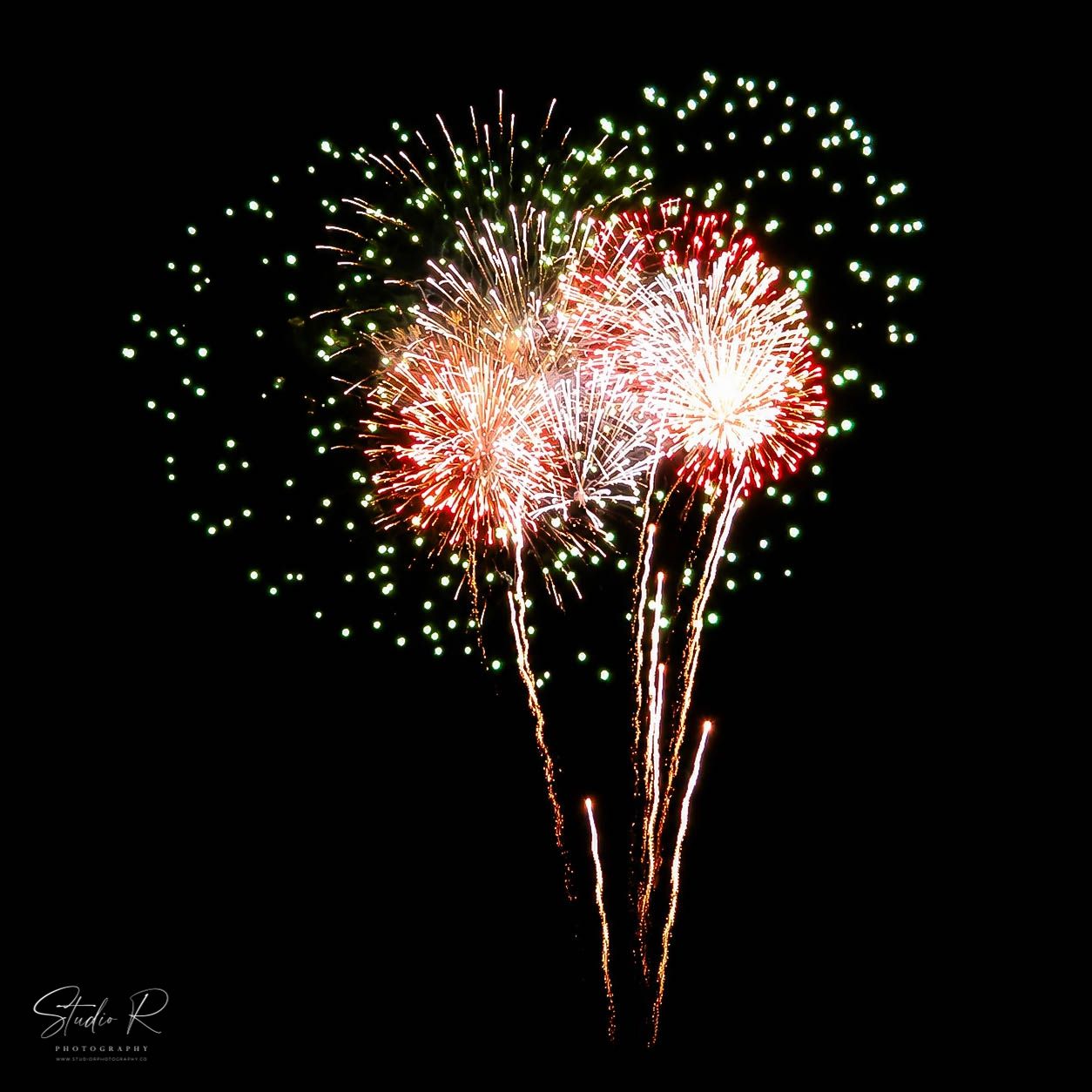
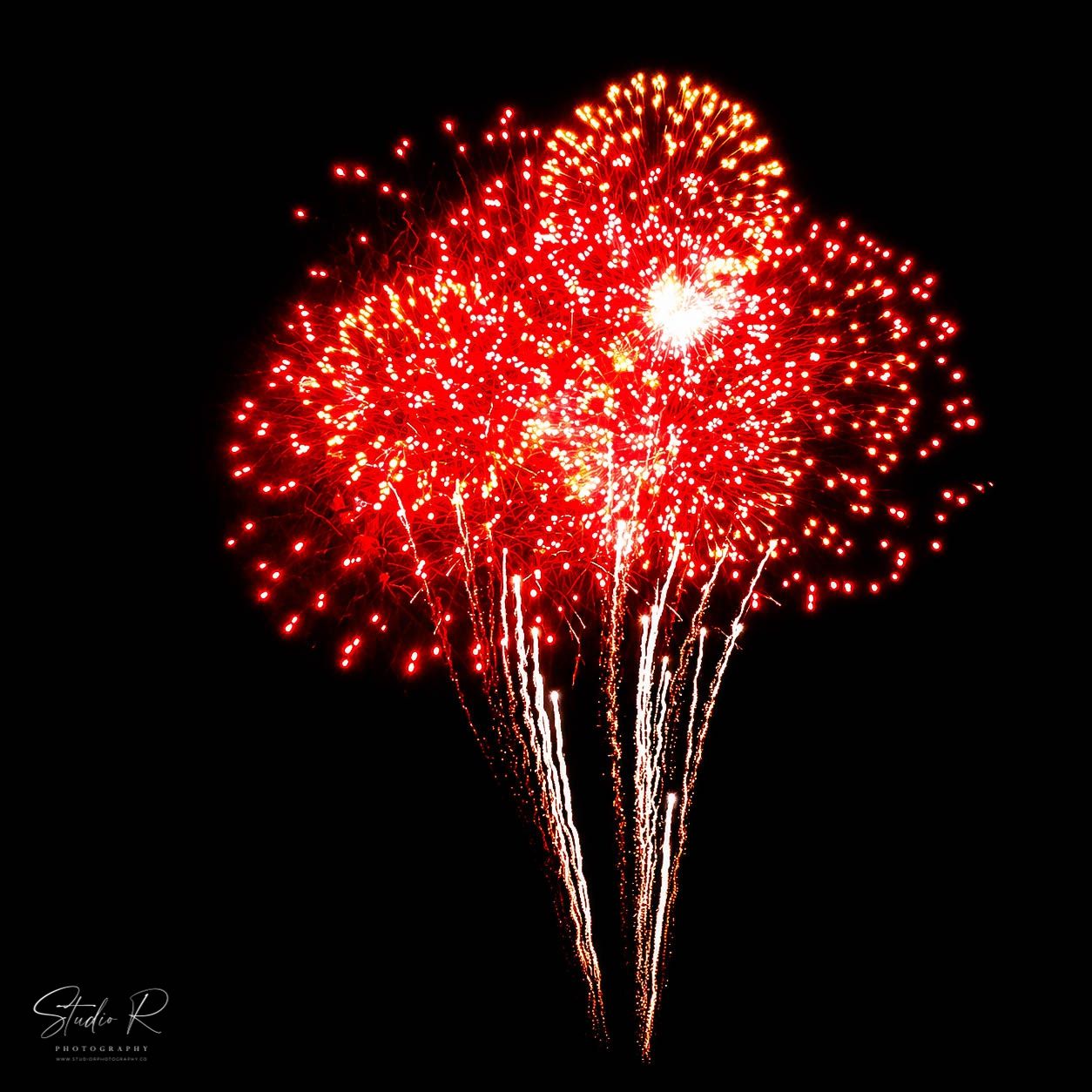
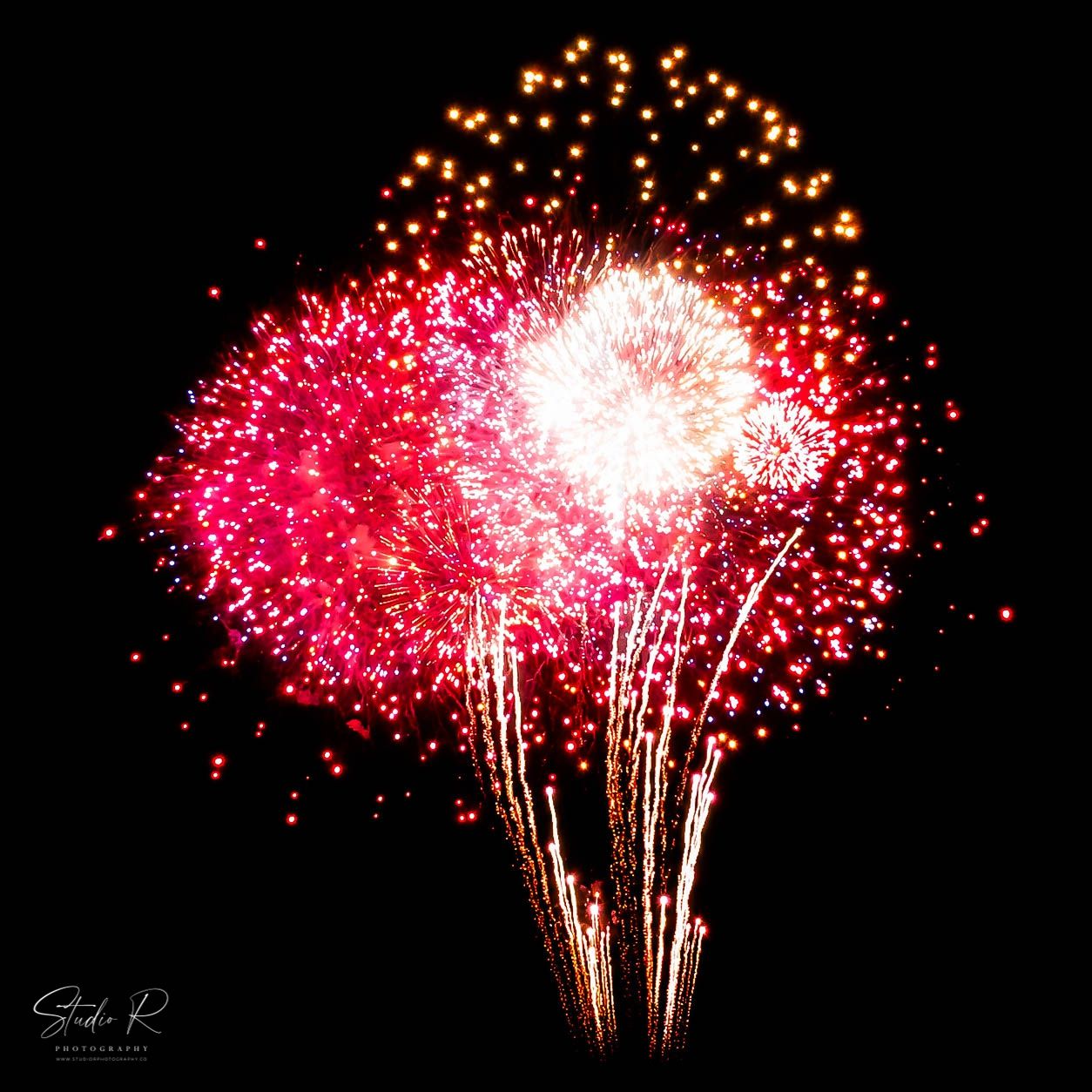
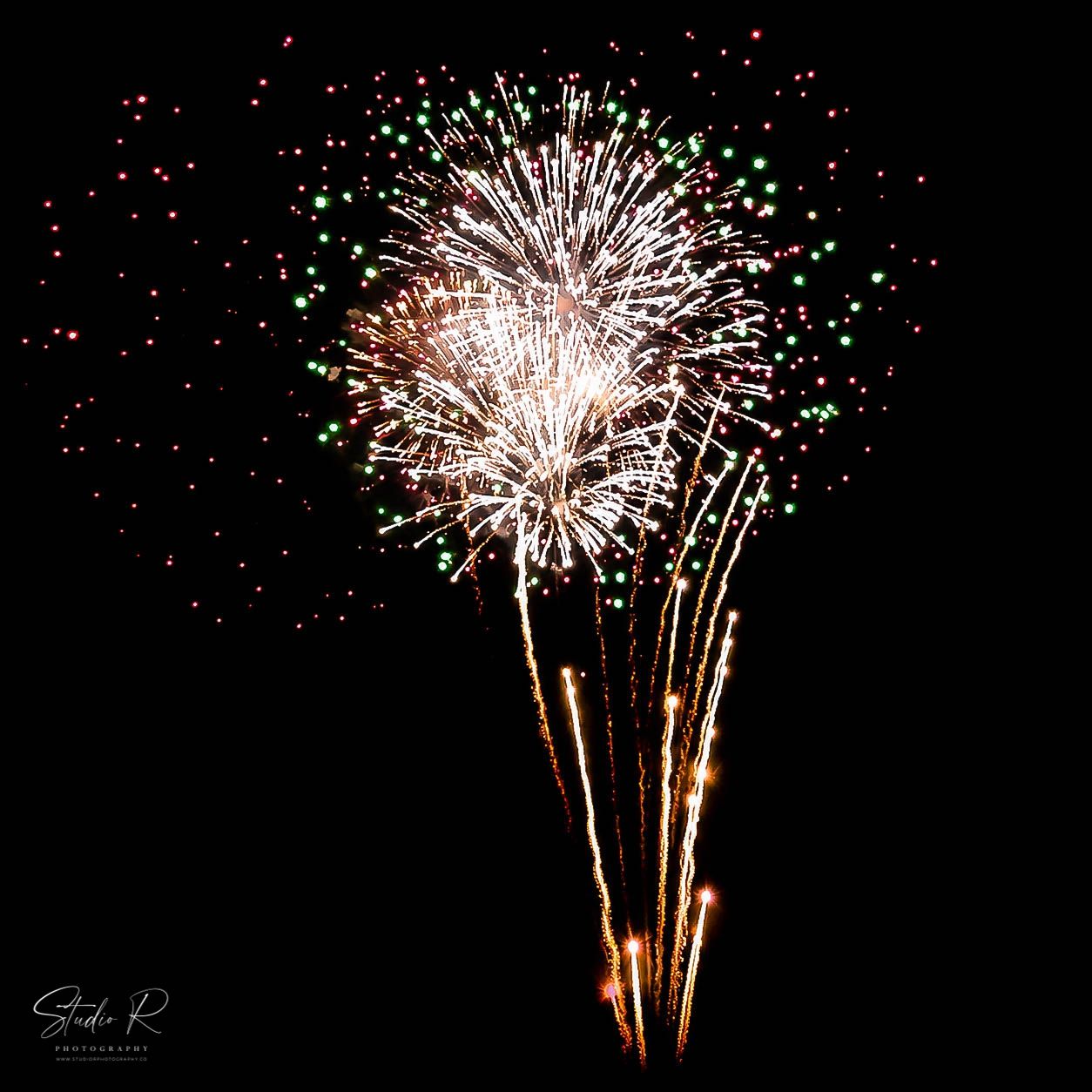
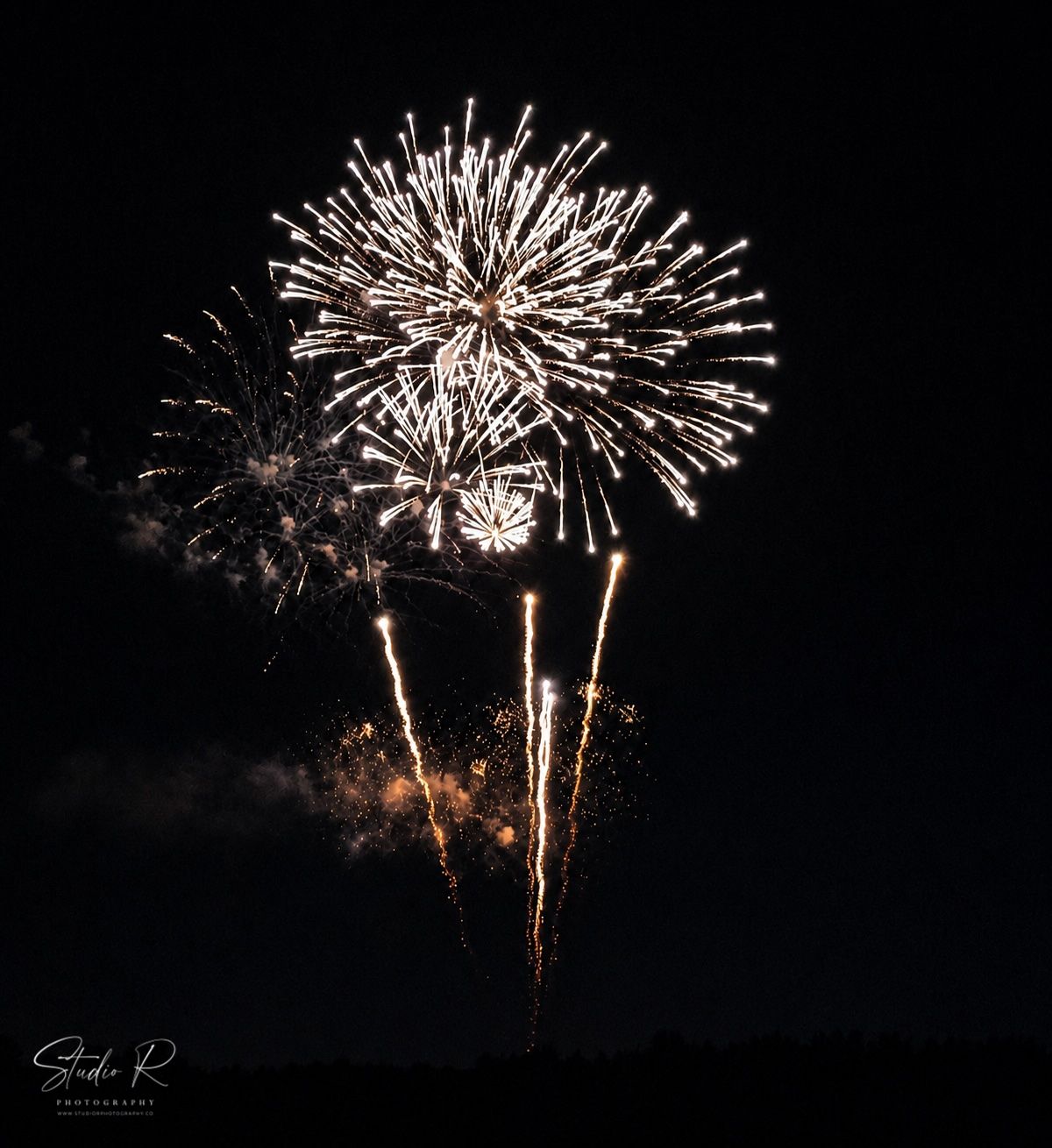
The result was a collection of images filled with bold color, layered bursts, glowing trails, and patterns that looked almost like bouquets floating against the night sky.
Why Use a Drone for Fireworks Photography?
A drone provides a perspective that is difficult to achieve with a traditional camera. From the ground, buildings, trees, crowds, and other obstacles can limit the view. From the air, the photographer has more freedom to adjust the composition and create a cleaner frame.
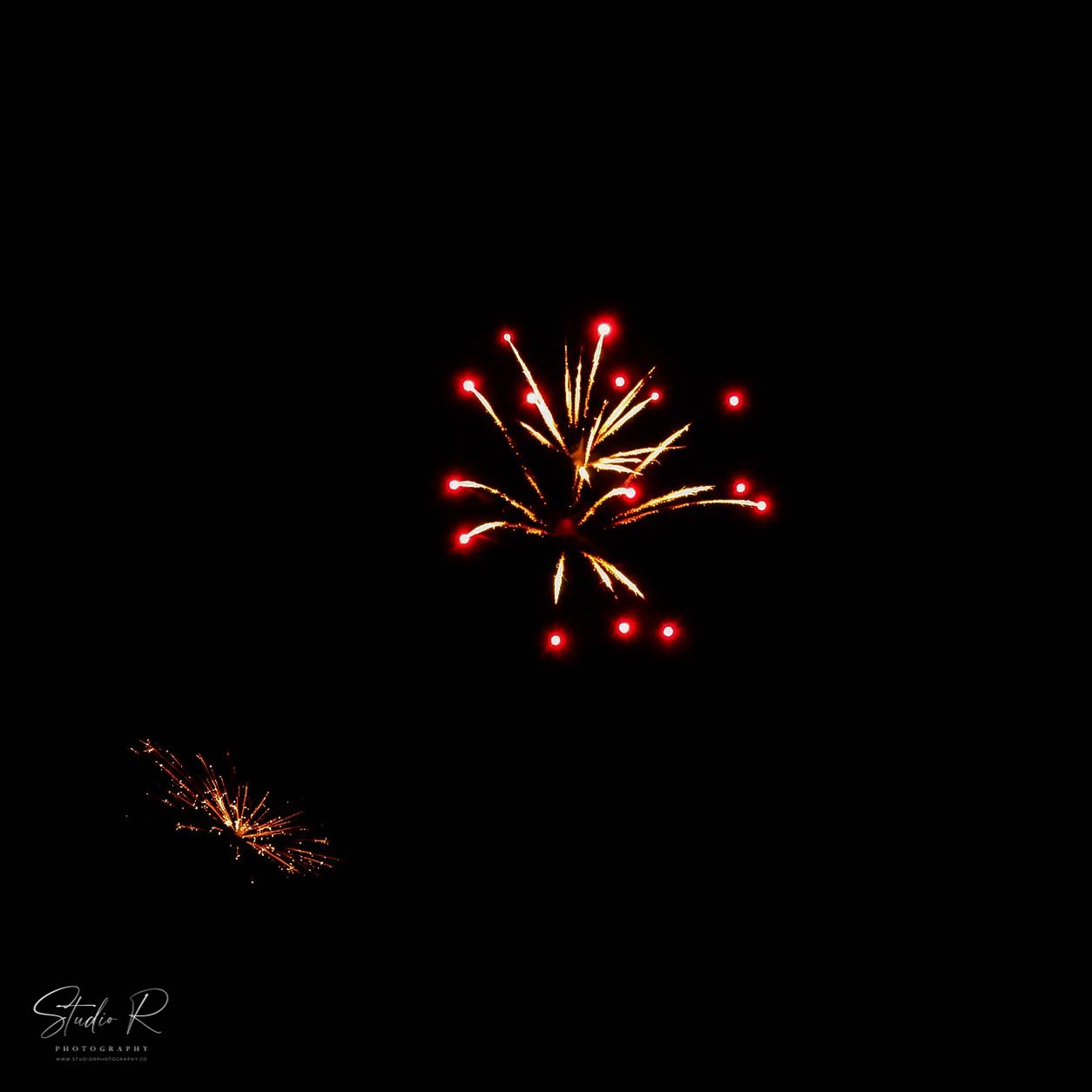
For these photographs, the deep black sky became a natural backdrop. Without distracting foreground elements, the fireworks became the entire focus of the image. The red, white, blue, green, gold, and orange bursts stood out dramatically against the darkness.
Some of the displays resembled enormous flowers. Others created layered circles of color, while the rising trails formed long glowing stems underneath them. From the drone’s perspective, the entire display appeared more organized and dimensional than it might have looked from the ground.
Positioning the Drone
Choosing the right position is one of the most important parts of photographing fireworks with a drone.
The goal is never to fly directly into, above, or dangerously close to the fireworks. Instead, the drone should remain at a safe distance where the display can be photographed with a longer, compressed perspective.
I positioned the drone far enough away to keep the aircraft safely separated from the launch area while still allowing the fireworks to fill the frame. This also helped create the clean, isolated look seen throughout the photographs.
Before launching, I considered the direction of the display, the surrounding environment, the possible path of smoke, and where the fireworks were likely to appear in the sky. Because fireworks move quickly and do not always burst in exactly the same place, I left enough room in the composition to accommodate unexpected patterns.
Camera Settings and Exposure
Photographing fireworks from a drone presents a unique technical challenge. Fireworks are extremely bright, but everything surrounding them is very dark. If the exposure is too bright, the center of the explosion becomes a large white area without detail. If the exposure is too dark, the smaller sparks and colored trails disappear.
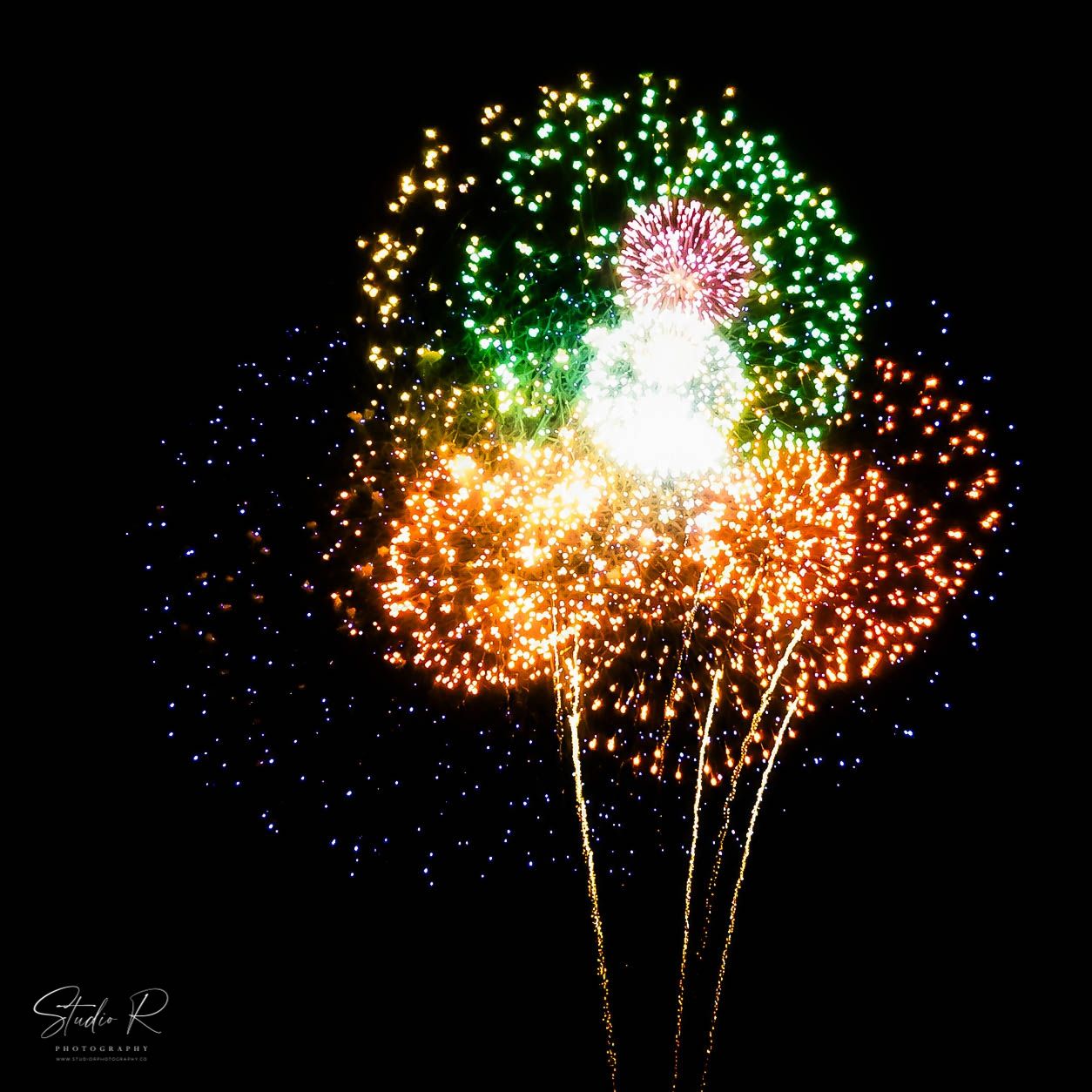
The brightest portions of several images naturally contain intense white highlights, especially during the finale when multiple fireworks exploded at once. However, those bright areas also communicate the energy and intensity of the show.
When photographing fireworks, I generally prioritize protecting the color and shape of the surrounding bursts. Slight underexposure can be helpful because shadow detail is less important when the background is intentionally black.
Using a lower ISO can also help reduce noise and preserve cleaner color. A moderately fast shutter speed freezes the individual points of light, while a slightly slower shutter creates longer trails and a more flowing appearance. The ideal settings depend on the drone, the brightness of the fireworks, and the creative look the photographer wants to achieve.
Timing the Bursts
Timing is everything in fireworks photography.
There is usually only a brief moment between the initial launch, the full explosion, and the disappearance of the sparks. The photographer has to anticipate when the firework will reach its largest and most dramatic shape.
Watching the launch trails helps. Once a trail begins rising, I prepare for the burst and take several photographs as it expands. Continuous shooting can be useful, but it is still important to observe the rhythm of the show rather than simply taking photographs nonstop.
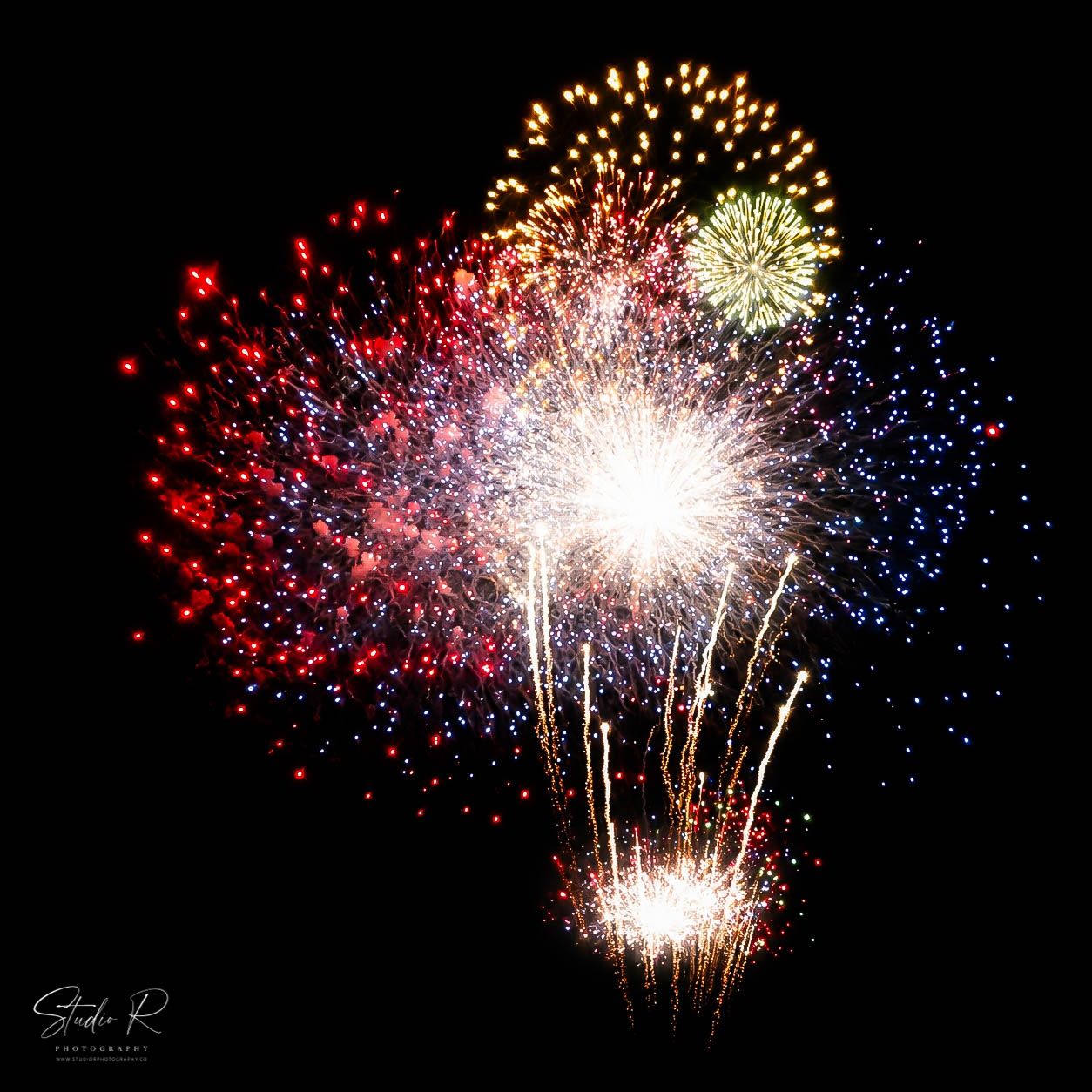
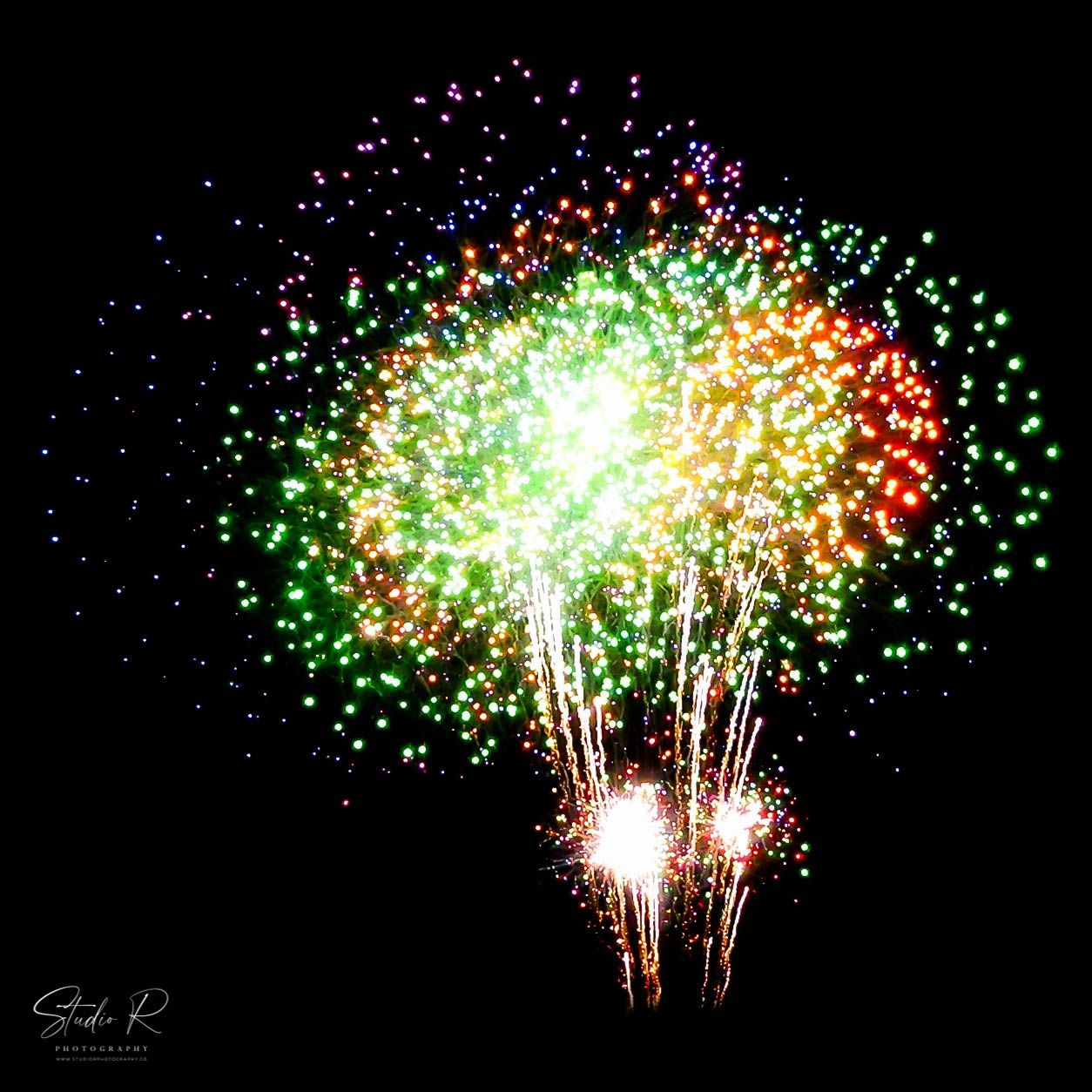
Some of my favorite images from this display happened when several fireworks overlapped. The layers created large, colorful formations that filled the frame. One photograph combined red, white, and blue sparks, giving it a naturally patriotic appearance. Another featured green, orange, purple, and blue points of light surrounding a brilliant center.
These combinations could not have been planned. They lasted only seconds, which is part of what makes fireworks photography so exciting.
Working With Smoke
Smoke can either help or hurt a fireworks photograph.
Too much smoke can soften the details and make the colors look cloudy. However, a small amount of illuminated smoke can add texture, depth, and atmosphere. It can reveal the shape of the explosion and create separation between different layers of fireworks.
Wind direction plays an important role. If smoke drifts toward the drone, later photographs may become less clear. When possible, positioning the drone so the smoke moves away from the camera can help preserve contrast throughout the display.
The final image in this series shows more visible smoke and a softer, more natural nighttime atmosphere. It feels different from the highly saturated photographs with pure black backgrounds, but it still captures the scale and movement of the show.
Editing Fireworks Photographs
Editing fireworks images requires restraint.
The colors are already naturally bold, so too much saturation can make them look artificial. My goal is to enhance what was present while maintaining the structure of each burst.
I focus on creating a rich black background, controlling the brightest highlights, bringing out the smaller colored sparks, and maintaining separation between overlapping fireworks. I may also adjust contrast, clarity, white balance, and noise reduction.
The black sky is especially important in these images because it removes distractions and makes each trail of light appear more defined. The finished photographs almost resemble abstract artwork rather than traditional event photographs.
The Advantages of Photographing From Home
One of the best parts of this experience was being able to photograph a major fireworks display without entering a crowded event space.
There were no long lines, no difficult parking situation, and no crowds blocking the view. I was able to work from a quiet location, focus on operating the drone and camera, and return home shortly after the show ended.
It was a reminder that sometimes the best photographic opportunities are closer than we realize. A familiar location can look completely different when viewed from above, especially when the night sky is suddenly filled with light.
Safety Comes First
No photograph is worth compromising safety.
Drone photographers should always follow current aviation regulations, check for temporary flight restrictions, confirm that the launch location is permitted, remain clear of crowds and event operations, maintain visual awareness of the aircraft, and stay well away from the fireworks themselves.
Fireworks can produce heat, debris, smoke, and unpredictable movement. The drone should never interfere with the display or fly close enough to create a hazard.
Careful planning allows photographers to enjoy the creative possibilities of aerial fireworks photography while operating responsibly.
Final Thoughts
Photographing fireworks with a drone combines technical skill, patience, timing, and a little bit of luck. Every explosion lasts only a few seconds, and no two bursts are exactly alike.
The Kalahari Kaboom display provided an incredible variety of colors and formations. From glowing red bouquets to layered patriotic bursts and vibrant green explosions, each photograph captured a different moment from the same show.
From the air, the fireworks appeared less like individual explosions and more like enormous paintings created across the night sky.
That is what I love most about drone photography. It allows us to take something familiar and experience it from a completely new point of view.
📸❤️🌻