Camera lenses, to me, are a lot like shoes. I have plenty of them, but somehow I always find myself reaching for the same two or three favorites.
For everyday photography, my go-to lenses are usually my Tamron 18-400mm Traveler’s Lens or my Canon 24-240mm. I love having a lens that gives me the flexibility to photograph something close by and then quickly zoom in on something much farther away without having to stop and switch lenses.
The Tamron, especially, has always been one of my favorites because it’s lightweight, versatile, and a great all-in-one lens. You can pretty much put it on your camera and head out for the day knowing you’ll be able to photograph almost anything that catches your eye. It’s also great for hiking because I don’t have to carry several lenses around with me.
But even with a lens that reaches 400mm, there are times when you just need a little more.
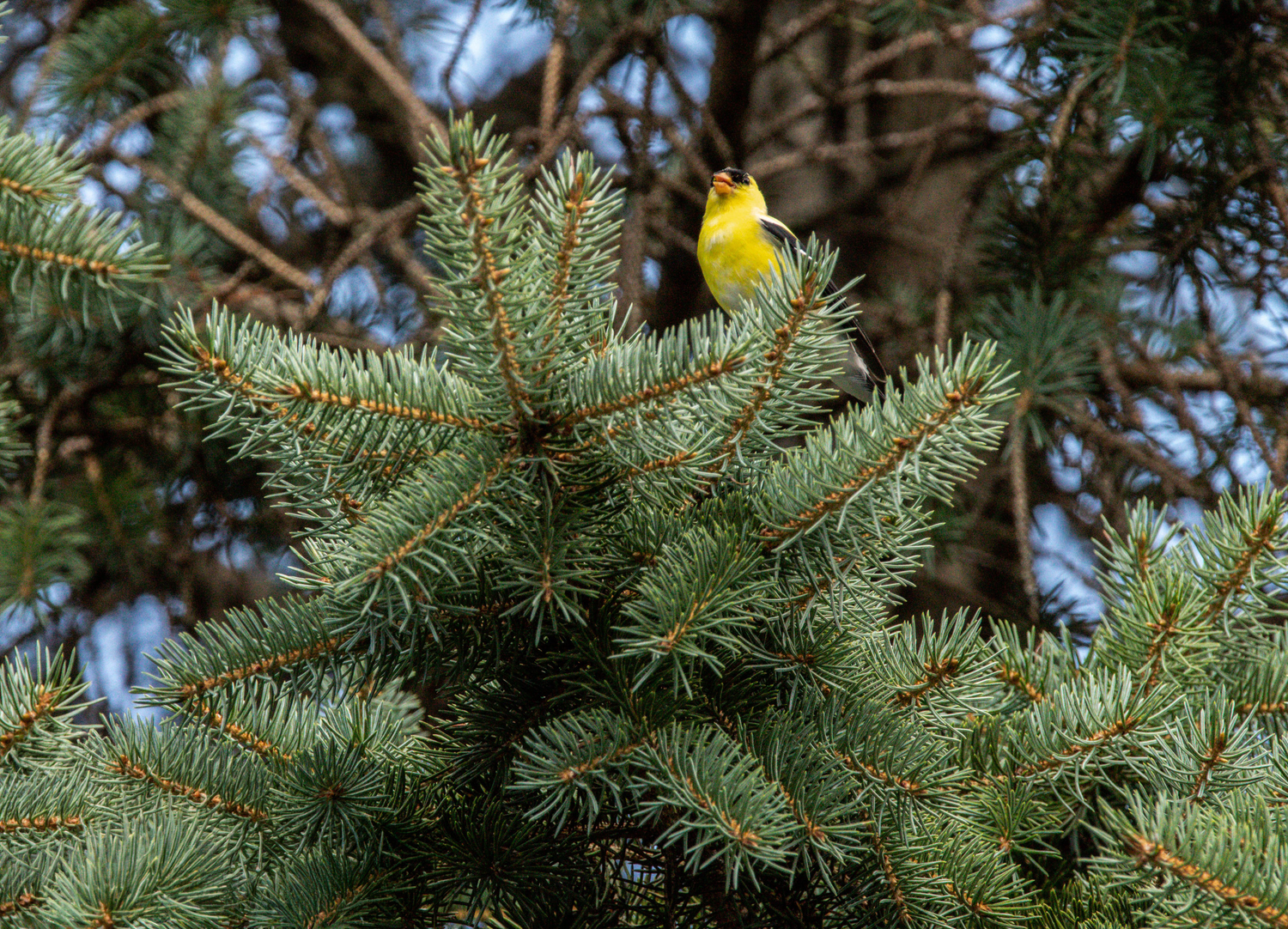
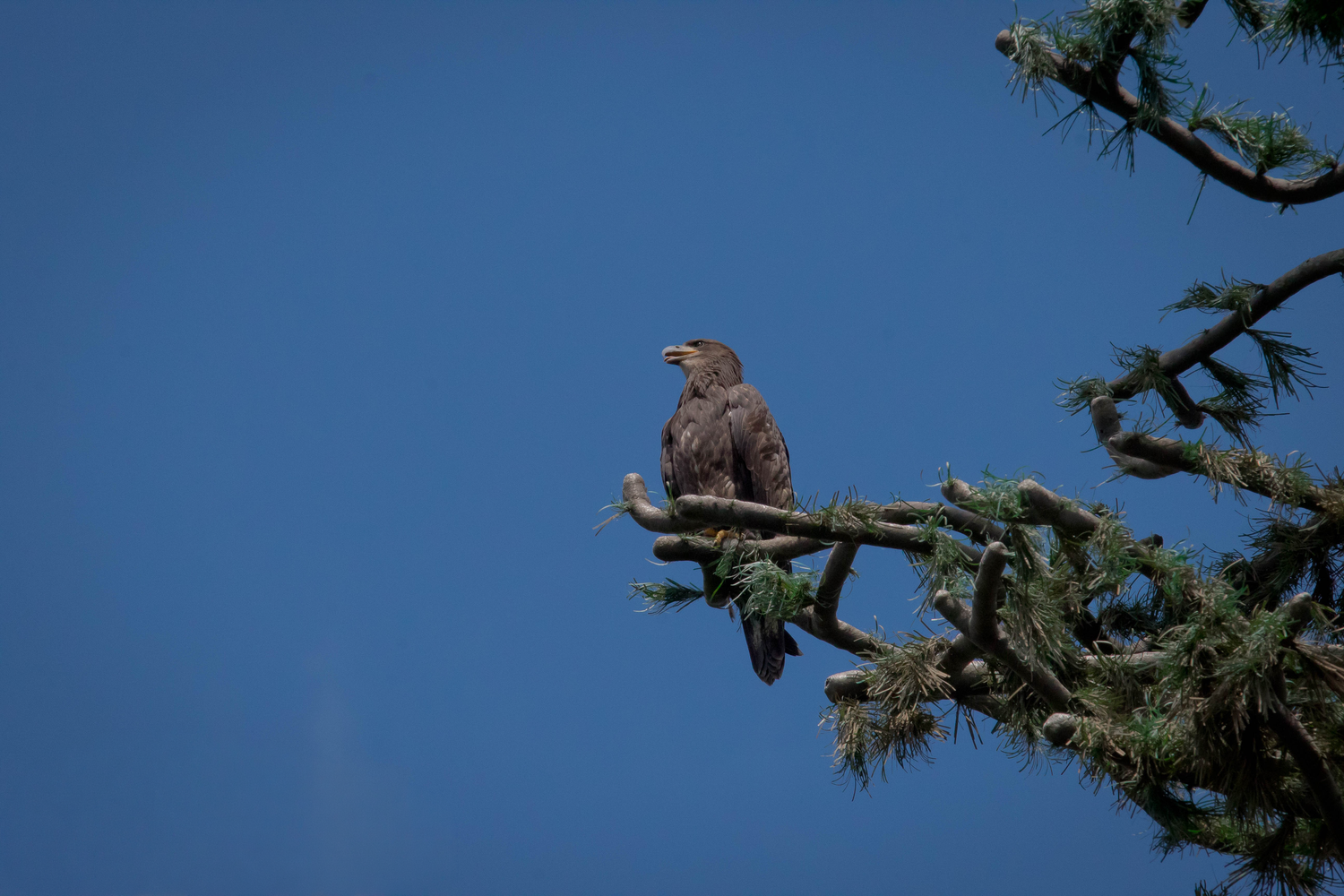
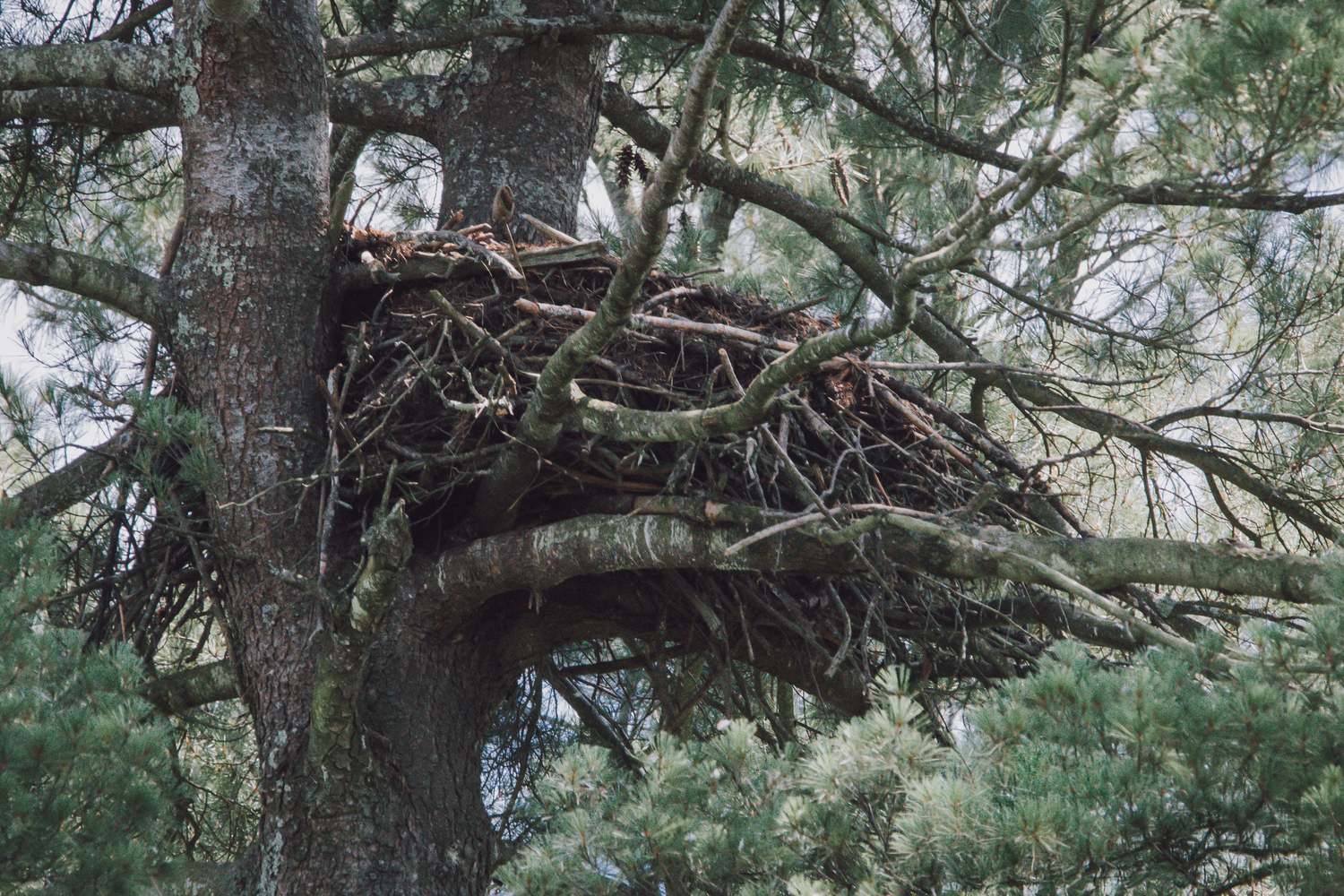
If you’re trying to photograph a bird high in a tree, details on the Moon, or something else that is really far away, you start wishing you had just a bit more reach.
After plenty of research, consideration, and more YouTube videos than I probably needed to watch, I finally decided to treat myself to the Sigma 150-600mm lens.
And I have to say — I am so glad I did.
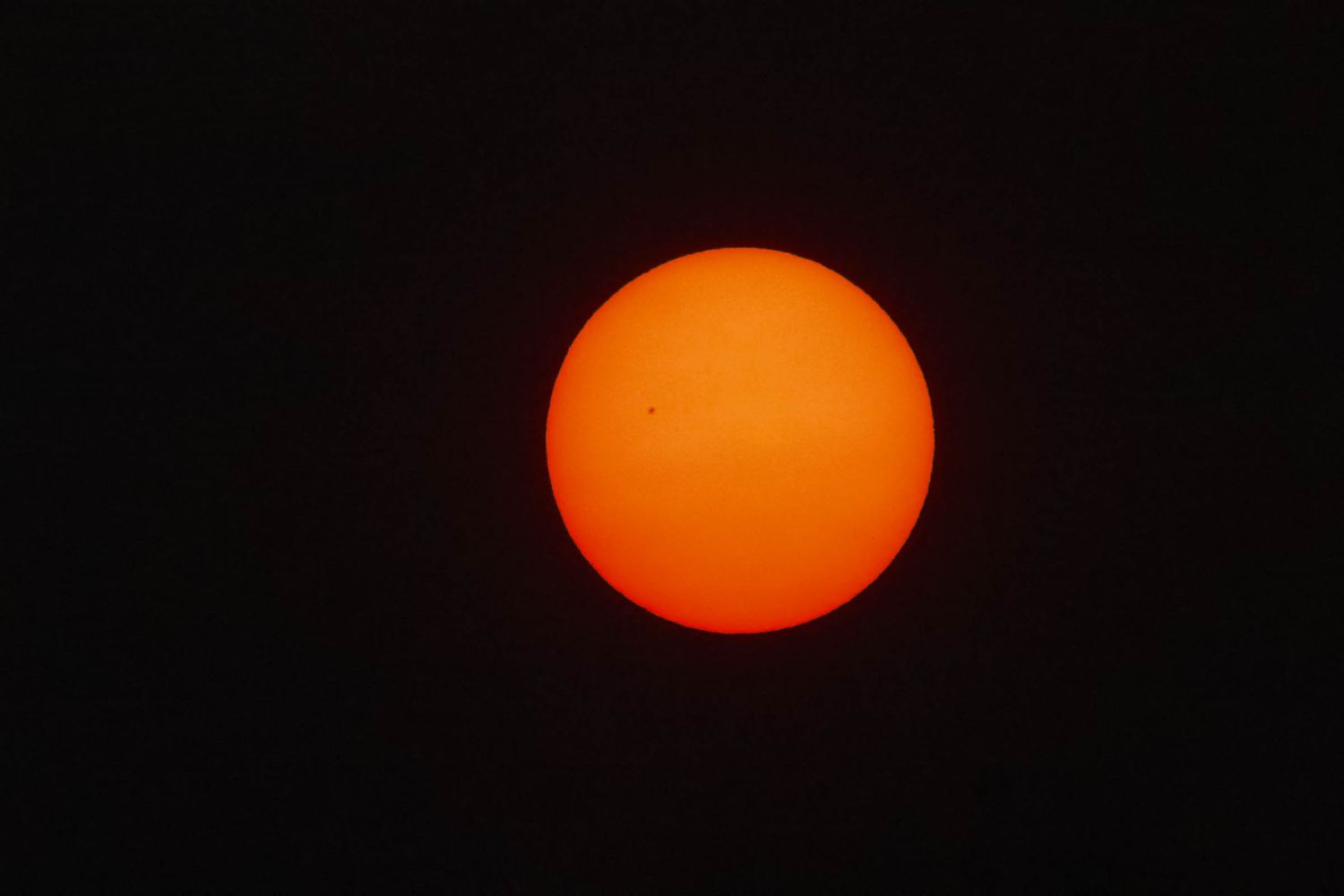
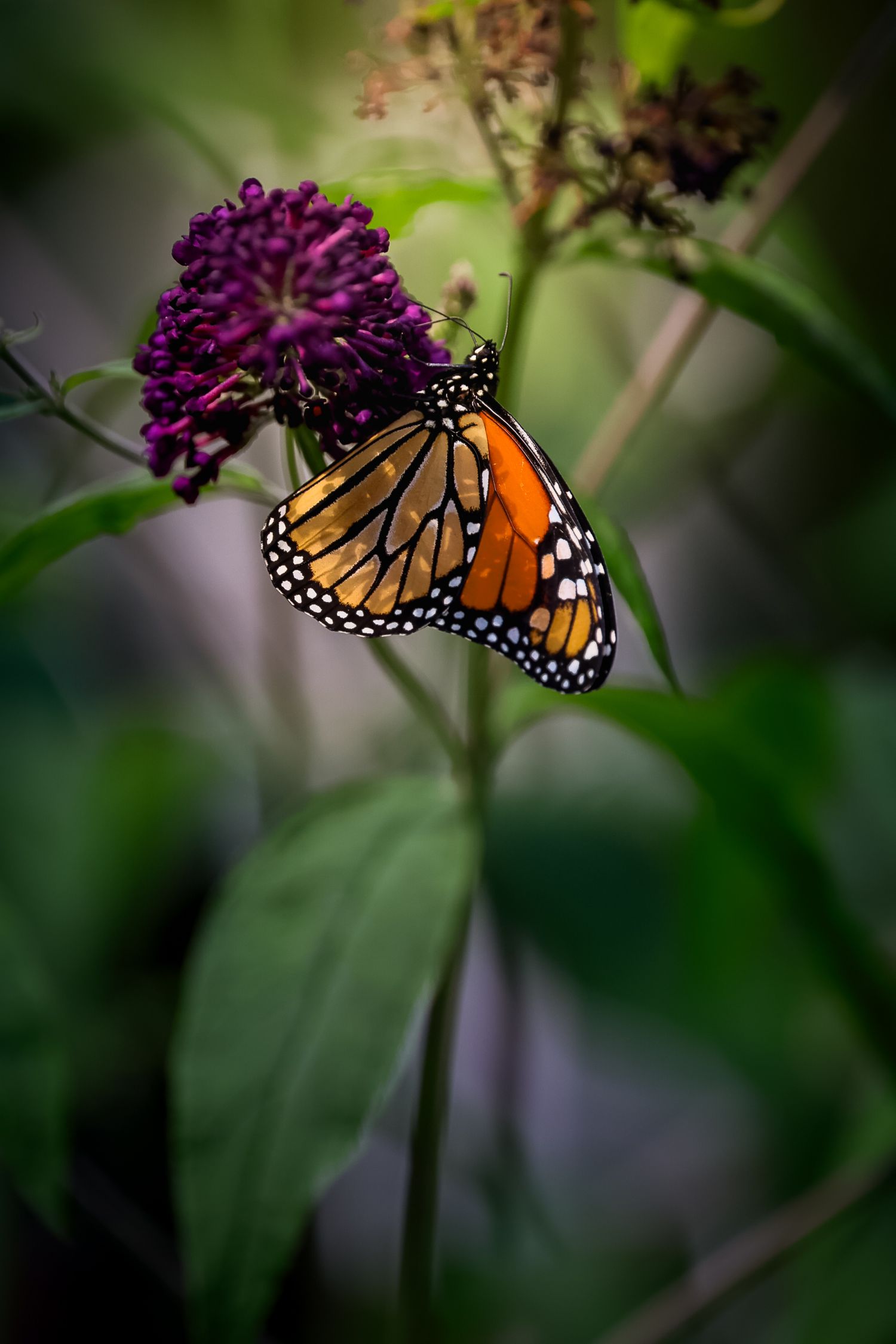
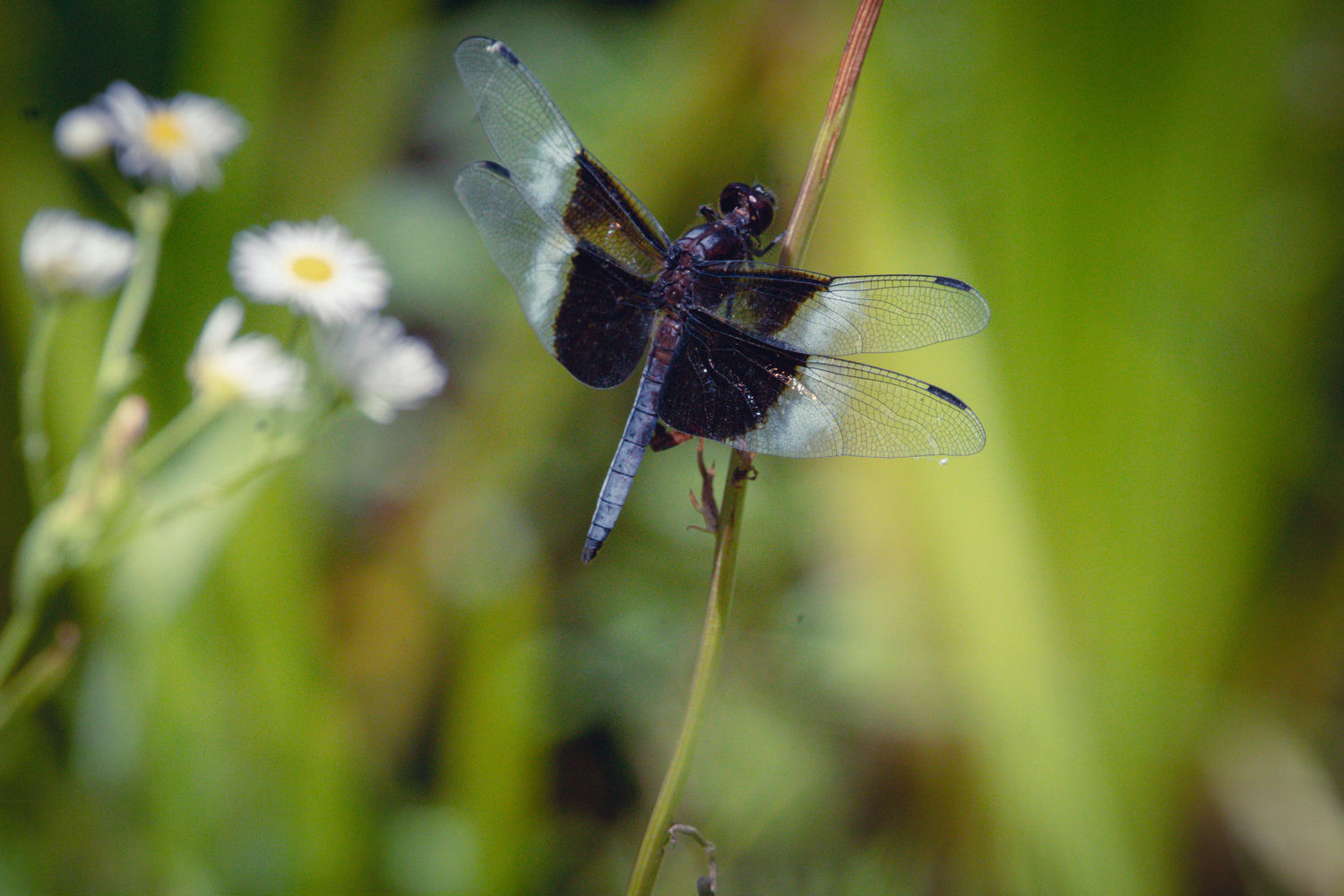
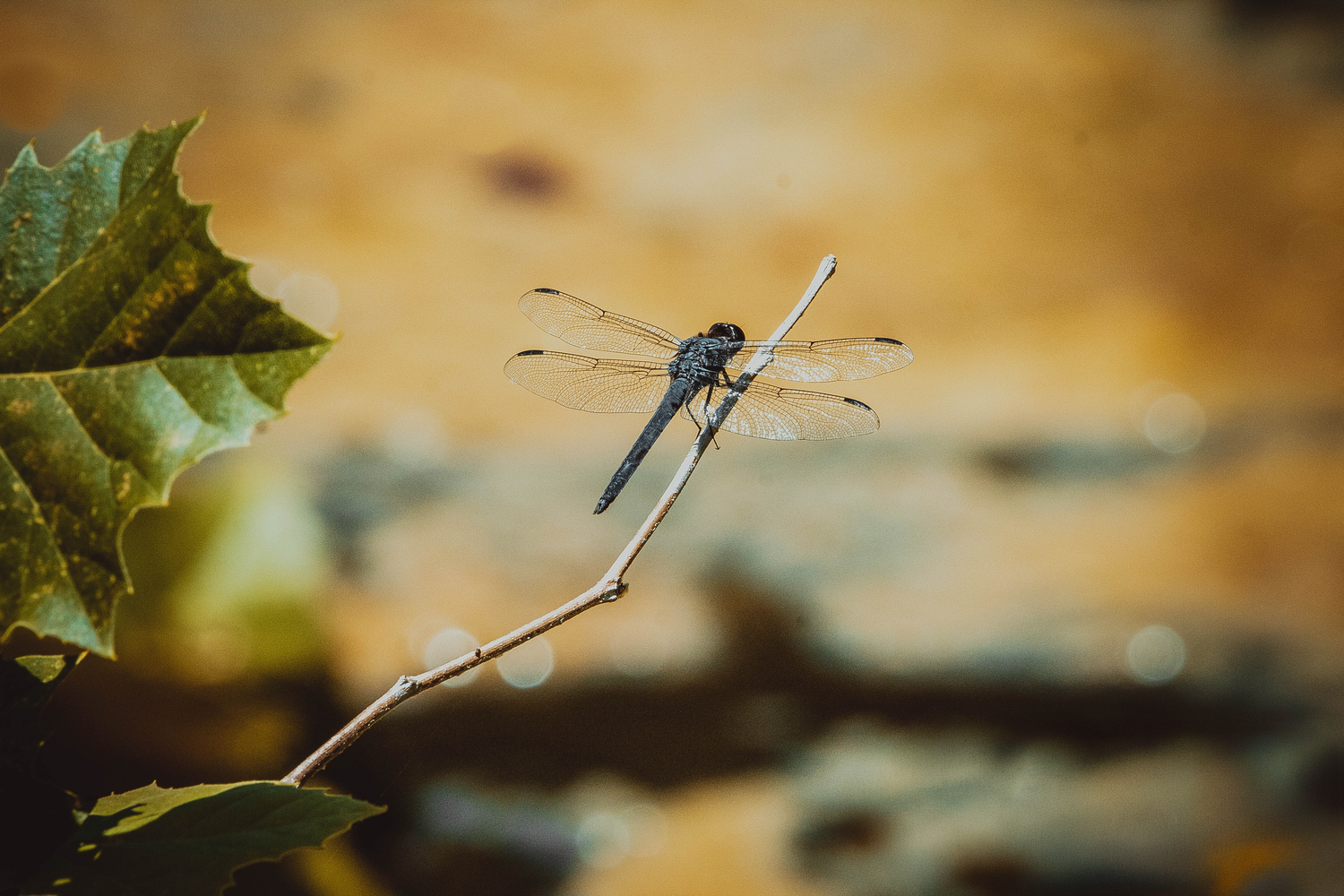
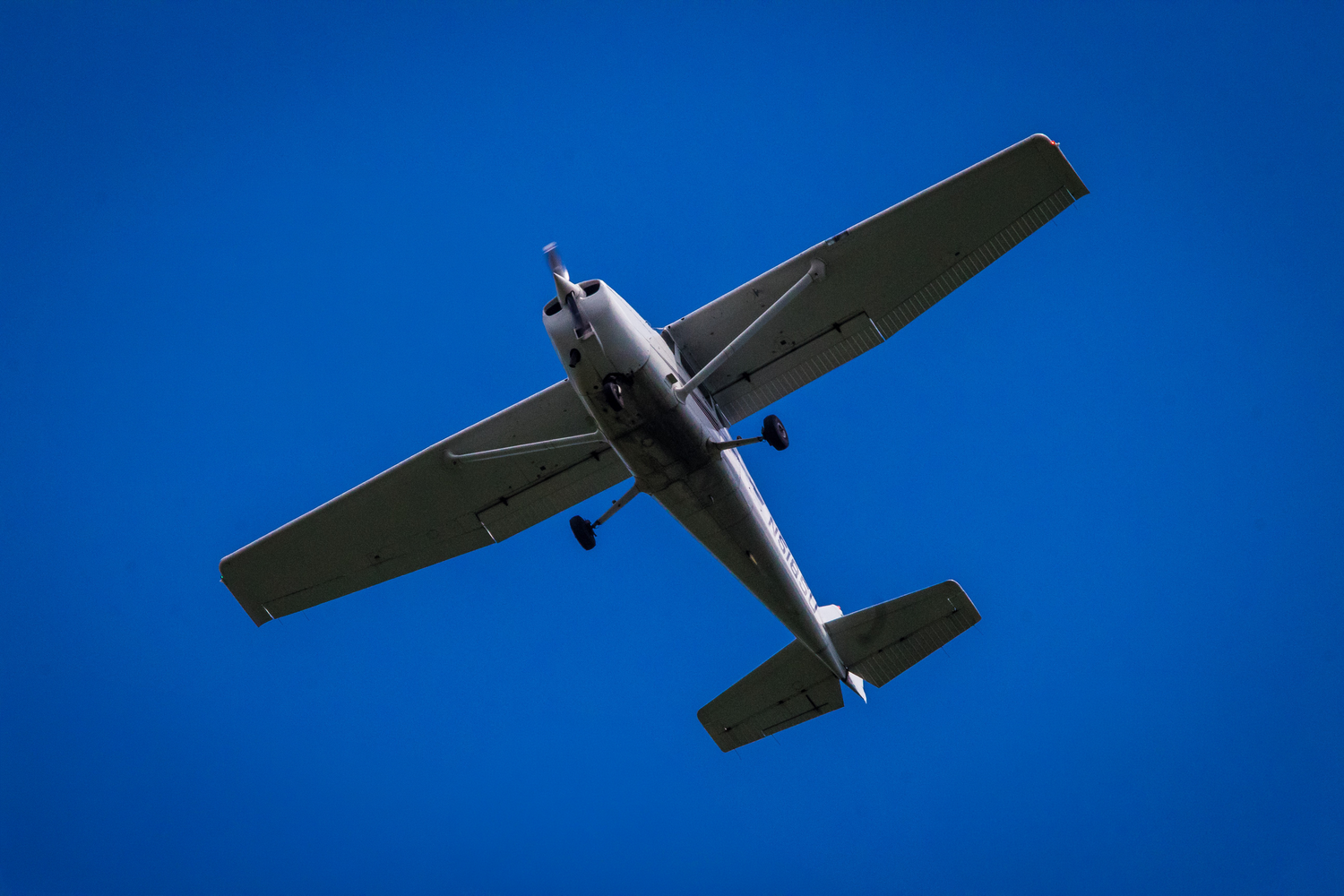
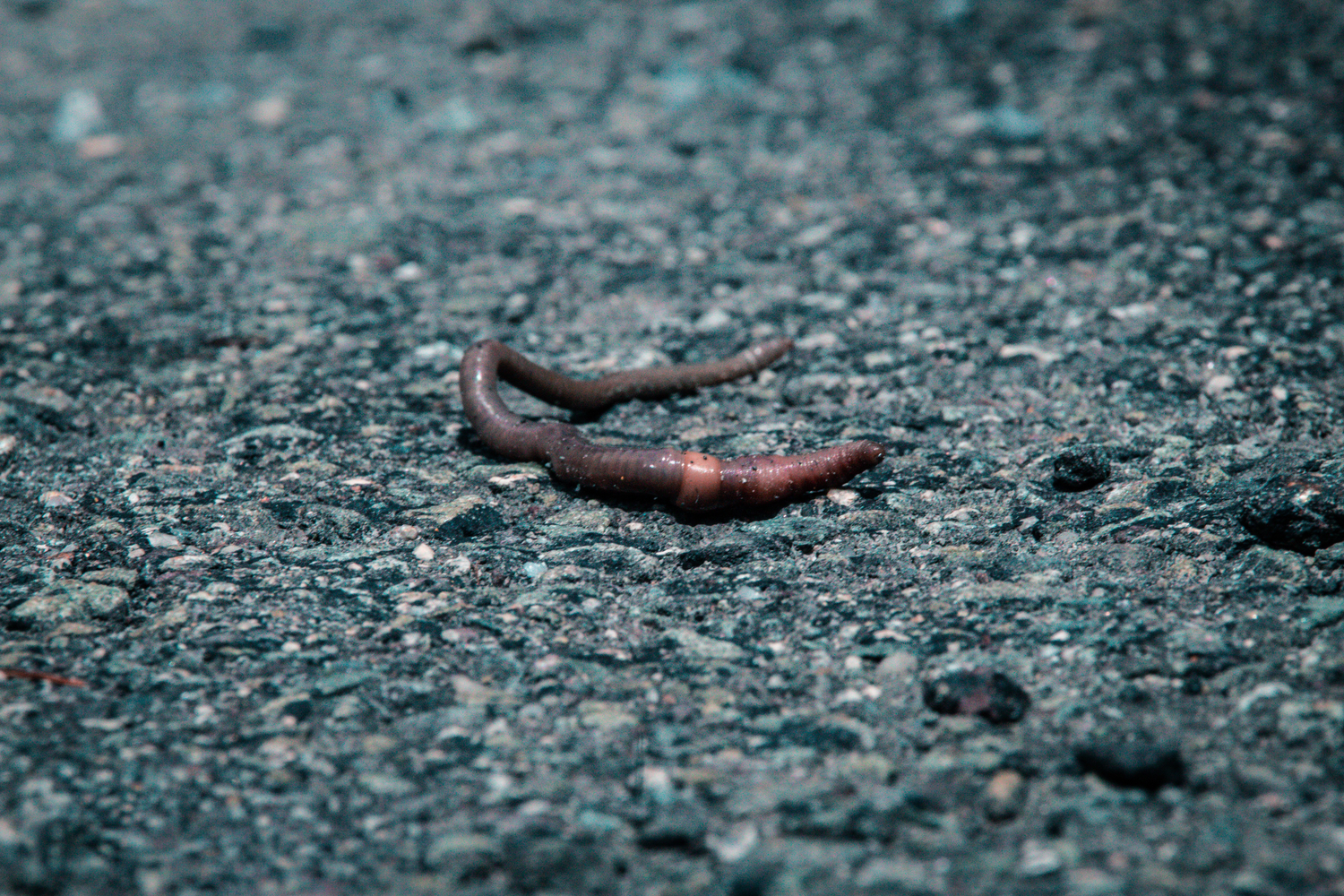
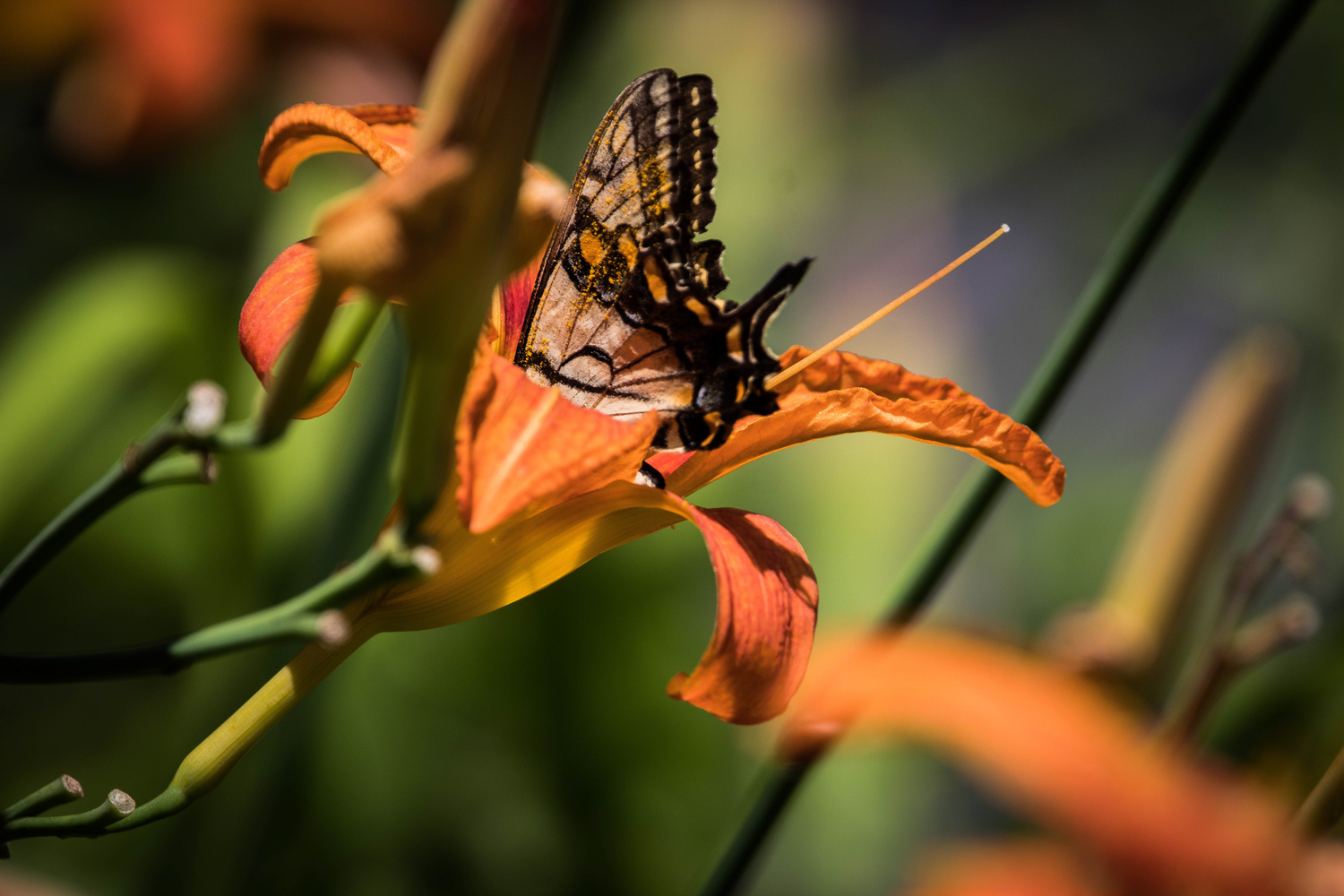
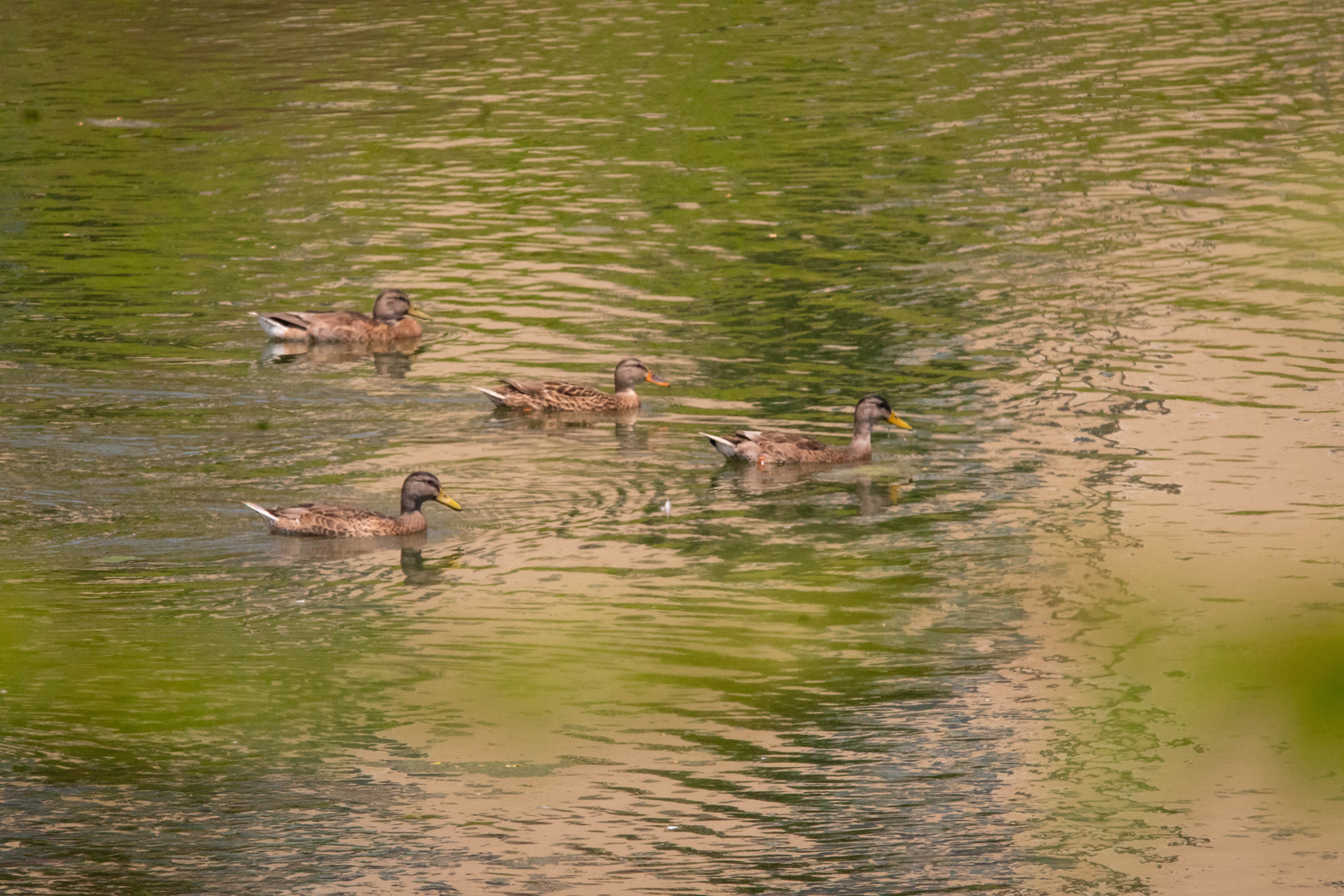
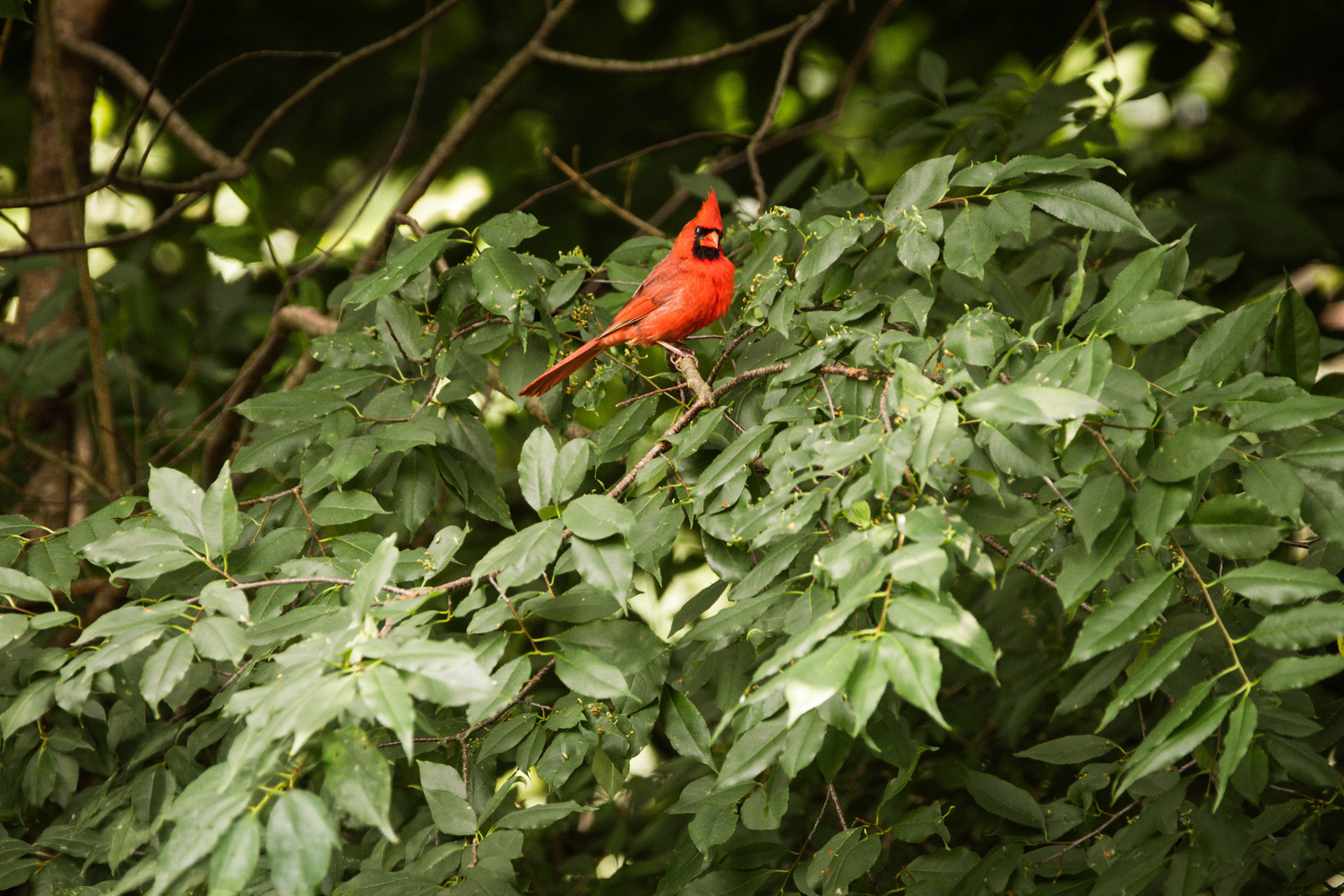
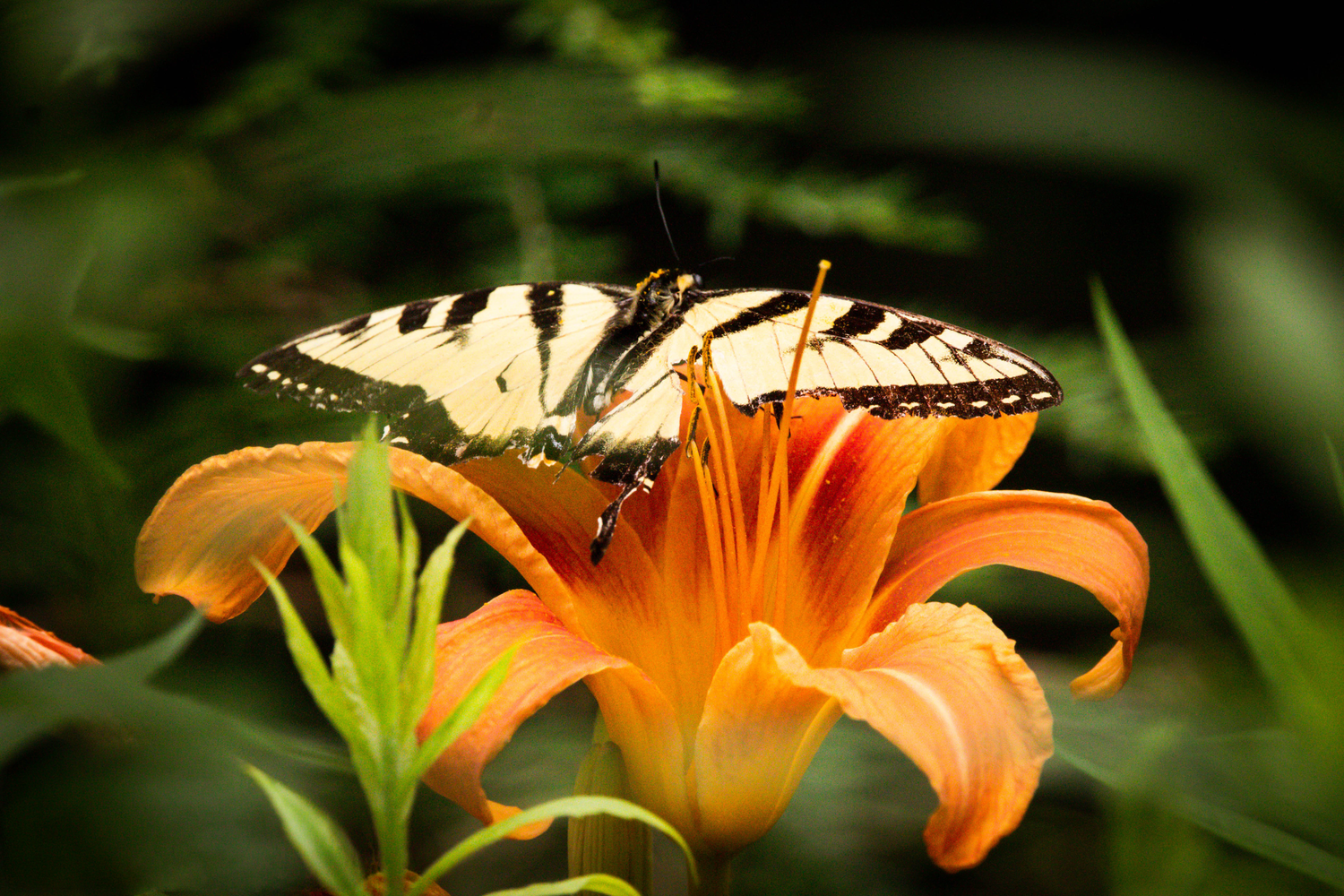
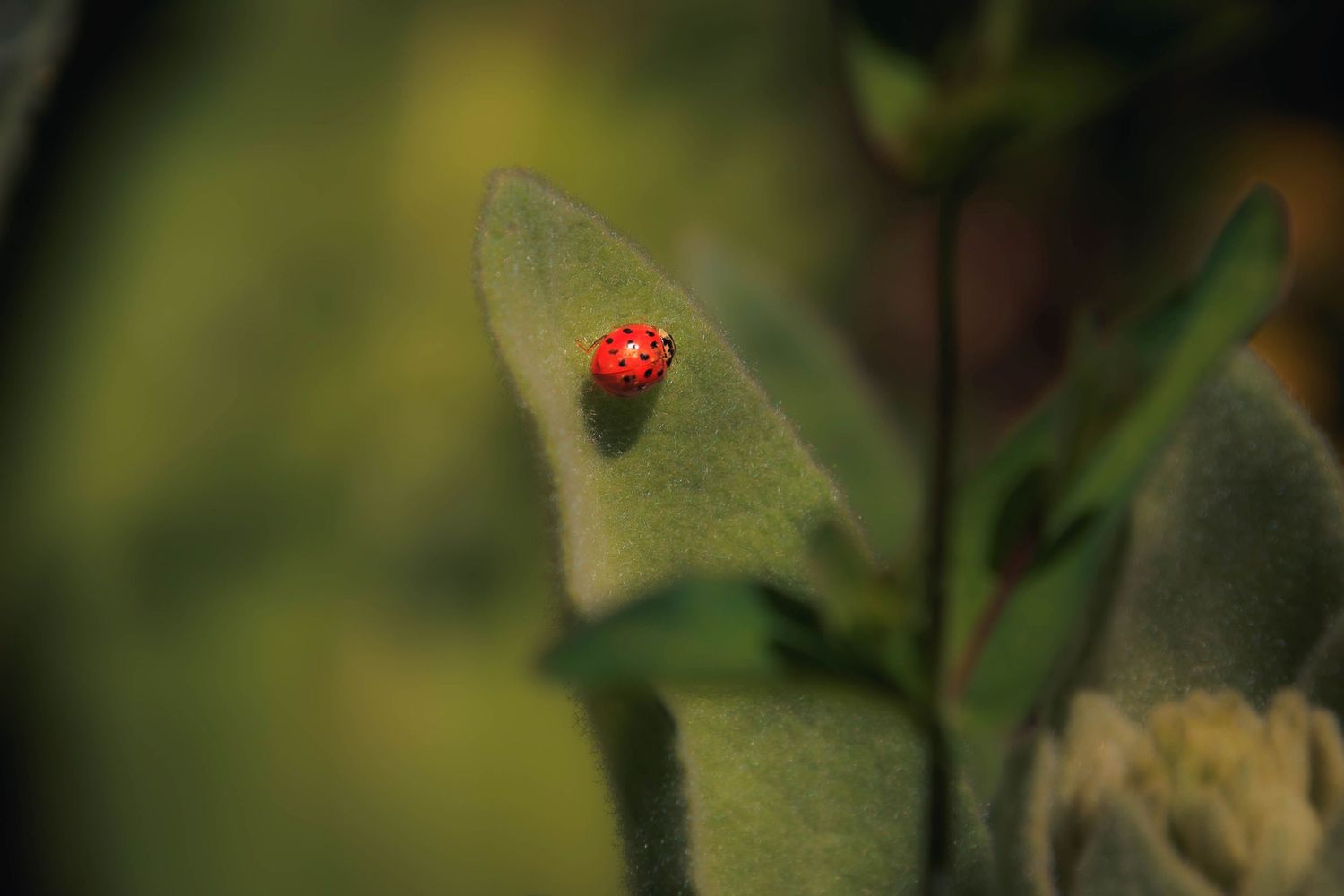
I originally purchased it mostly for bird and wildlife photography, but I quickly discovered that this lens can do so much more. I’ve used it for birds, planes flying overhead, the Moon, insects, and anything else that makes me stop and think, I wonder how close I can get to that?
If you’ve been considering adding a telephoto zoom lens to your camera bag, here are a few reasons why I’ve been enjoying the Sigma 150-600mm.
1. The Zoom Is Incredible
Obviously, the biggest reason to buy a 150-600mm lens is the zoom — and it definitely delivers.
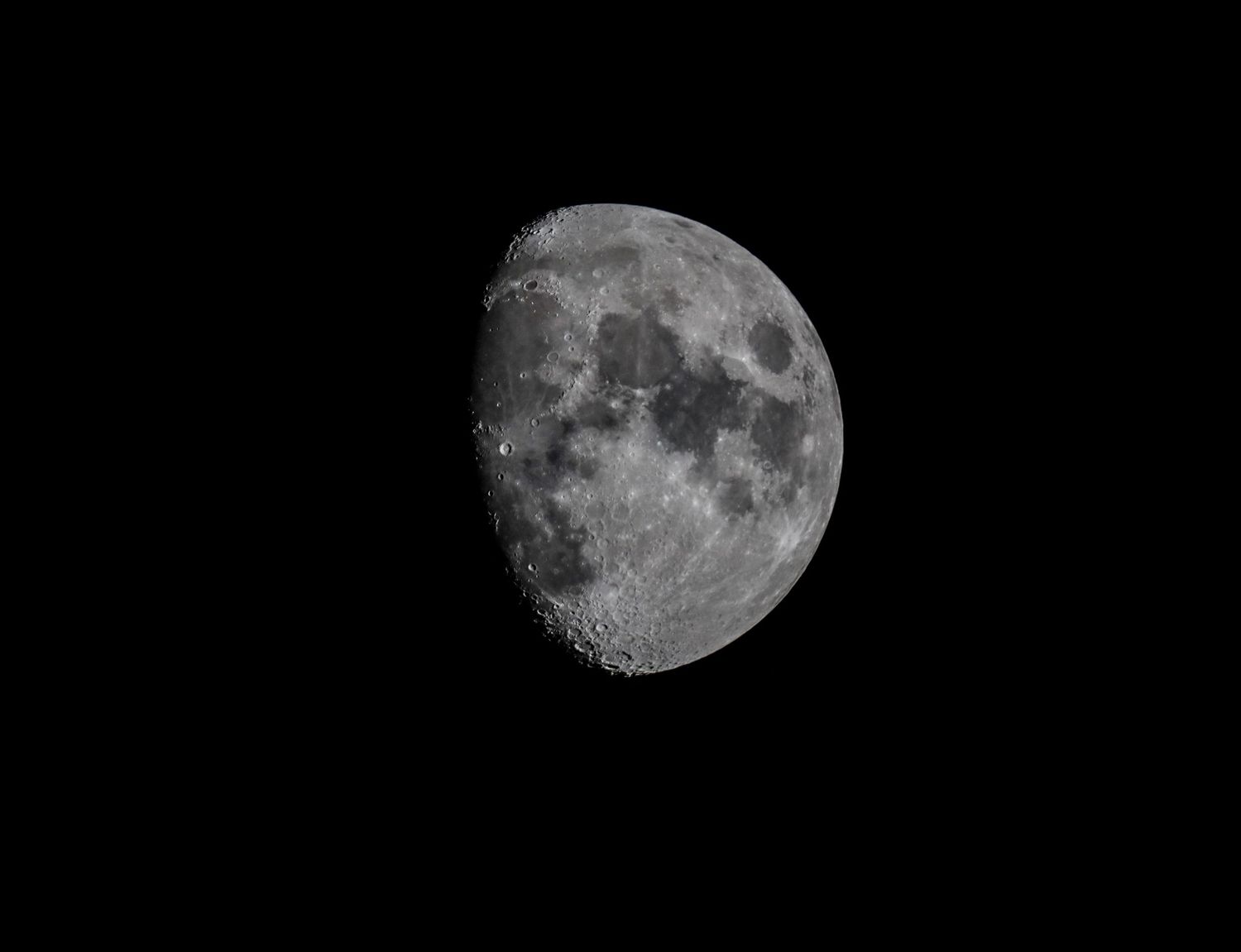
Being able to photograph details on a plane flying overhead or capture the texture and craters of the Moon is pretty incredible. When photographing birds or wildlife, that extra reach also allows you to capture your subject without having to get too close and disturb them.
There’s something really fun about photographing something that looks tiny to the naked eye and then seeing all of the detail you were able to capture through the lens.
2. The Weight Isn’t as Bad as I Expected
I’ll admit, when I first picked up the Sigma 150-600mm, my first thought was, This thing is heavy.
Coming from lightweight travel lenses, it definitely took some getting used to. At first, I was convinced I would need to use a tripod every time I wanted a sharp image.
My first few handheld photographs were definitely a little blurry.
But like most things in photography, practice makes a huge difference.
After spending more time with the lens, I became much more comfortable shooting handheld. My photos got sharper — and apparently my arms and back got stronger too!
A monopod or tripod can still be helpful, especially if you plan on photographing for a long period of time, but I was pleasantly surprised by how manageable the lens became once I got used to it.
3. The Autofocus Is Fast
I’ll admit something: I don’t always trust autofocus.
There have been plenty of times when my camera seems determined to focus on a branch, leaf, fence, or literally anything except the subject I’m trying to photograph.
With the Sigma, however, I’ve been really impressed with how quickly the autofocus responds.
This is especially helpful when photographing birds, wildlife, or planes because your subject usually isn’t going to sit perfectly still while you figure out your focus.
Being able to lock onto a subject quickly can make the difference between getting the shot and watching it disappear.
4. The Image Clarity Is Terrific
Zoom is great, but it doesn’t mean much if the final photograph isn’t sharp.
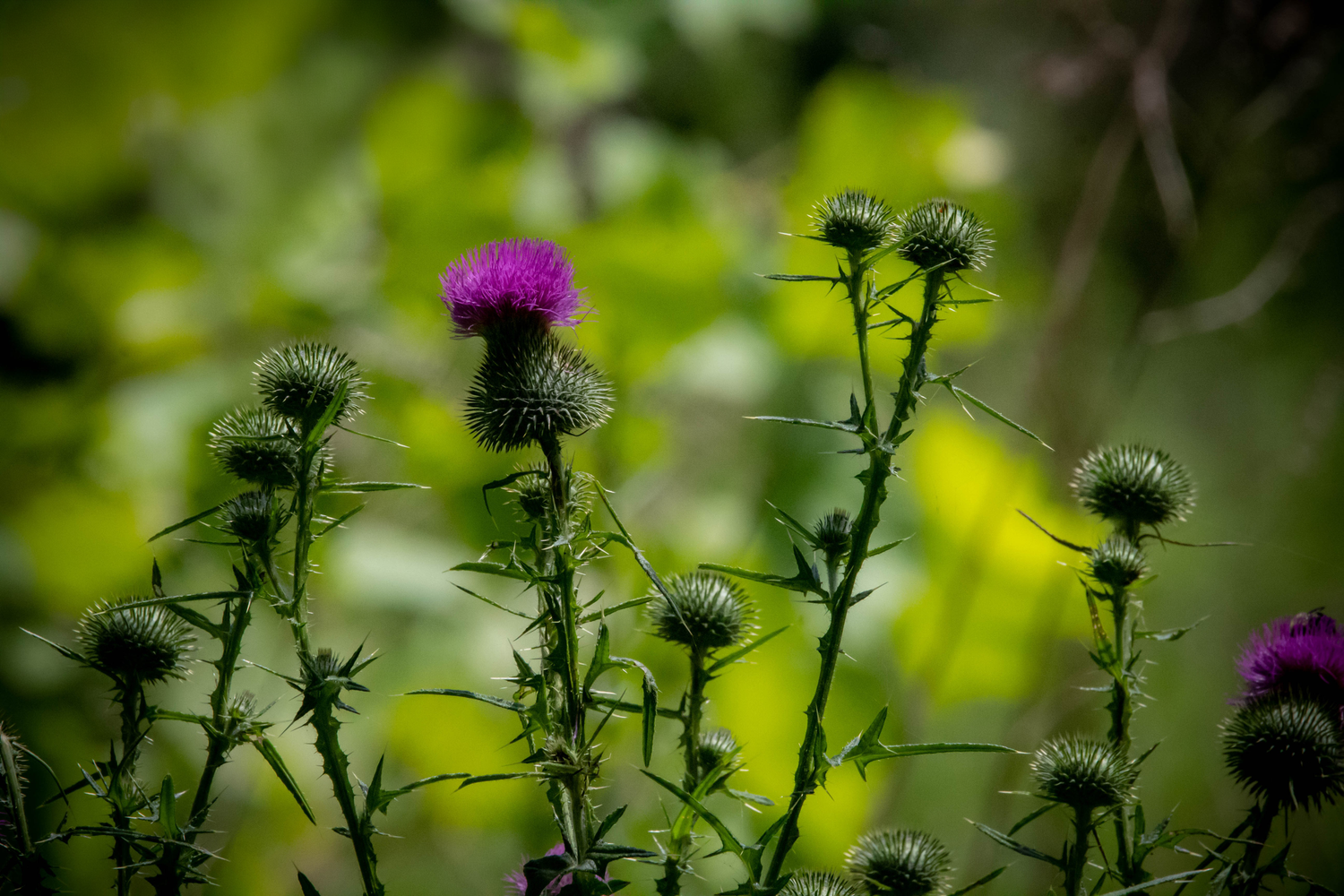
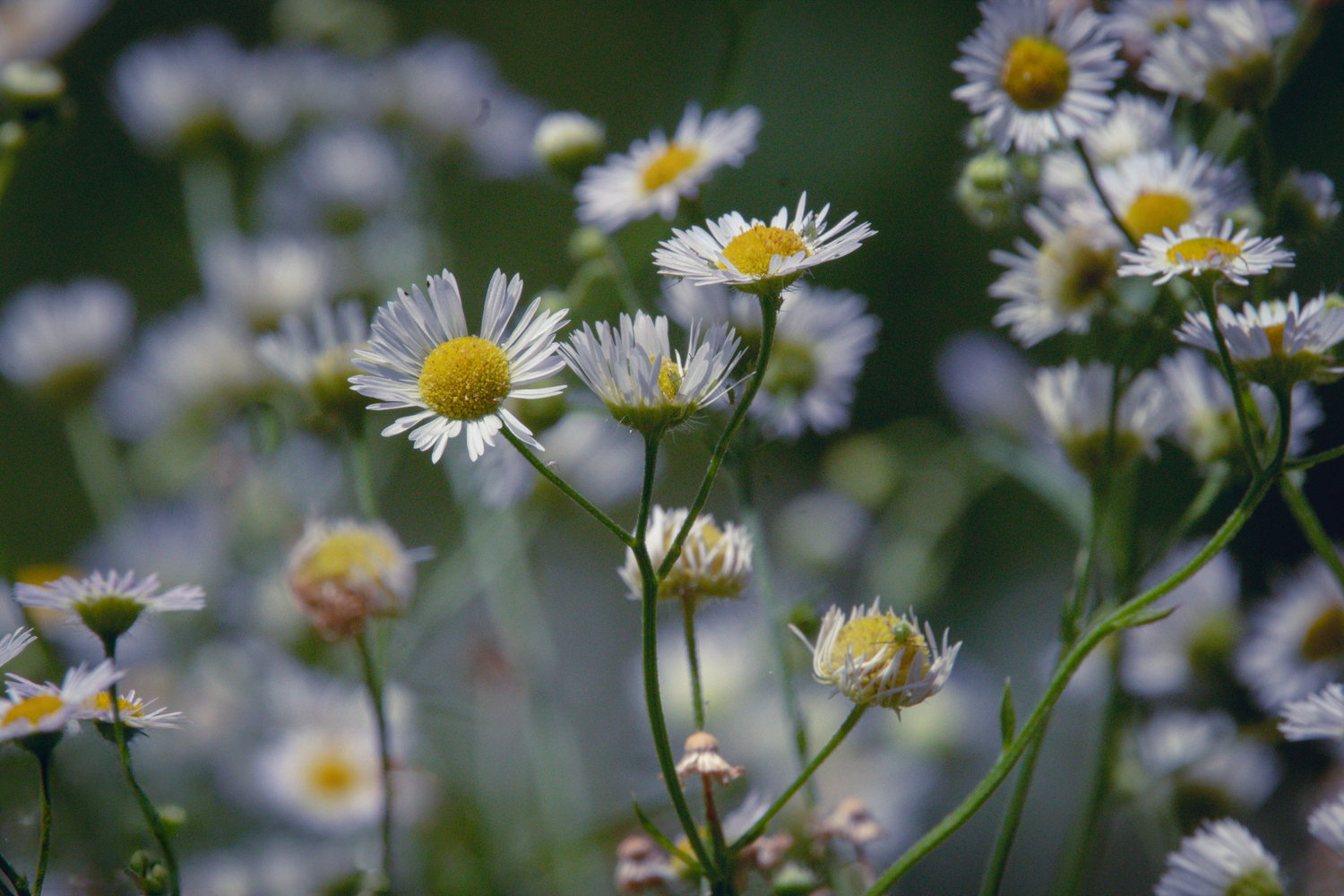
One of the things that has impressed me most about the Sigma 150-600mm is the image quality. Being able to combine distance with good detail makes this lens especially useful for wildlife, birding, sports, aviation, and even some creative nature photography.
There is something incredibly satisfying about zooming in on an image afterward and realizing you captured details you couldn’t even see while taking the photograph.
5. It Offers a Lot for the Price
Telephoto lenses can get expensive very quickly, especially once you start looking at longer focal lengths.
That was another reason the Sigma caught my attention.
For the amount of reach and versatility it offers, the 150-600mm is surprisingly approachable compared with many other long telephoto lenses.
Depending on the version, camera mount, and whether you purchase new or used, there are often some great options available without getting into the price range of professional super-telephoto prime lenses.
For photographers who want to experiment with birding, wildlife, aviation, sports, or astrophotography without spending several thousand dollars on a lens, it can be a great option to consider.
More Than Just a Birding Lens
So far, I’ve been extremely happy with the Sigma 150-600mm.
I originally thought of it as my birding lens, but it has quickly become one of those lenses that makes me look for new things to photograph. Suddenly I’m paying more attention to planes overhead, birds sitting on distant branches, insects outside the studio, and even the Moon on a clear night.
And that might be my favorite thing about getting a new piece of photography equipment.
Sometimes a new lens doesn’t just change the photographs you take — it makes you start looking at the world a little differently.
If you’ve been considering adding a telephoto zoom lens to your camera bag, the Sigma 150-600mm is definitely one worth checking out. For me, the combination of reach, image quality, autofocus, versatility, and price has made it a very welcome addition to my collection.
Now I just need to convince myself that I don’t need another lens. ..... At least for a little while.
📸❤️🌻