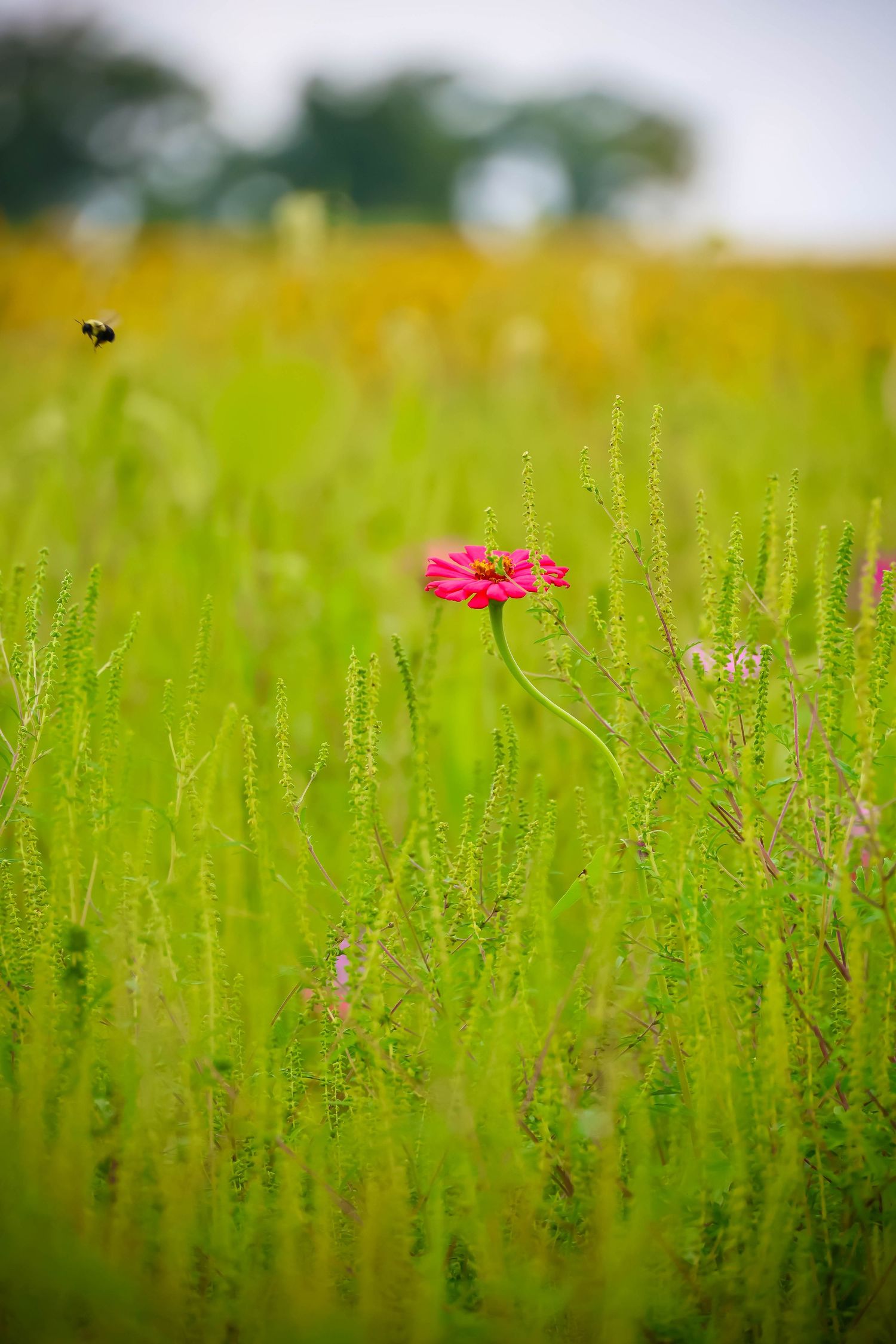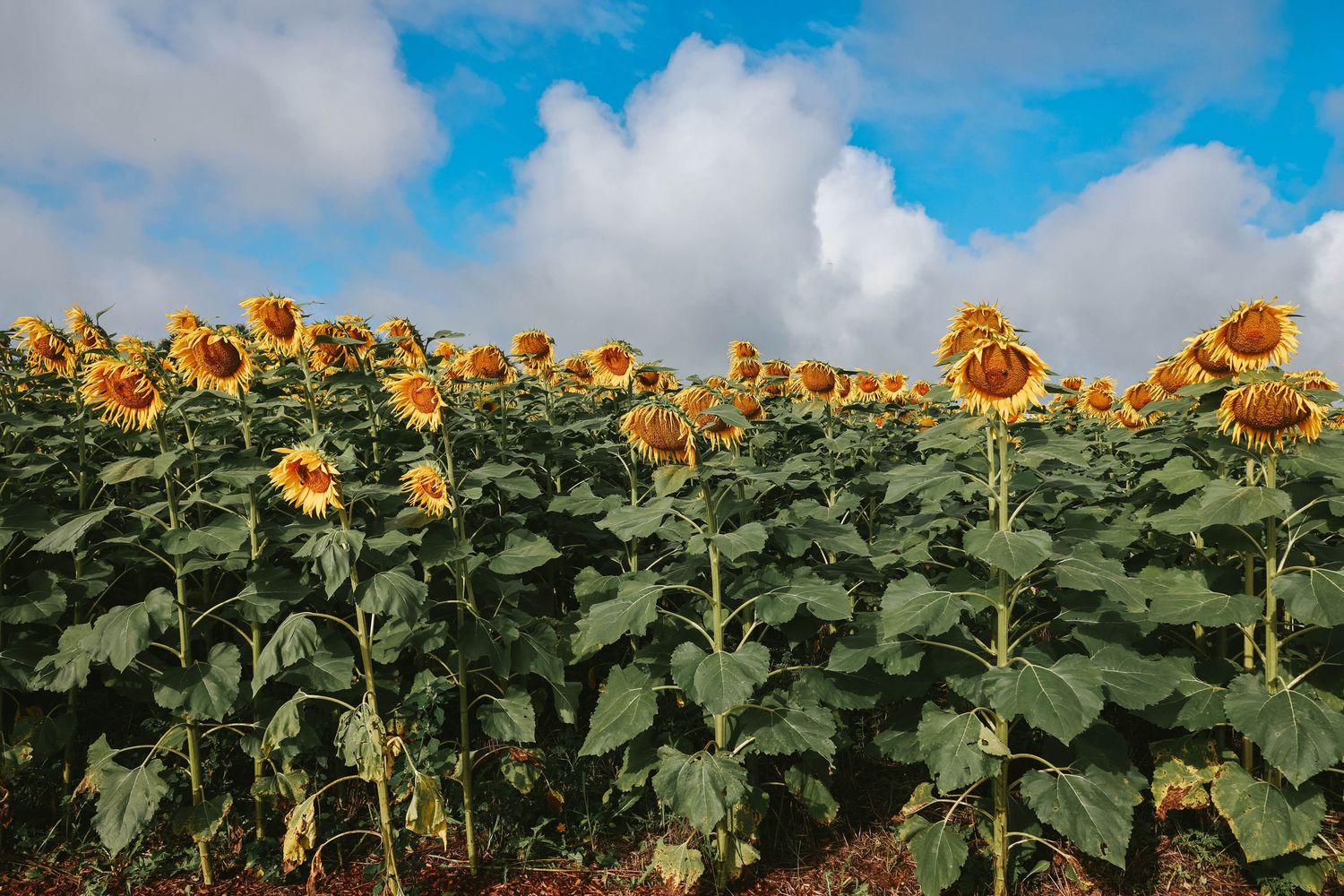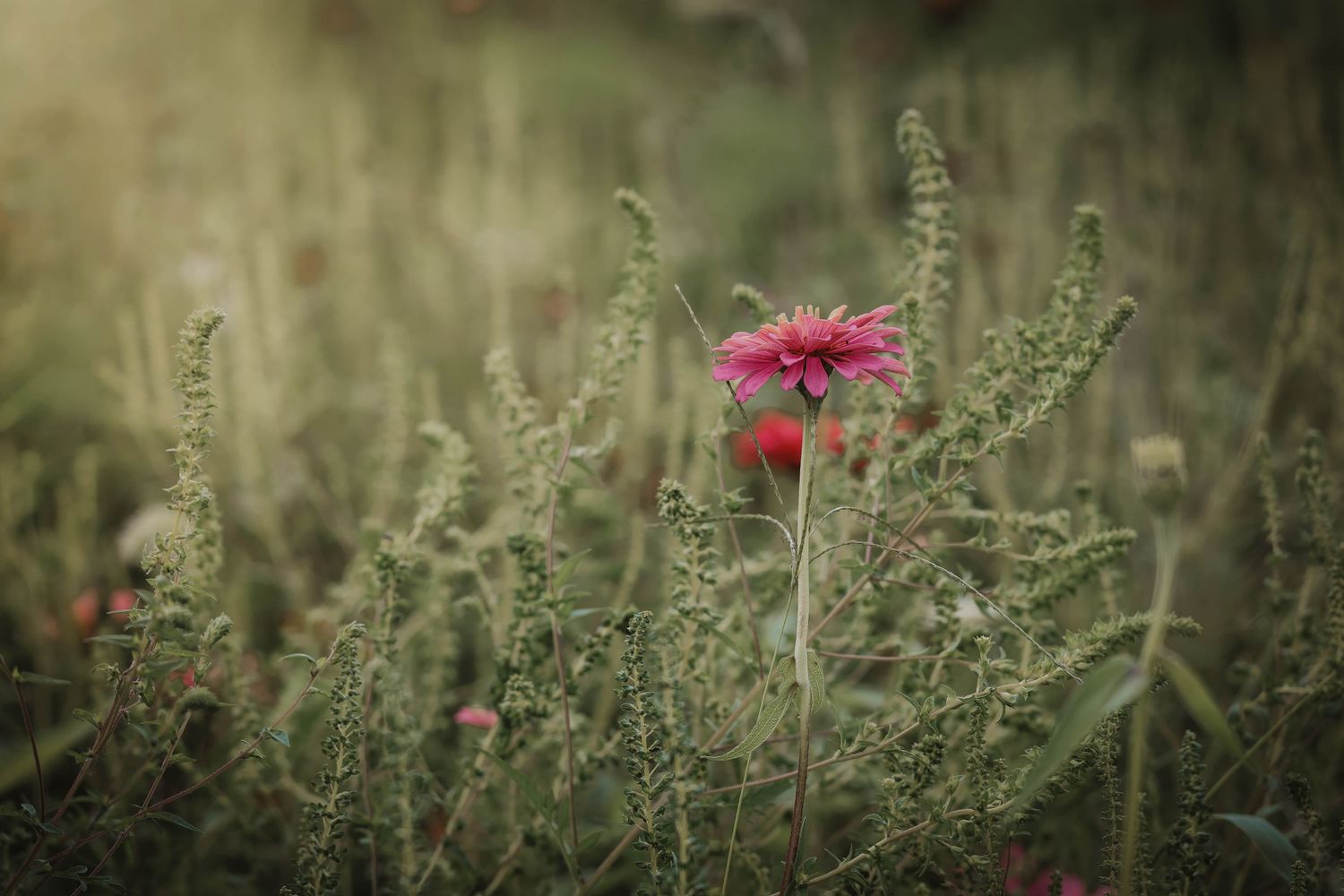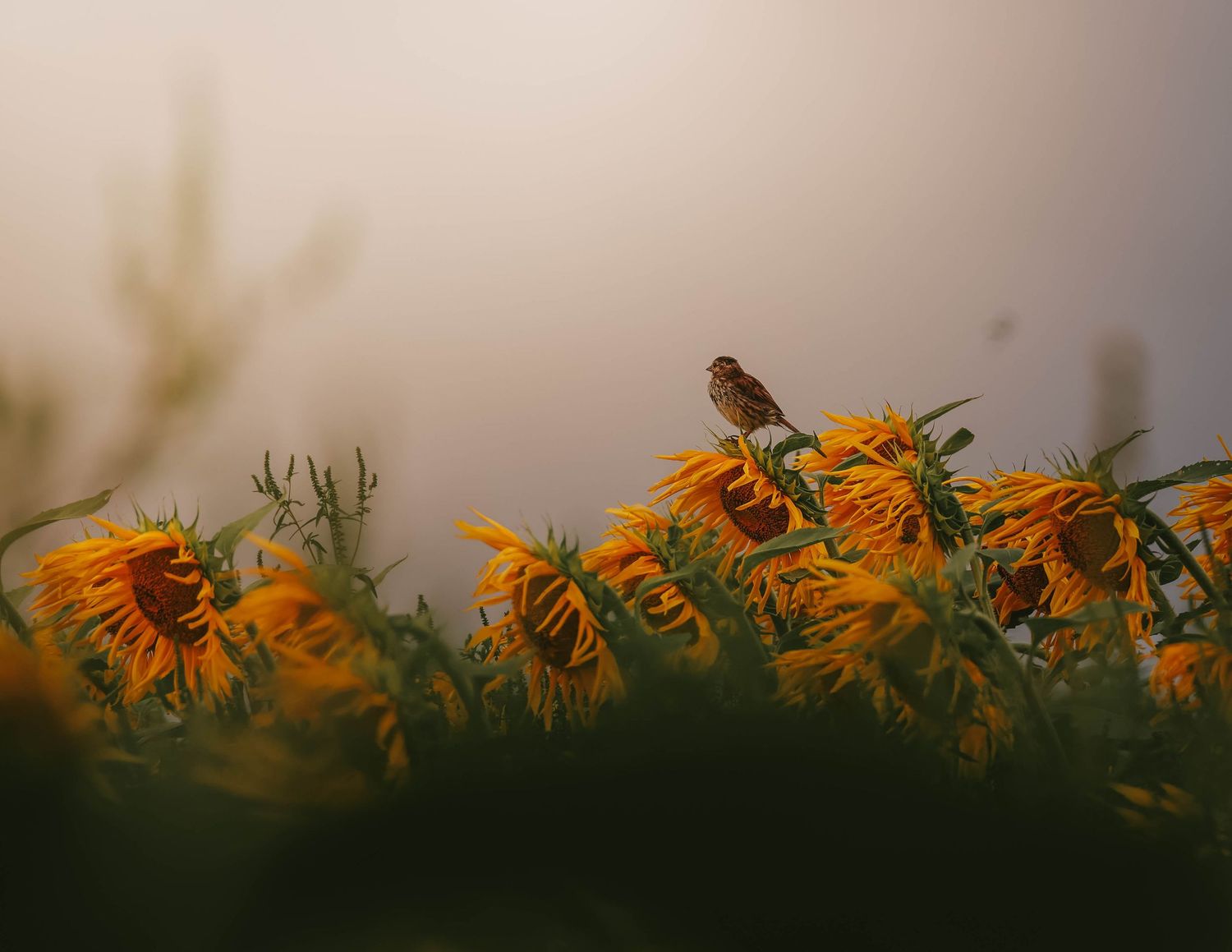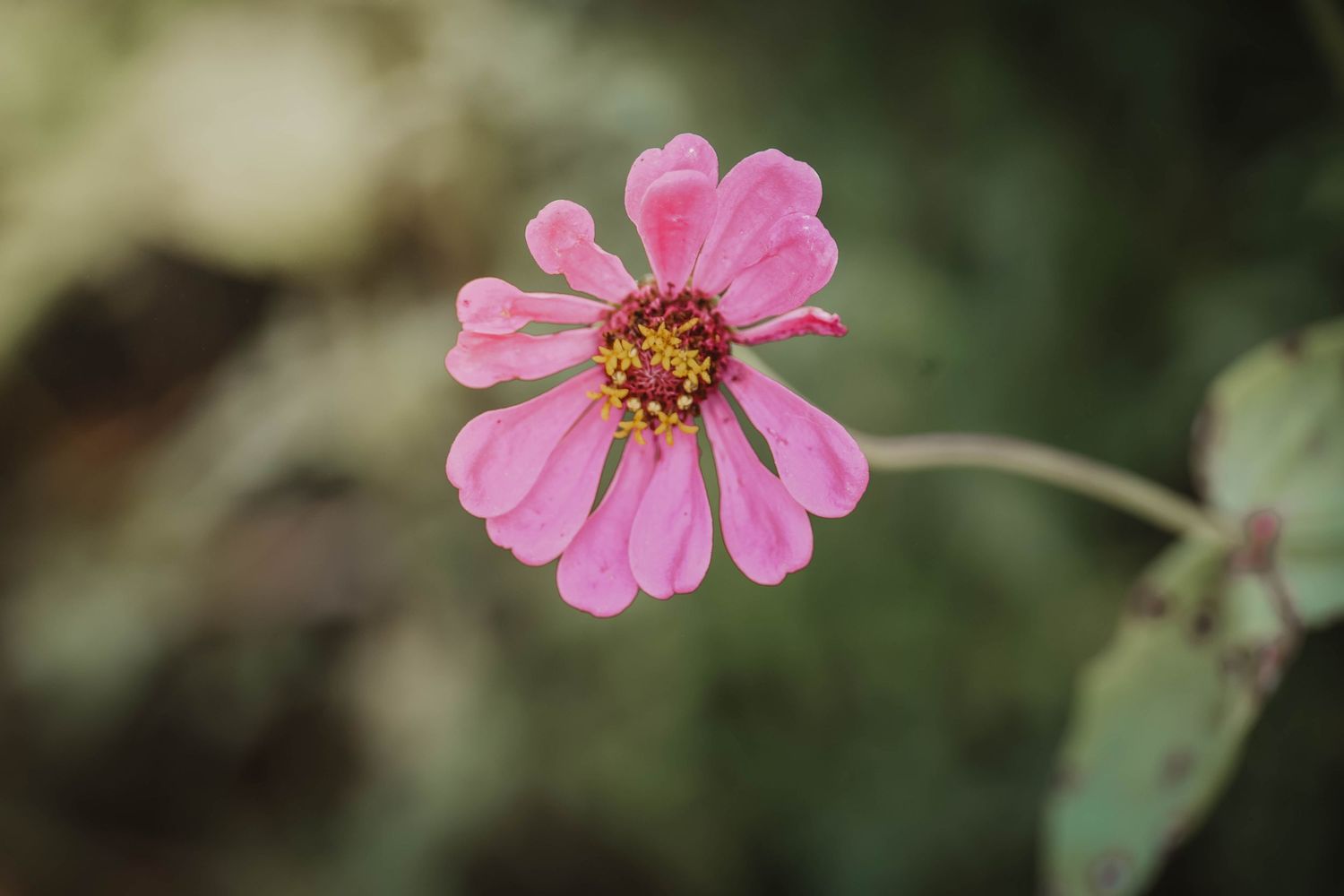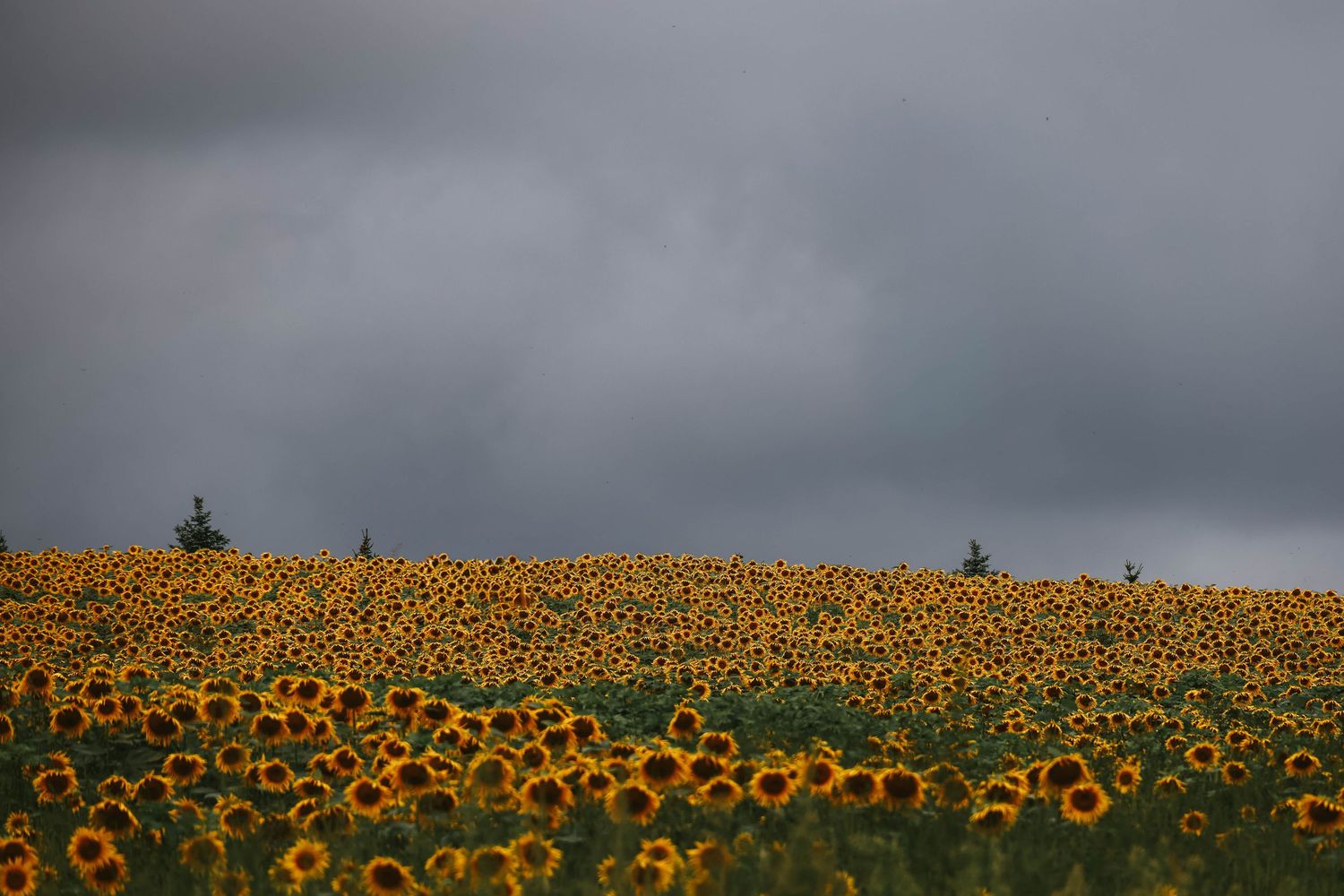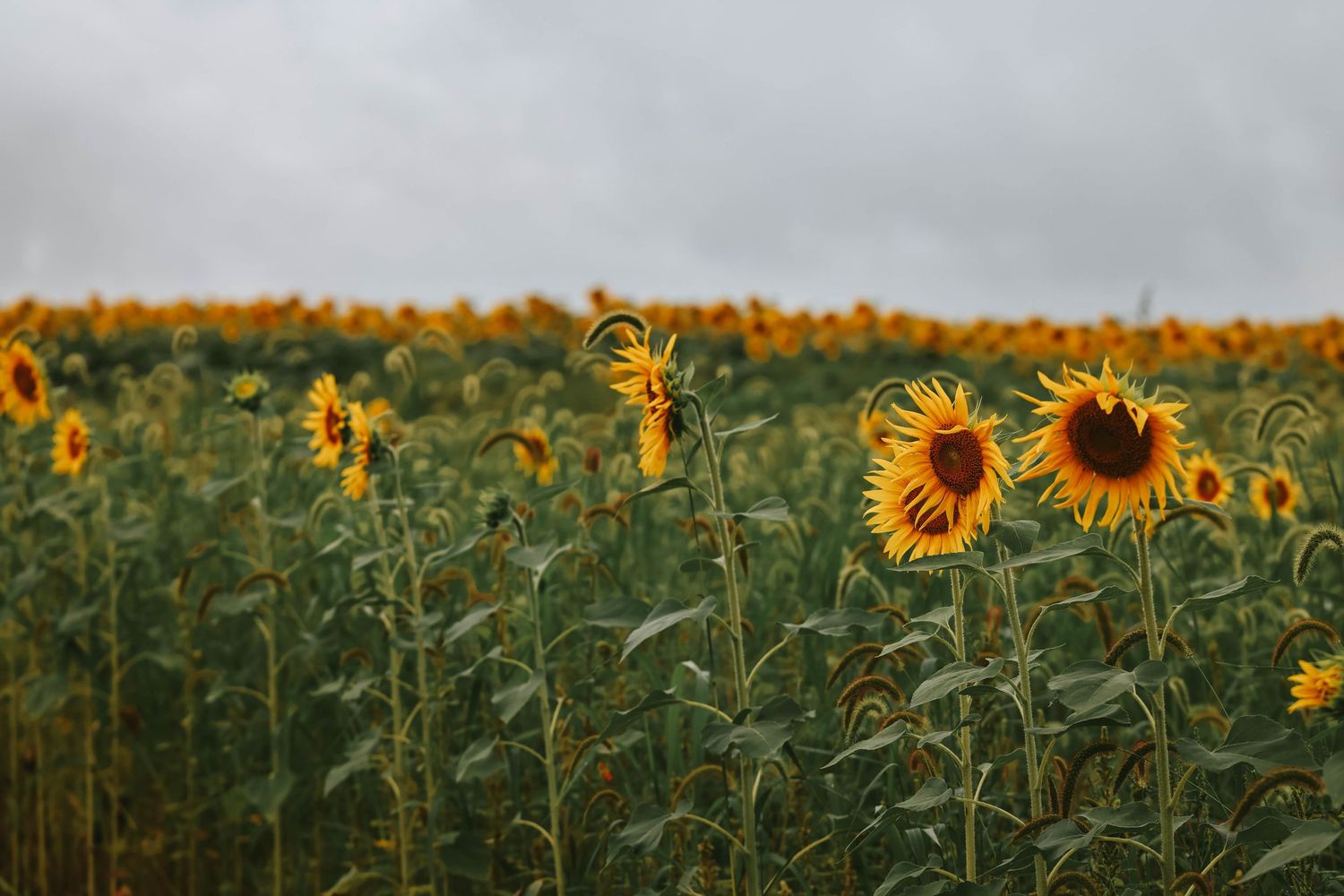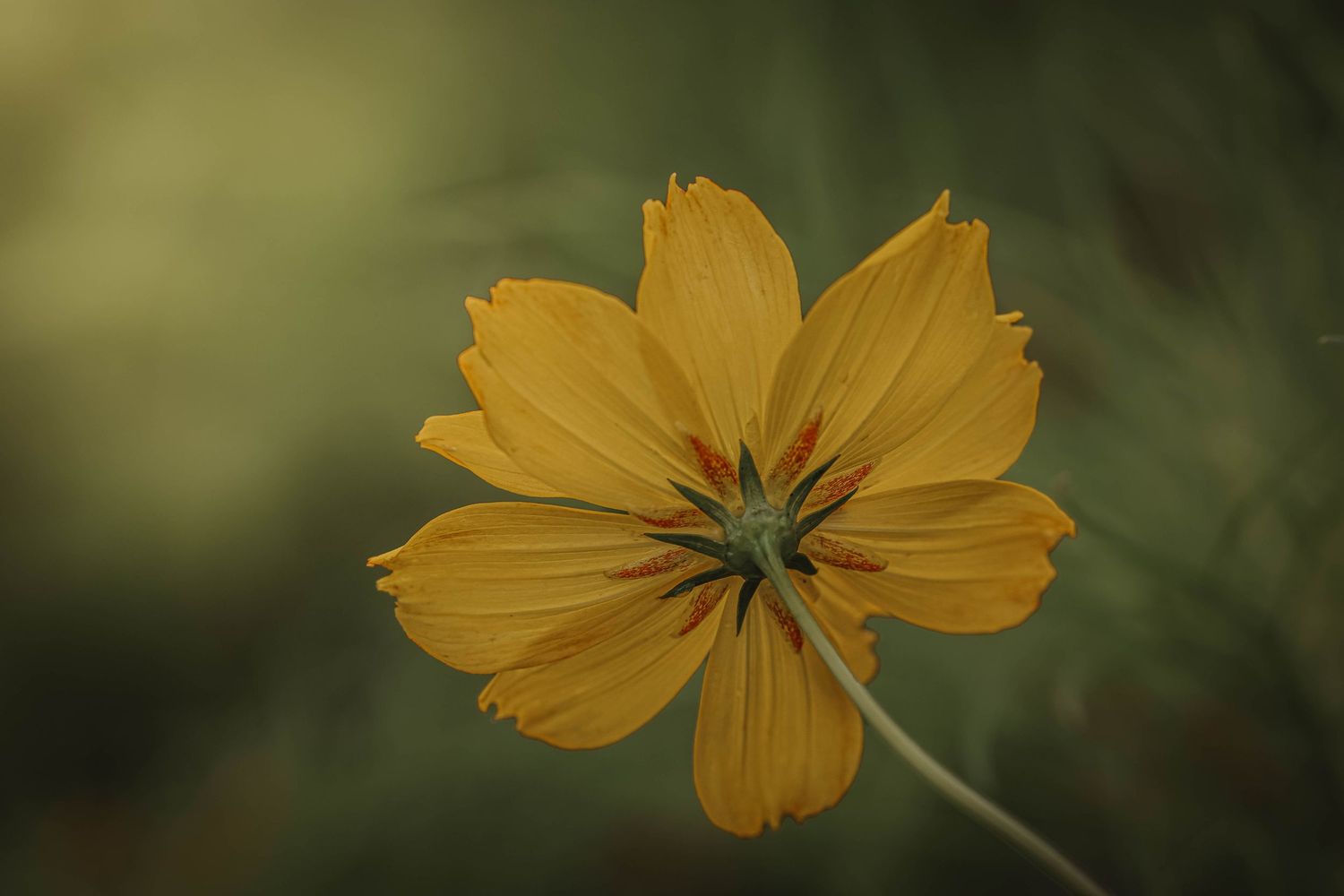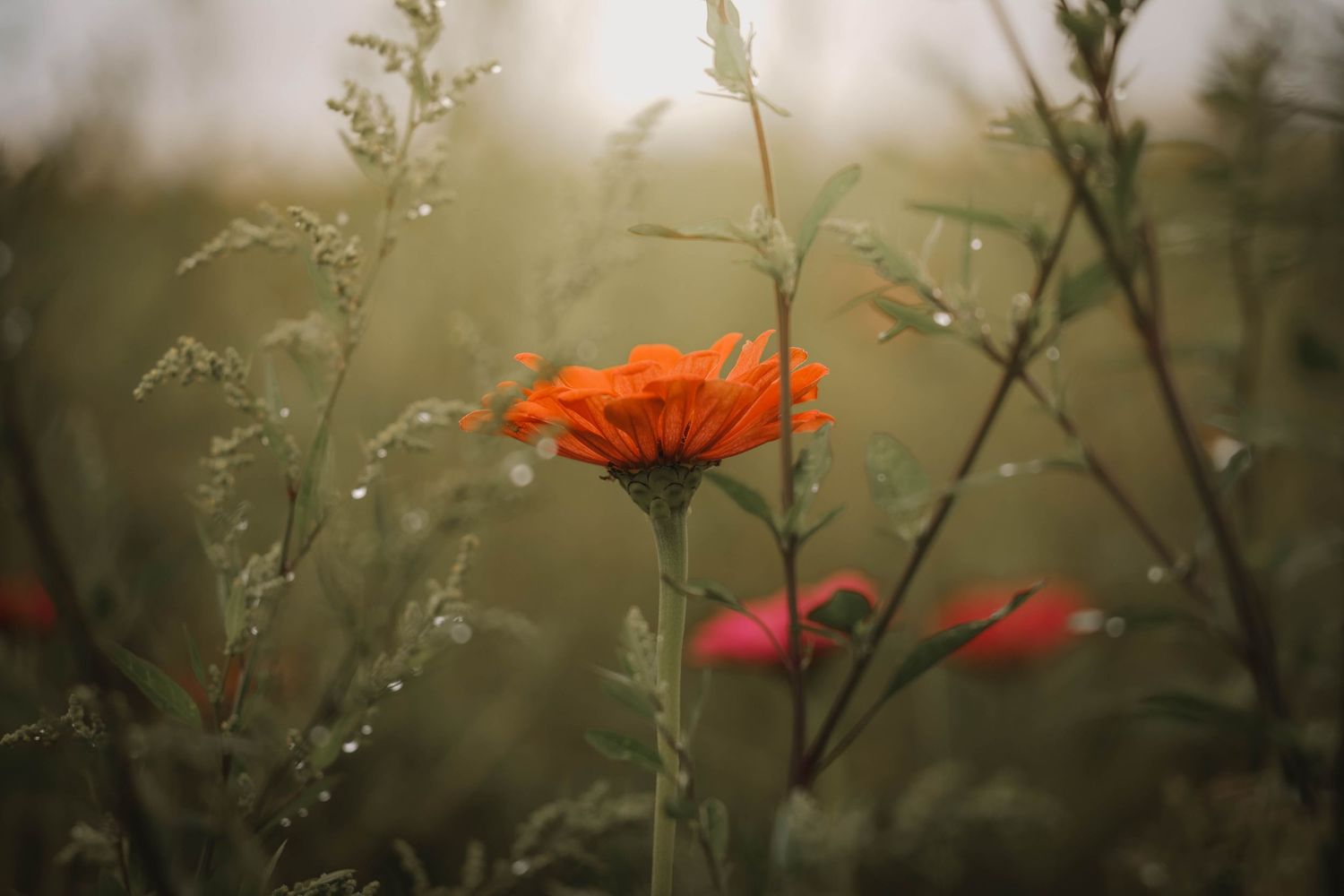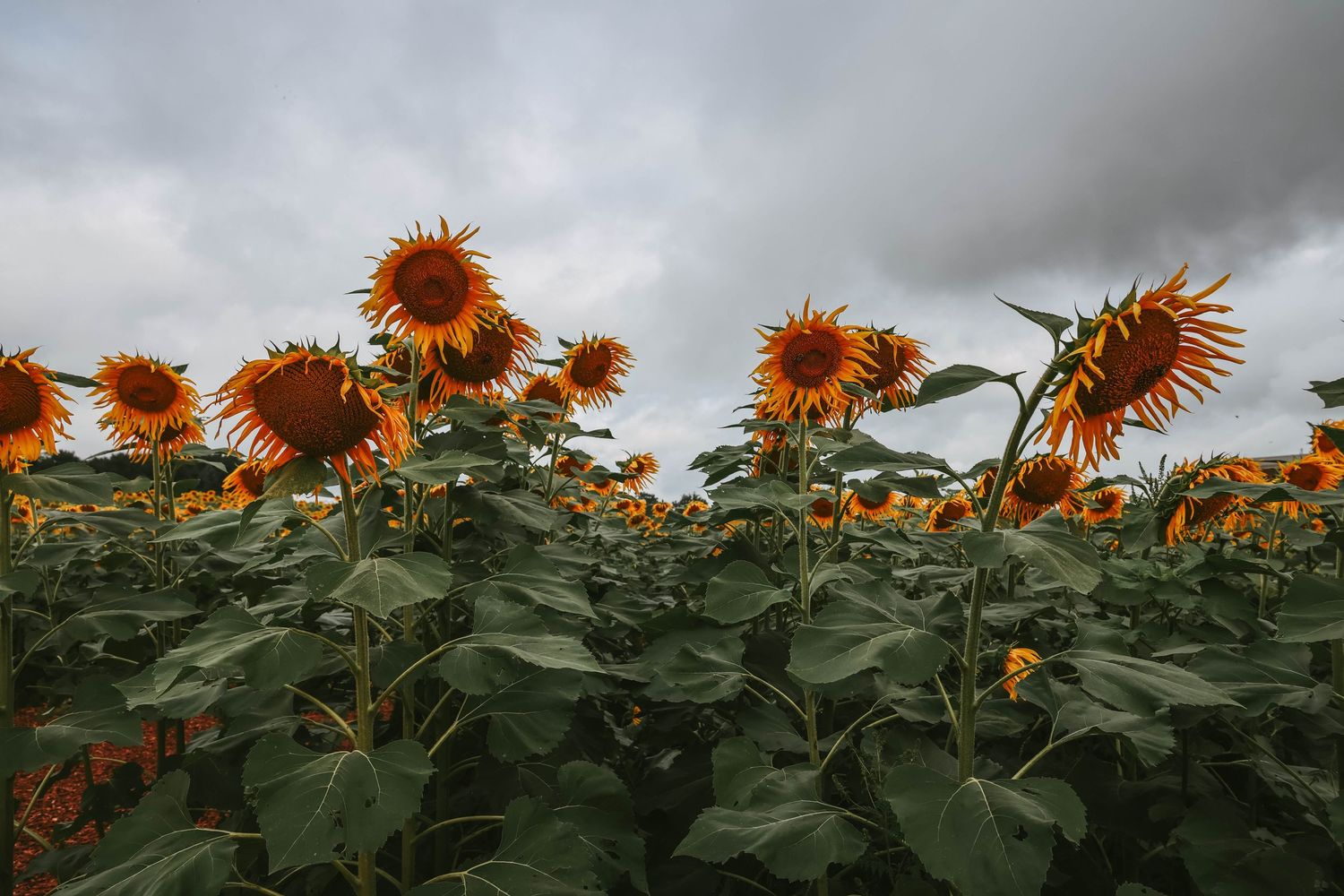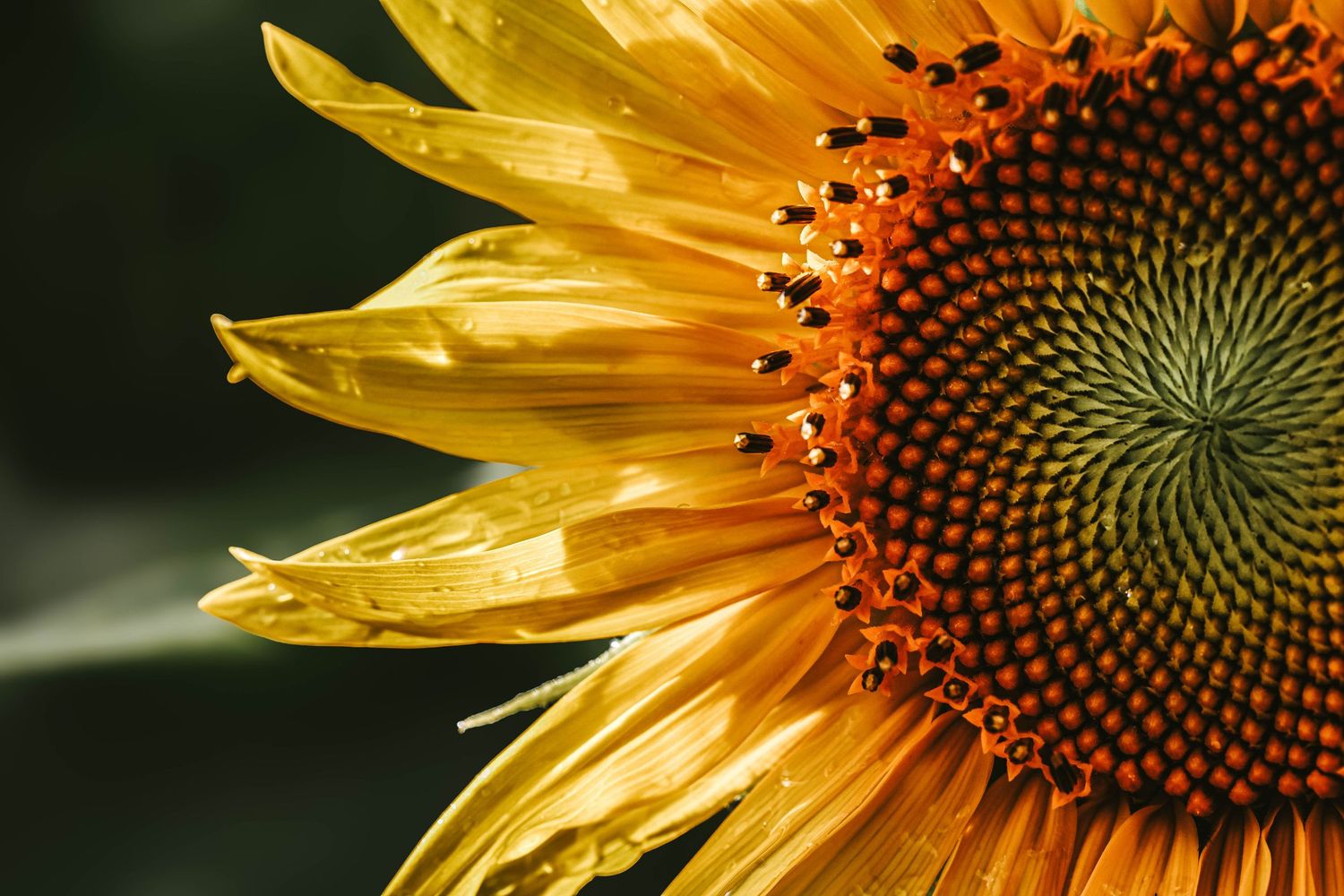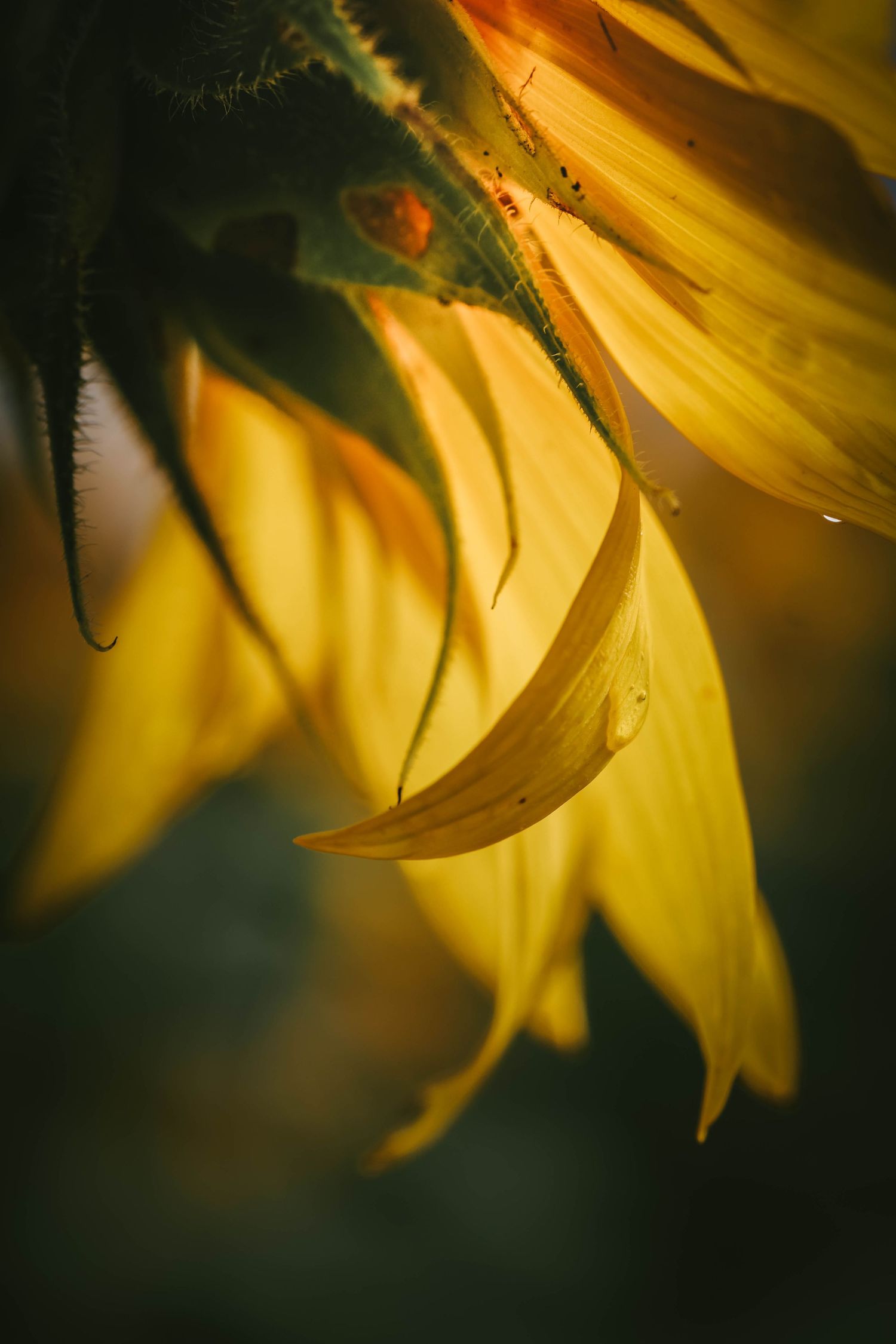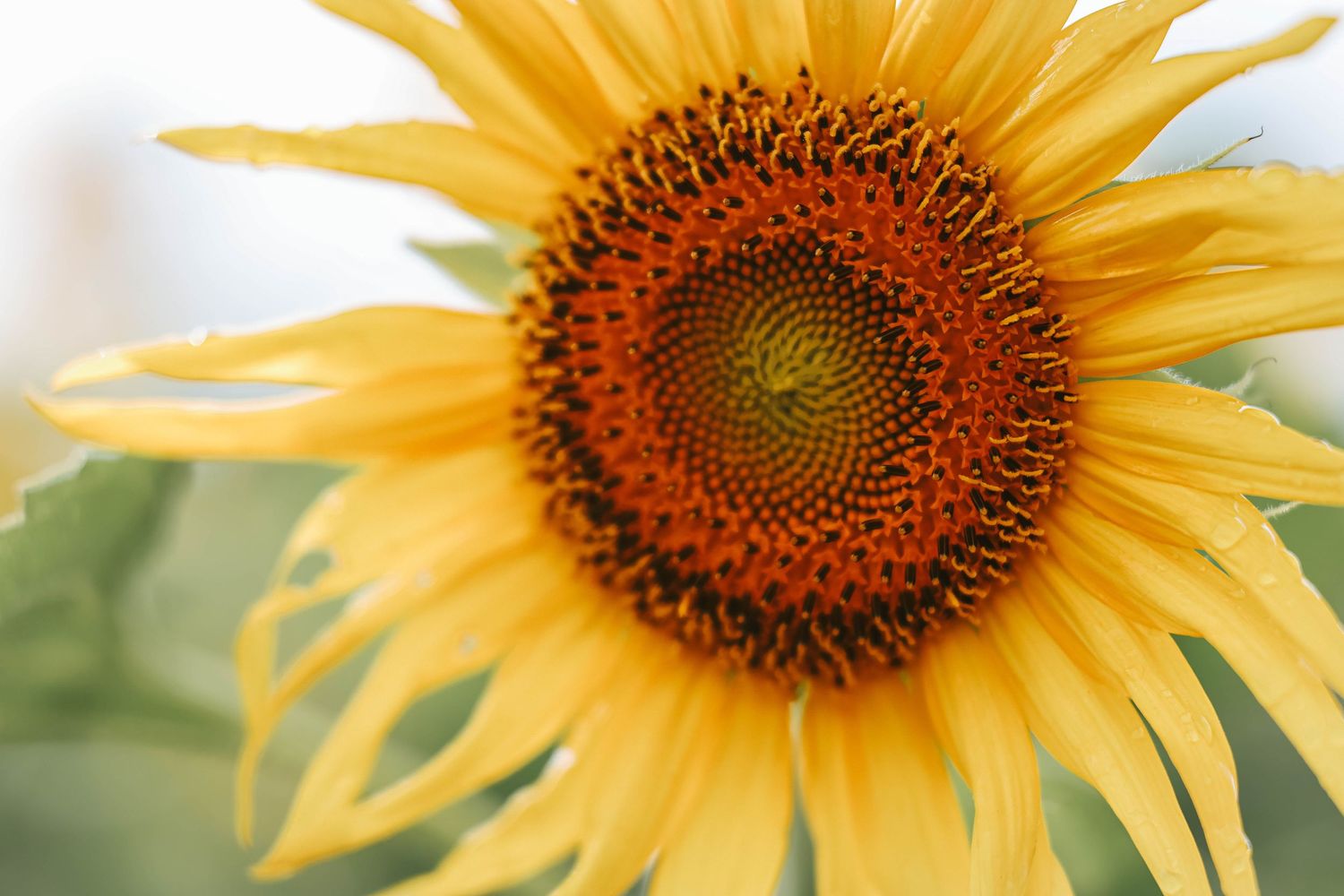
There is something about a sunflower field that makes it almost impossible to walk through without lifting your camera.
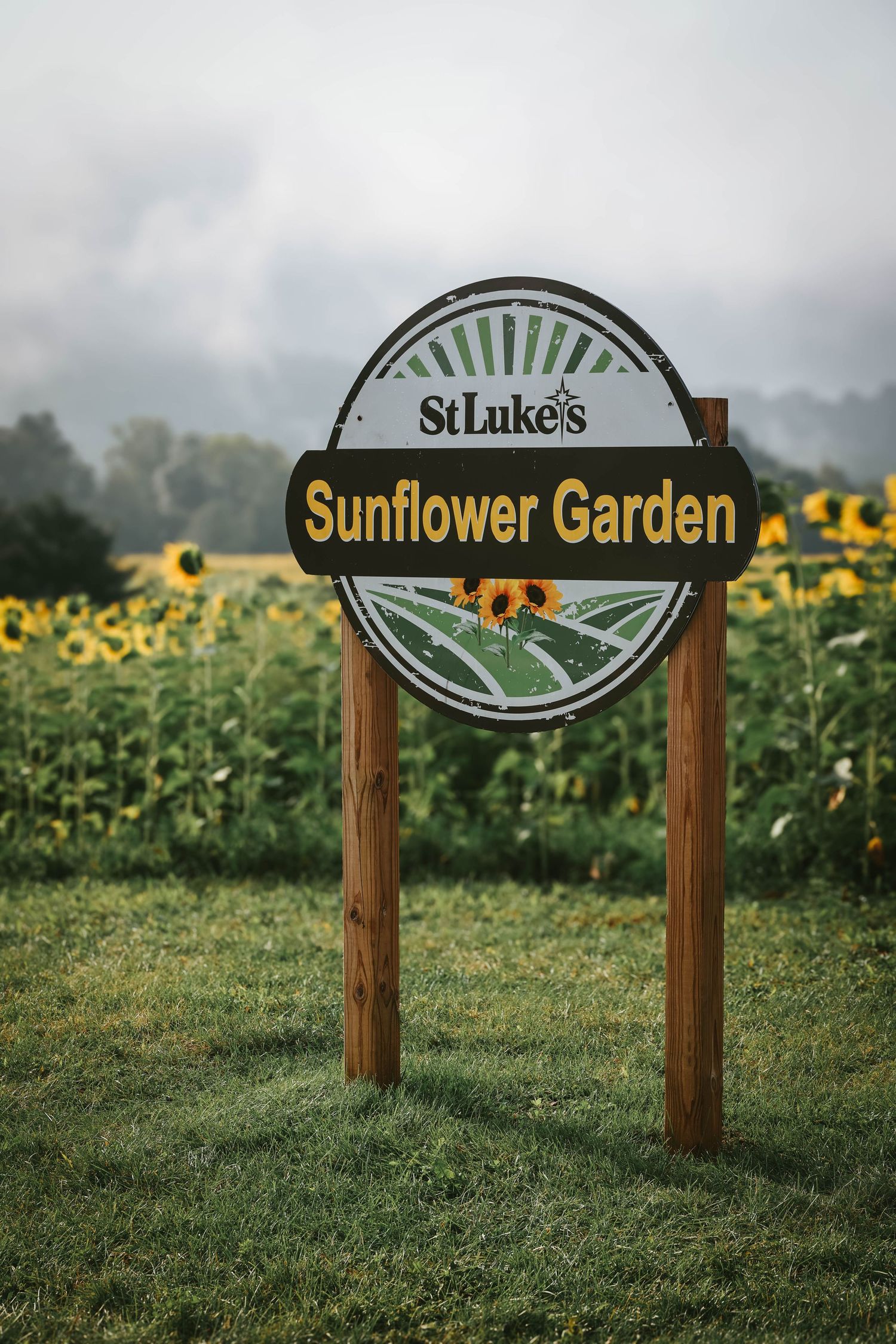
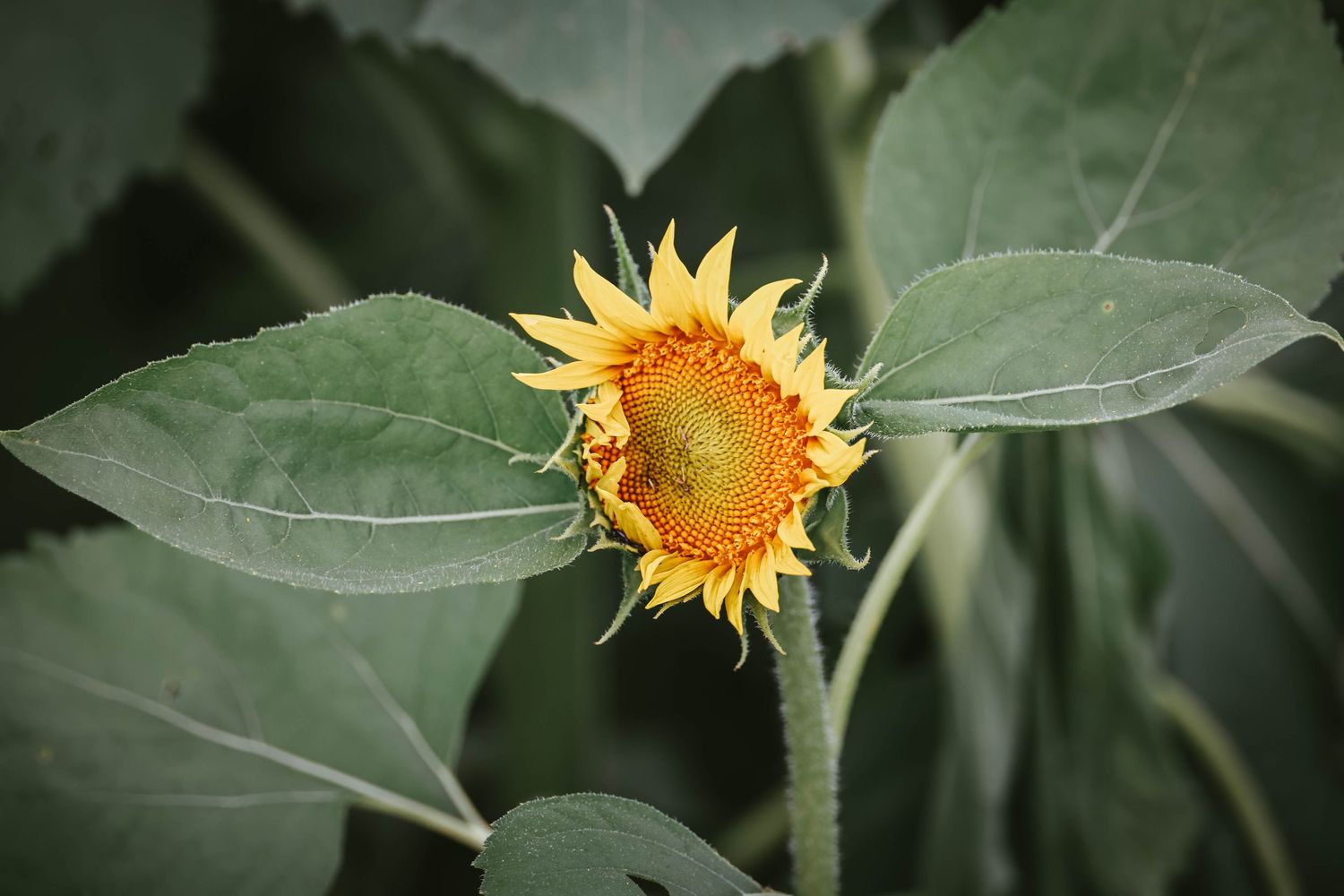
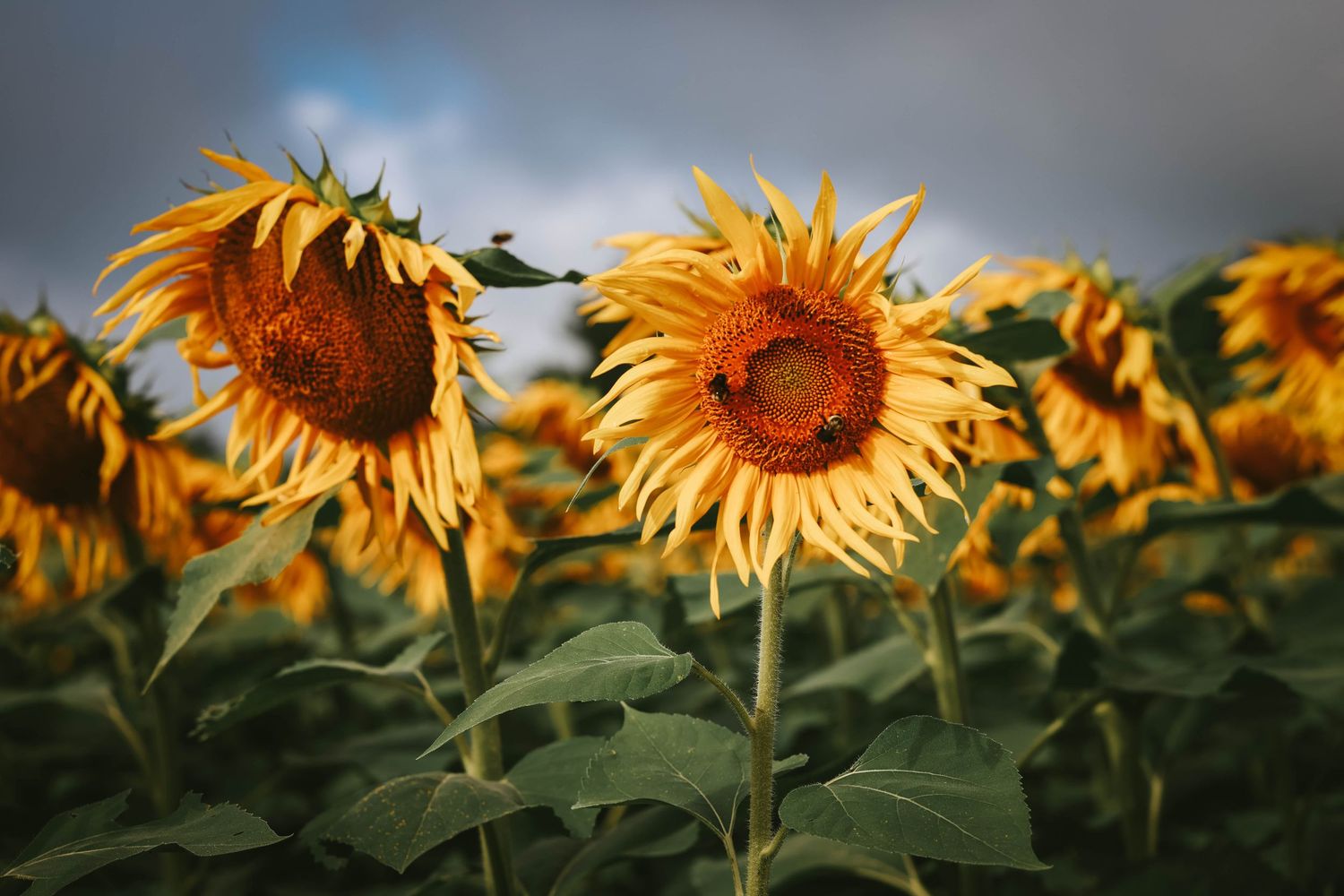
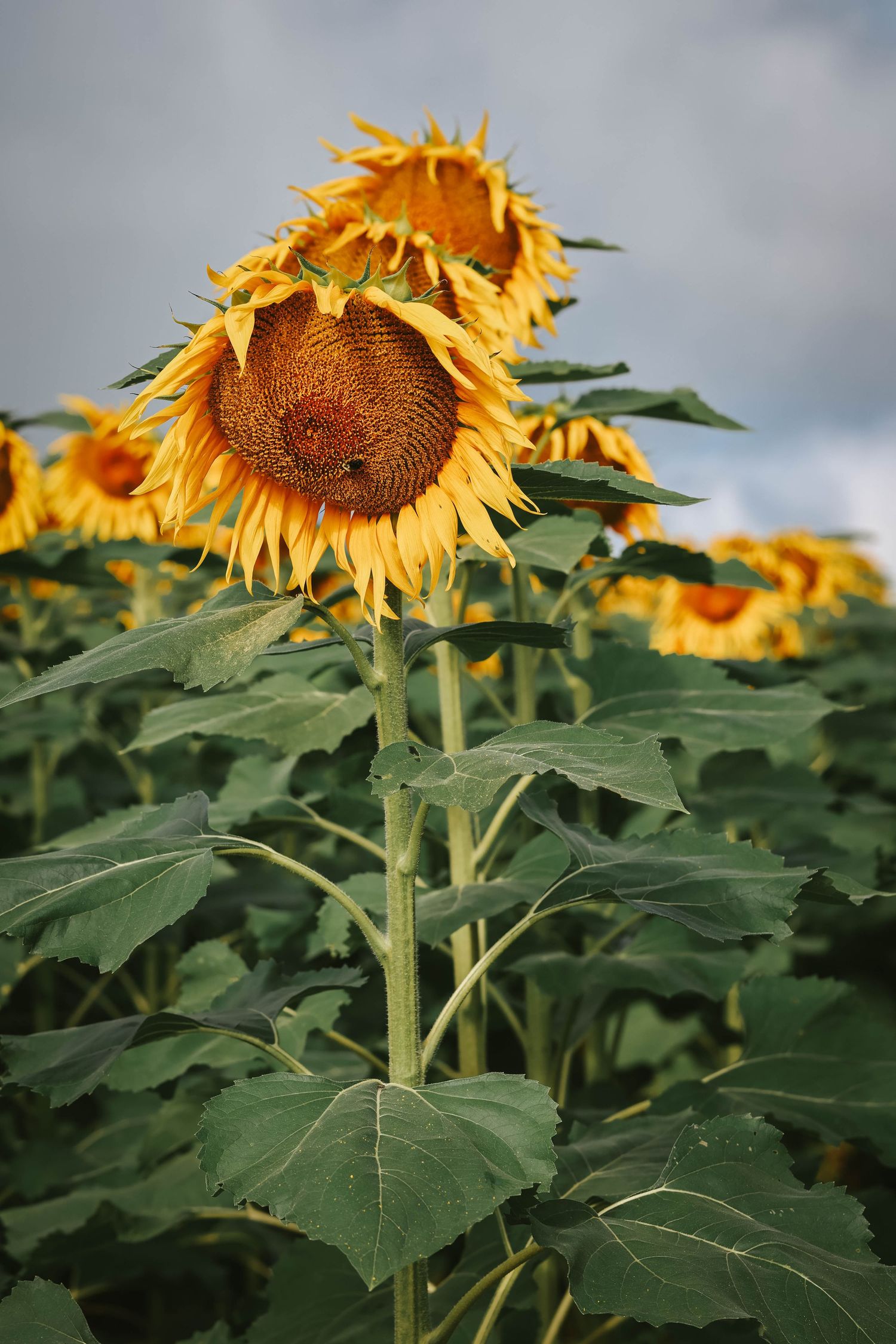
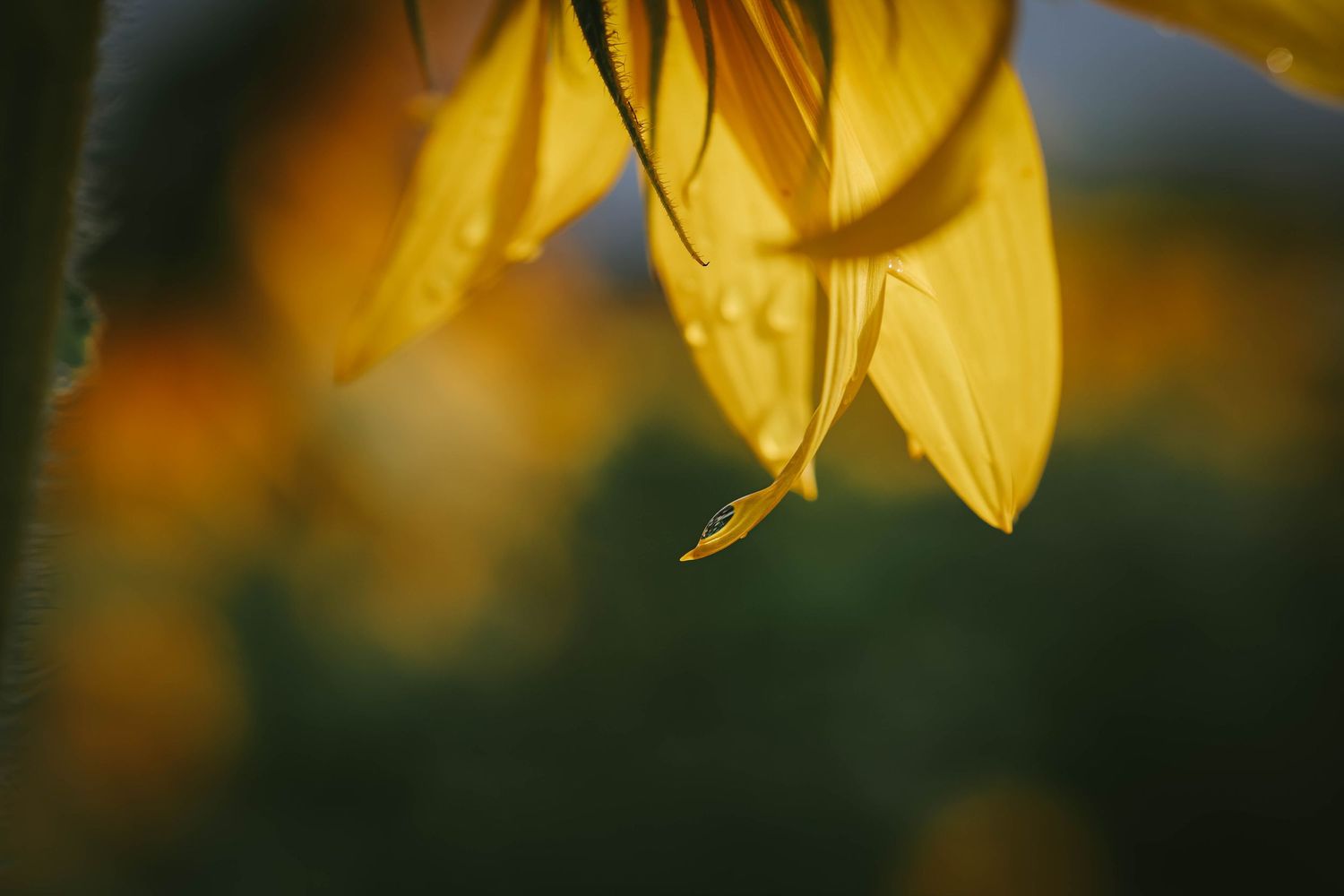
This summer, I spent some time photographing the sunflower fields at **St. Luke’s Anderson Campus in Easton, Pennsylvania**, and what started as a simple walk through the flowers quickly turned into one of those outings where I kept finding something new to photograph around every corner. Wide landscapes, individual blooms, bees gathering pollen, tiny drops of water hanging from petals, dramatic skies, backlighting—the possibilities were everywhere.
And the sunflowers are only part of the story.
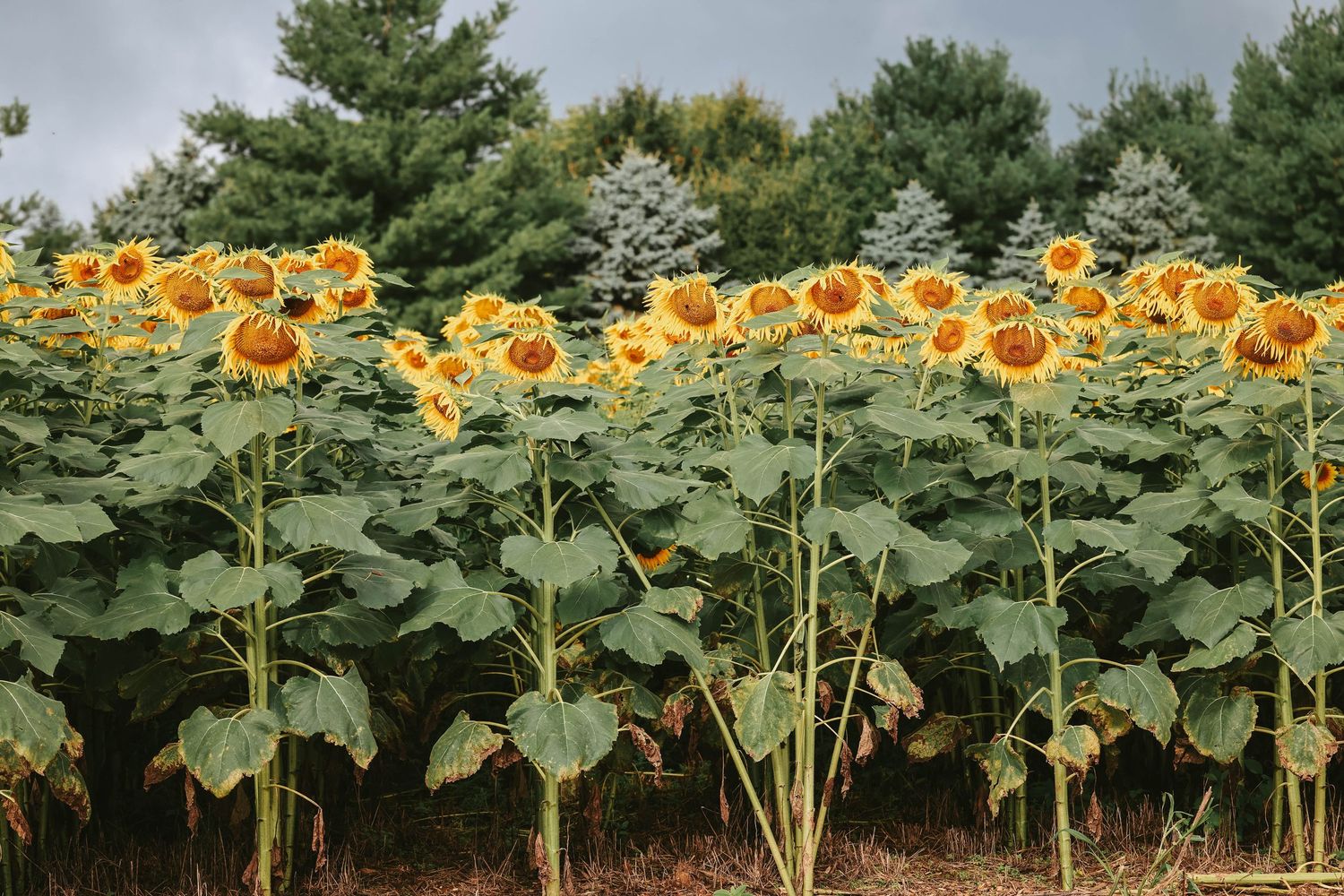
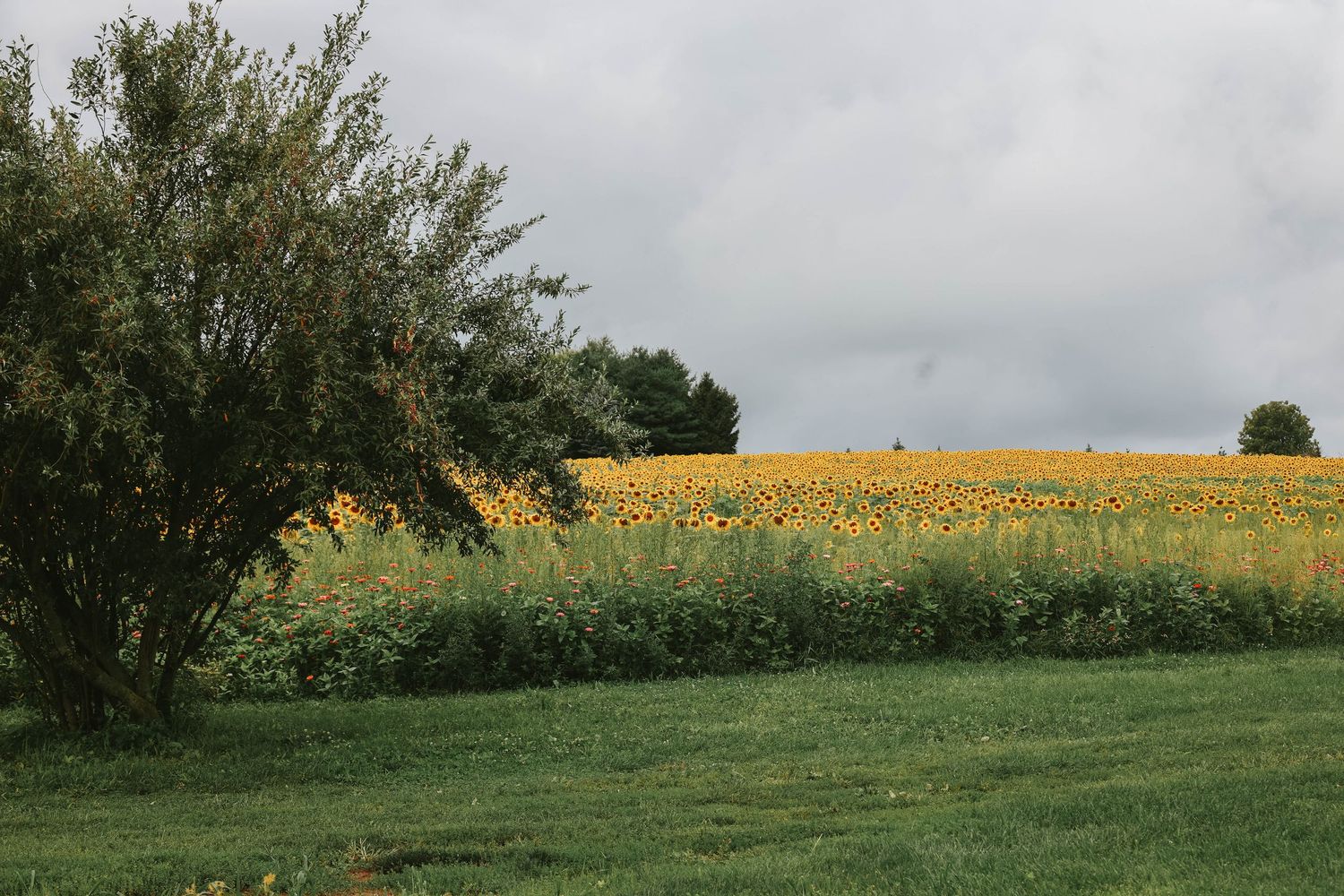
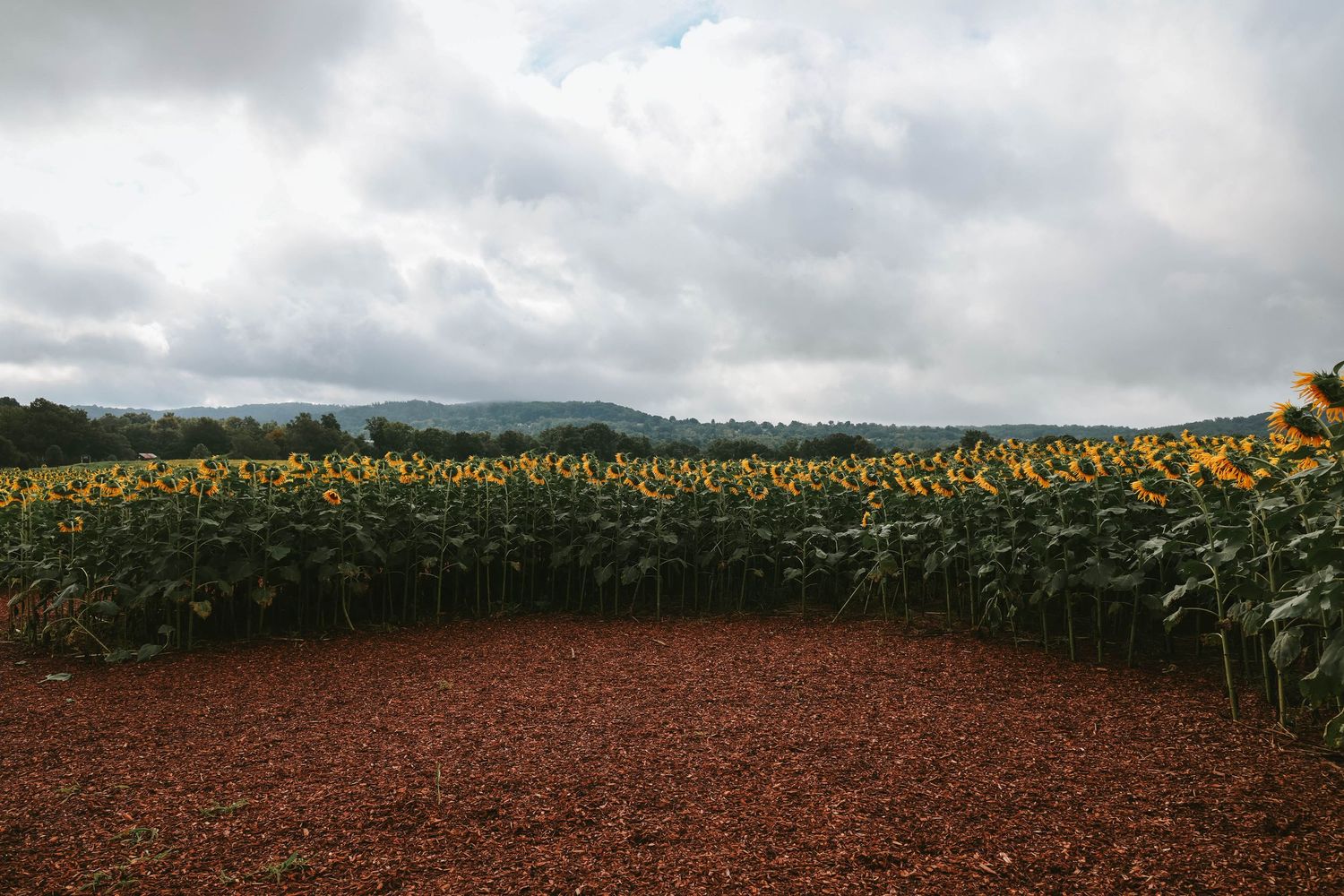
The Anderson Campus is home to St. Luke’s Arboretum & Gardens, which covers approximately 92 acres. St. Luke’s says 56 acres are dedicated to seasonal flowers including cosmos, canola and crimson clover, while its popular sunflower field spans about eight acres and typically blooms in late summer.
So if you are a photographer planning a visit, here are a few things I learned from photographing the fields—and a few ways to make the most of your time there.
When should photographers visit?
Timing matters enormously with sunflowers.
For the 2026 season, the sunflower garden was reported as beginning to bloom around mid-August, although bloom dates naturally vary from year to year depending on weather and planting conditions.
Before making a special trip, I would always check St. Luke’s current social media or website for bloom updates rather than assuming the flowers will peak on exactly the same dates each year.
As far as time of day, photographers have several options.
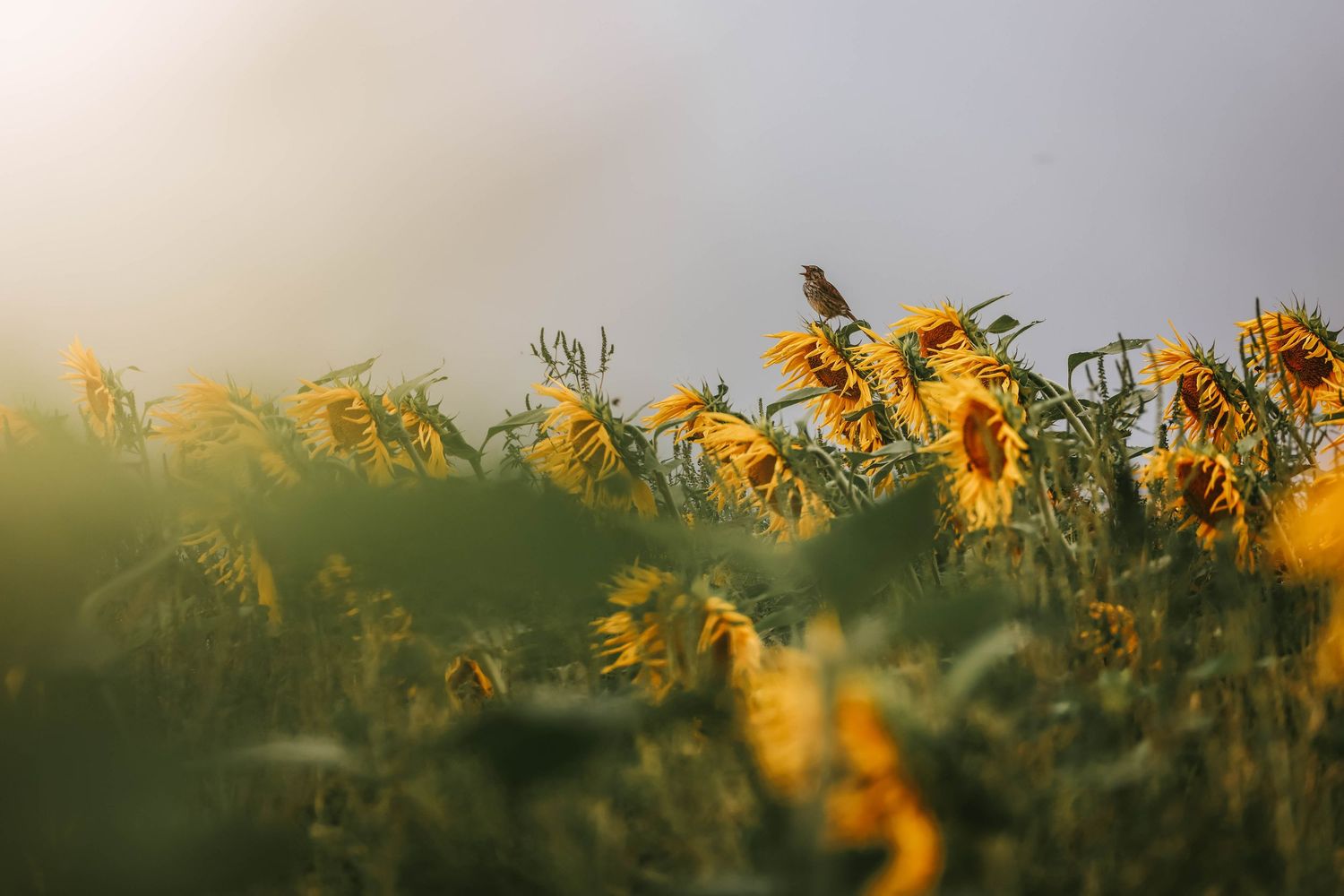
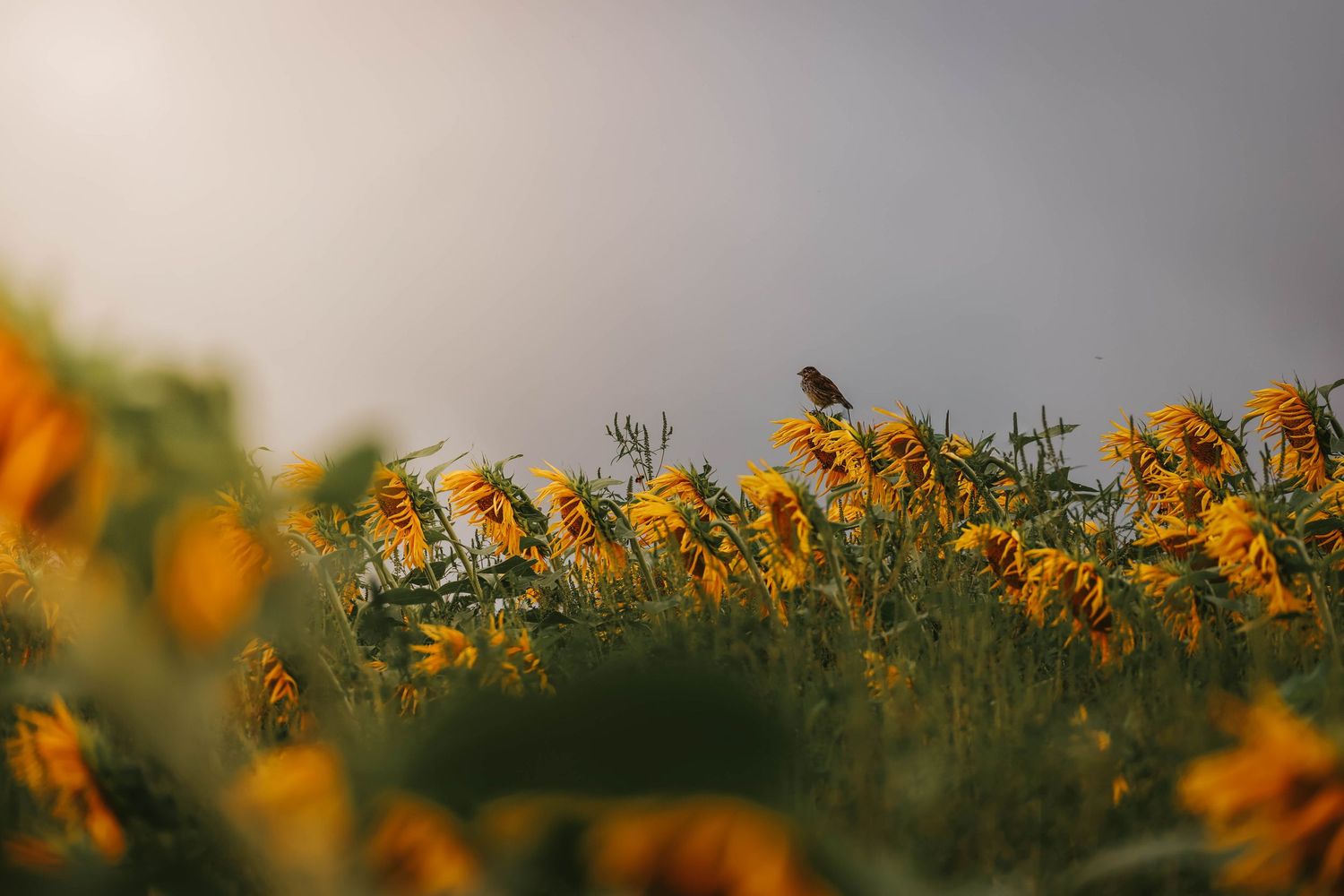
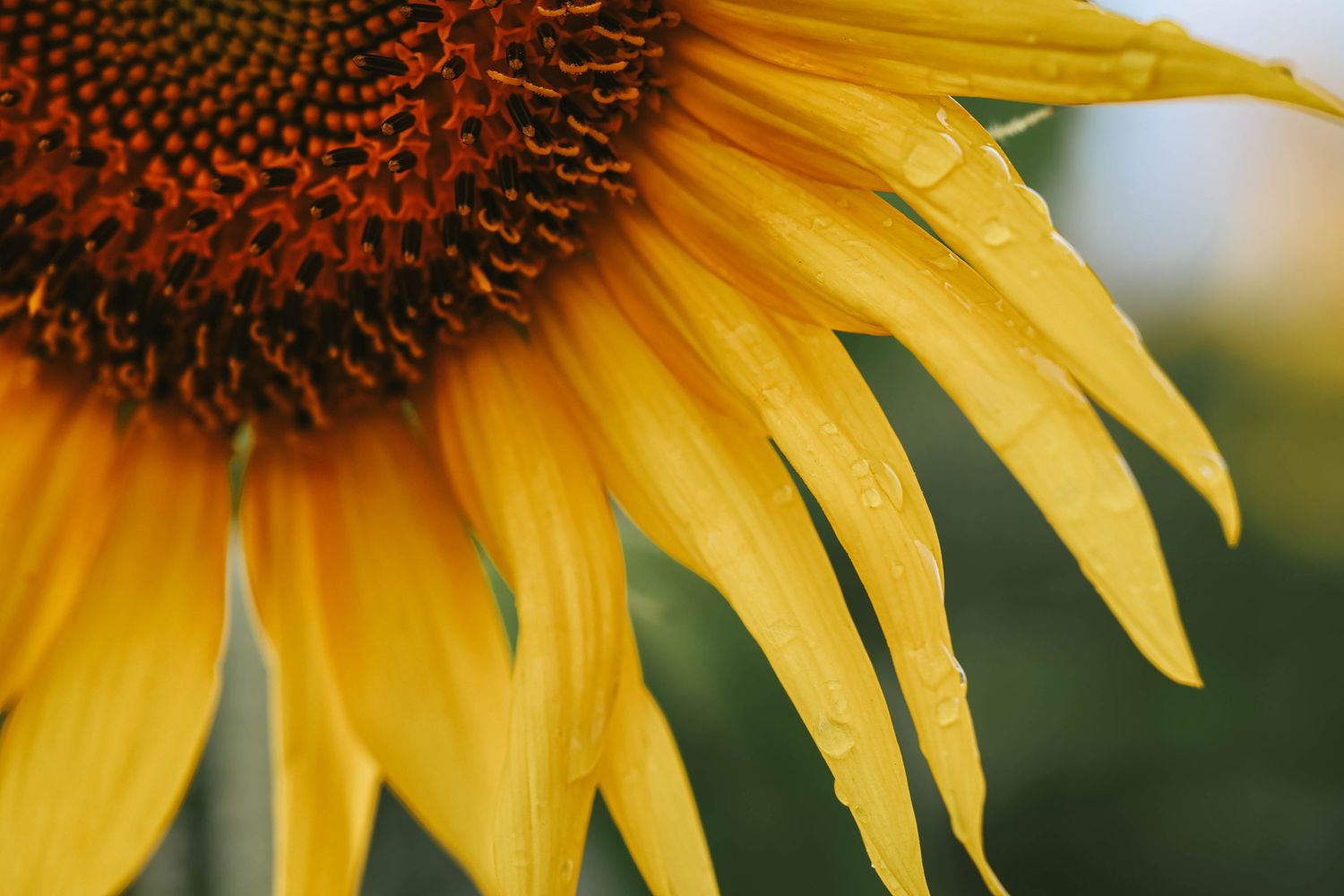
Early morning would probably be my first choice if you want softer light, fewer people and the possibility of dew or moisture remaining on the flowers. You may also get mist or softer skies, which can completely change the feeling of the field.
Golden hour is another beautiful option. Lower sunlight can give the petals a warm glow, produce wonderful rim light and make portraits especially flattering.
But don’t automatically rule out the middle of the day.
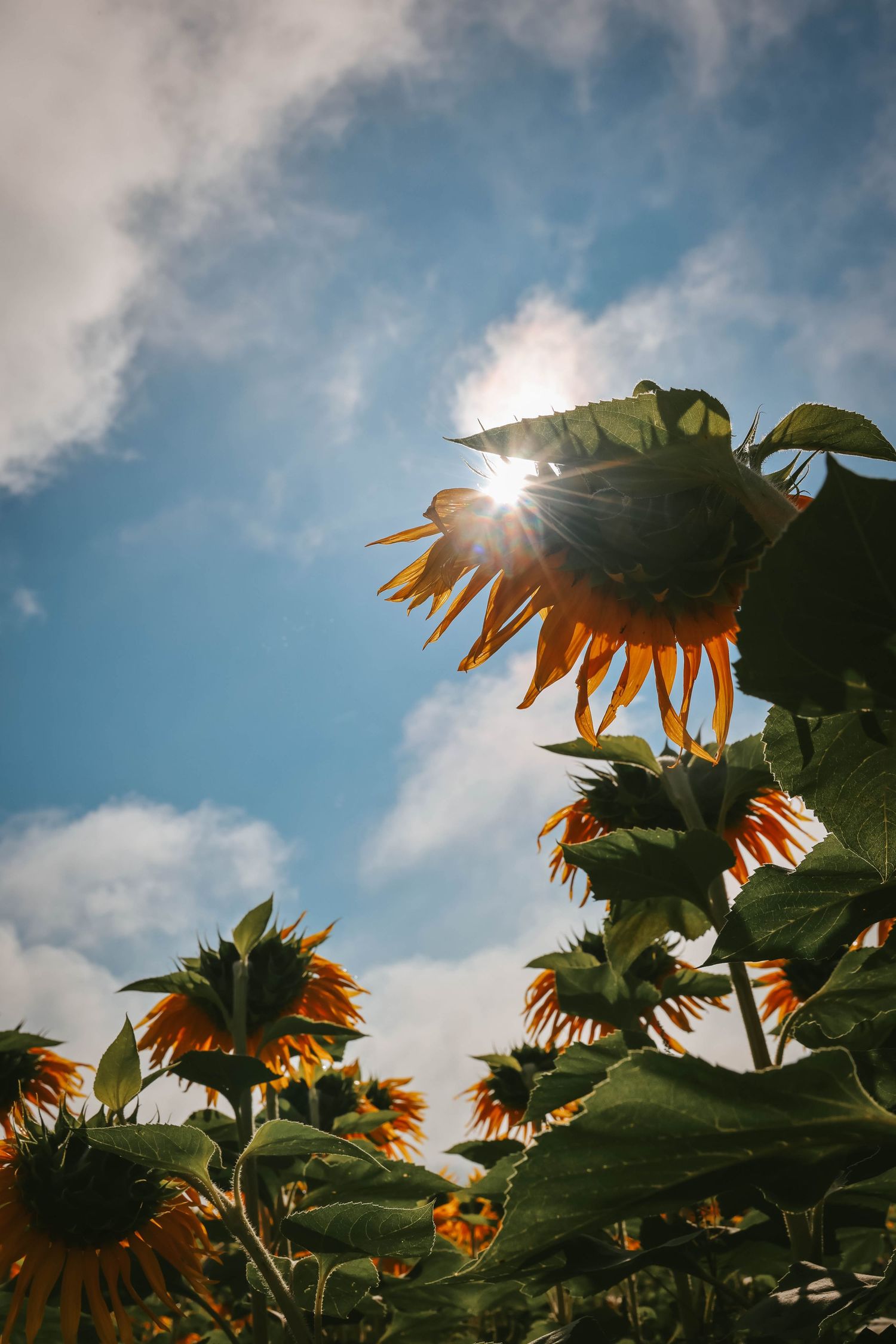
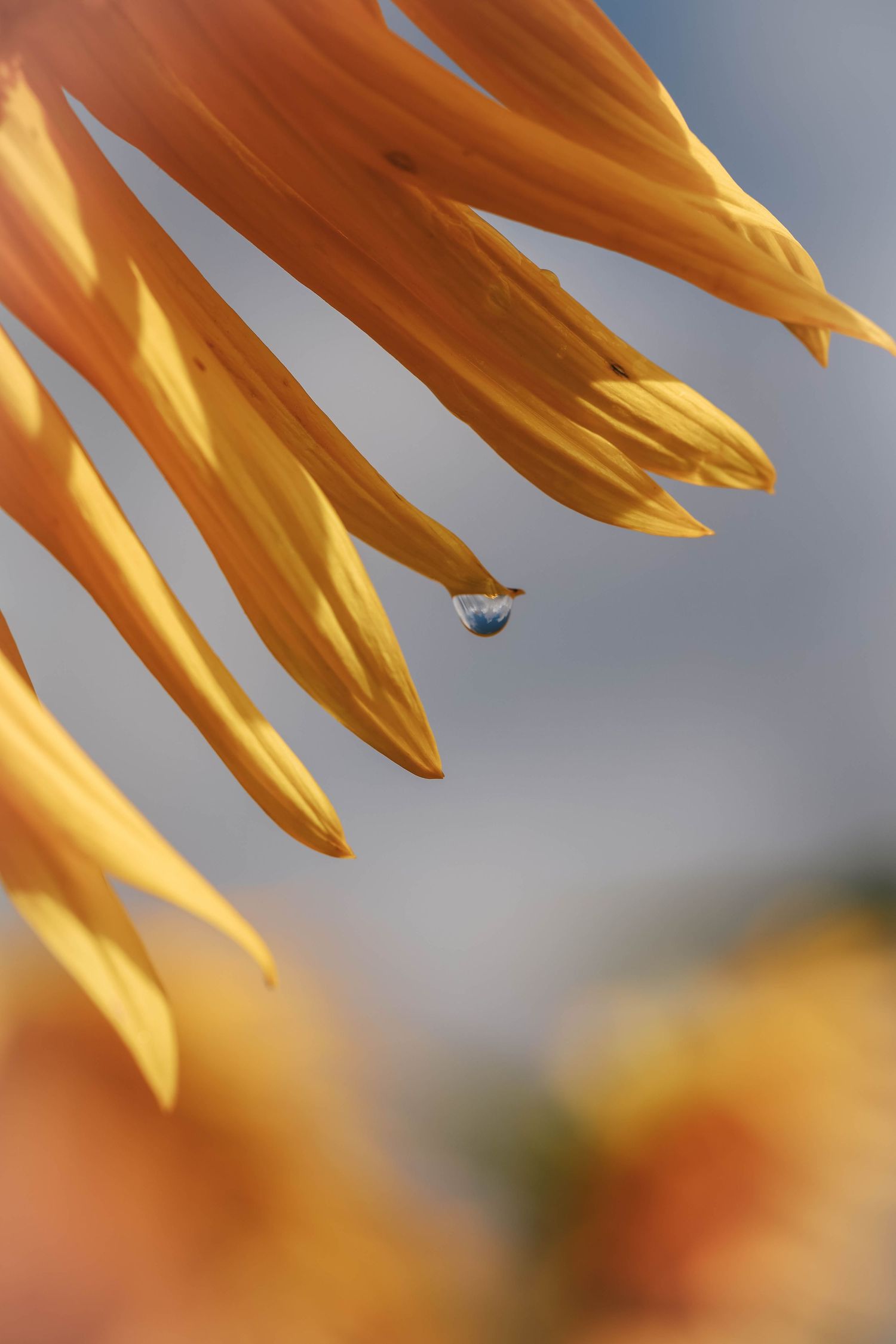
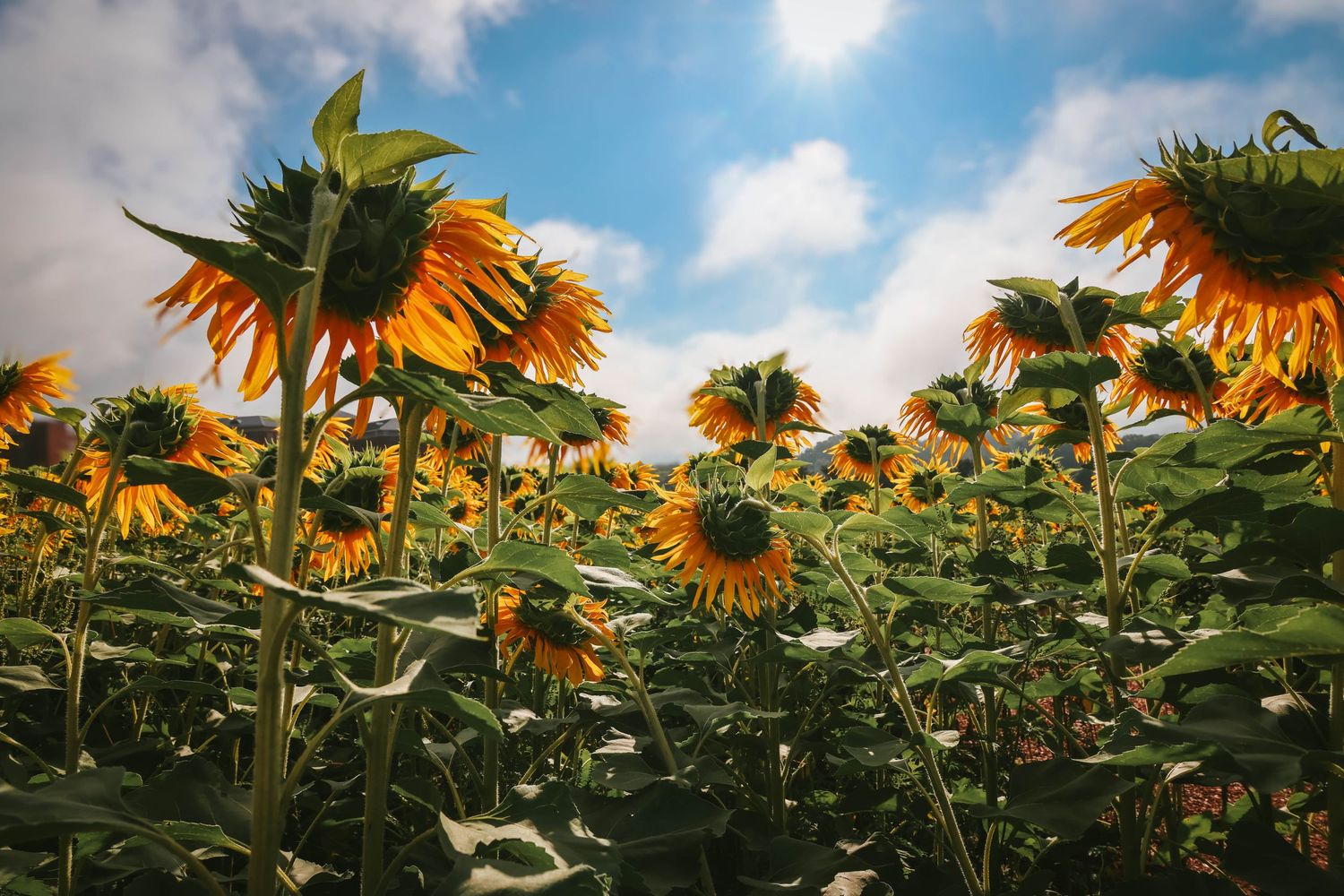
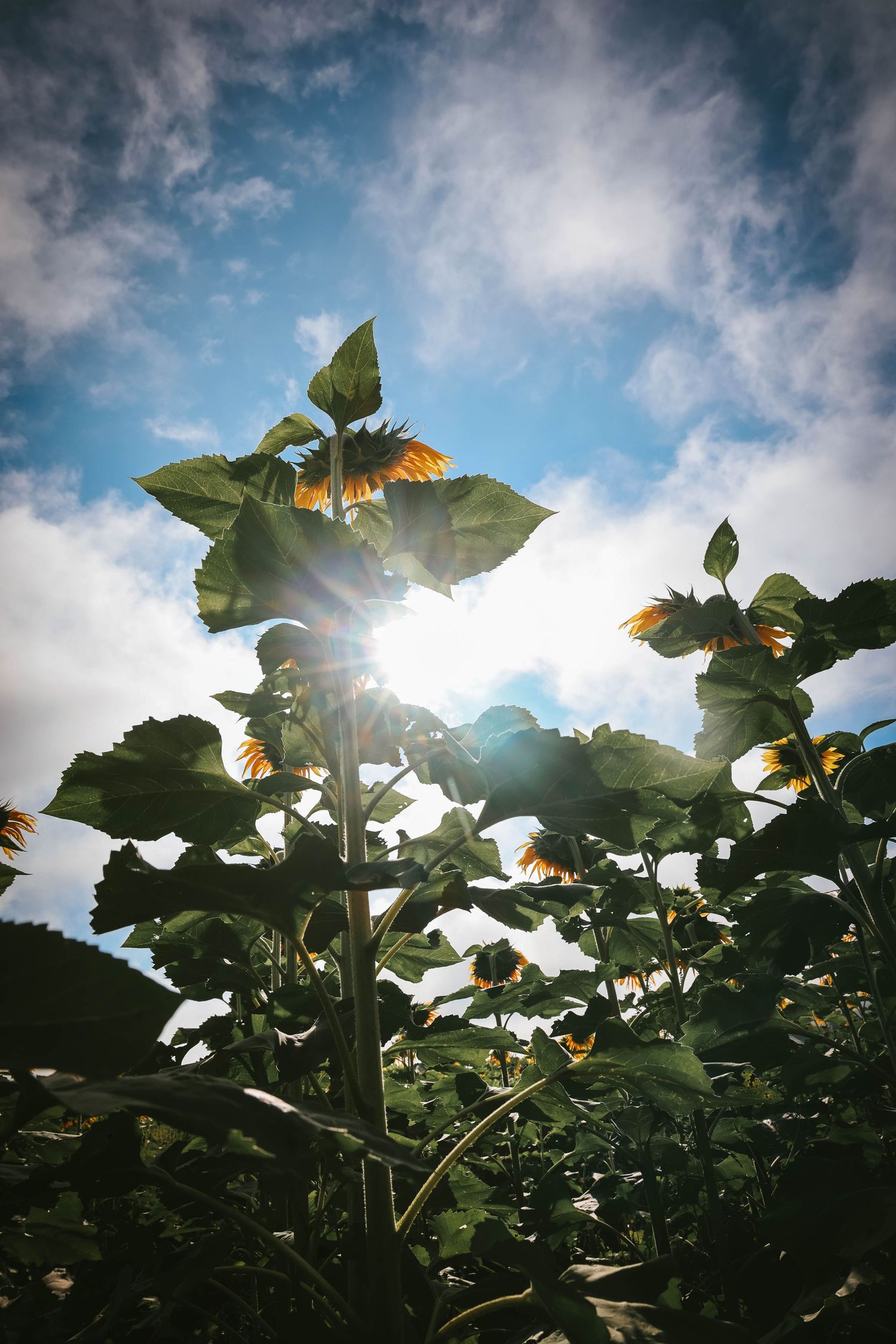
I photographed in fairly strong sunlight, and instead of fighting it, I used it. Some of my favorite photographs came from getting low underneath the flowers and photographing directly toward the sun. The strong light created starbursts, glowing petals and deep silhouettes against the blue sky.
Sometimes difficult light simply asks you to photograph differently.
Bring more than one lens
If you are visiting specifically to photograph the flowers, I would bring at least two lenses.
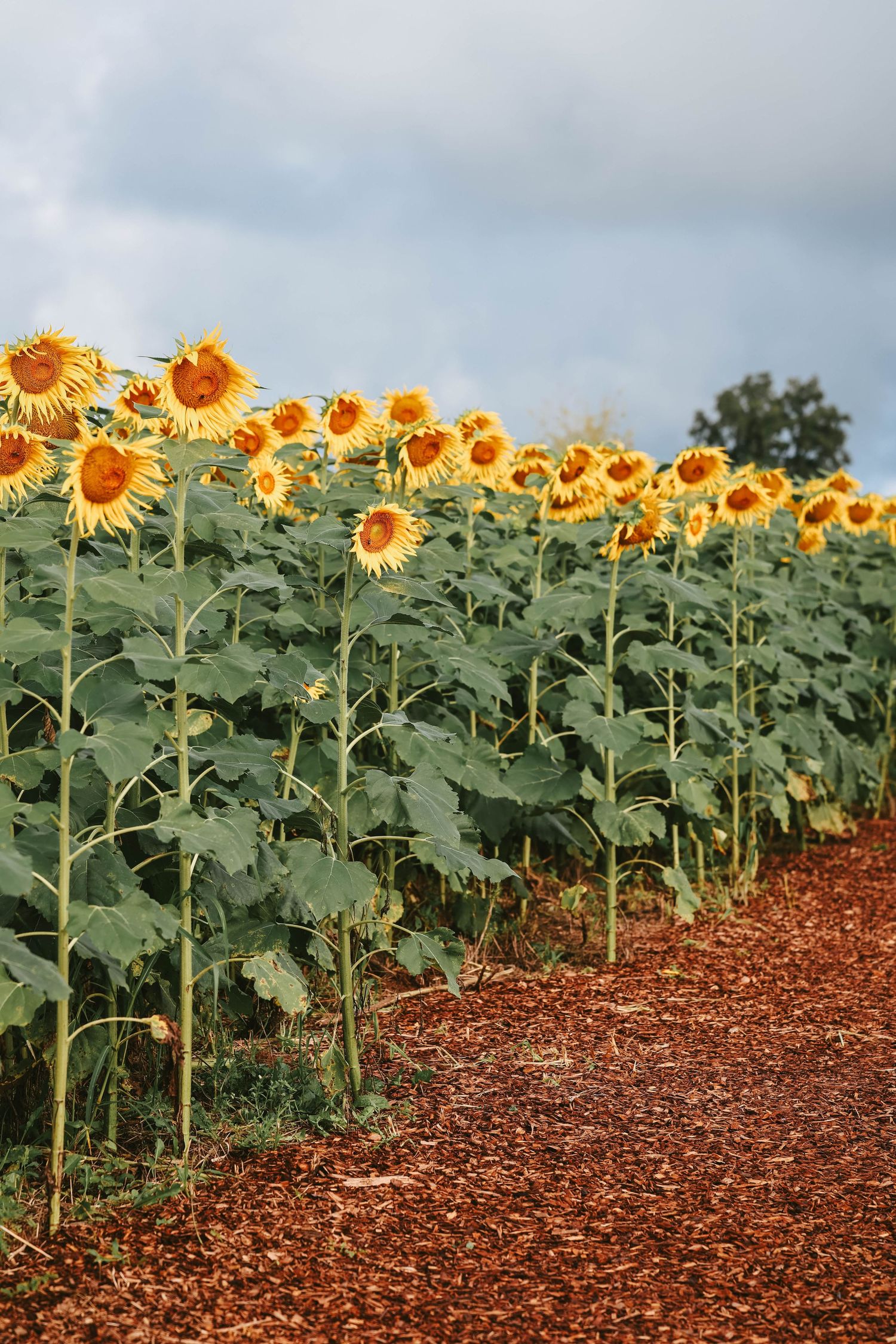
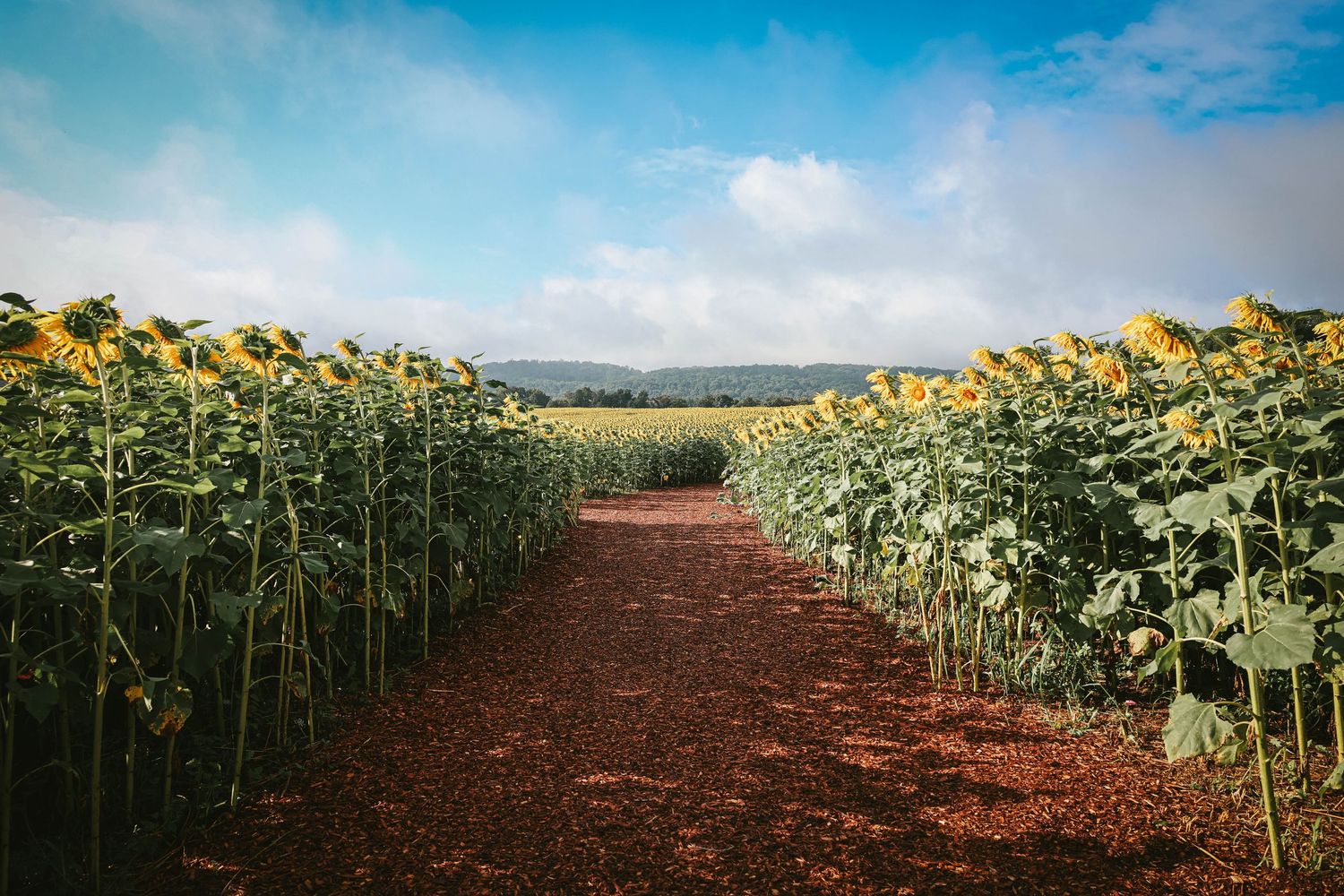
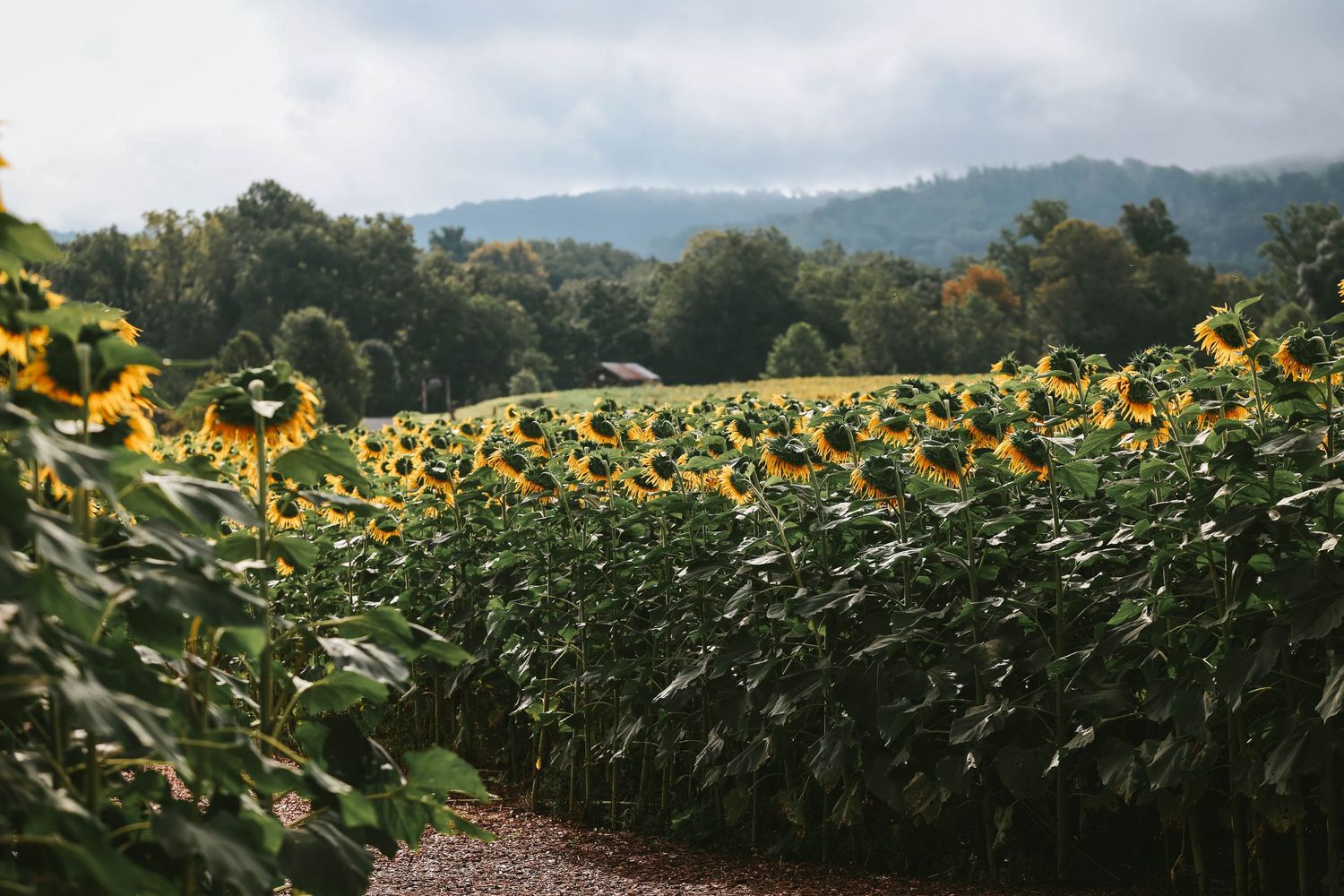
A wide-angle lens, somewhere around 16–35mm or 24–35mm, is ideal for showing the scale of the field. There are pathways running through the sunflowers, and they naturally create leading lines that pull the viewer into the photograph. Look for openings between rows rather than simply photographing straight across the field.
A standard 24–70mm is probably the most versatile choice if you only want to carry one lens. You can capture landscapes, individual flowers and environmental details without constantly changing lenses.
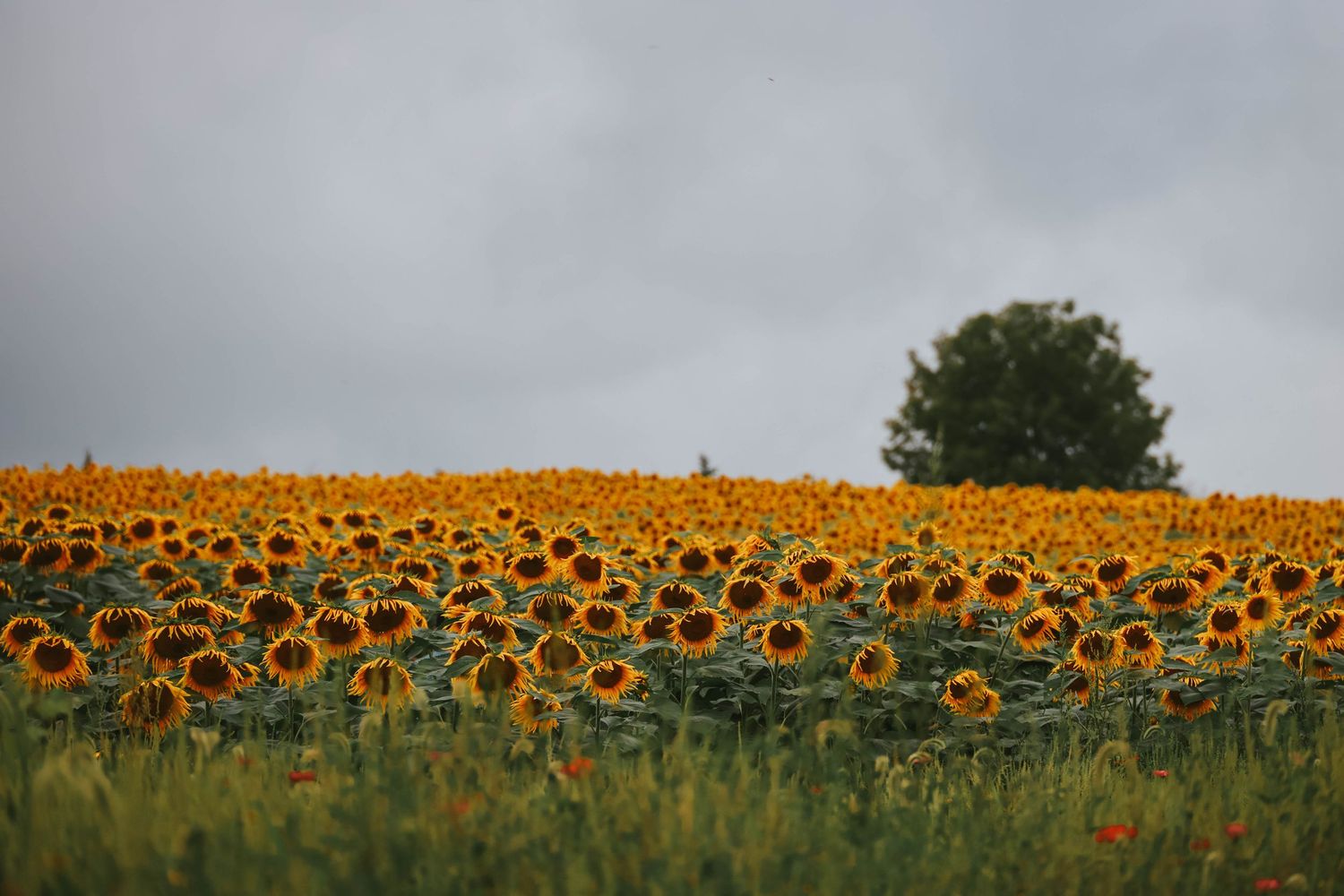
A 70–200mm or similar telephoto can also be wonderful here. Compressing rows of sunflowers makes the field appear almost endless, and the narrower angle of view helps isolate individual blooms against soft backgrounds.
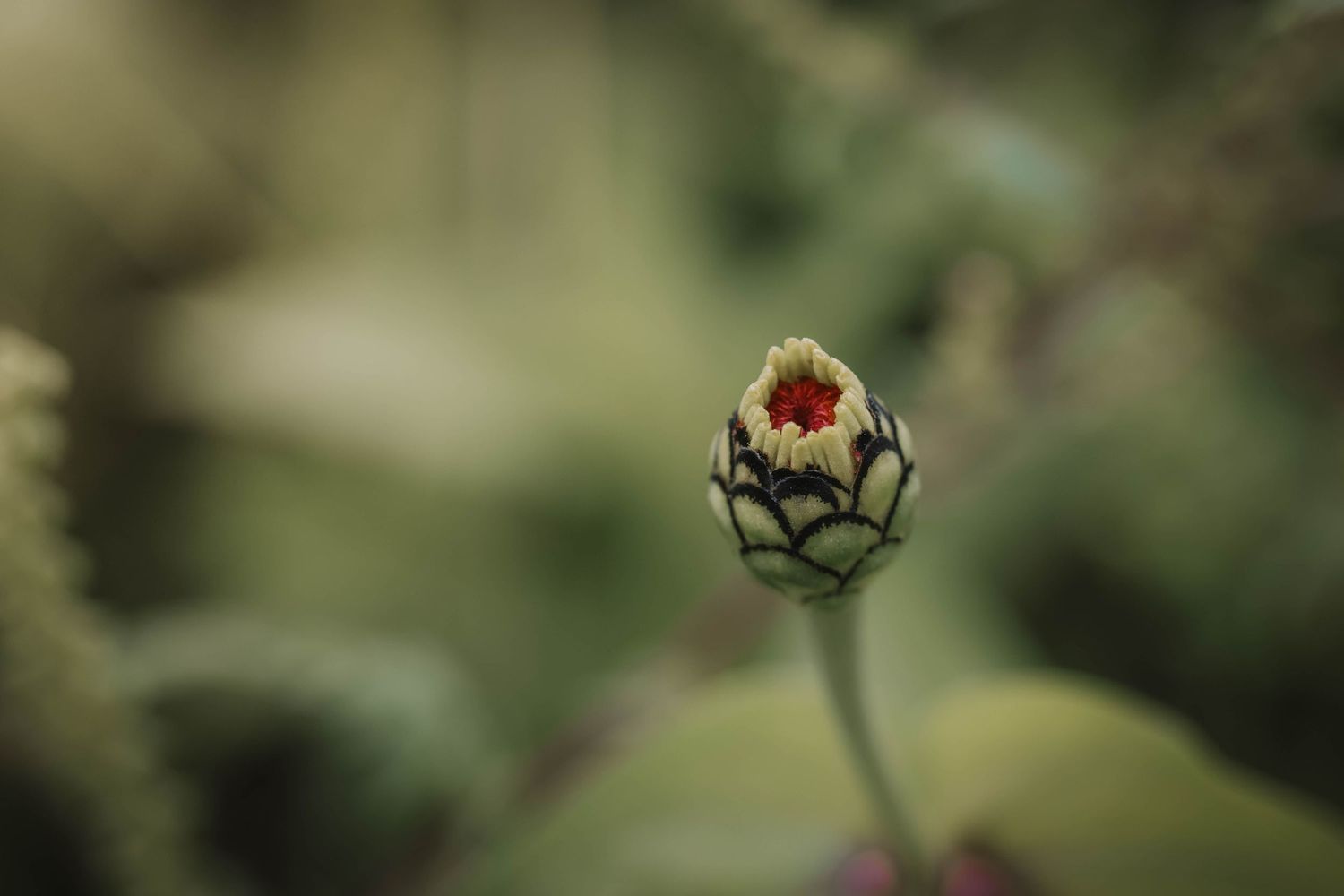
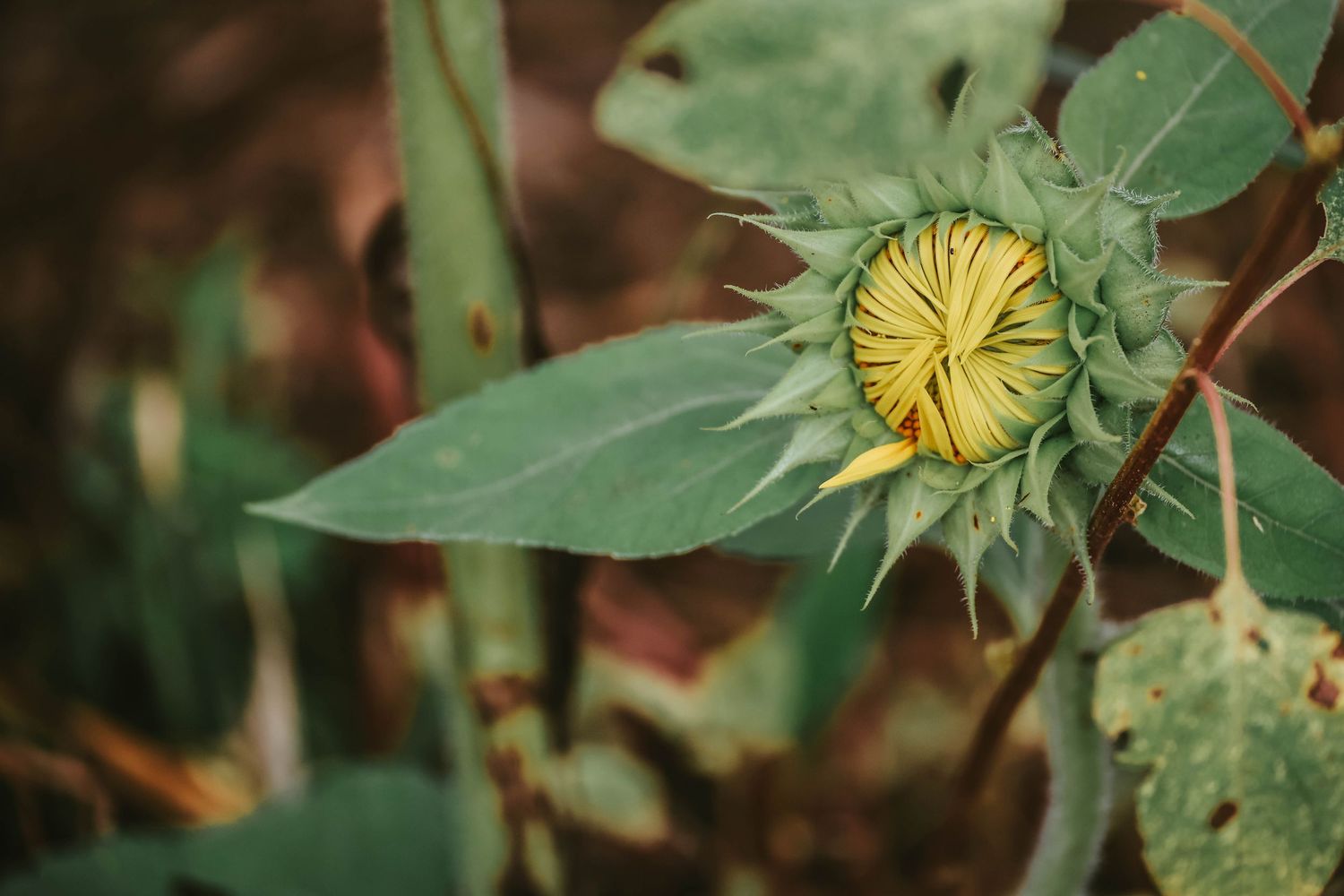
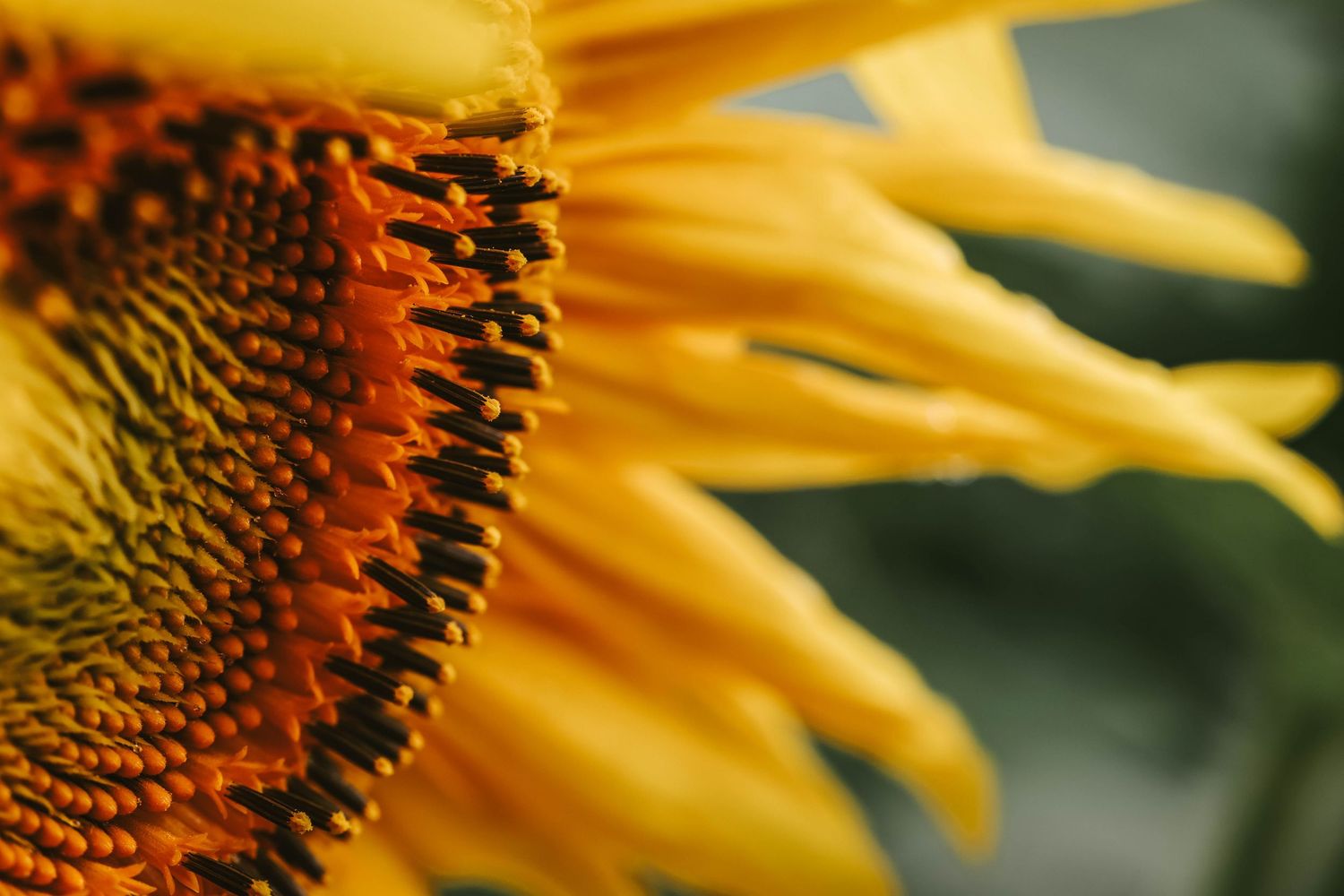
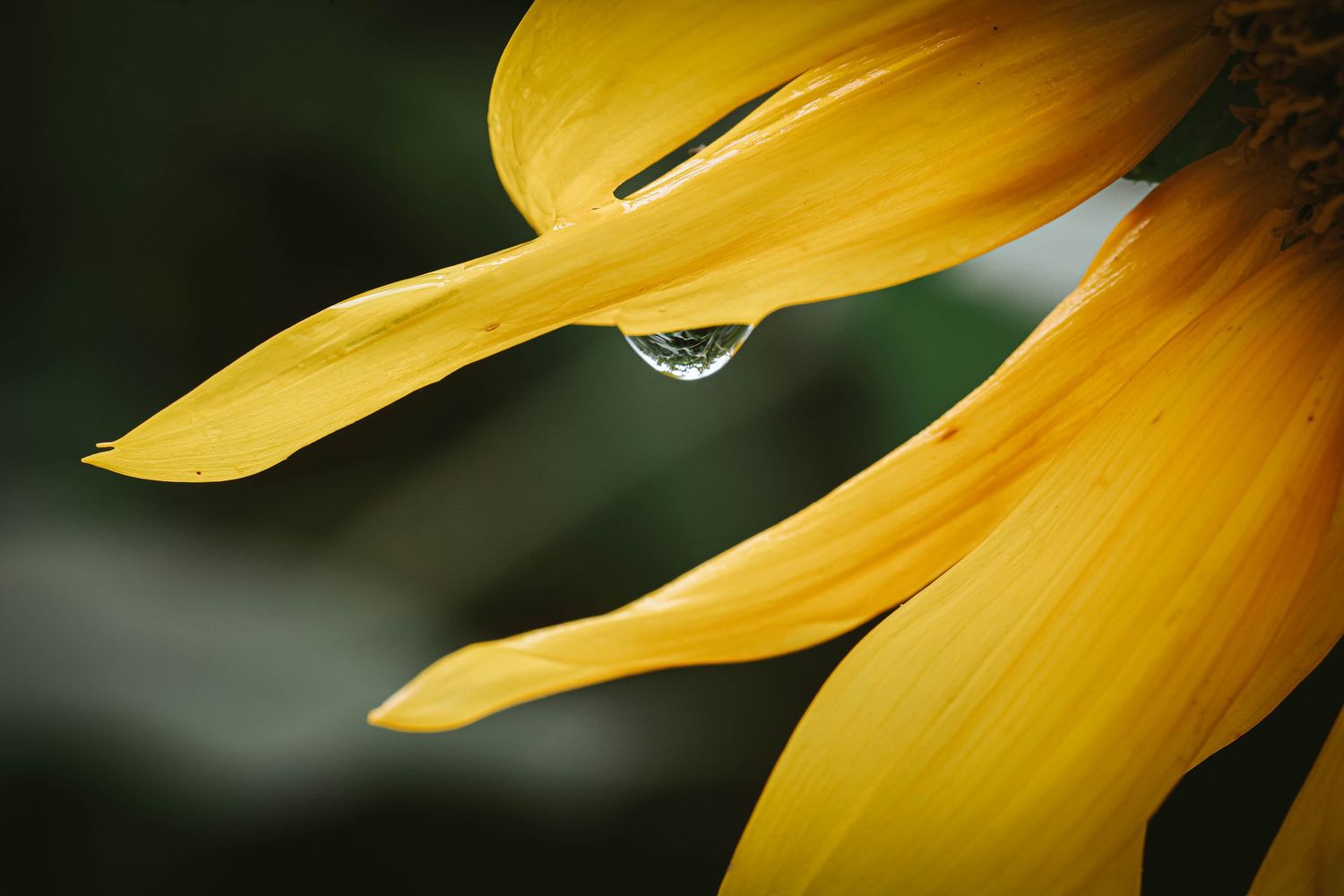
And if you enjoy detail work, definitely bring a macro lens.
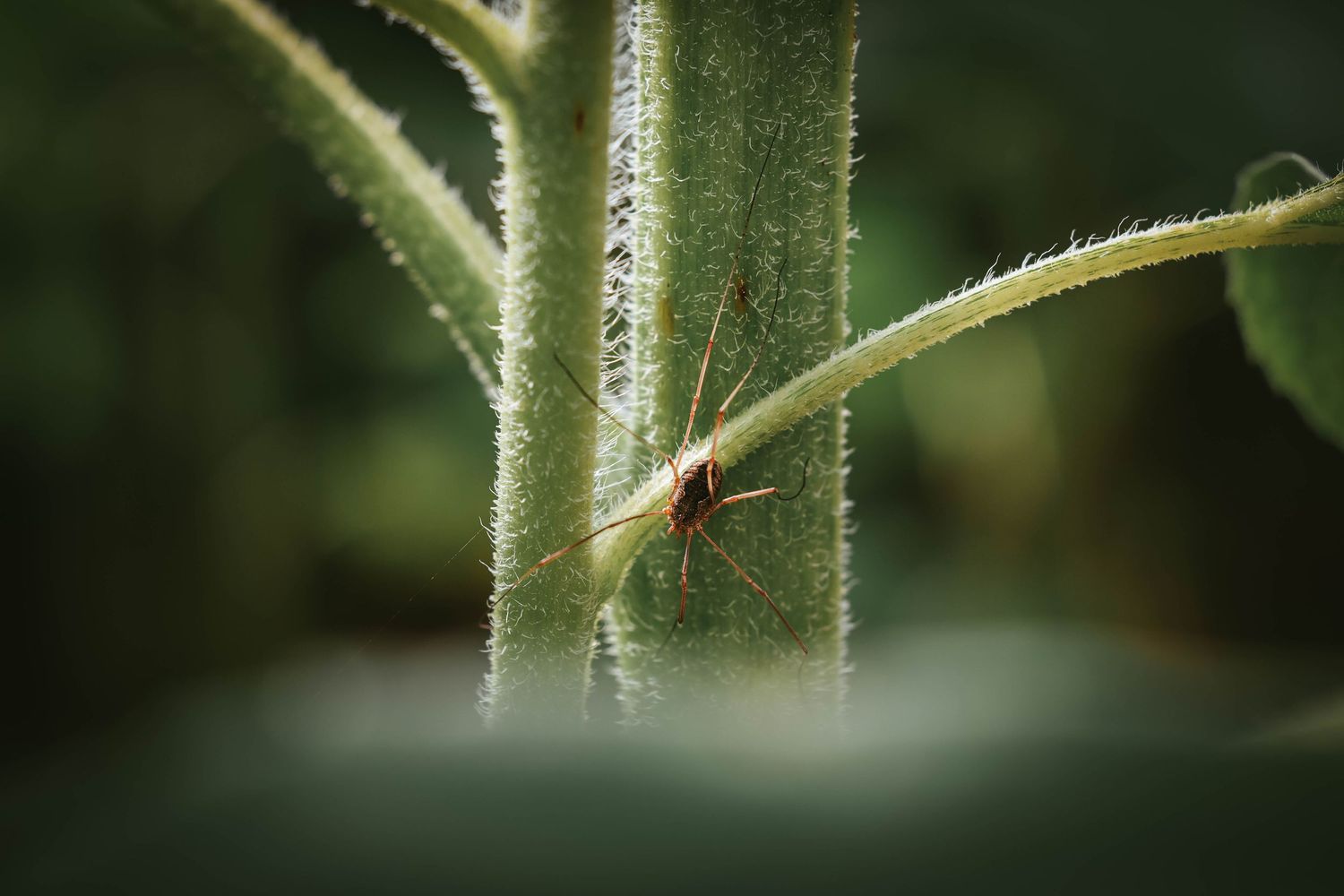
Some of the photographs I enjoyed making most weren't really about the sunflower field at all—they were about what was happening within it.
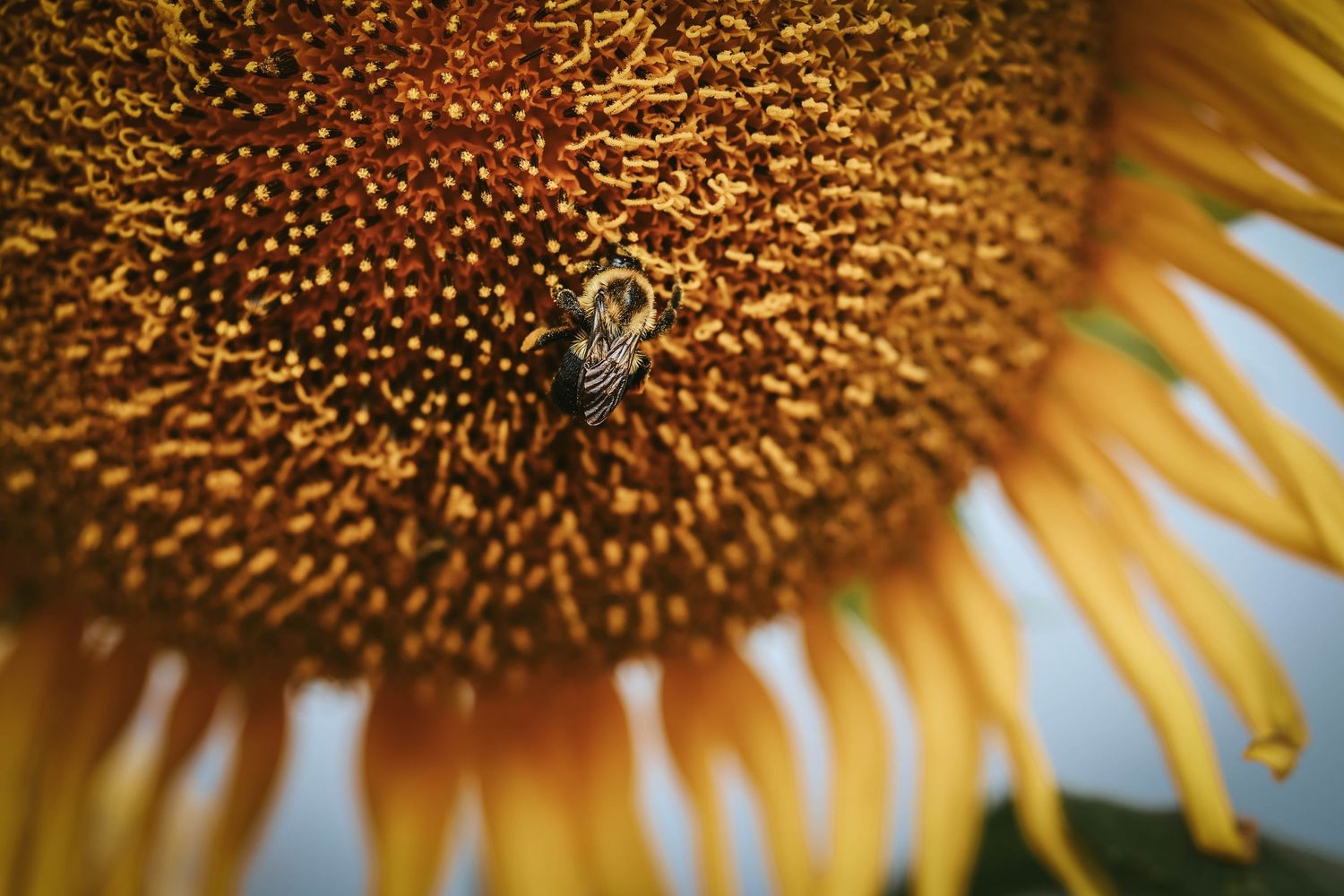
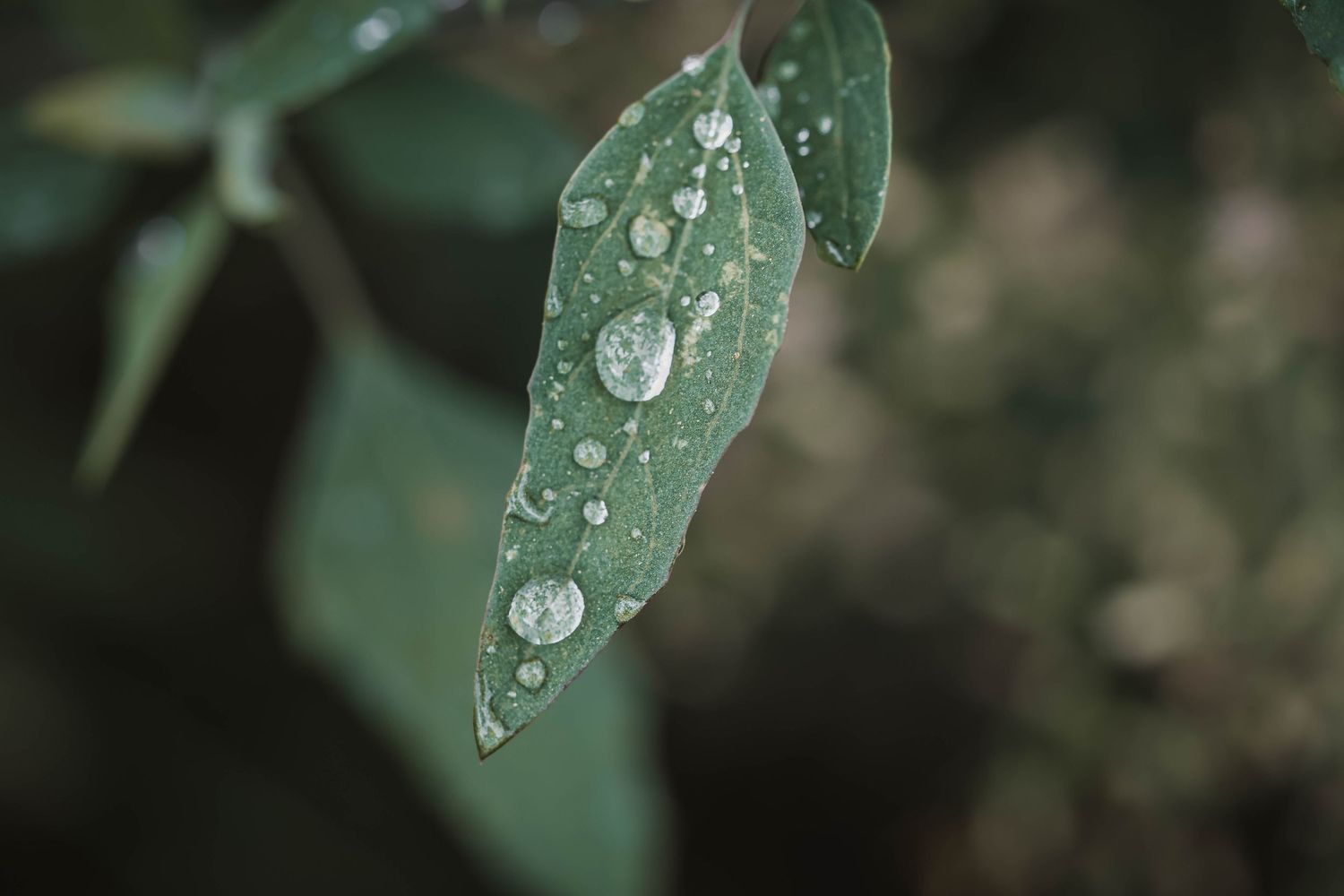
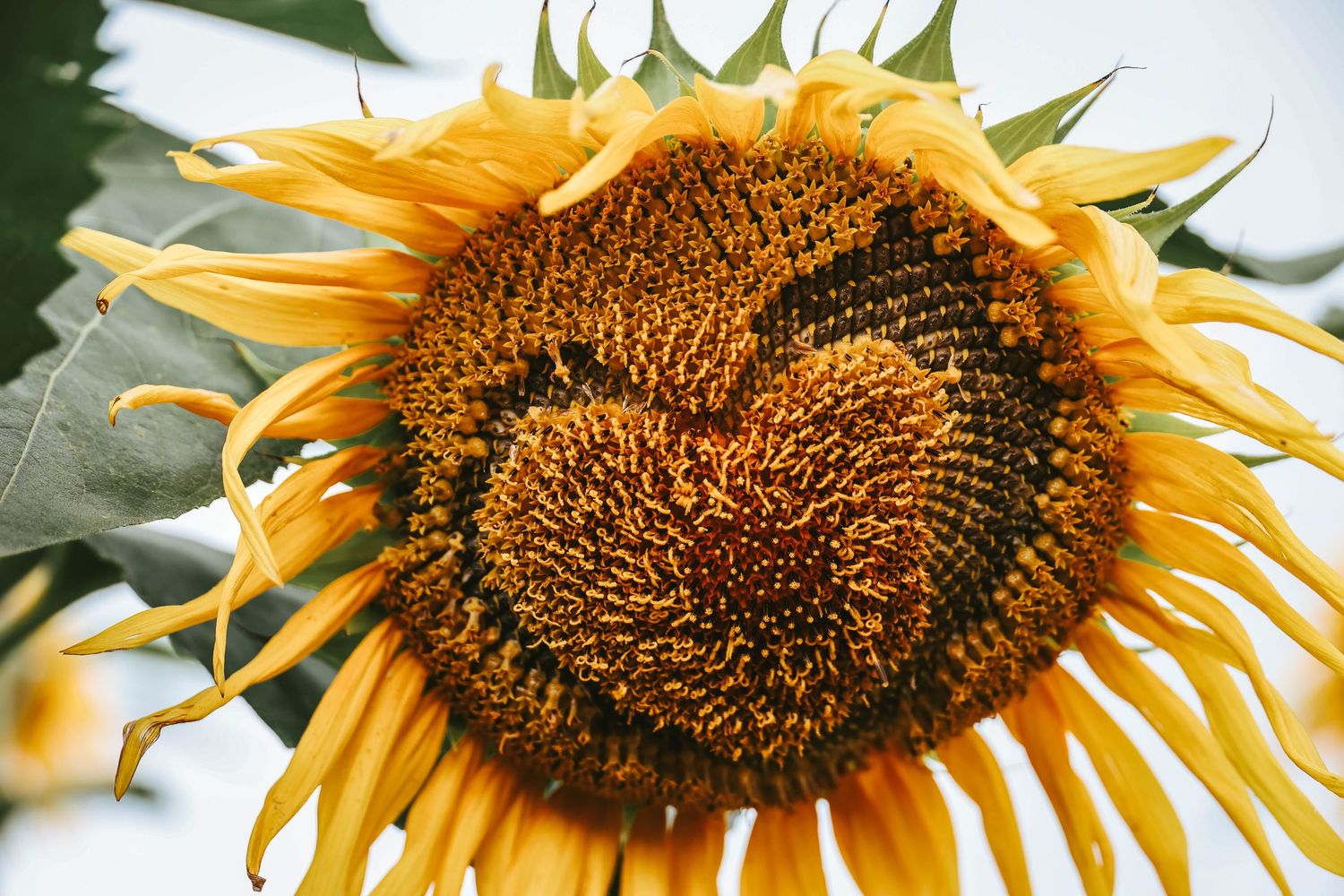
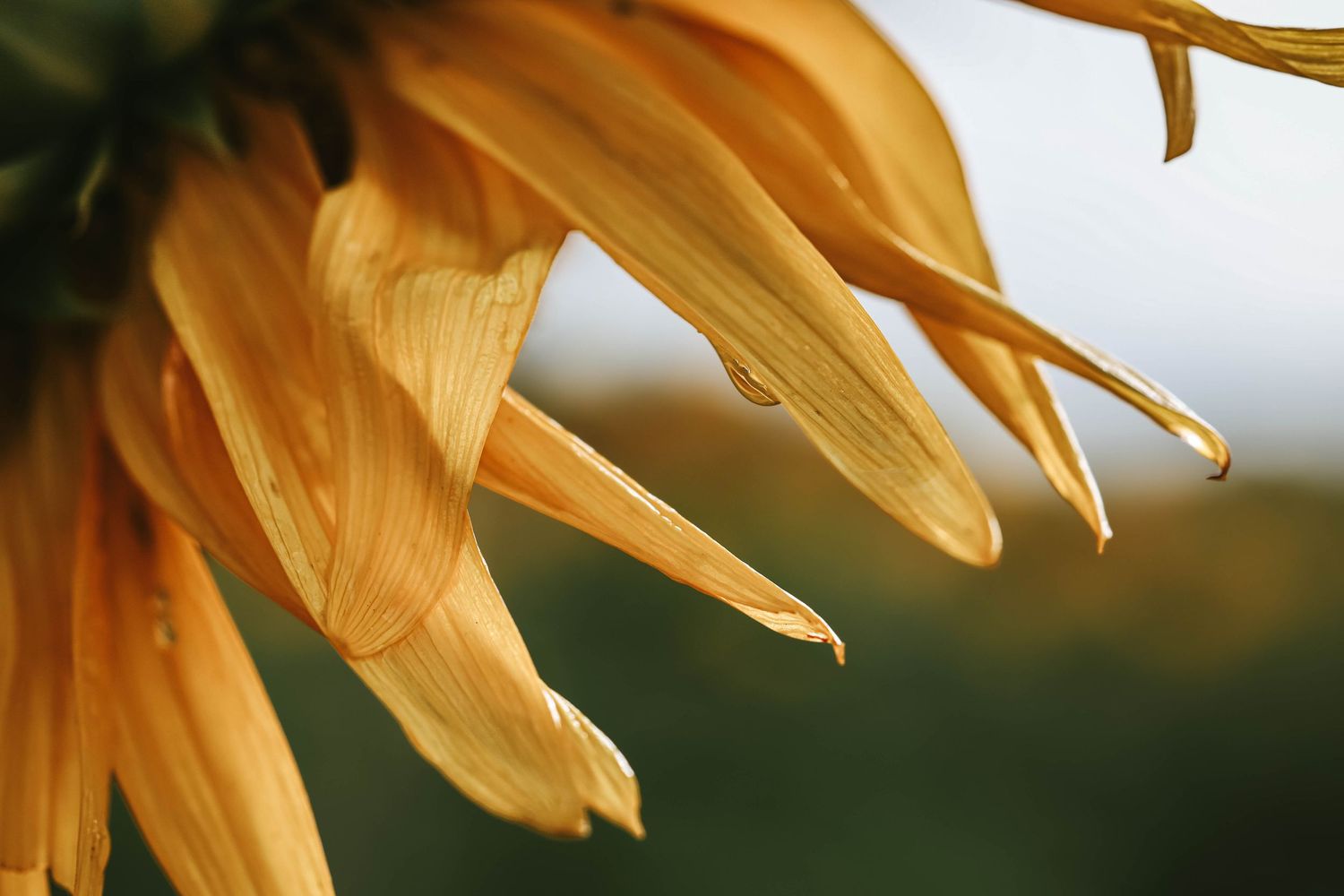
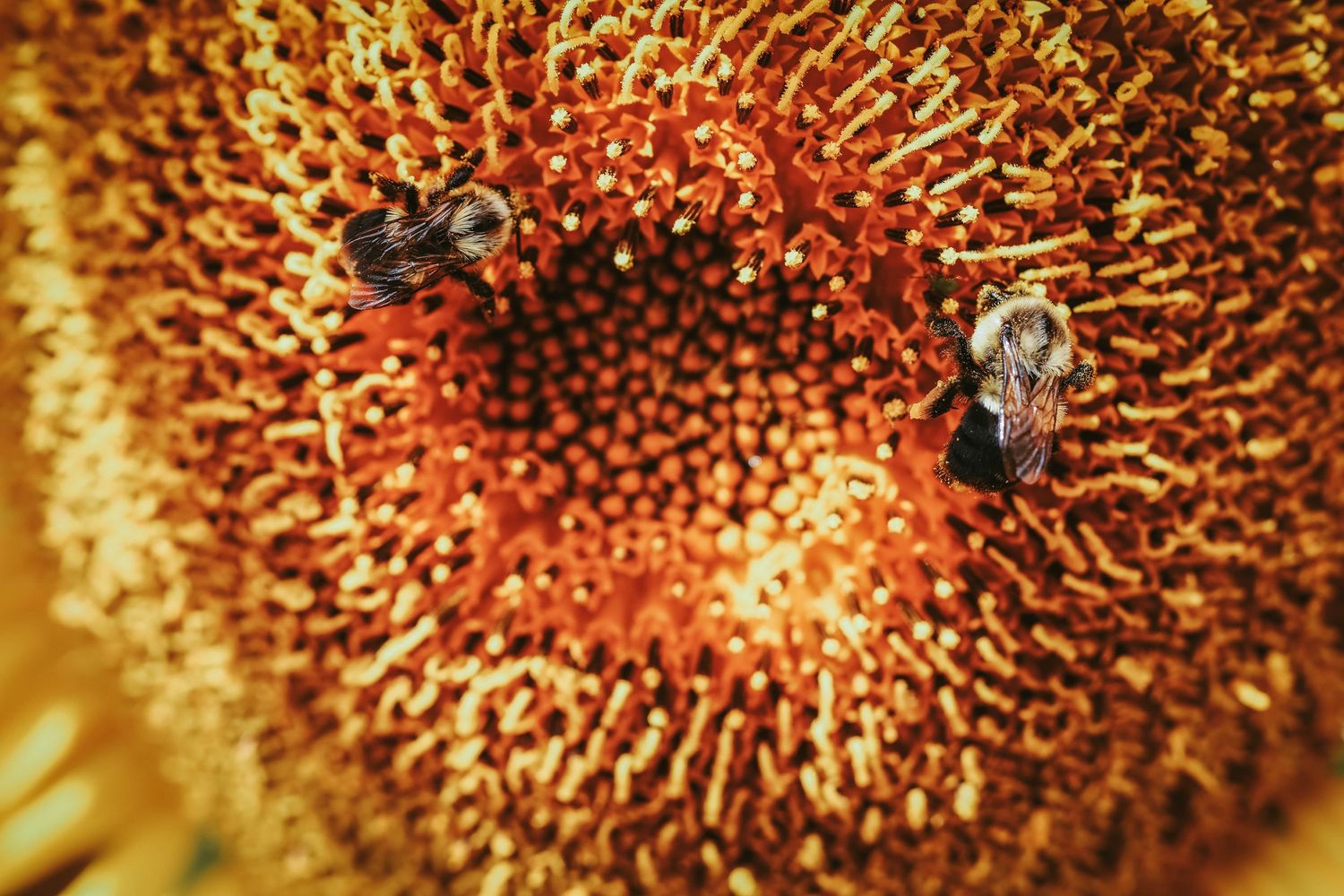
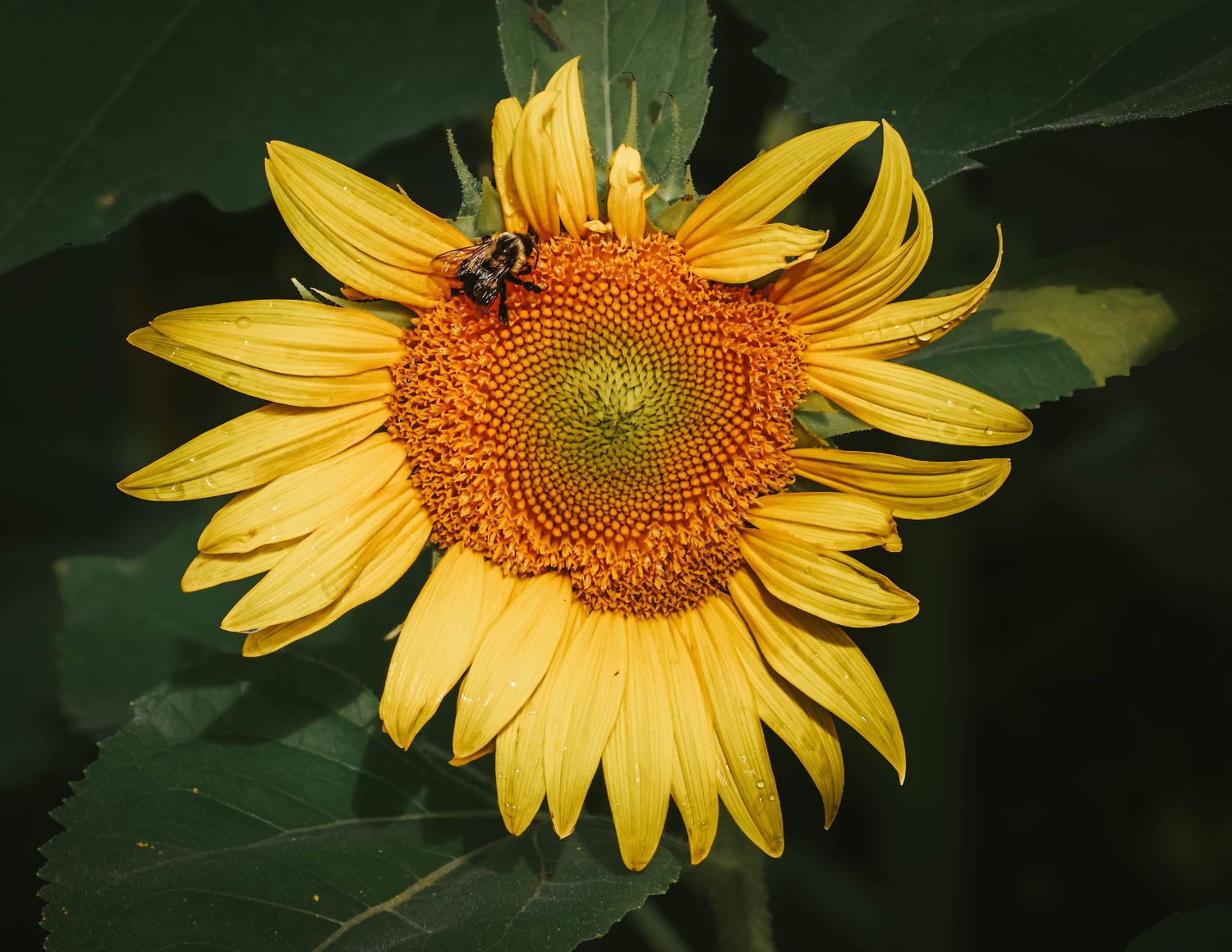
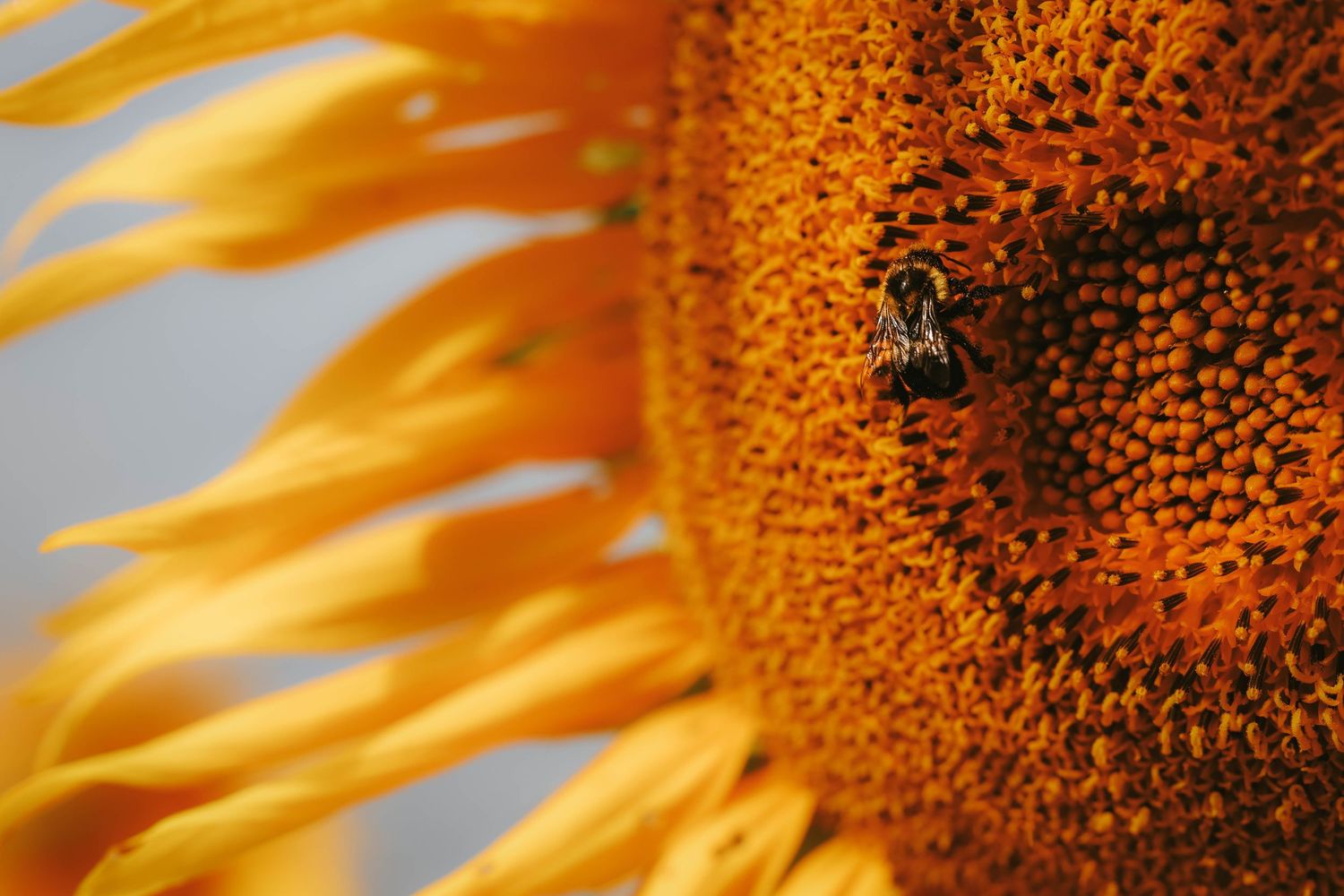
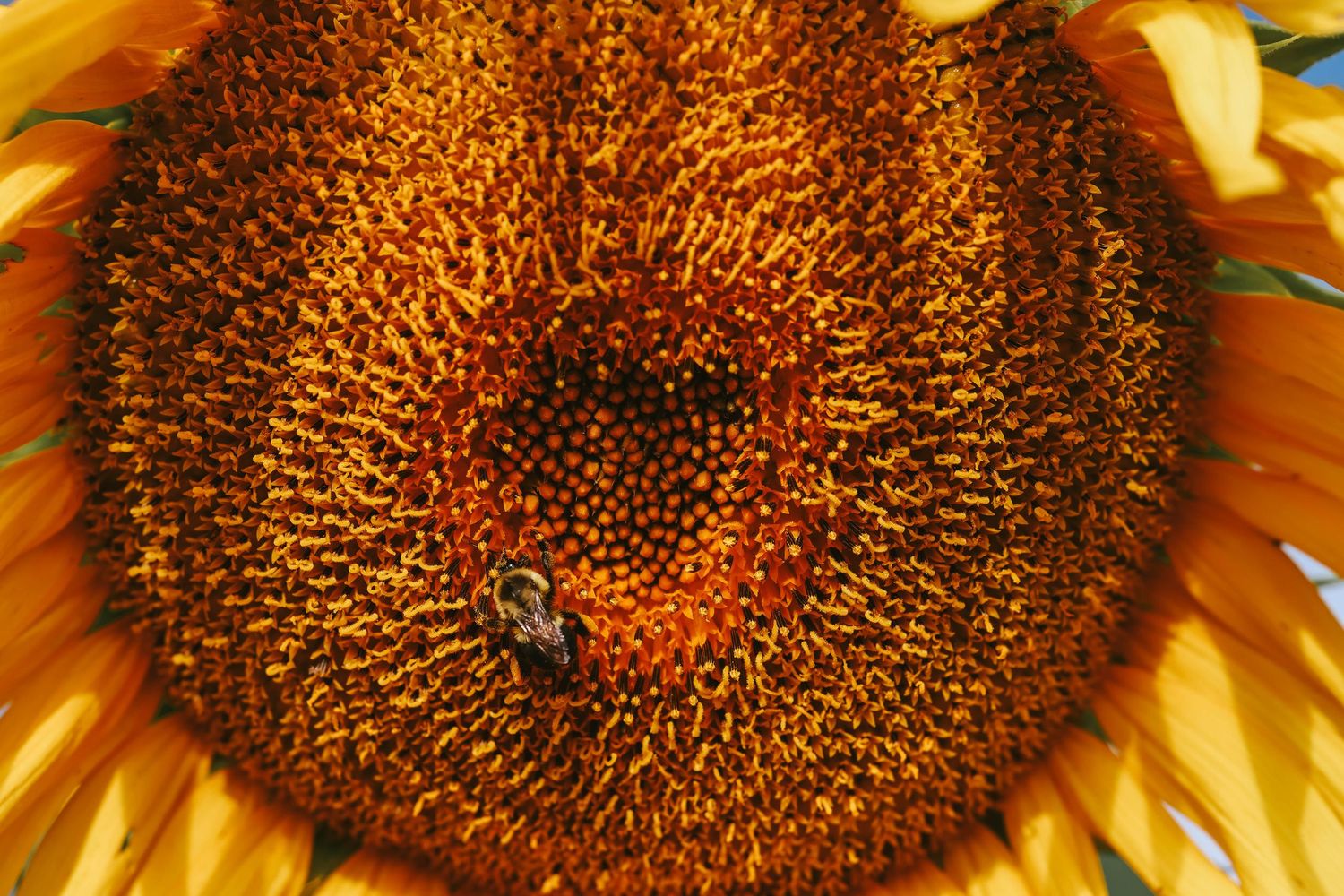
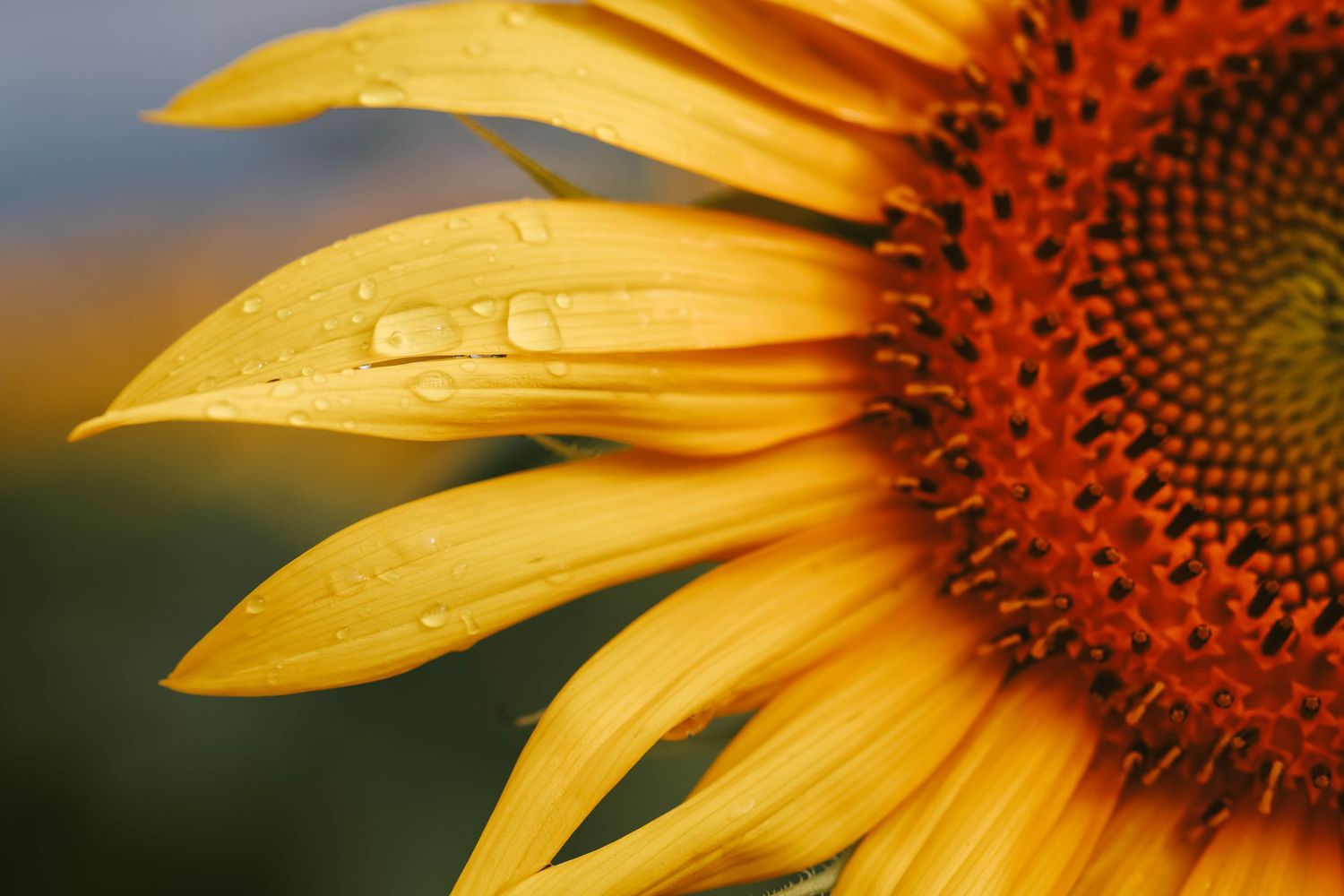
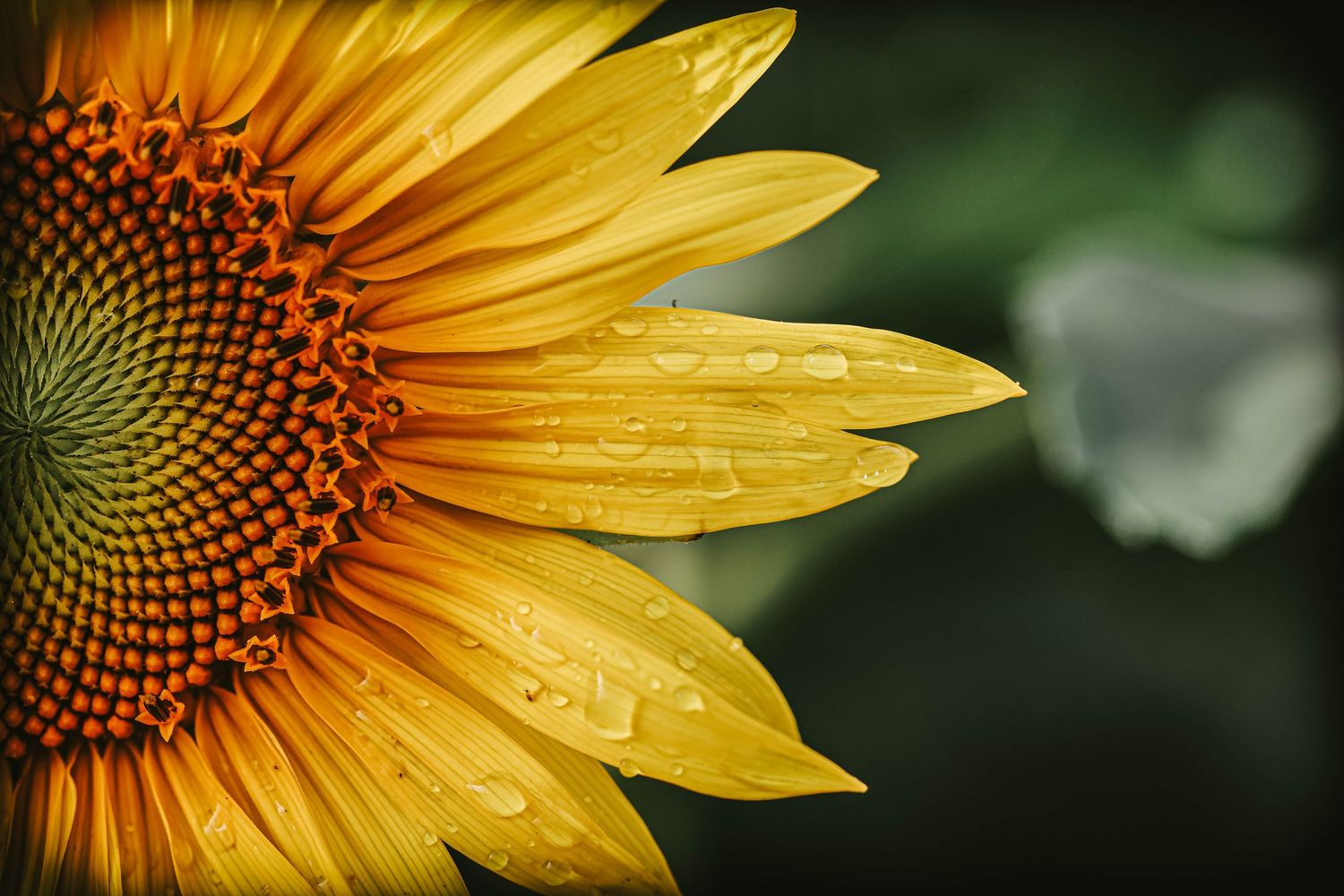
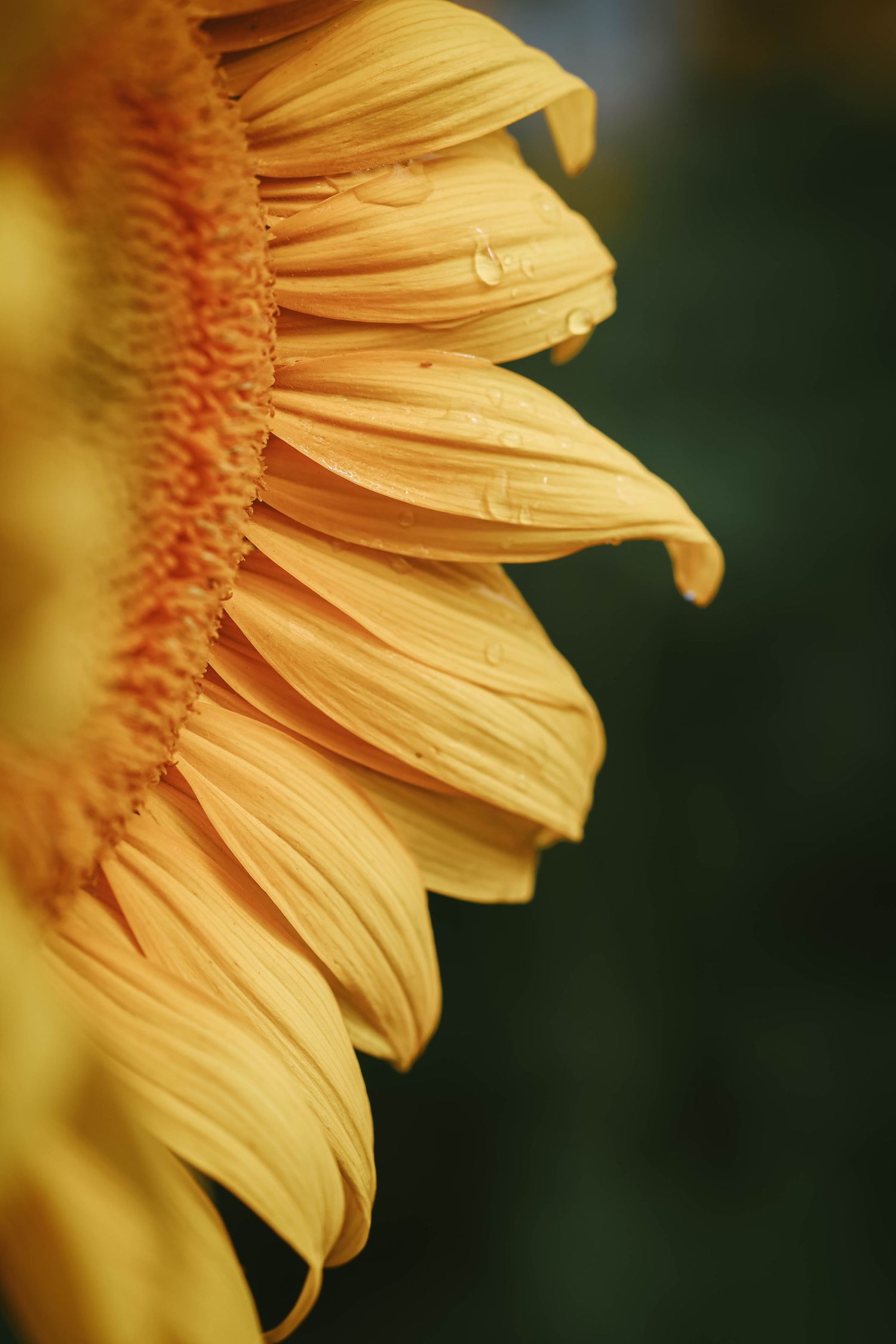
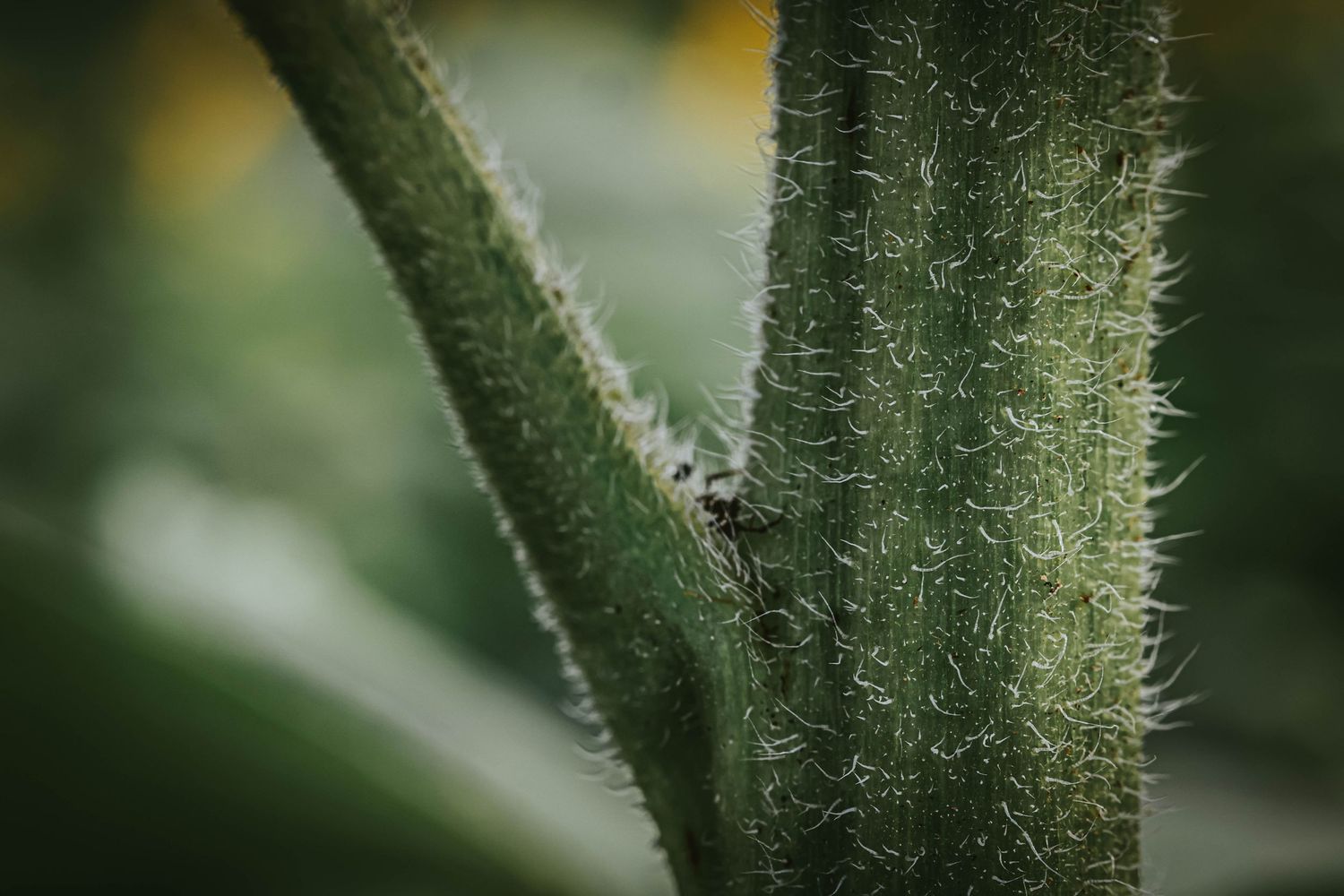
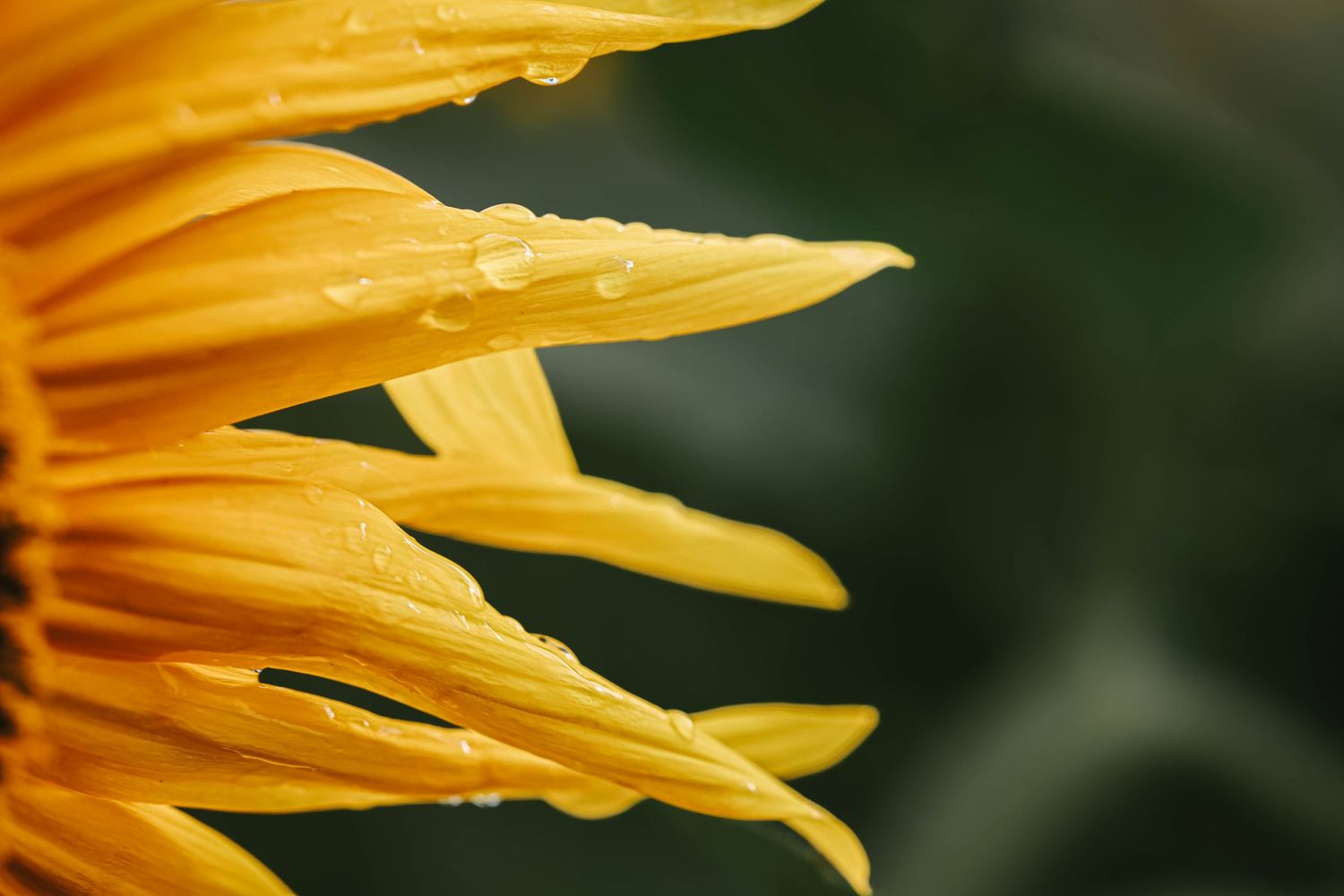
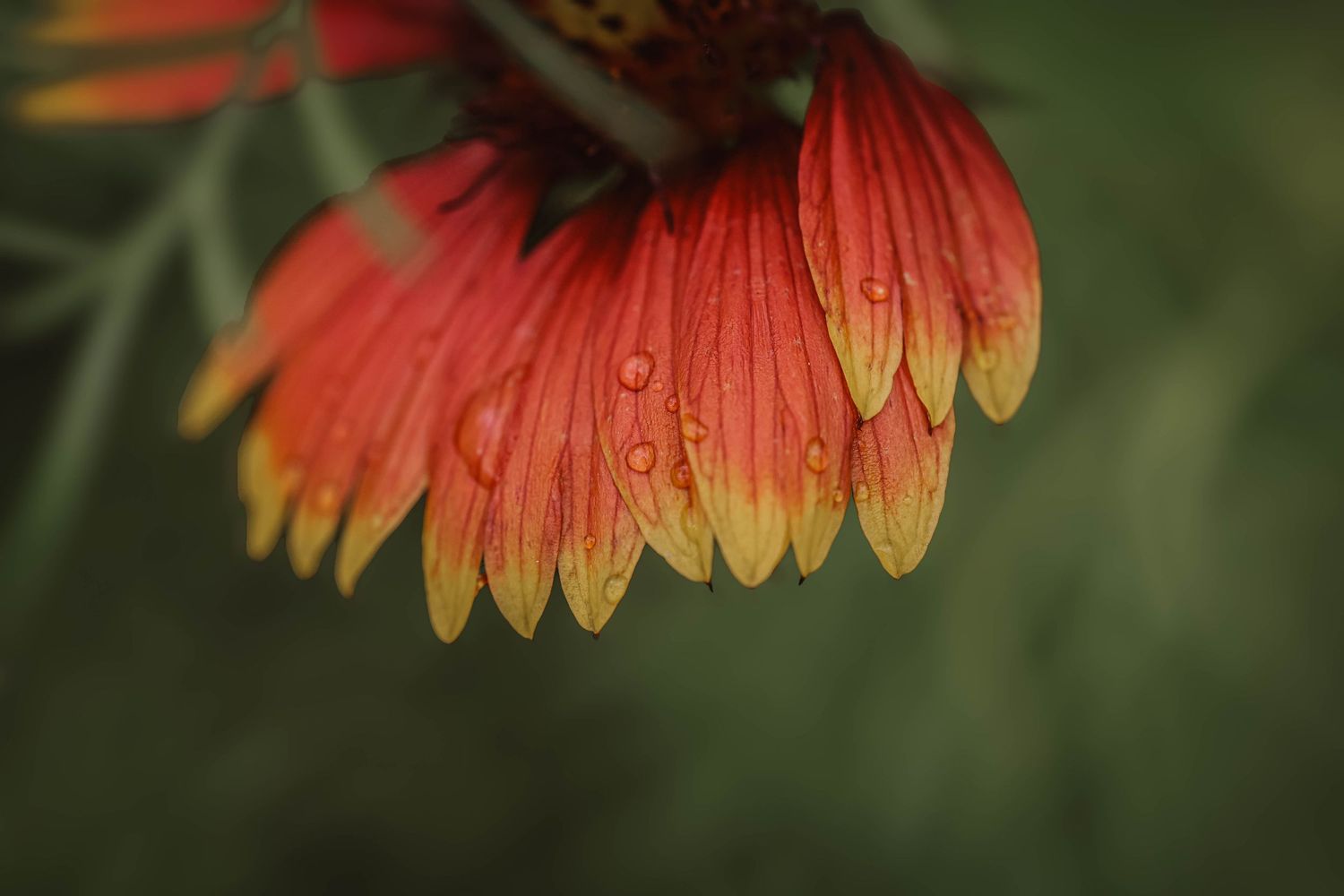
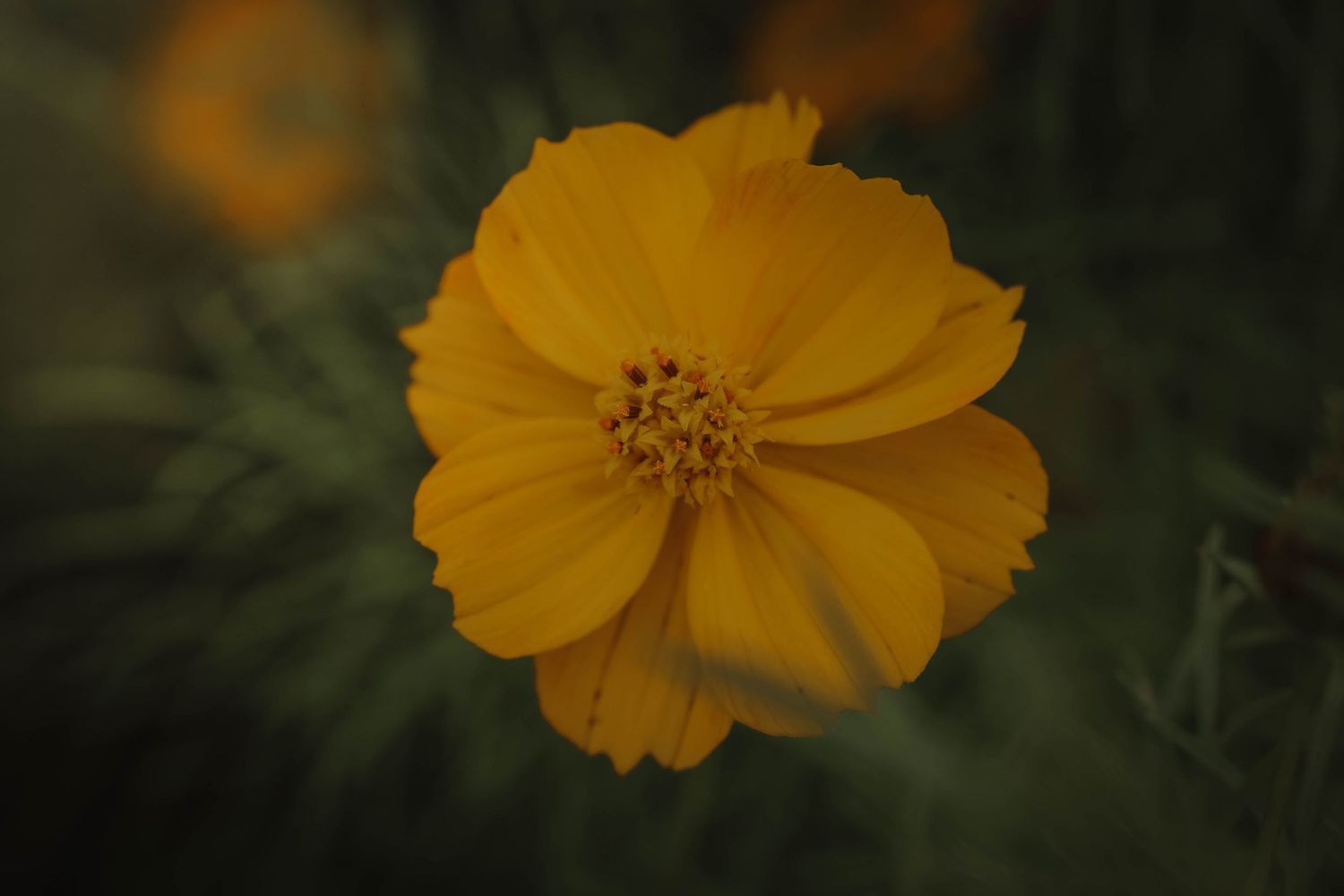
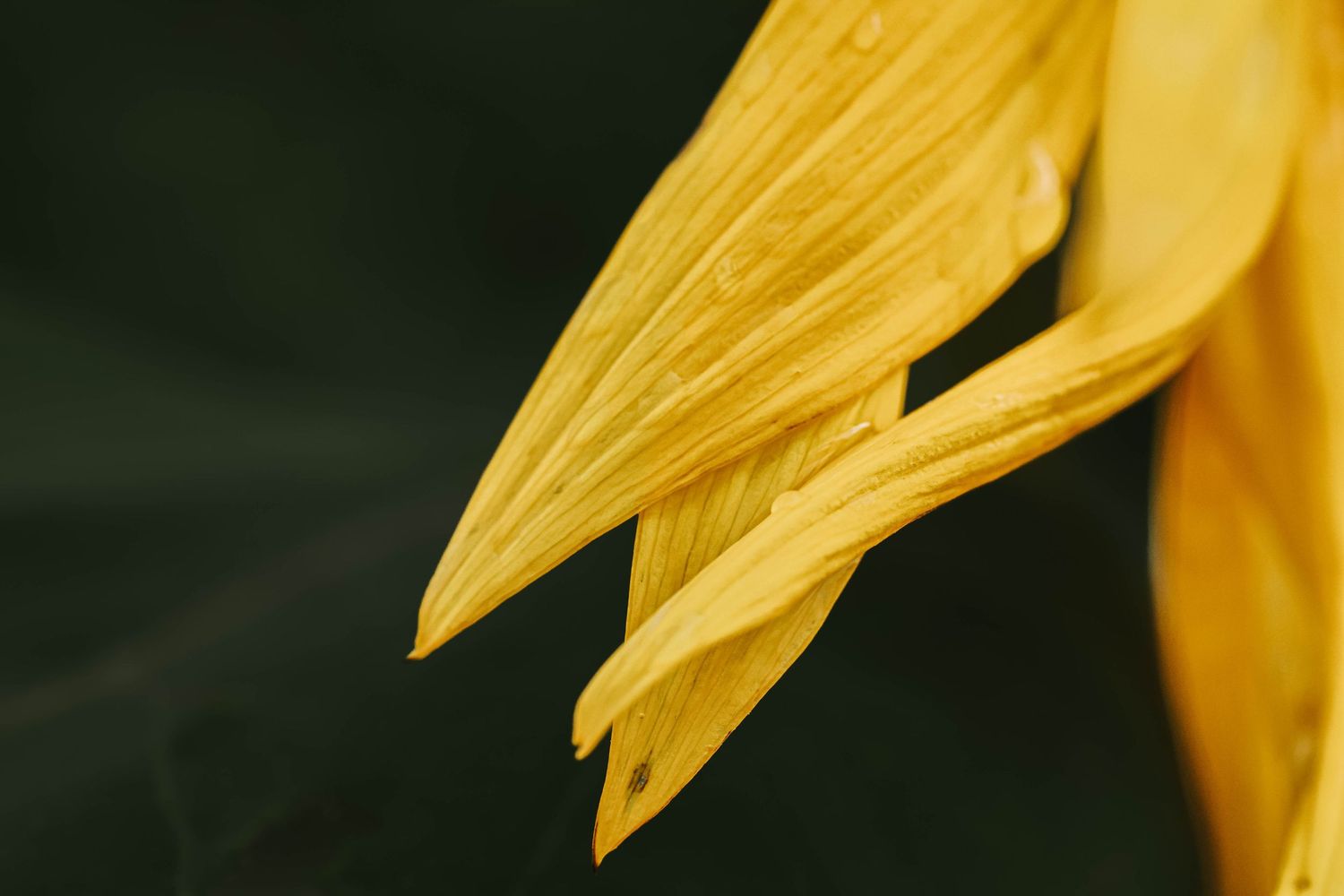
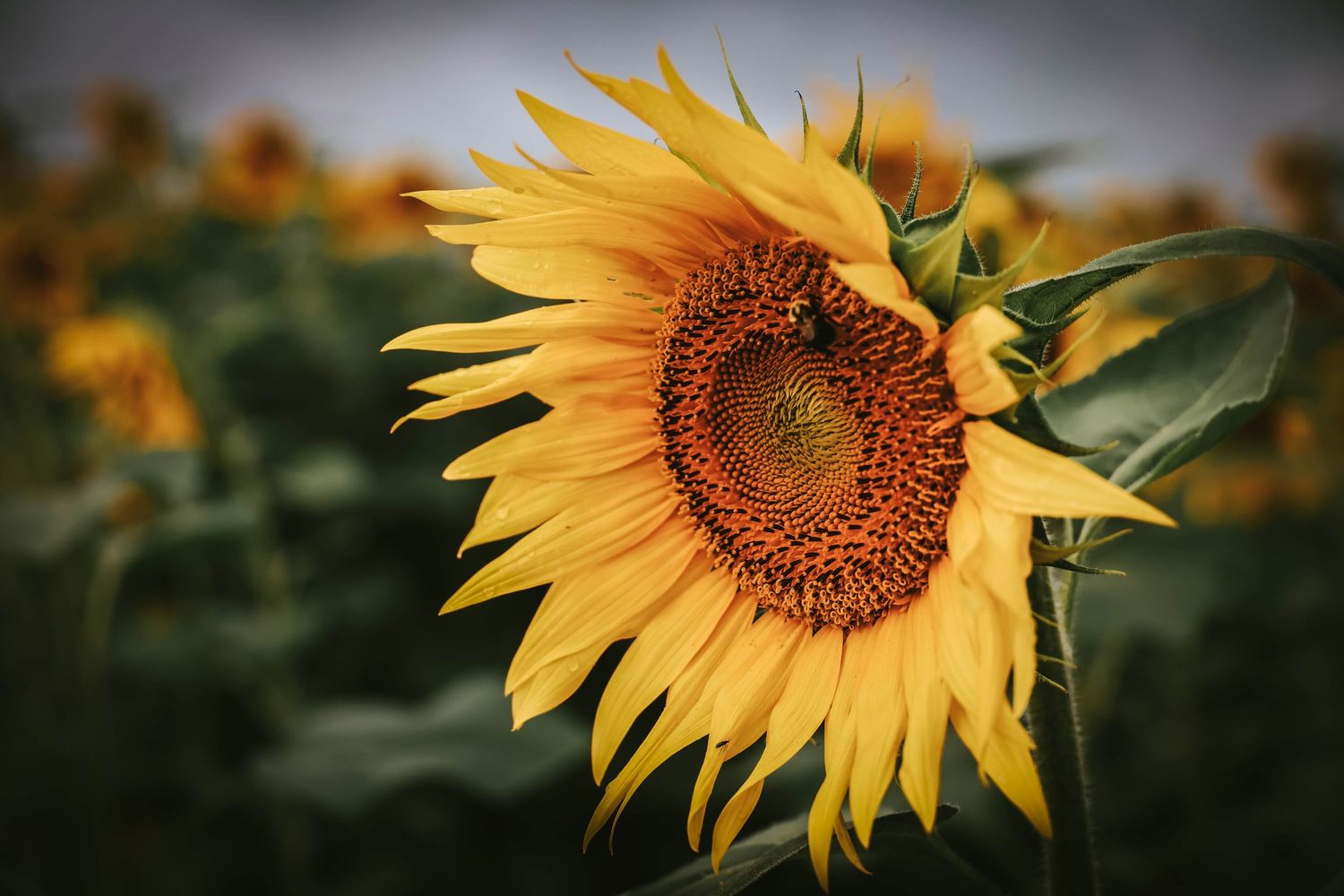
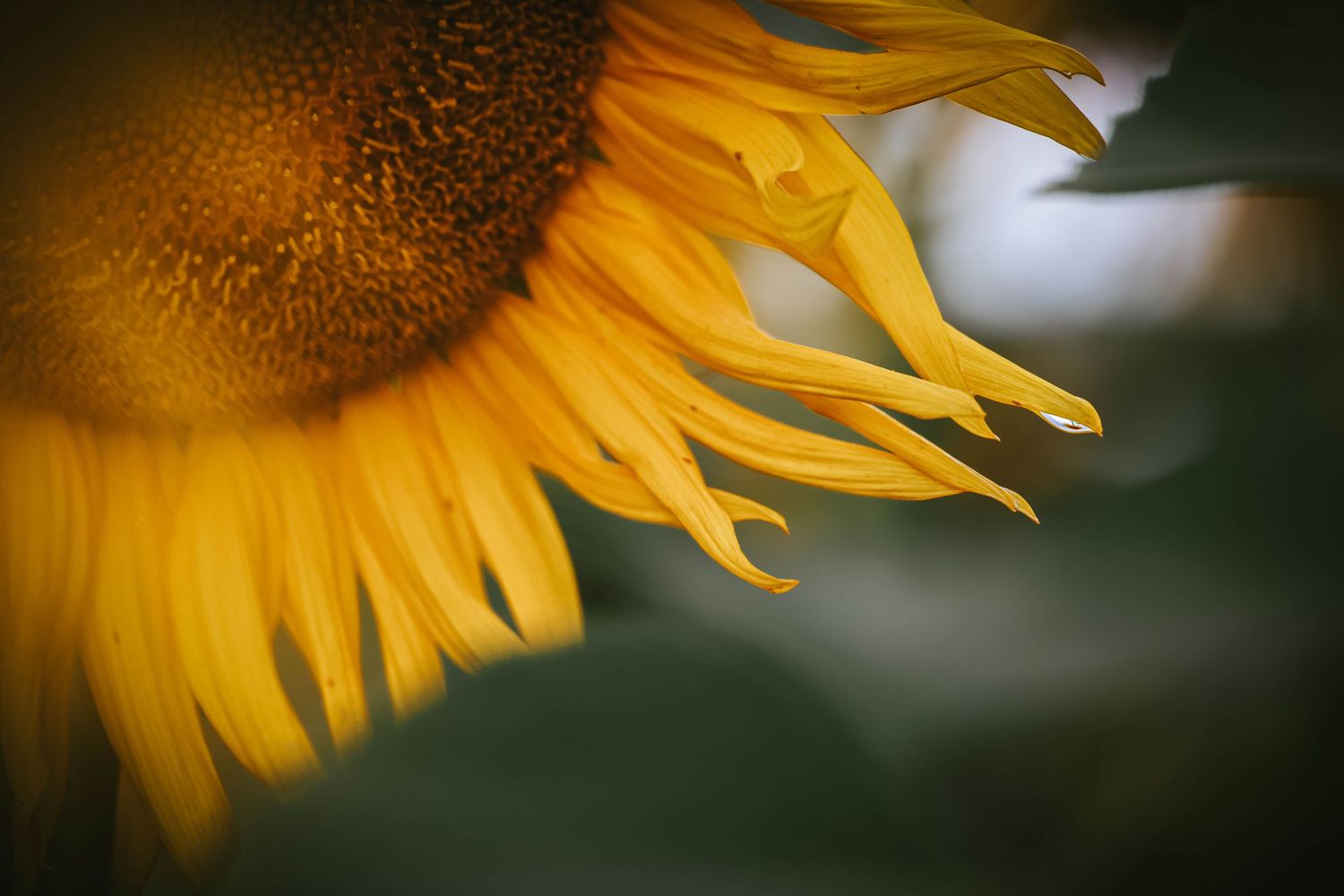
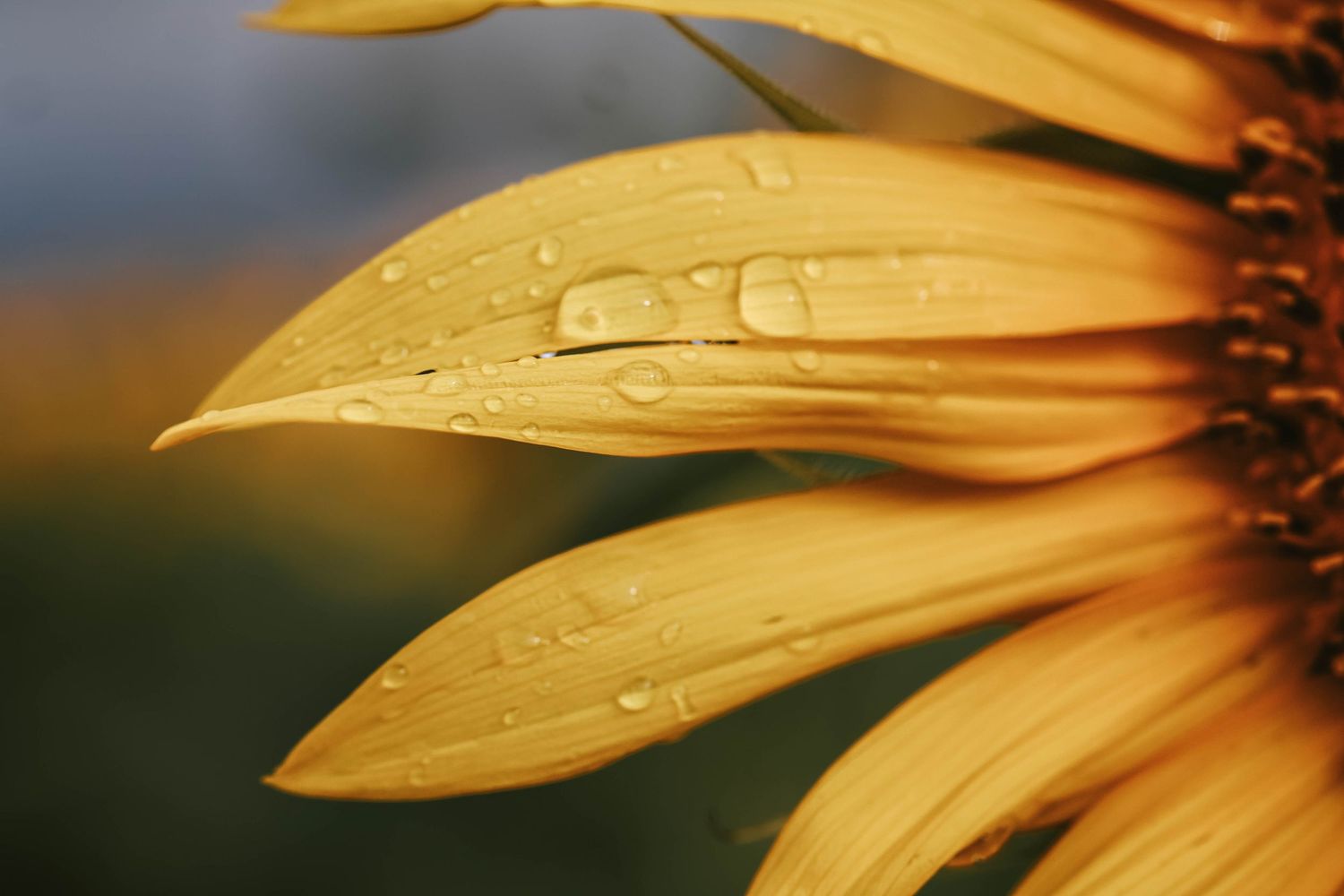
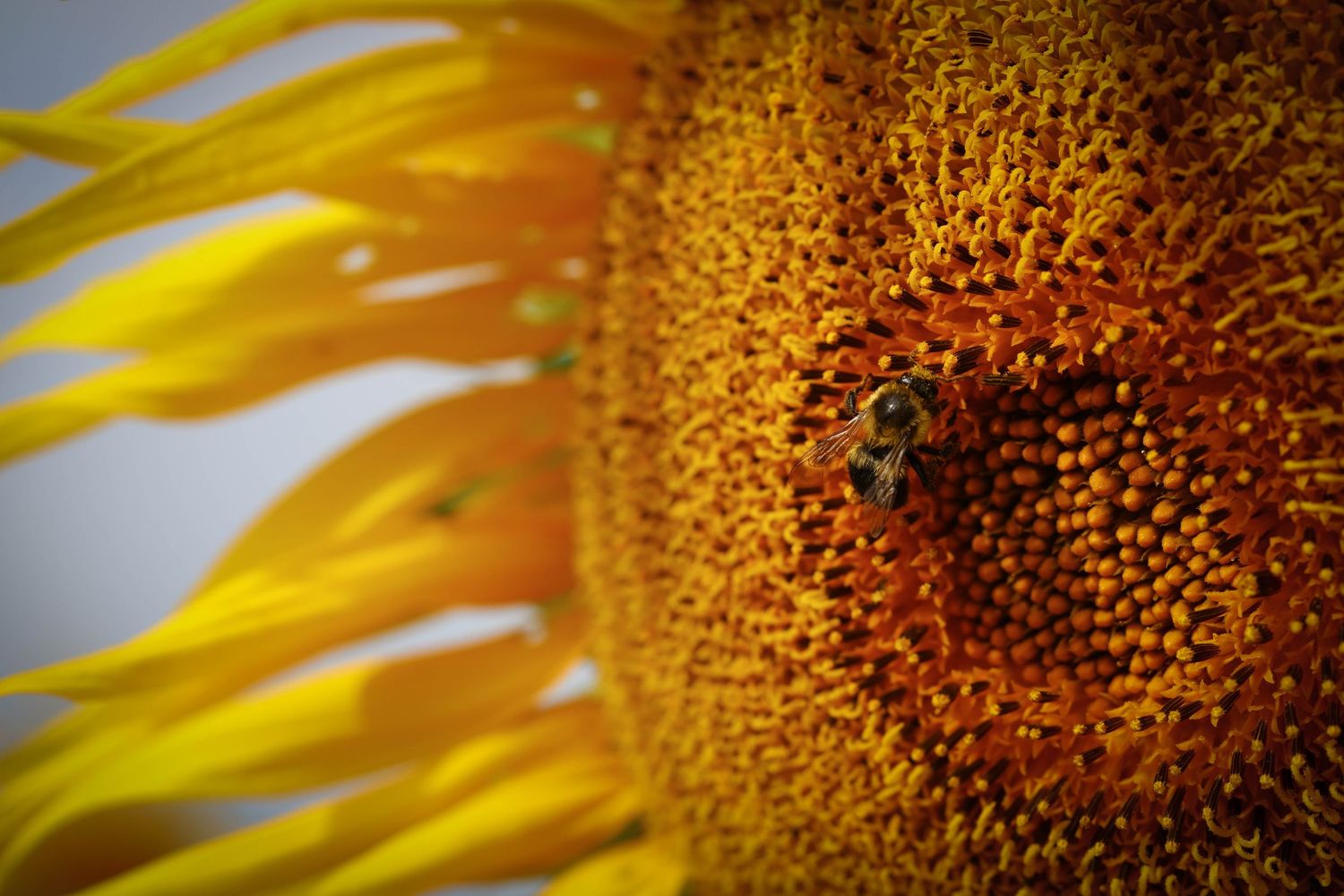
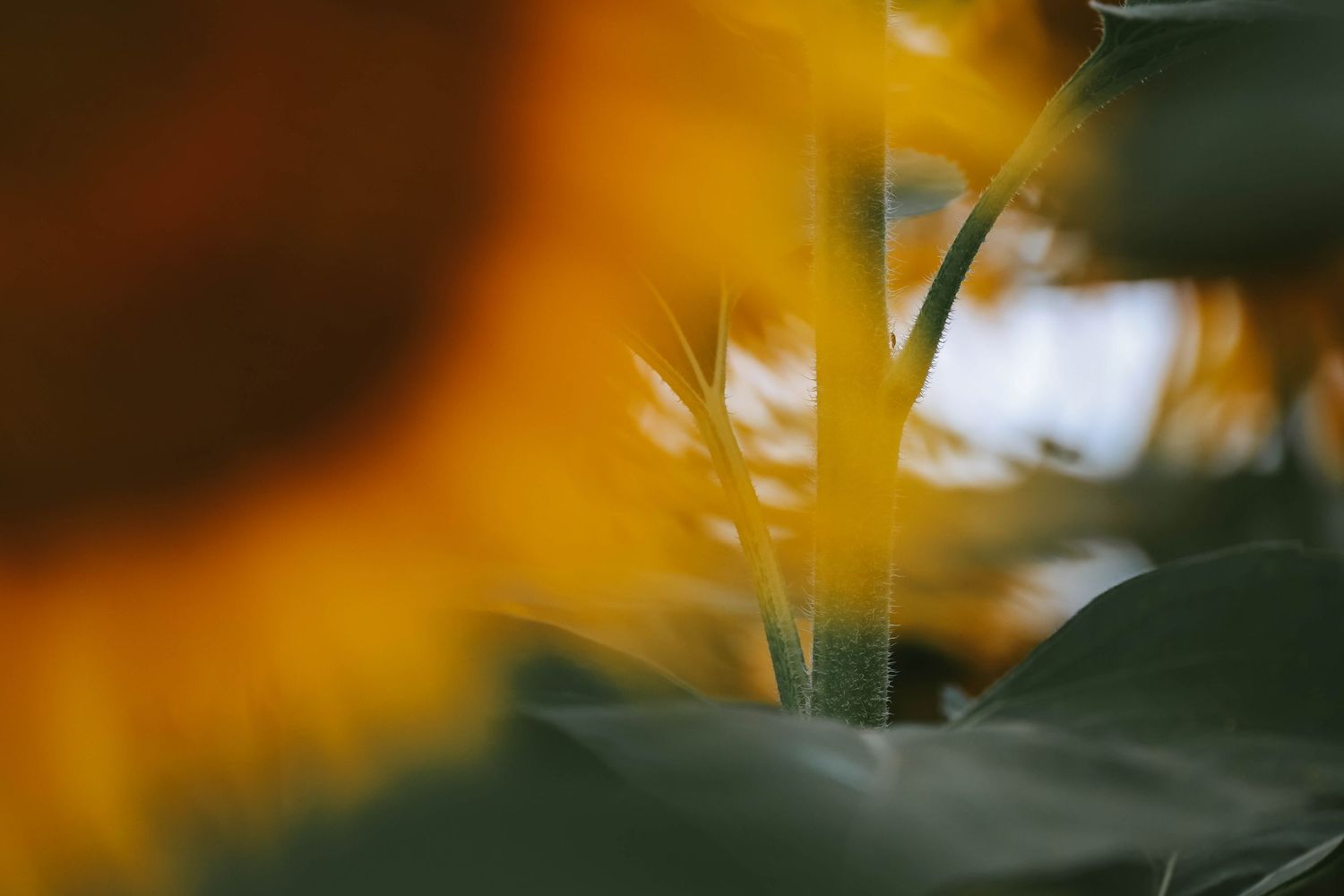
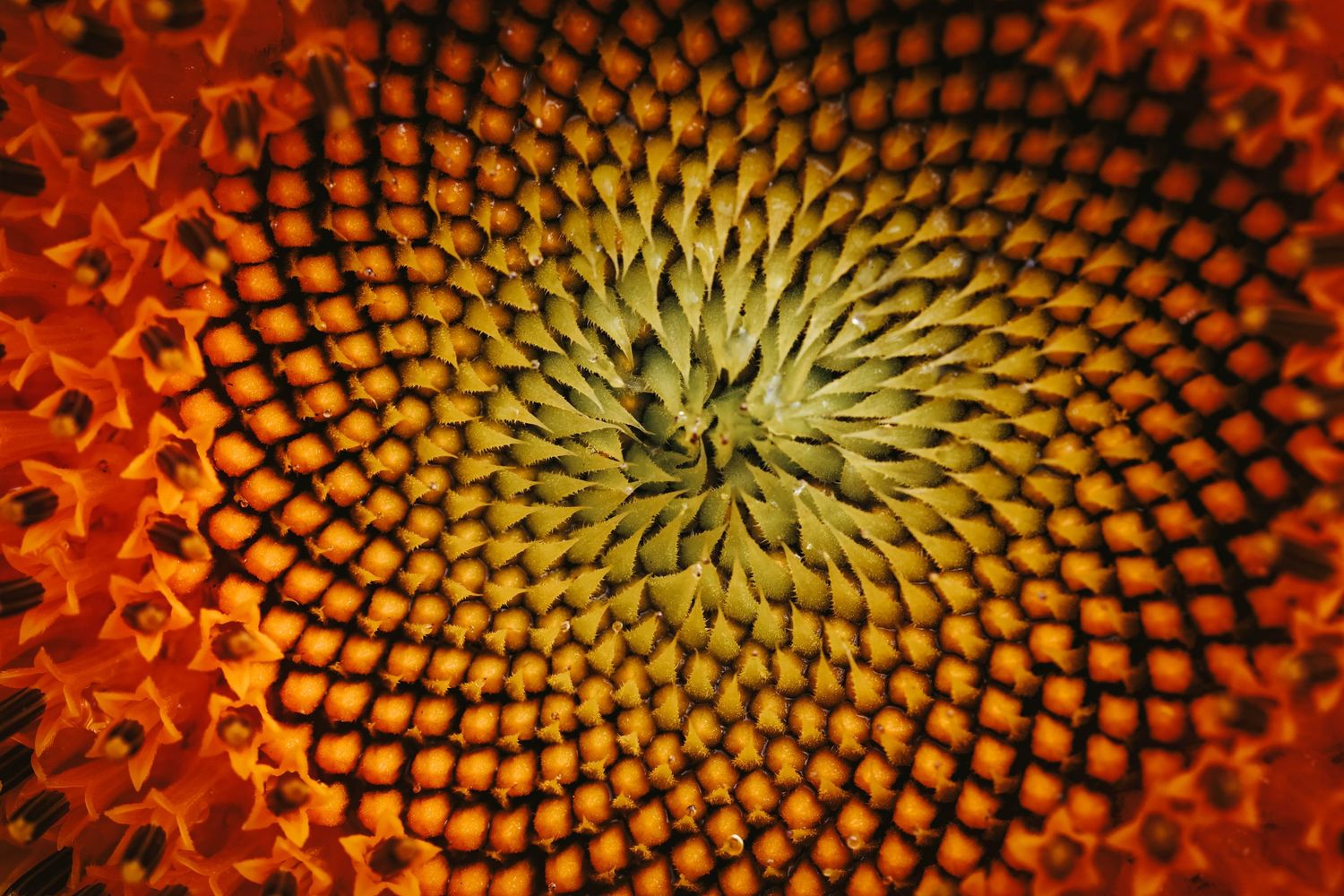
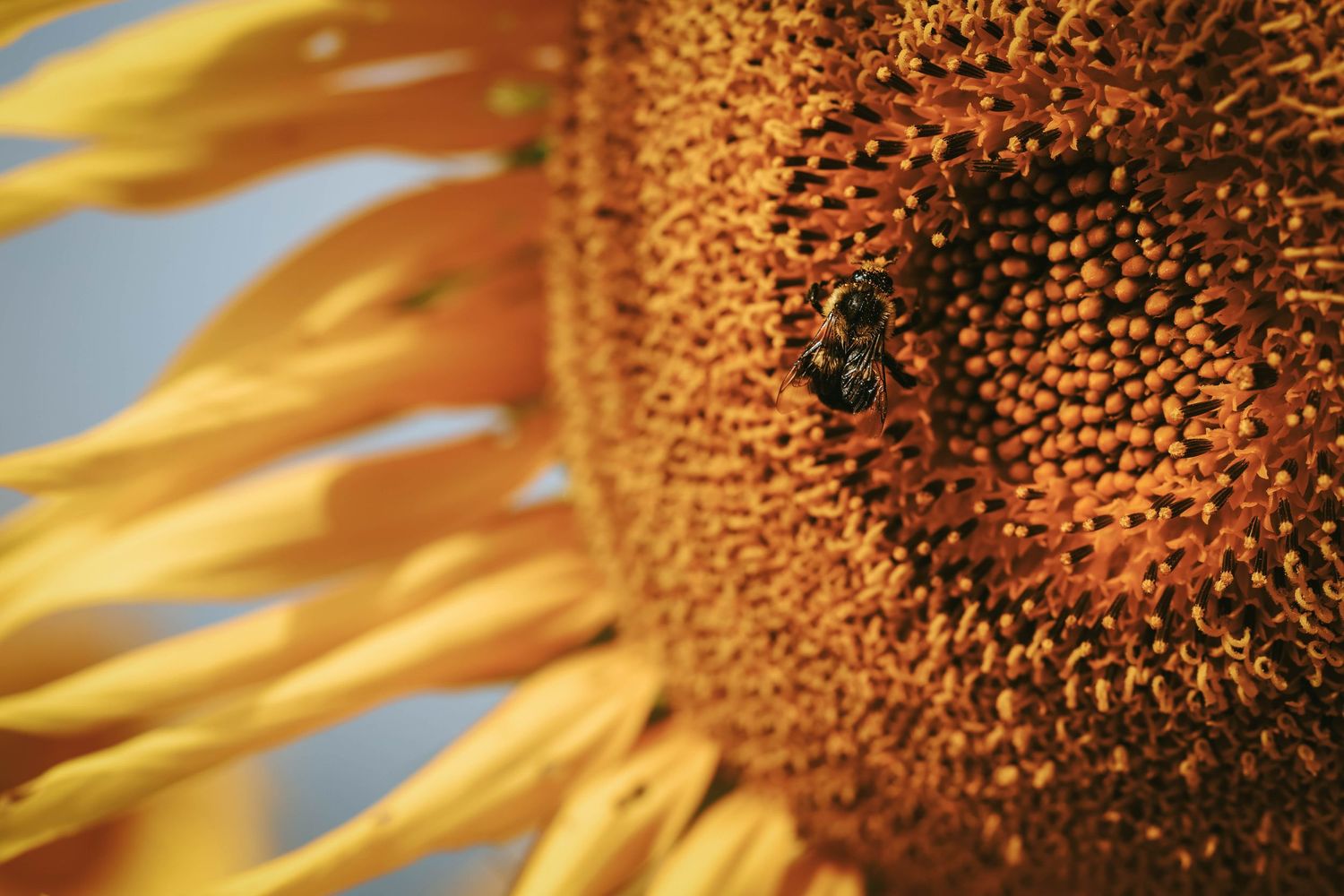
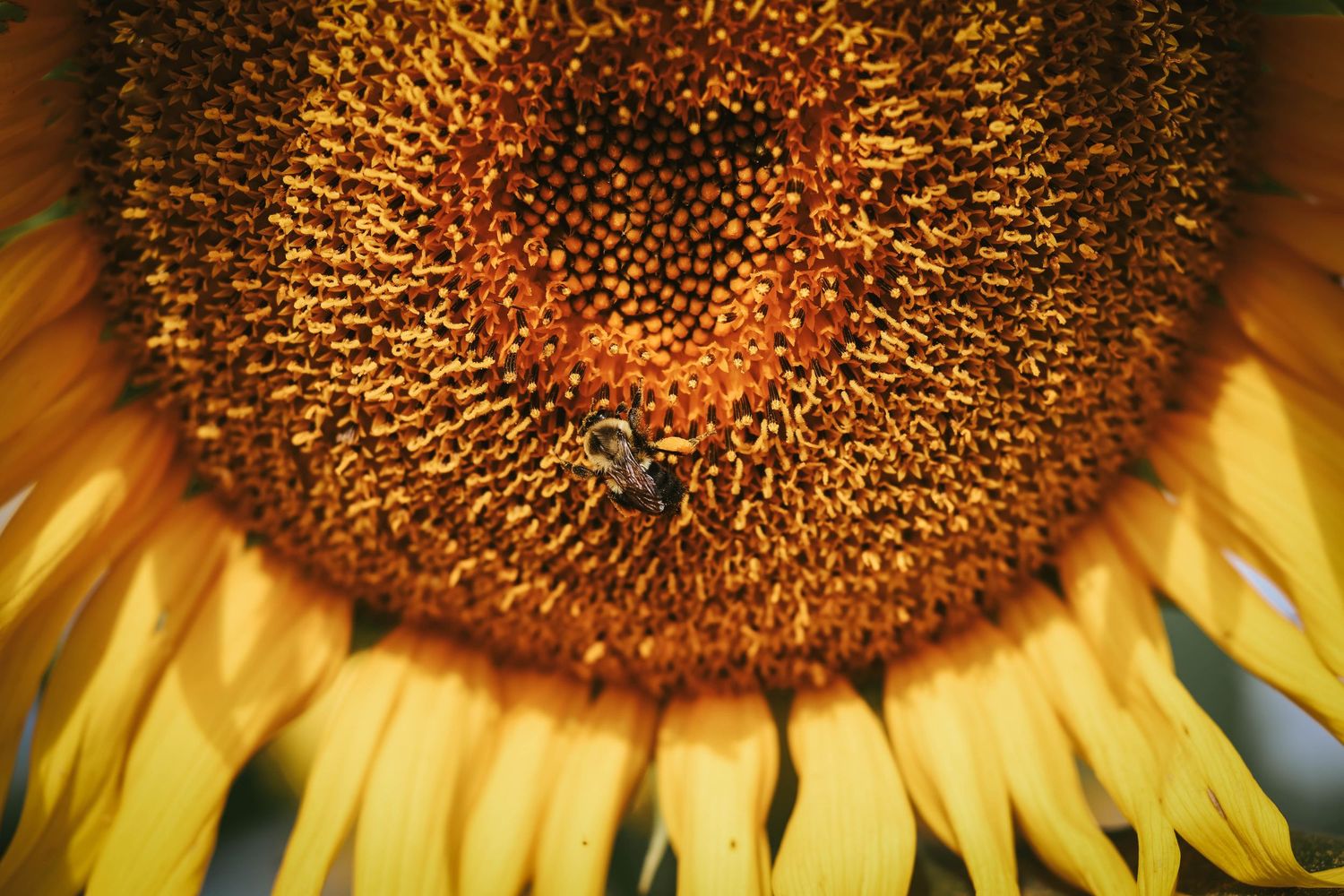
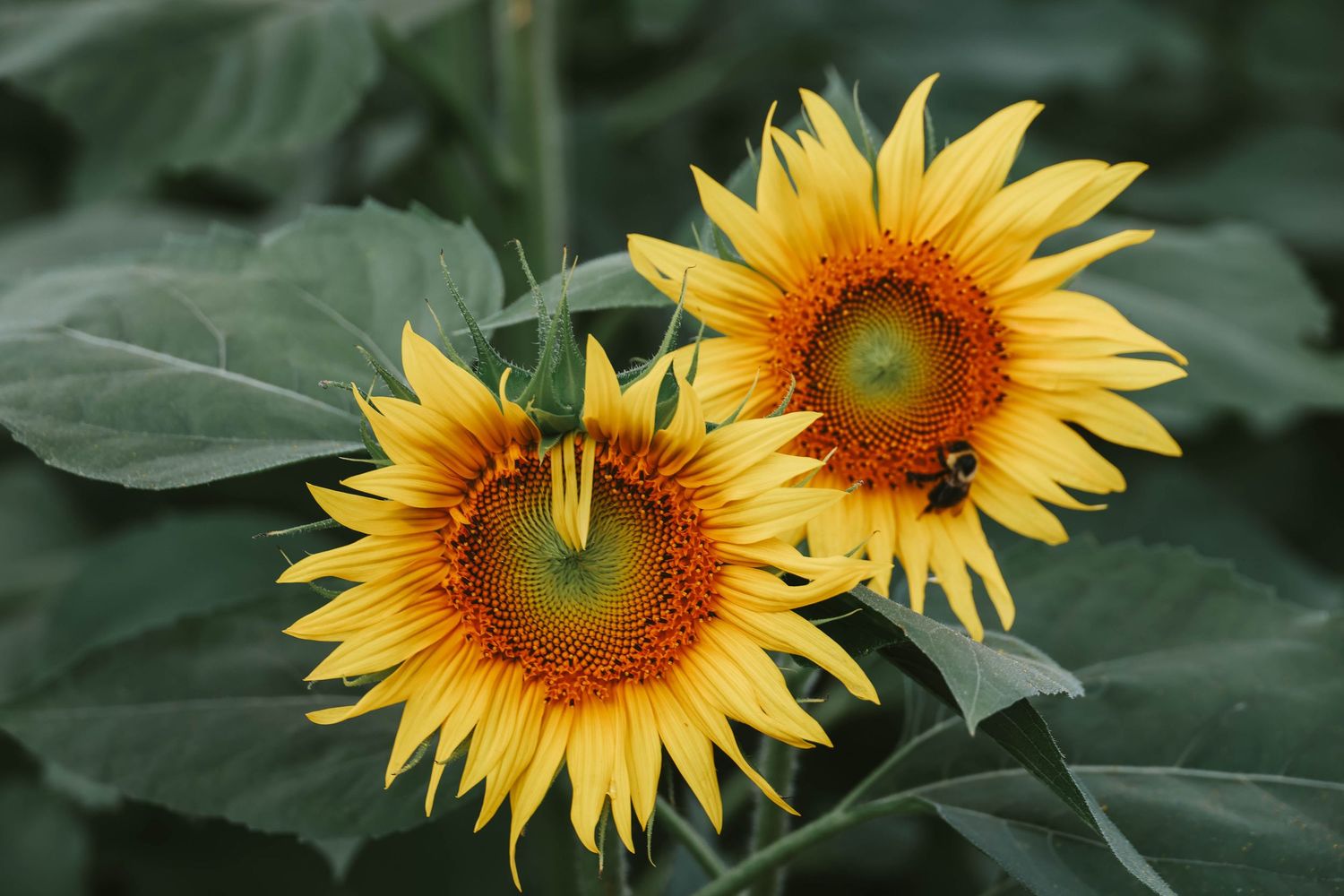
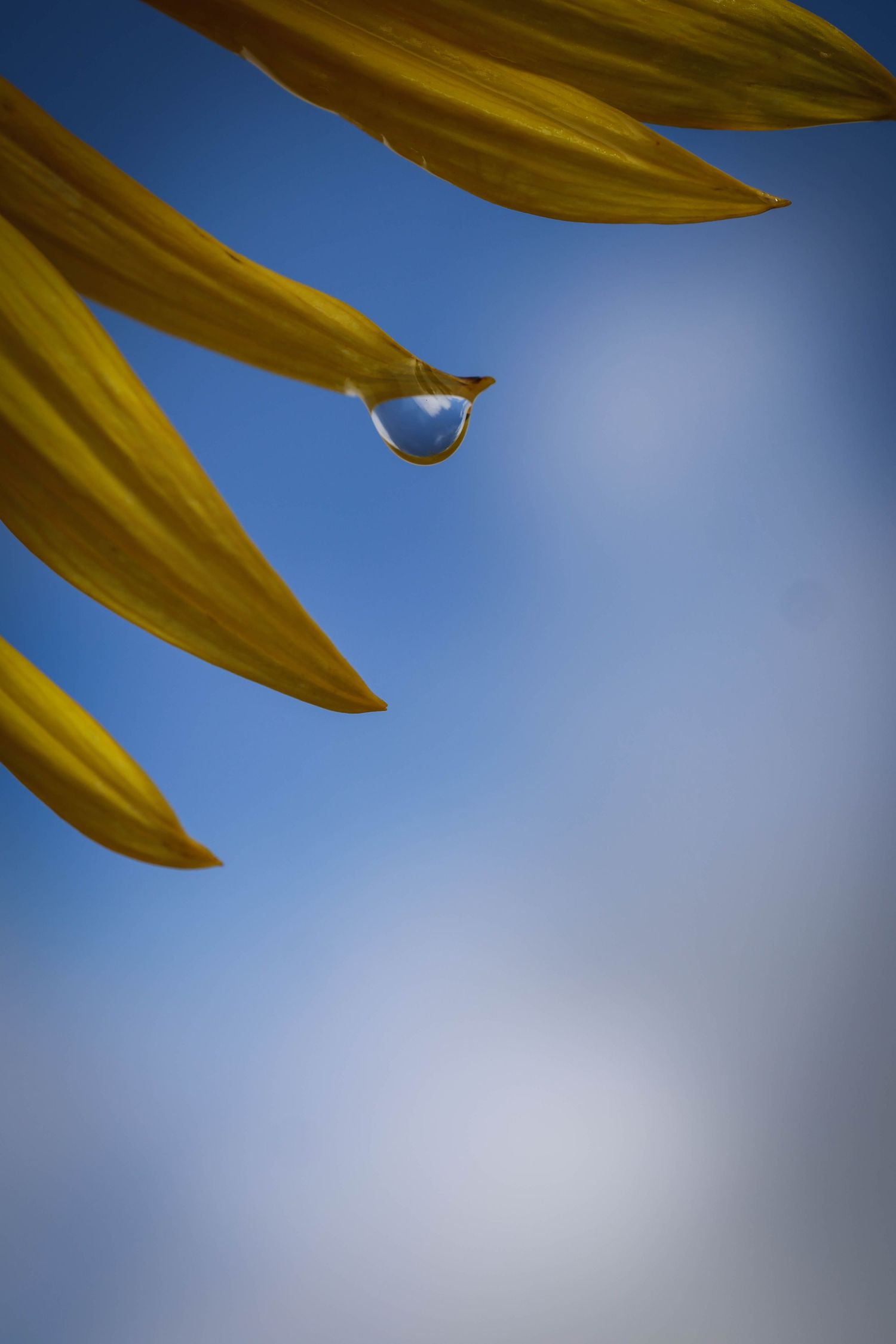
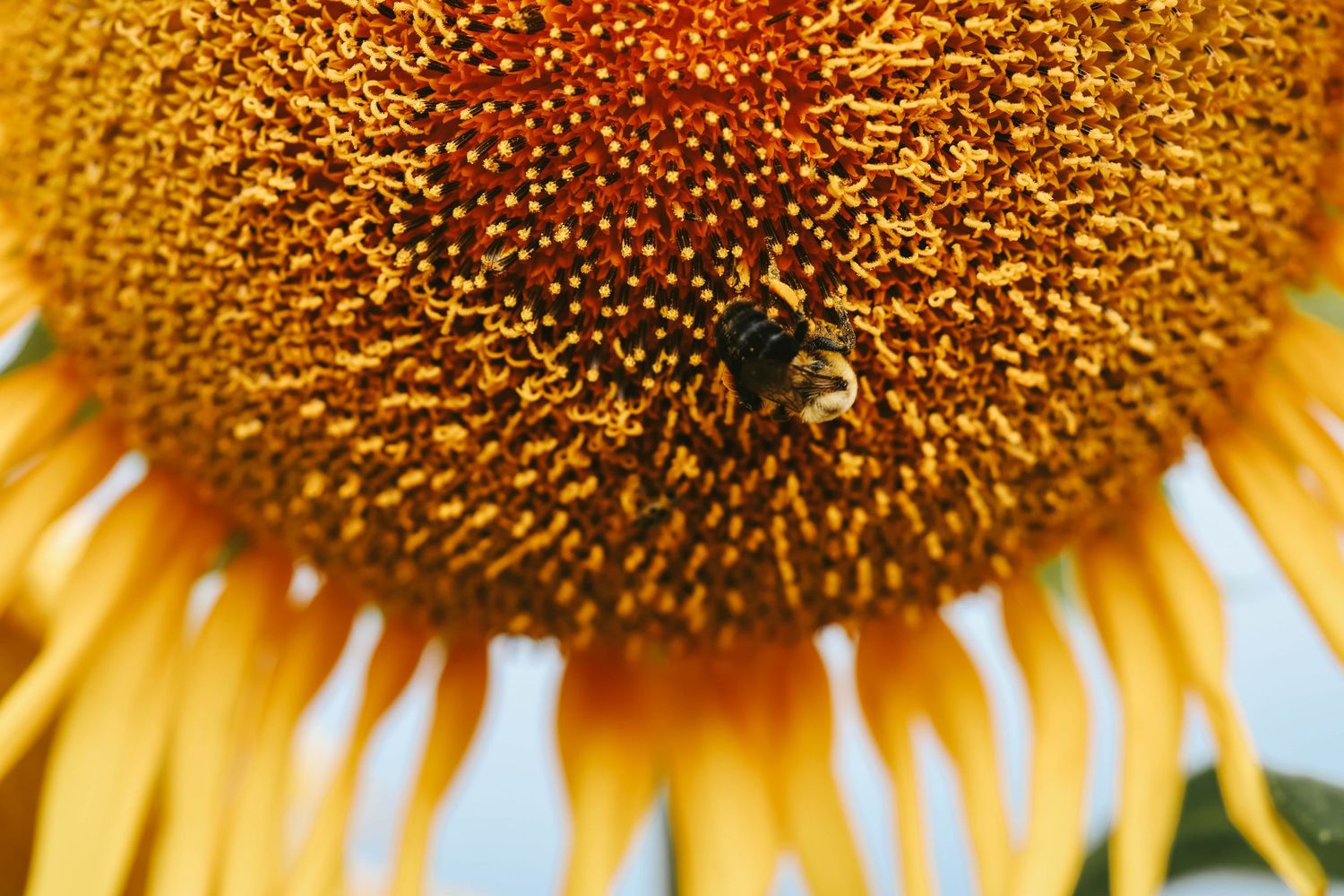
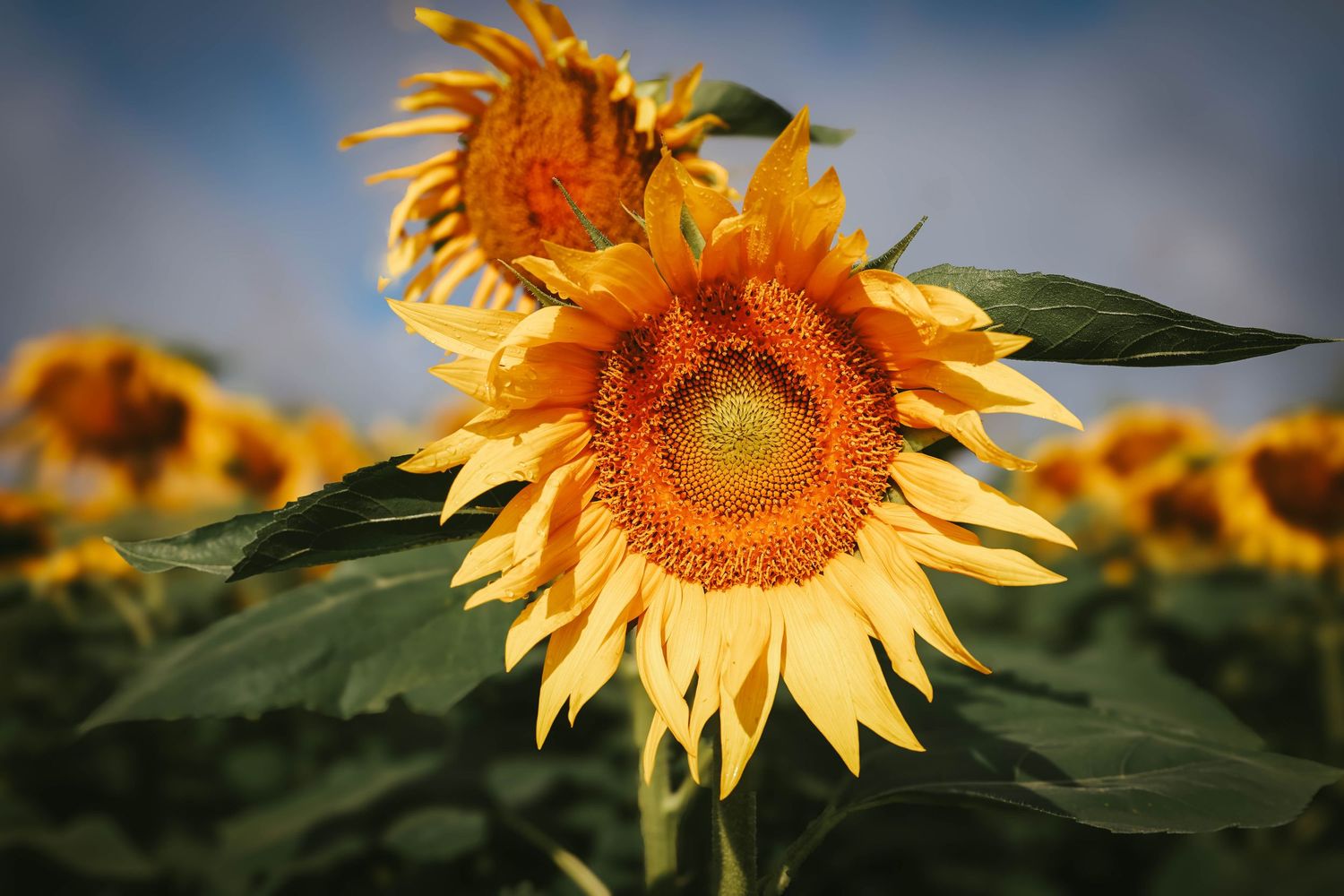
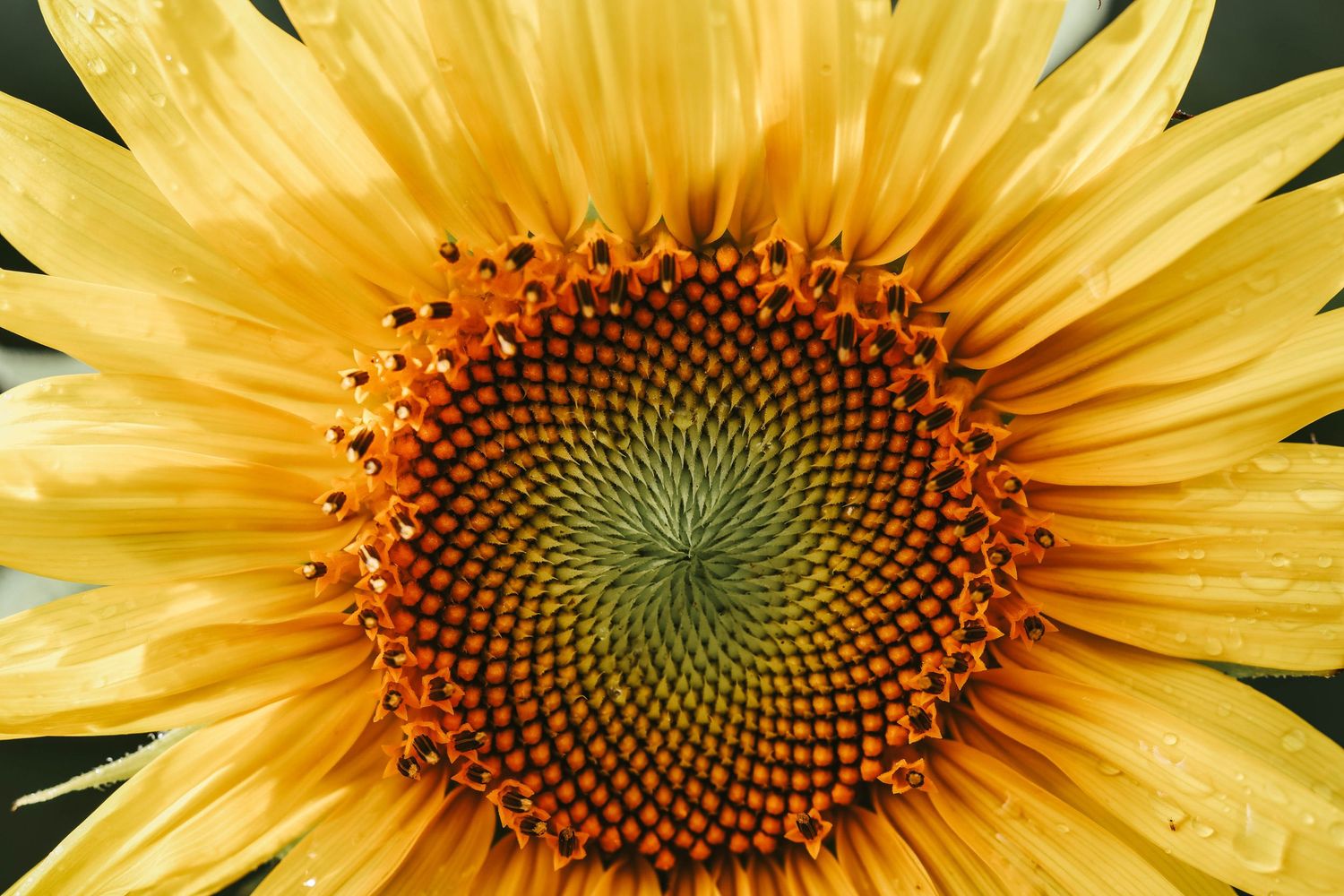
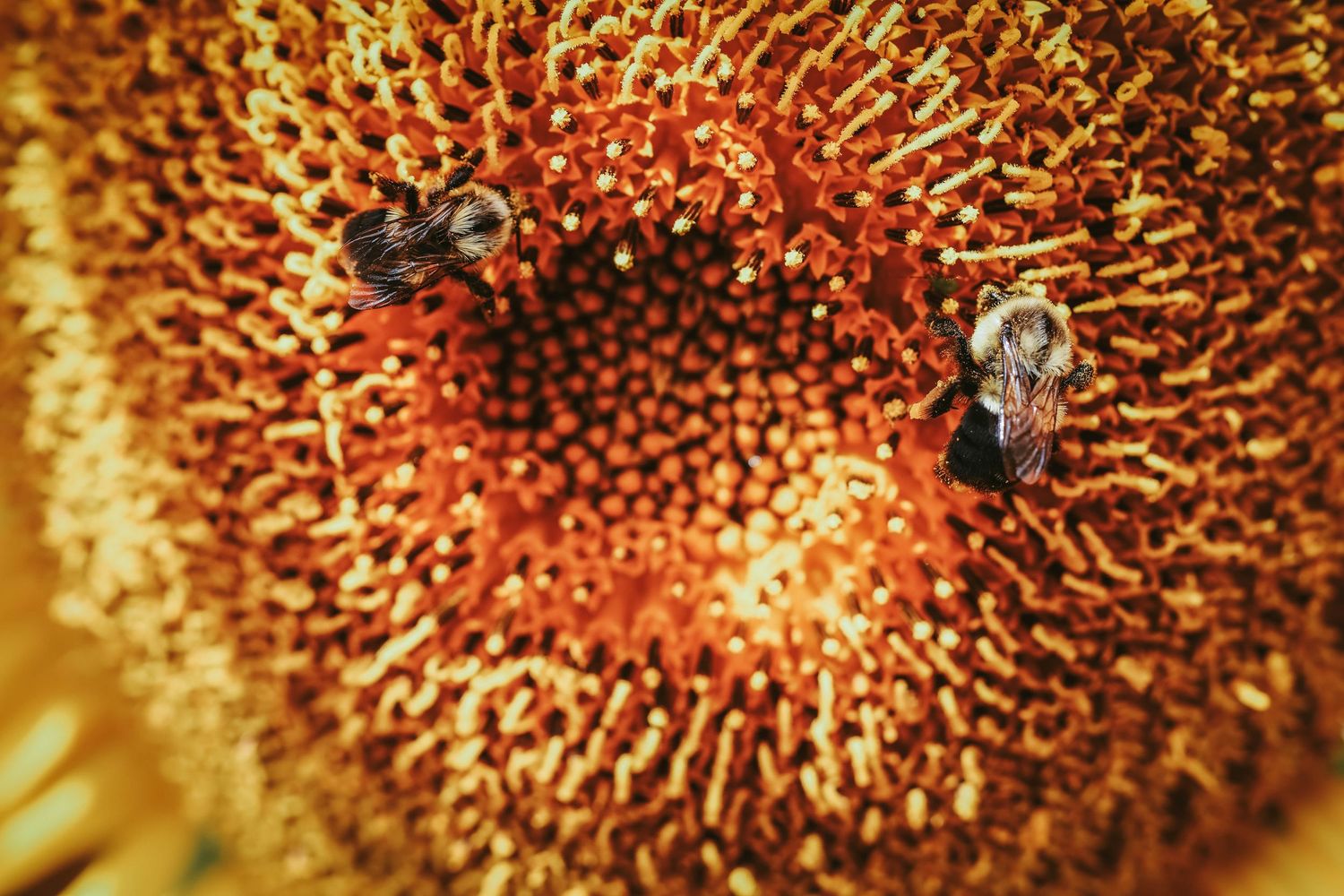
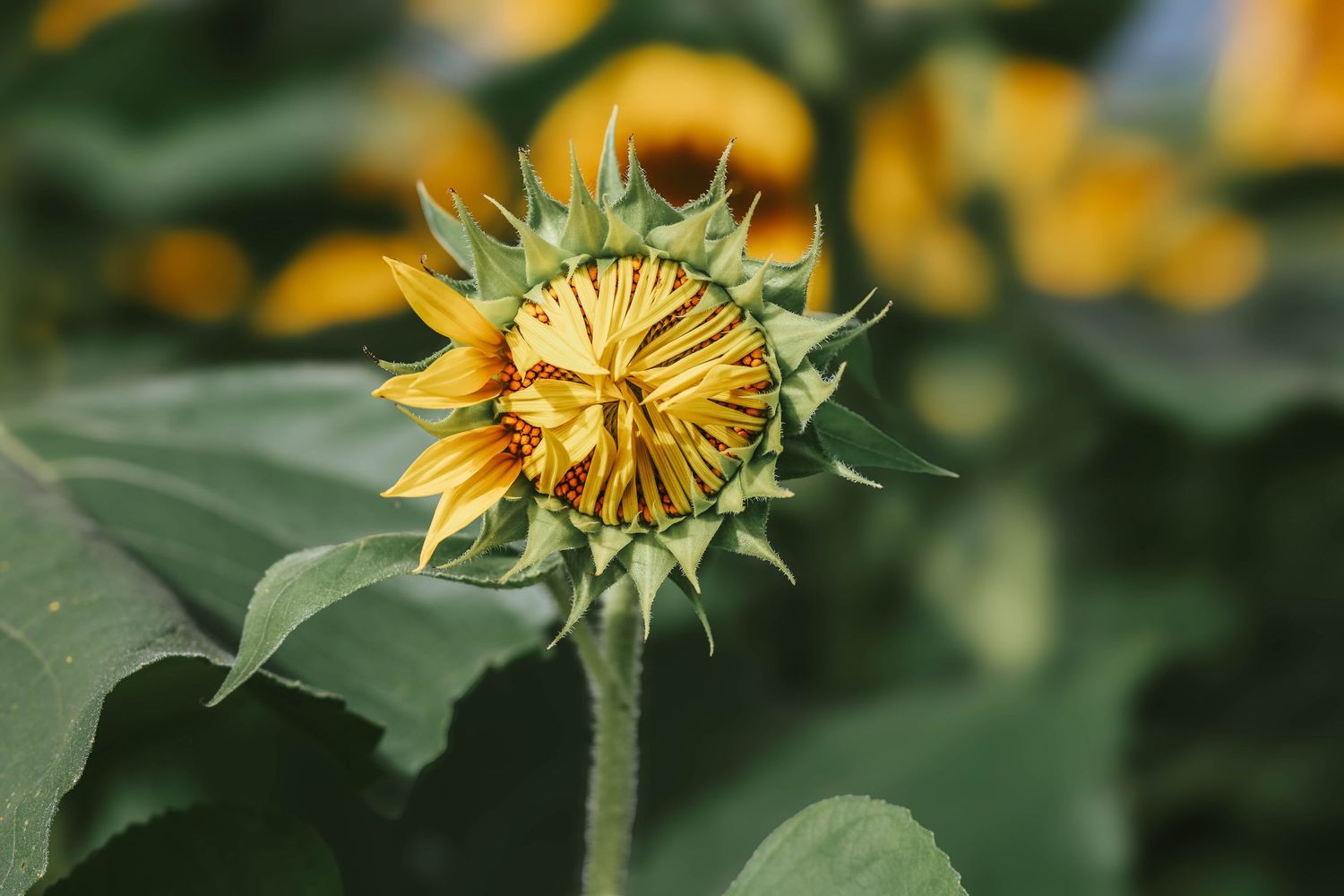
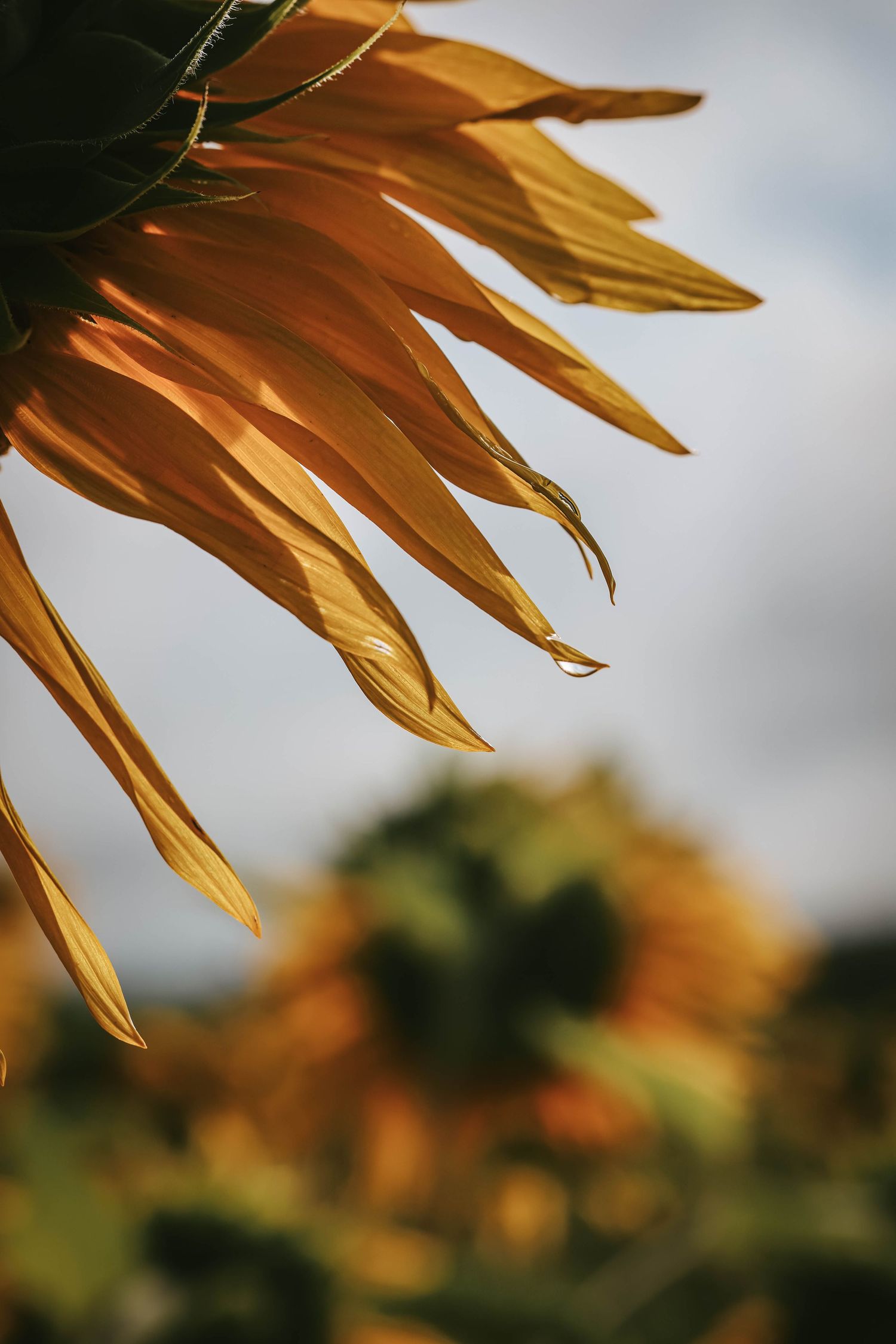
A bee crawling across the center of a bloom. Water sitting on the edge of a petal. Fine hairs covering a sunflower stem. Layers of translucent yellow petals catching the light.
Those little details tell the story of the garden just as much as a sweeping landscape does.
Don't only photograph the front of the flower
This is one of my biggest suggestions.
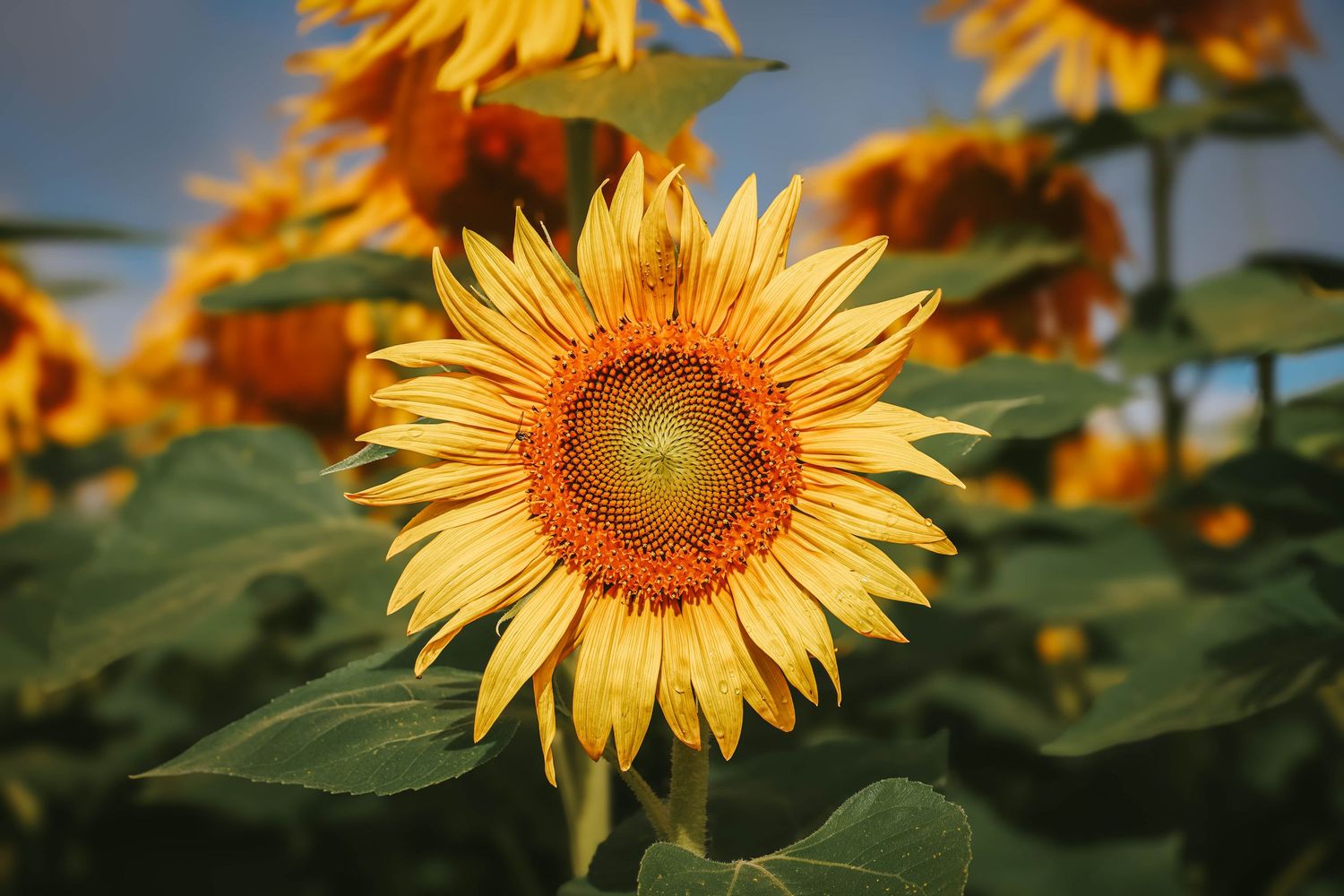
When people arrive at a sunflower field, the instinct is usually to search for the most perfect sunflower facing the camera.
Do that—but then walk around it.
Photograph the back.
Photograph underneath it.
Photograph a flower bending down.
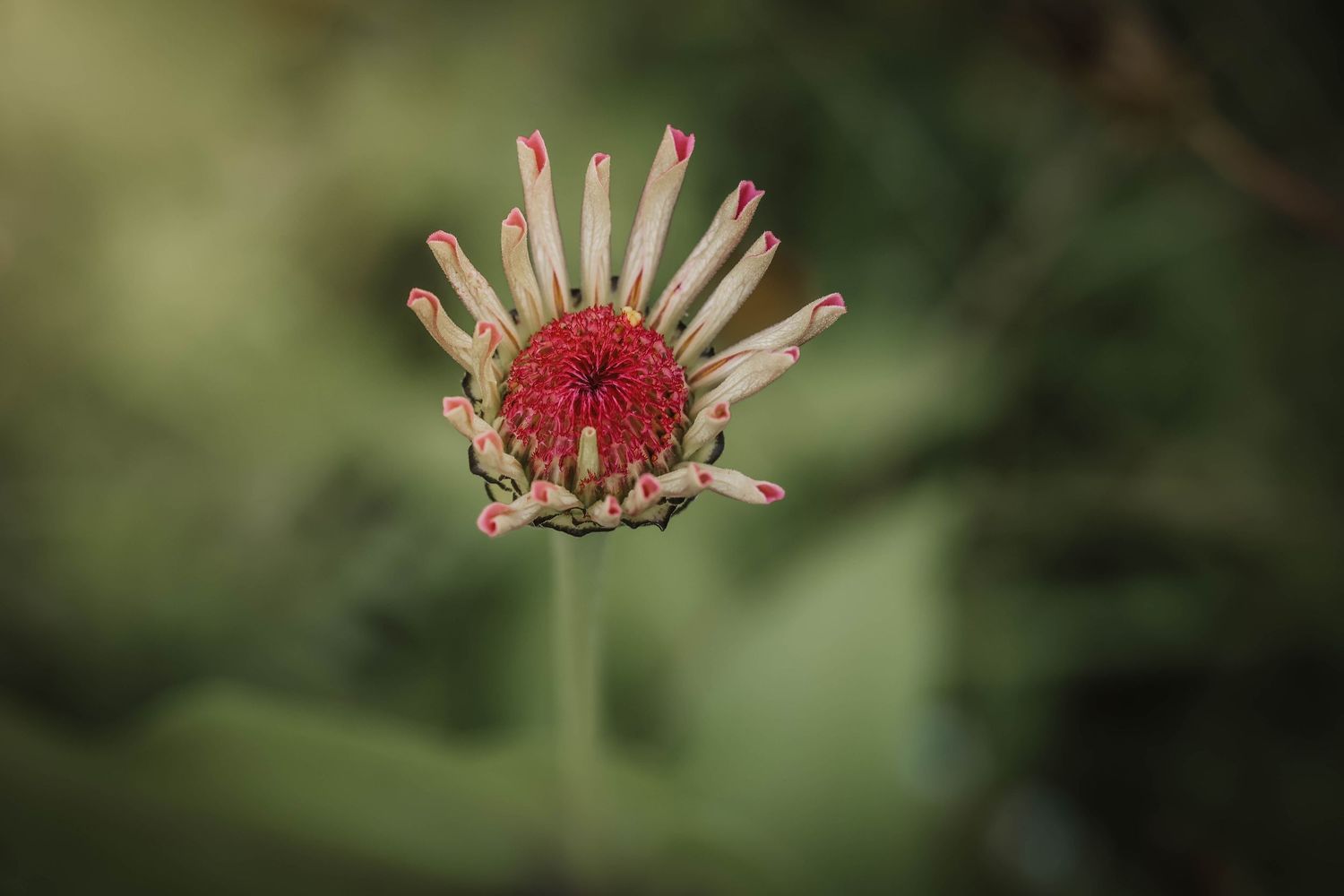
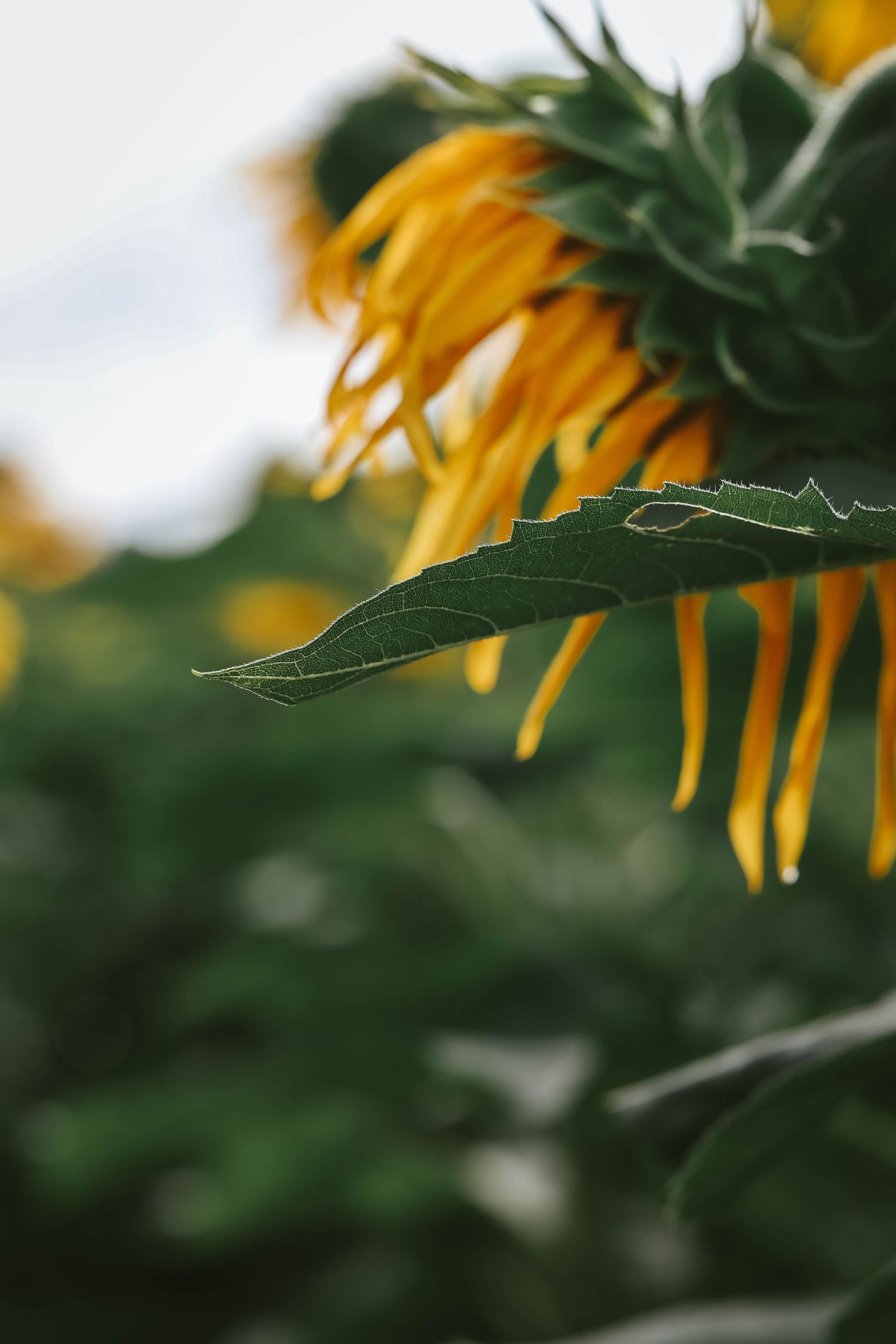
Photograph petals that are curling or beginning to fade.
Get close enough that the photograph becomes almost abstract.
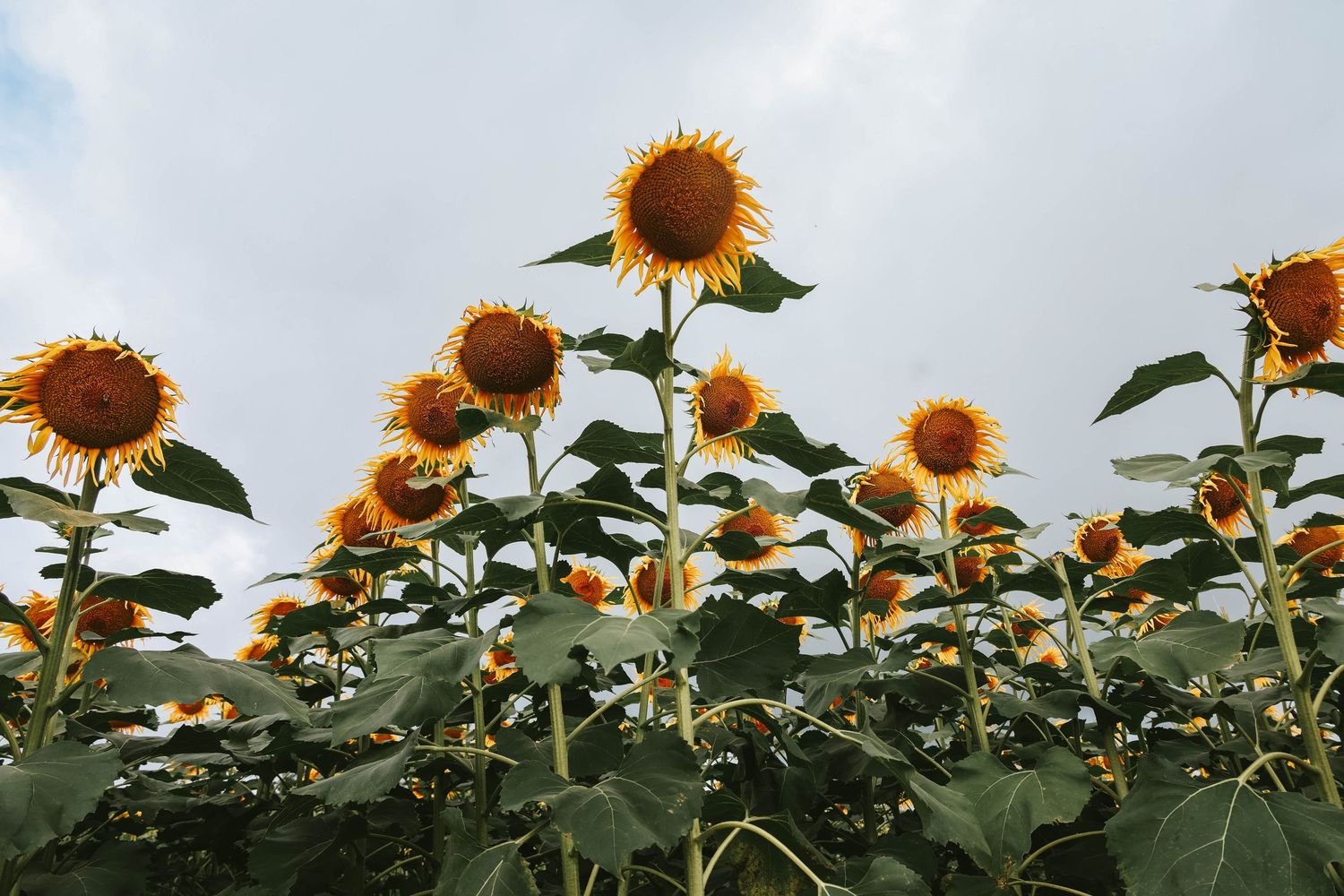
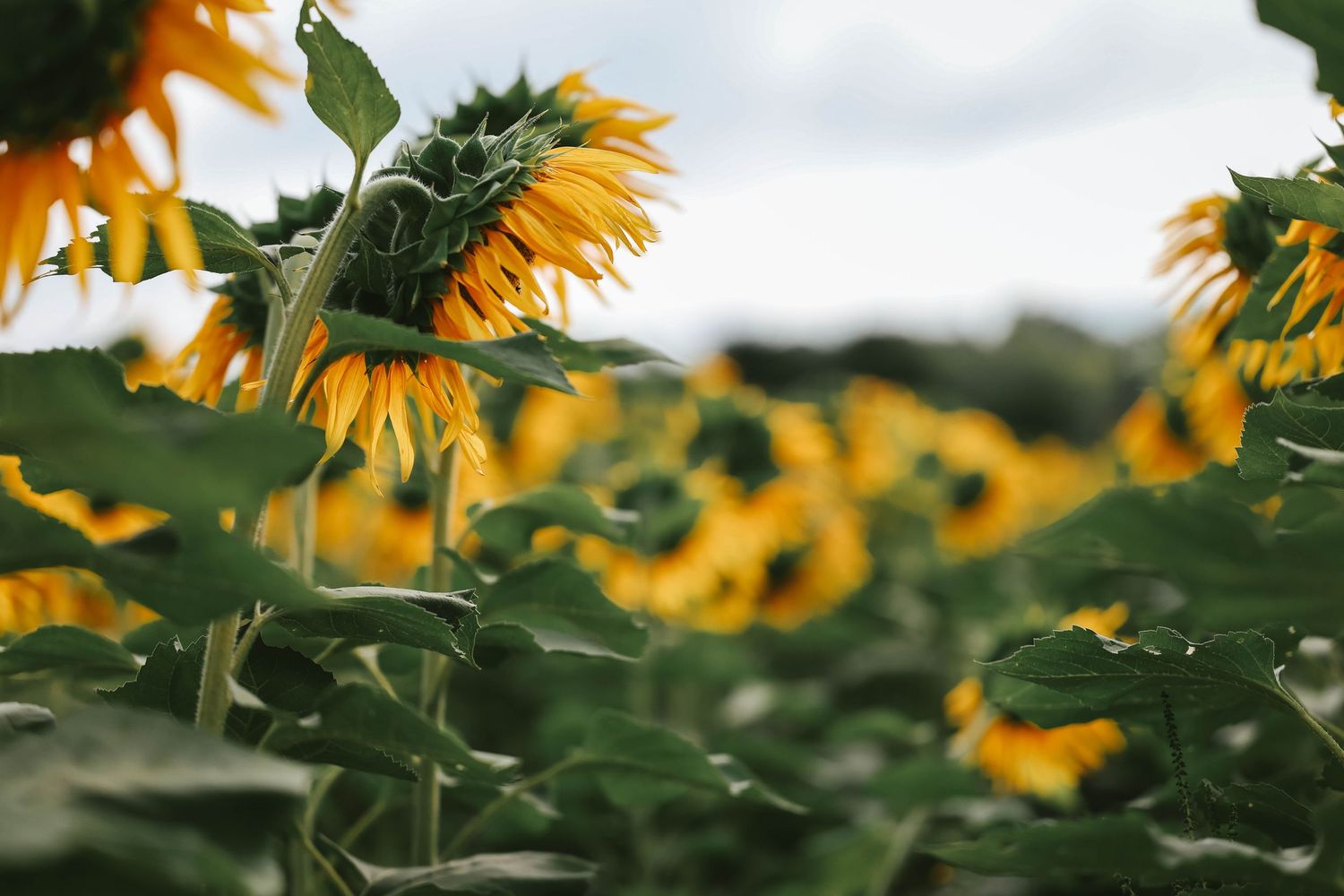
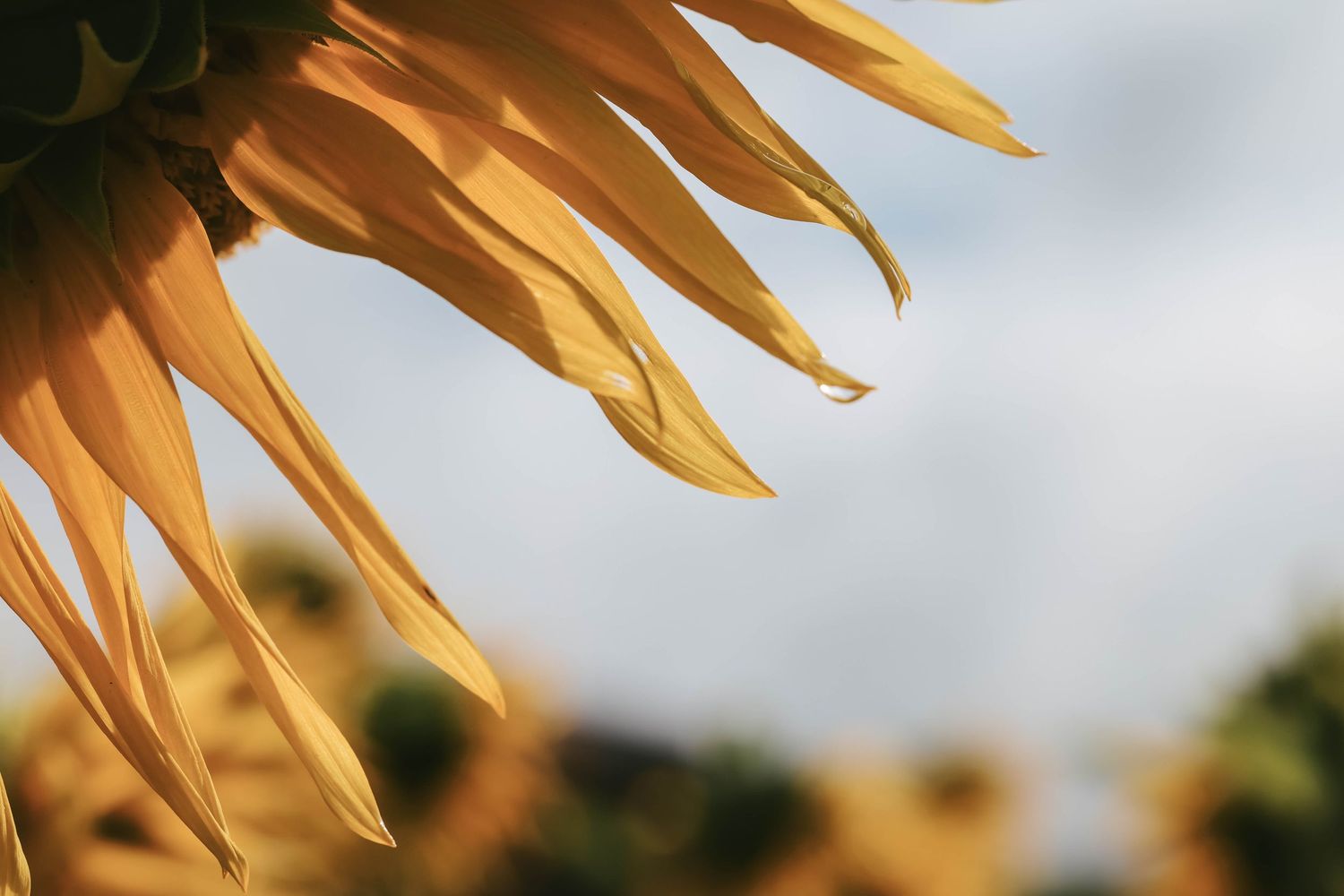
One of the things I particularly liked about this field was photographing the sunflowers from below. Looking upward transformed them from flowers into towering shapes against the sky.
That change in perspective created completely different photographs without ever leaving the same few feet of the garden.
Watch which way the flowers are facing
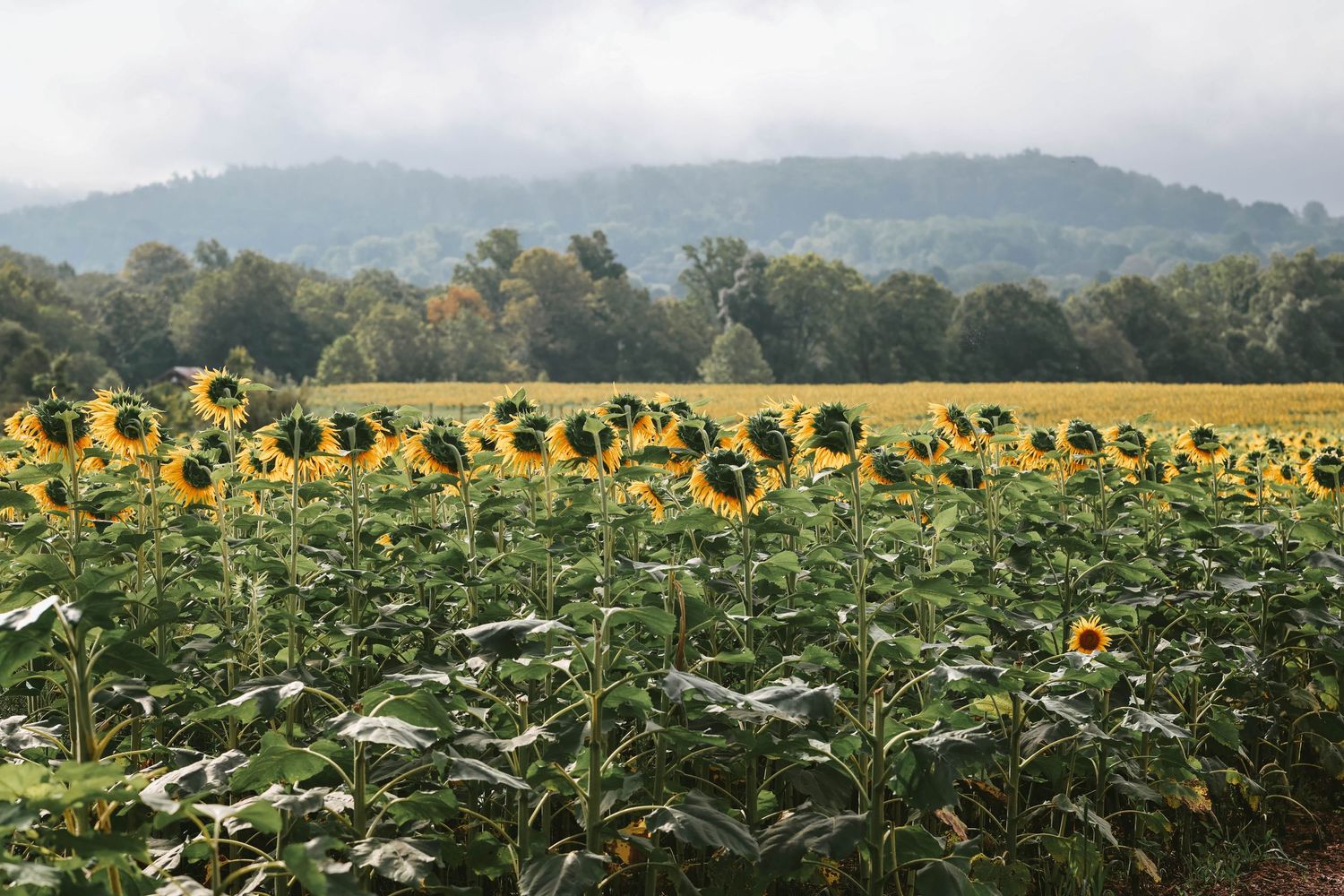
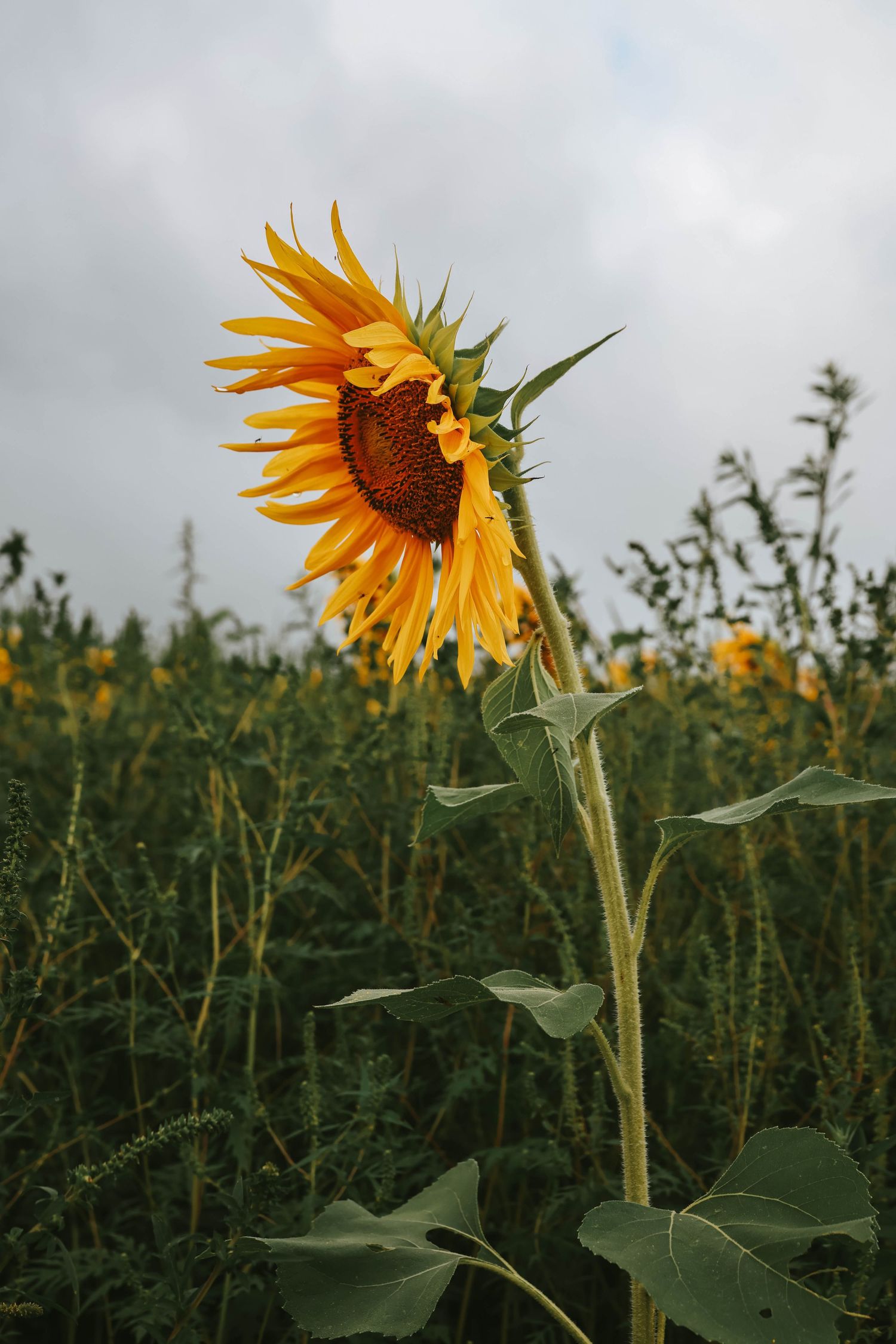
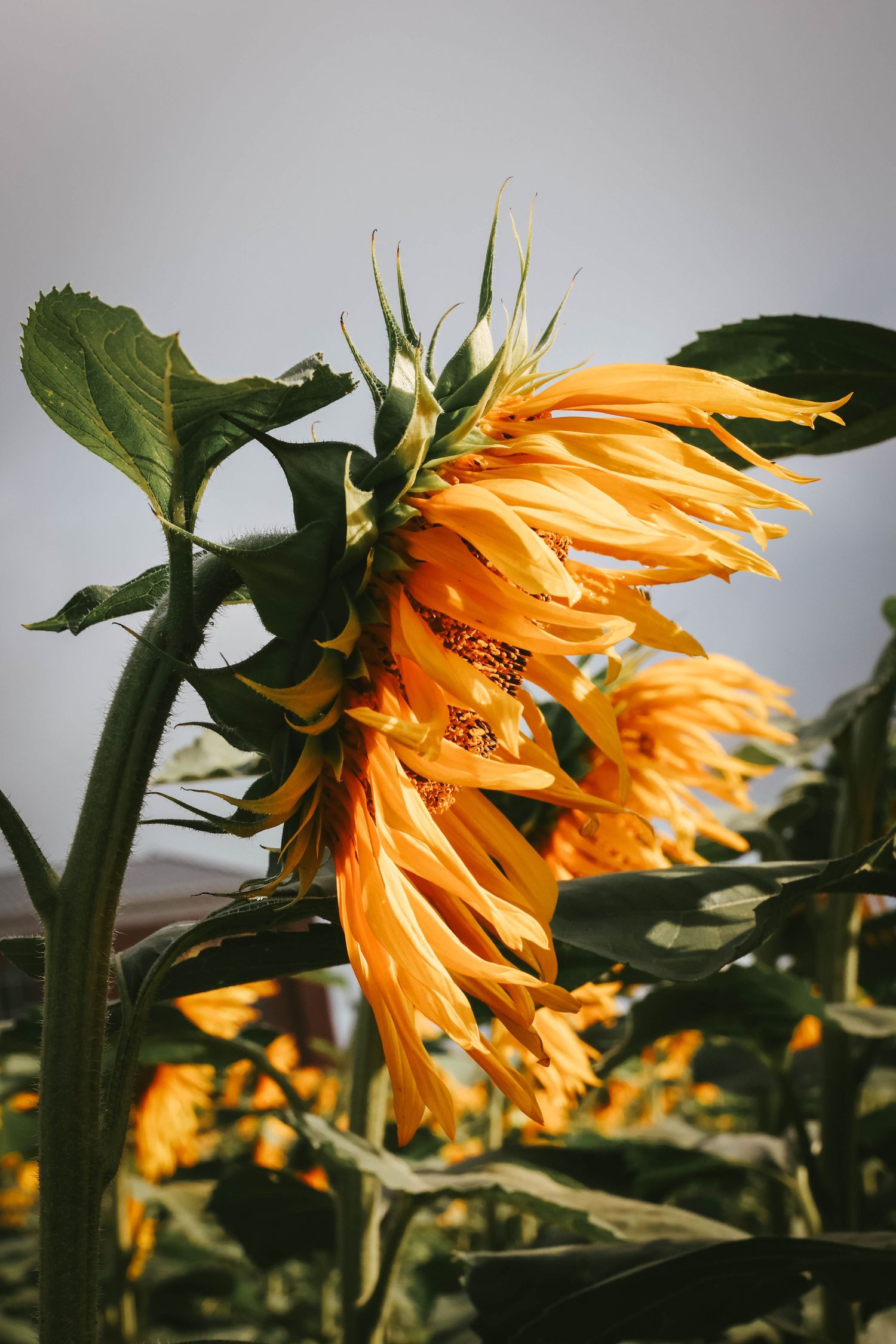
Sunflowers naturally orient themselves according to their growth stage and sunlight, so depending on when you visit, you may find yourself staring at the backs of many flowers from one direction.
Don't assume that means you are standing in the wrong place.
Sometimes the backs of the sunflowers make an even more interesting photograph.
Their green leaves and heavy flower heads create wonderful shapes, especially when backlit. Walk the paths in both directions and photograph from several sides before deciding where the best compositions are.
Use the paths as part of the photograph
The pathways through the field are one of the strongest compositional tools available.
Rather than cropping them out, use them.
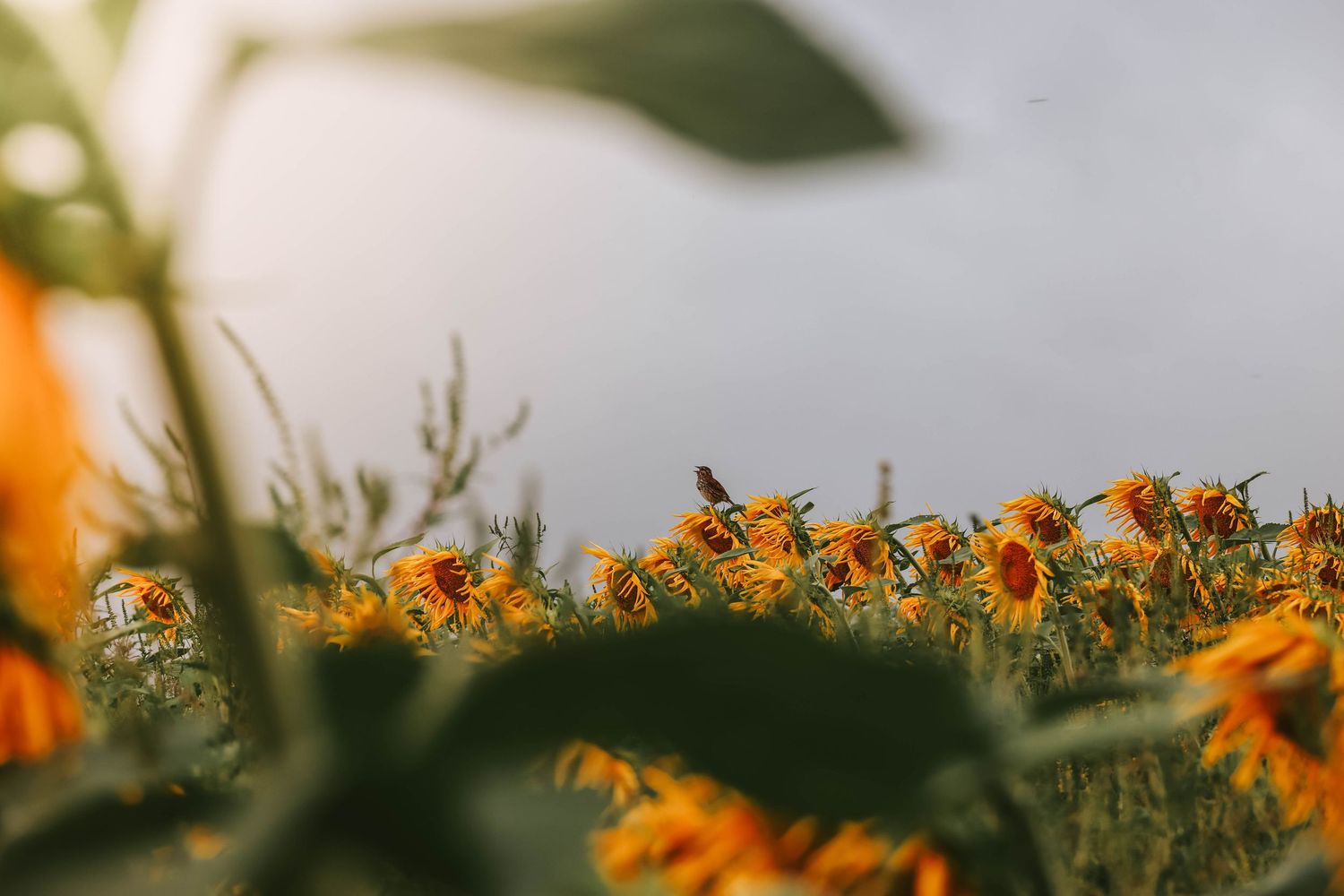
A path disappearing between two walls of sunflowers immediately creates depth and gives the viewer somewhere to travel inside the image.
If the sky is interesting, lower the horizon and let the clouds become part of the composition.
If the sky is dull, change your position and allow the flowers themselves to dominate the frame.
Photography in a place like this becomes less about finding the photograph and more about seeing how many completely different photographs you can create from the same landscape.
Don't forget the sky
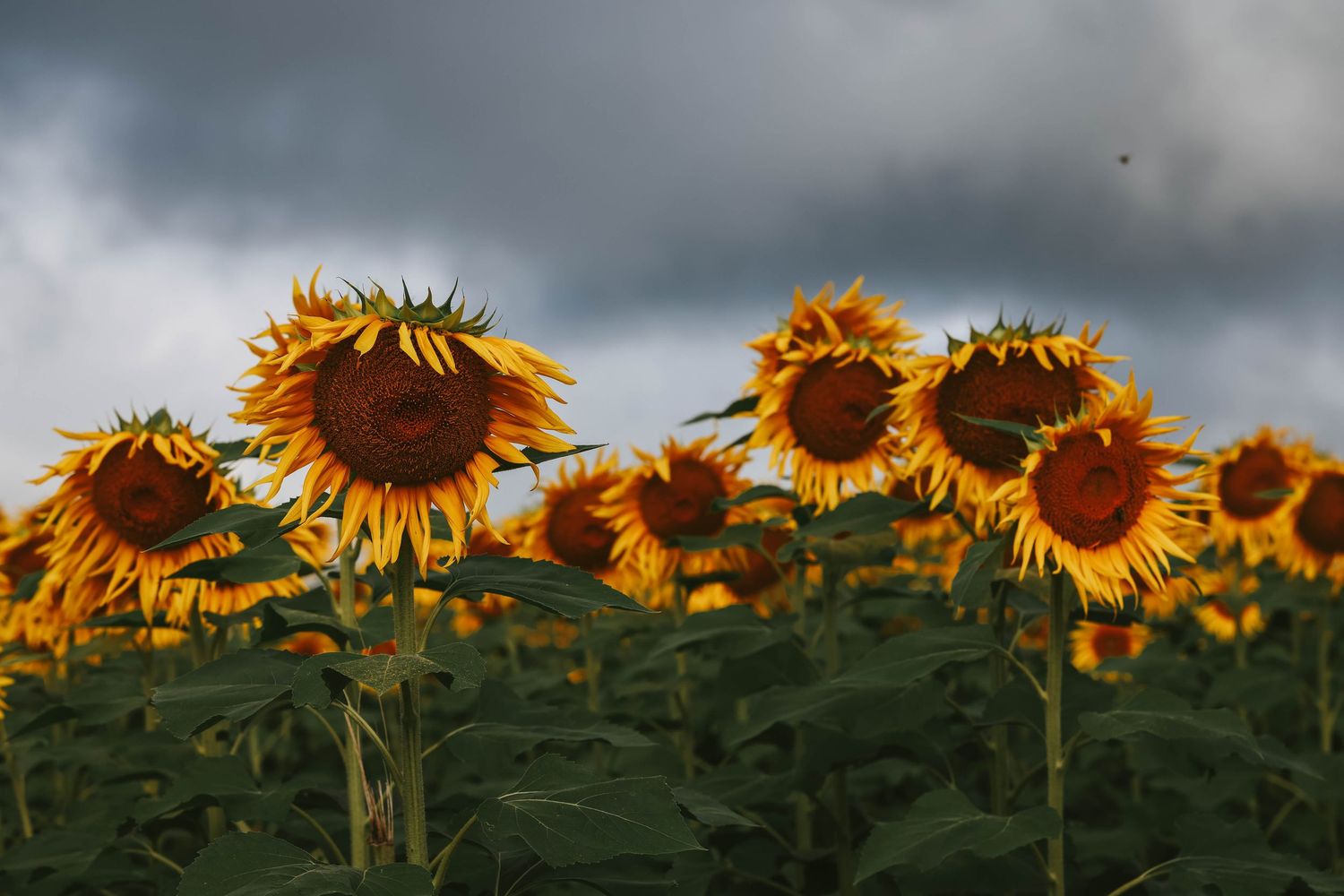
Sunflowers and dramatic clouds are an incredible combination.
I had beautiful blue skies mixed with large white clouds during my visit, and they became an important part of the photographs rather than simply the background.
Try getting very low—sometimes practically at ground level—and shooting upward through the flowers.
If the sun is partially hidden behind a leaf or bloom, experiment with a smaller aperture such as f/11 to f/16 to create a sunstar.
You may need to expose for the highlights and allow parts of the plants to become dark. That's okay.
Those deeper shadows can create drama.
Look for insects
A sunflower field is very much alive.
Bees, butterflies and other pollinators can turn a straightforward flower photograph into a much more interesting nature image.
If you notice a bee working across one sunflower, don't immediately move on. Stay with it for a minute.
Increase your shutter speed, use continuous autofocus and wait for the insect to move into a clean position.
Even if wildlife photography isn't normally your specialty, the field gives you plenty of opportunities to practice.
Bring a polarizer—but don't automatically use it
A circular polarizer can deepen blue skies and reduce glare on leaves, which may be useful on a sunny day.
But check the effect carefully, particularly with a wide-angle lens.
At very wide focal lengths, a polarizer can make parts of a blue sky noticeably darker than others.
Sometimes the natural reflections on leaves and petals are also part of what makes the light beautiful.
Think of the filter as an option rather than something that needs to stay on the lens for the entire visit.
Watch your highlights
Yellow petals can become surprisingly easy to overexpose in direct sunlight.
Keep an eye on your histogram and highlight warnings.
I would rather protect the detail in bright petals and recover some shadows later than blow out the yellow completely.
RAW files will give you considerably more flexibility when dealing with the strong contrast between bright flowers, deep green foliage and sunny skies.
The Cosmos Fields Are Worth the Trip Too
Don't pack up after the sunflower field.
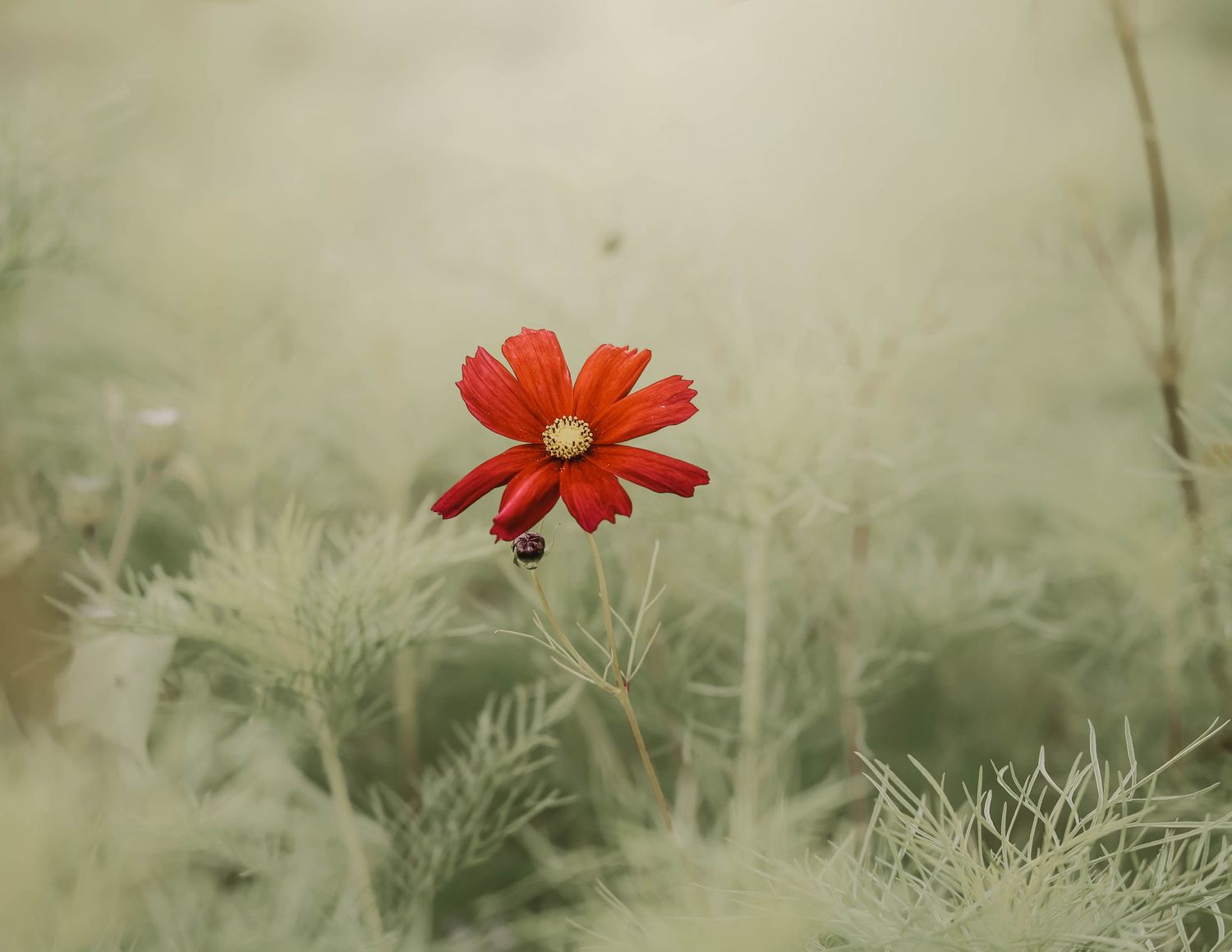
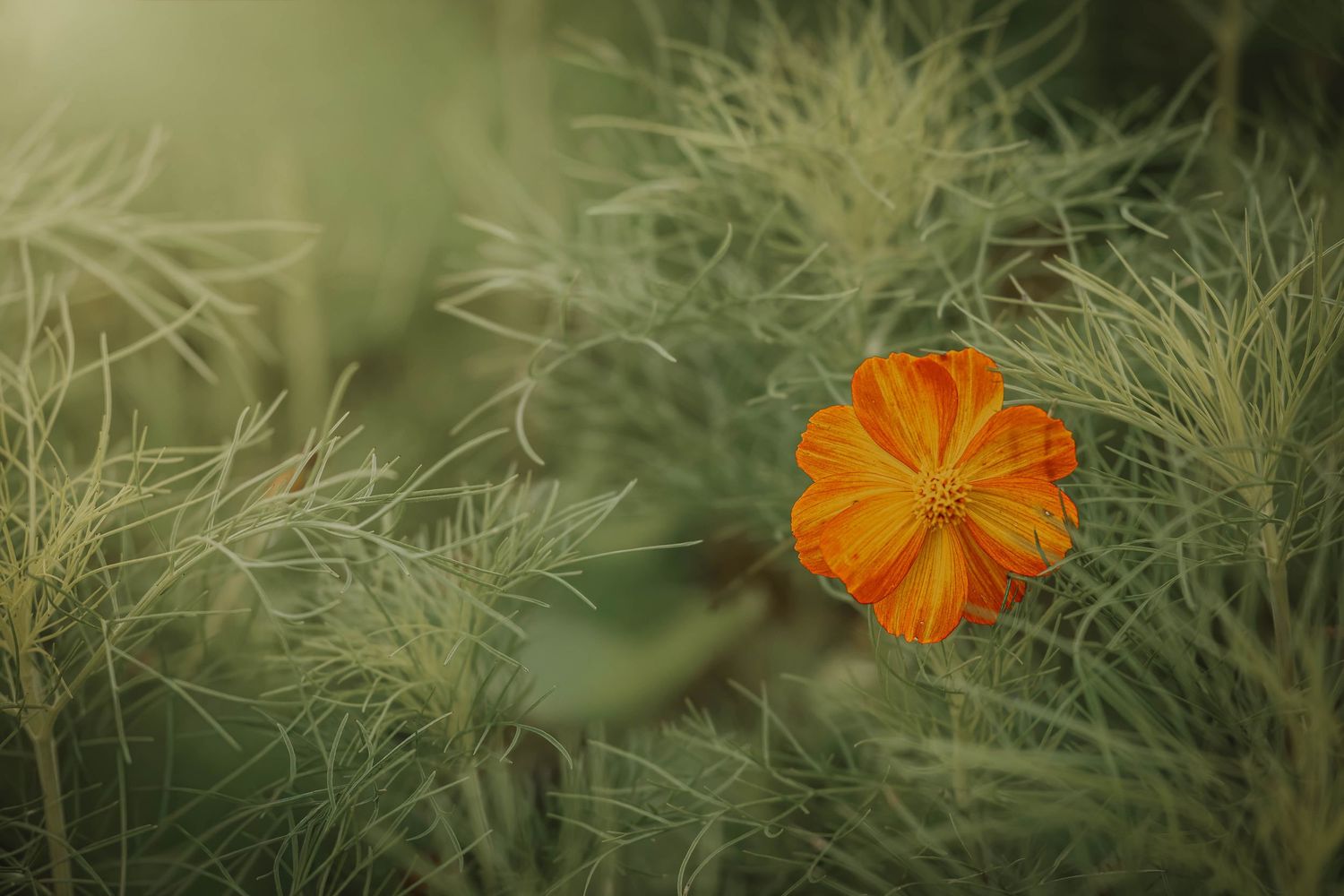
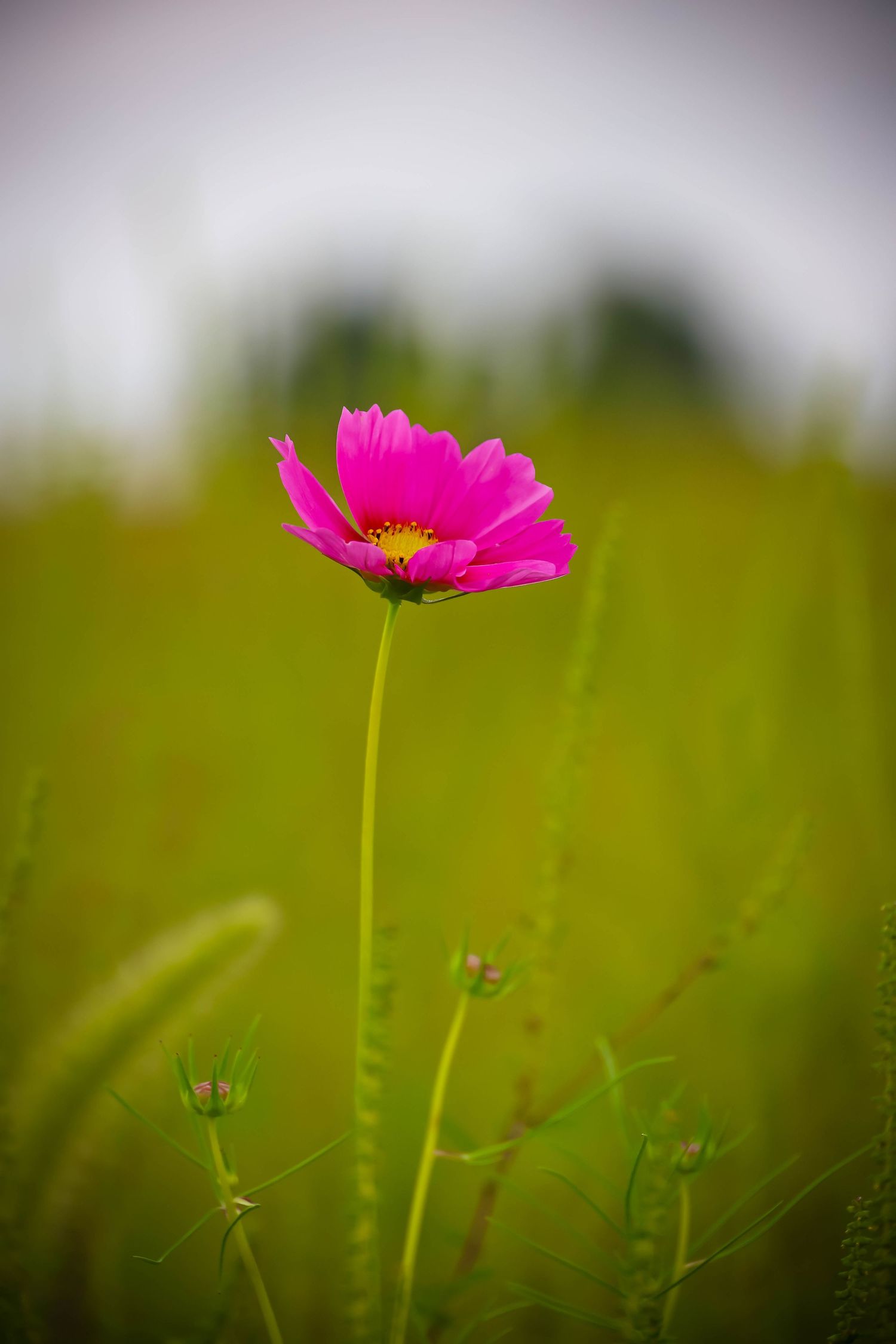
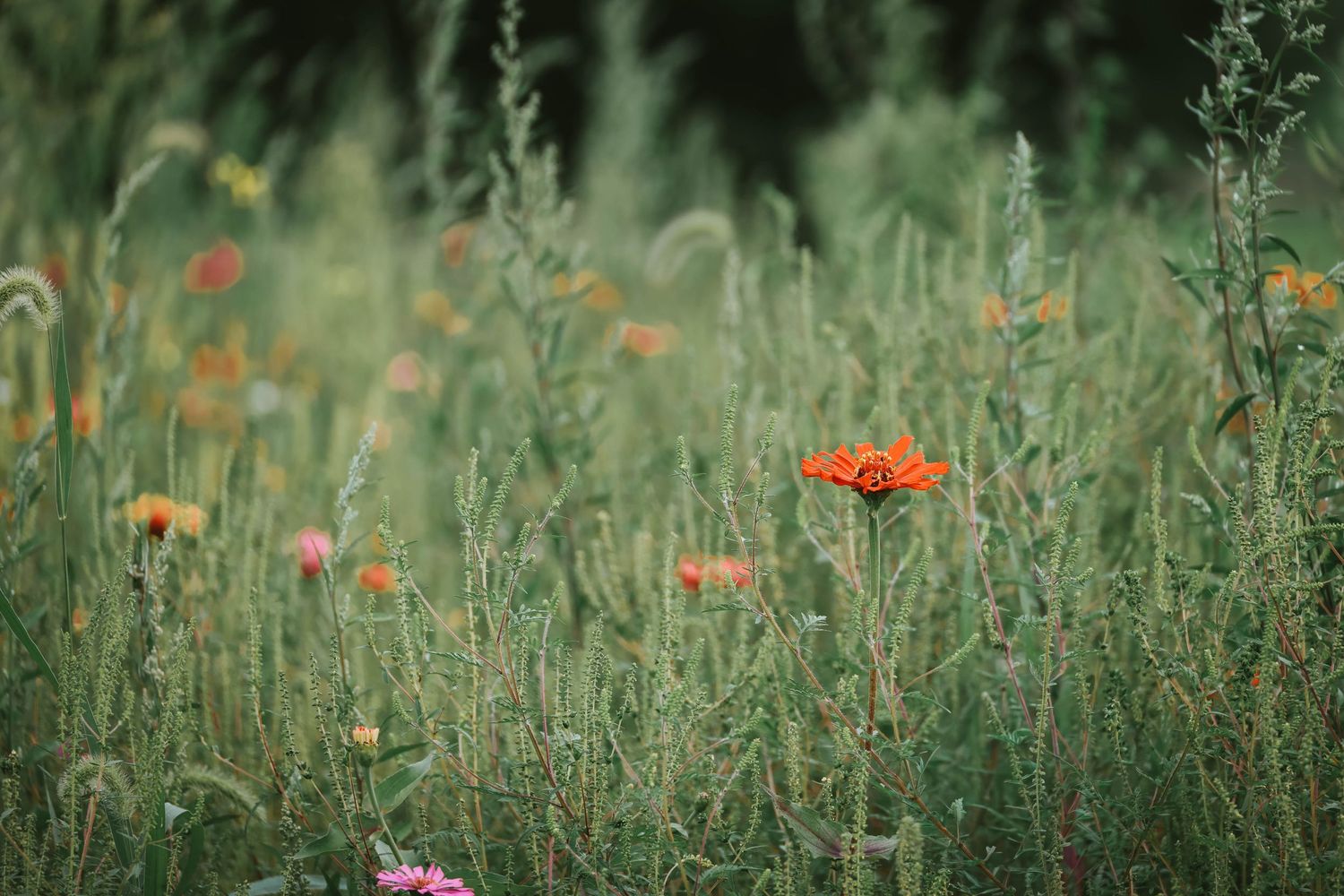
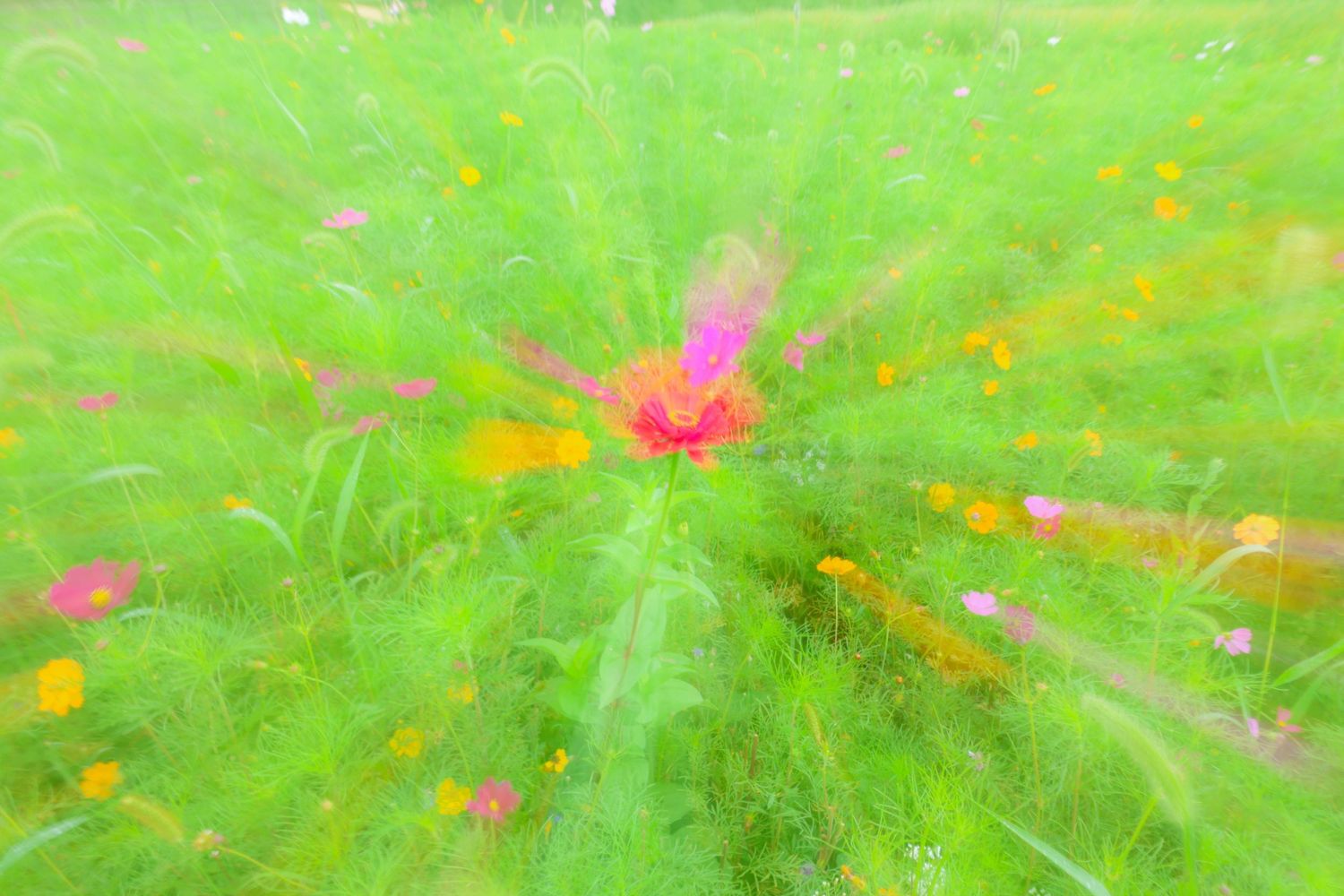
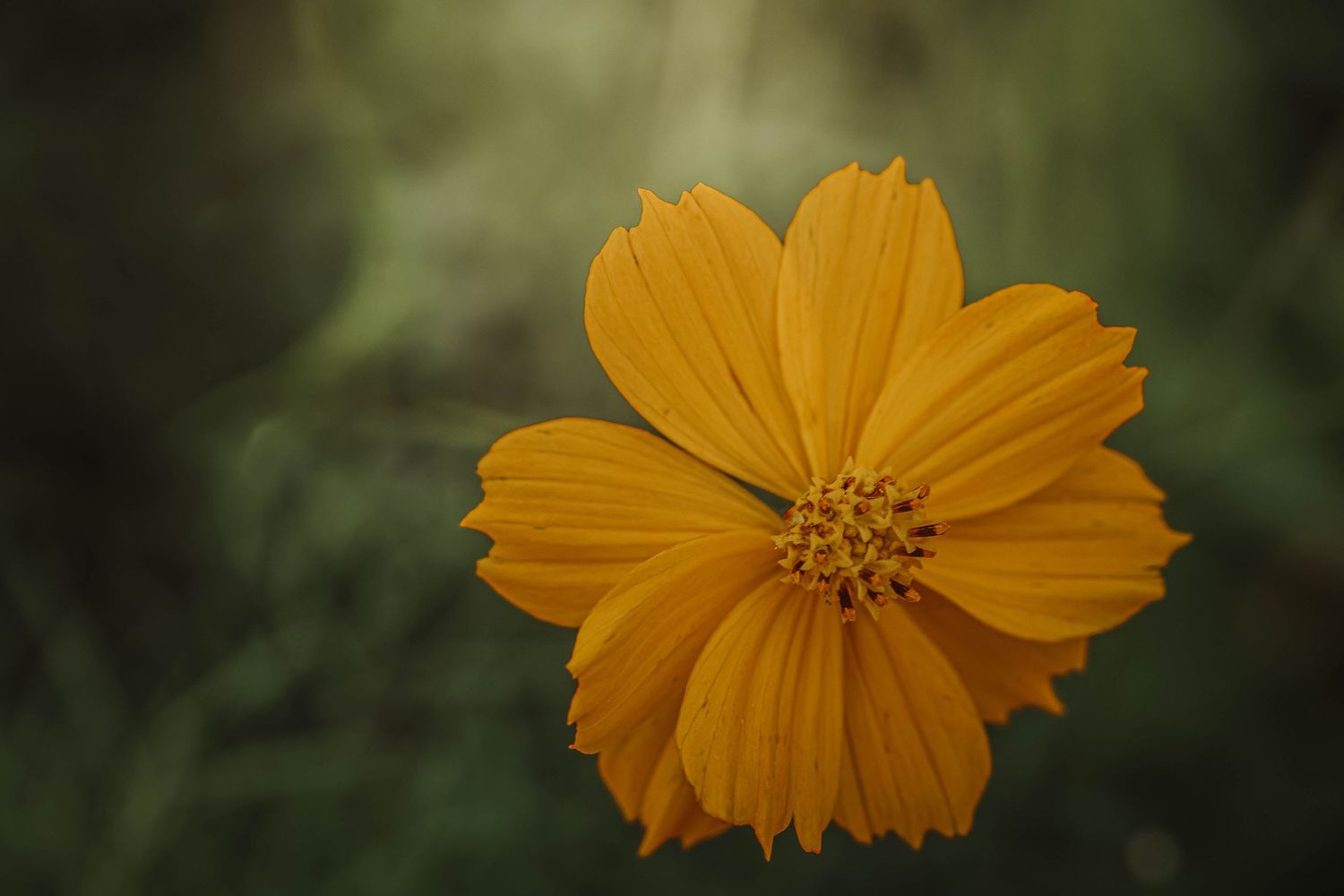
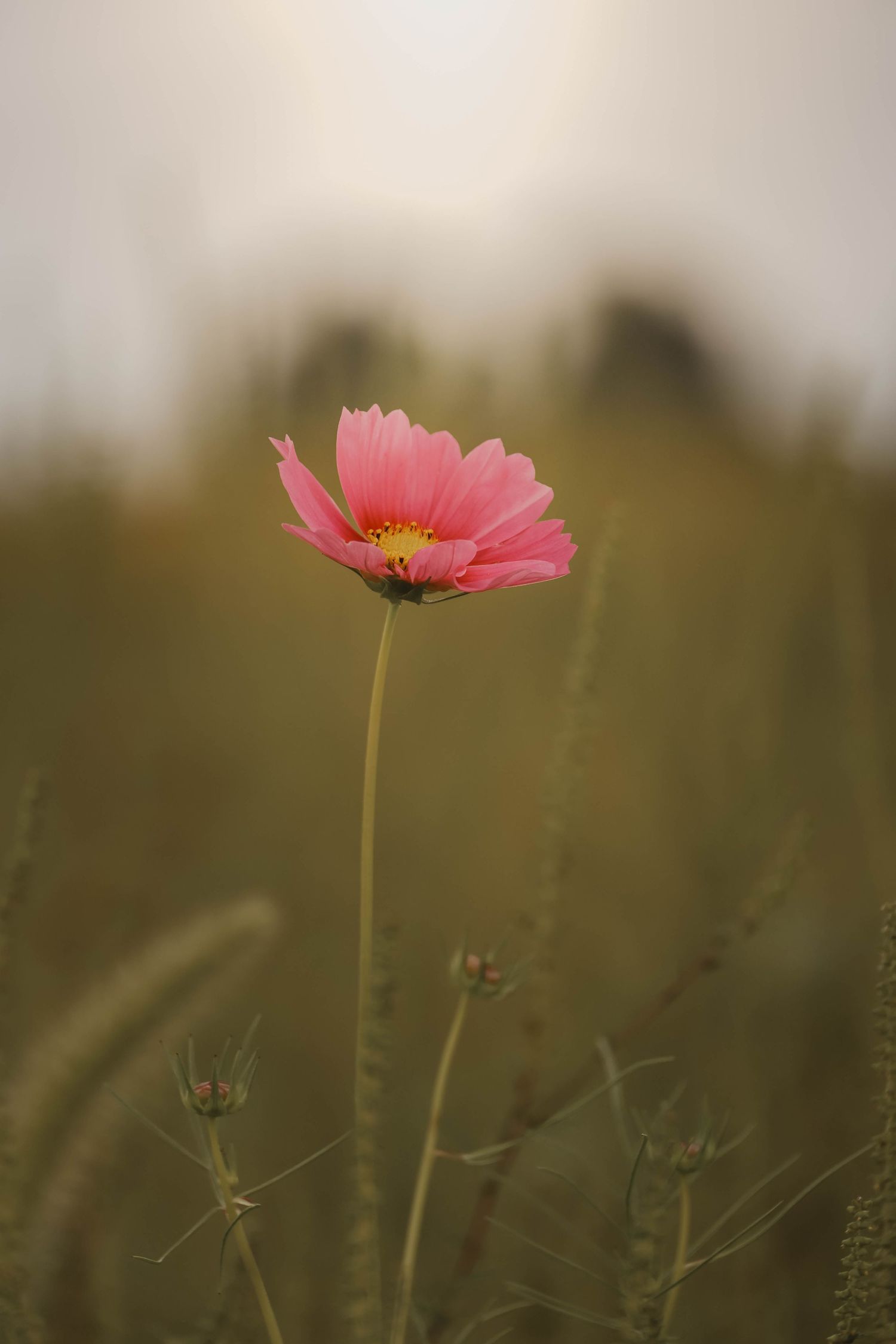
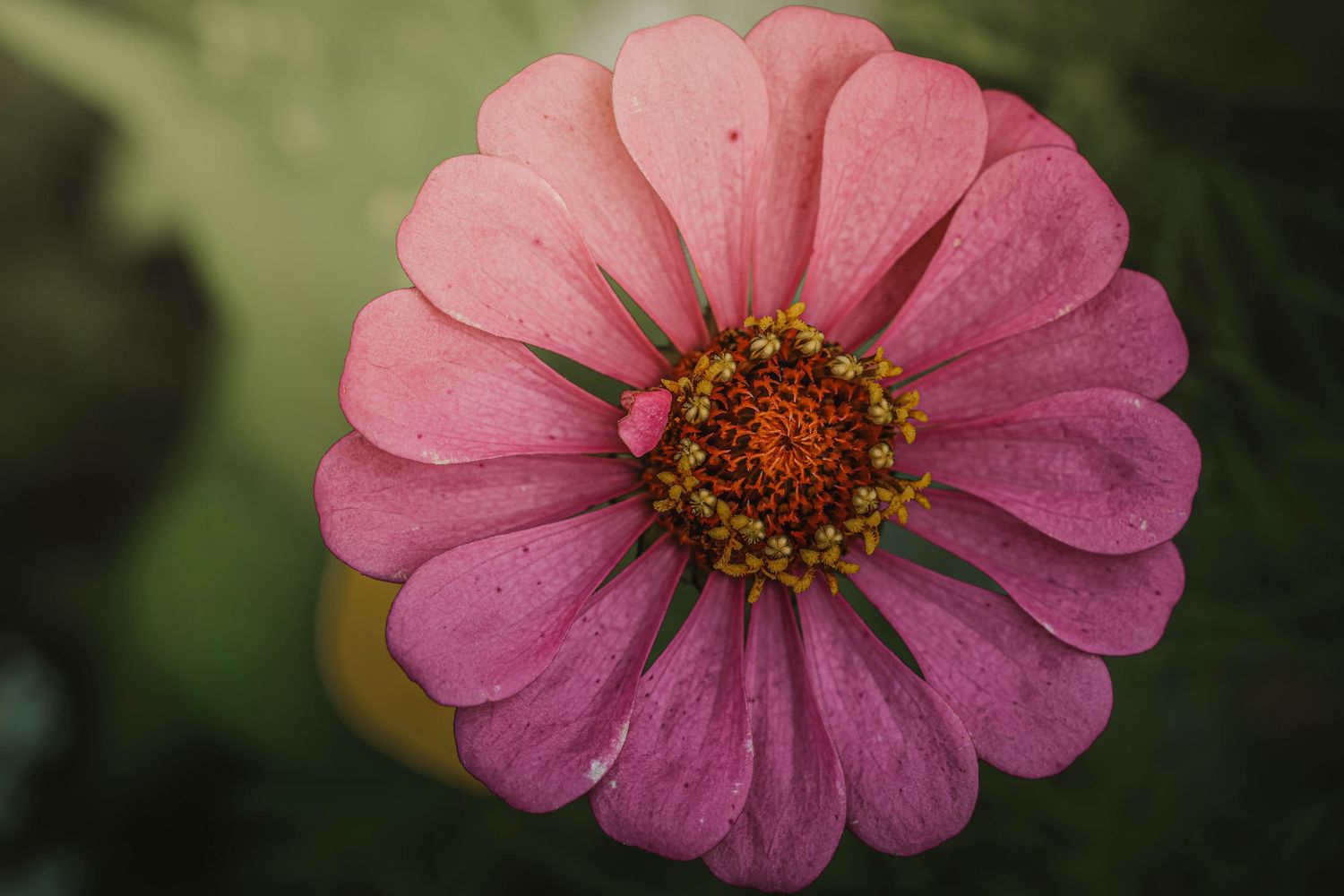
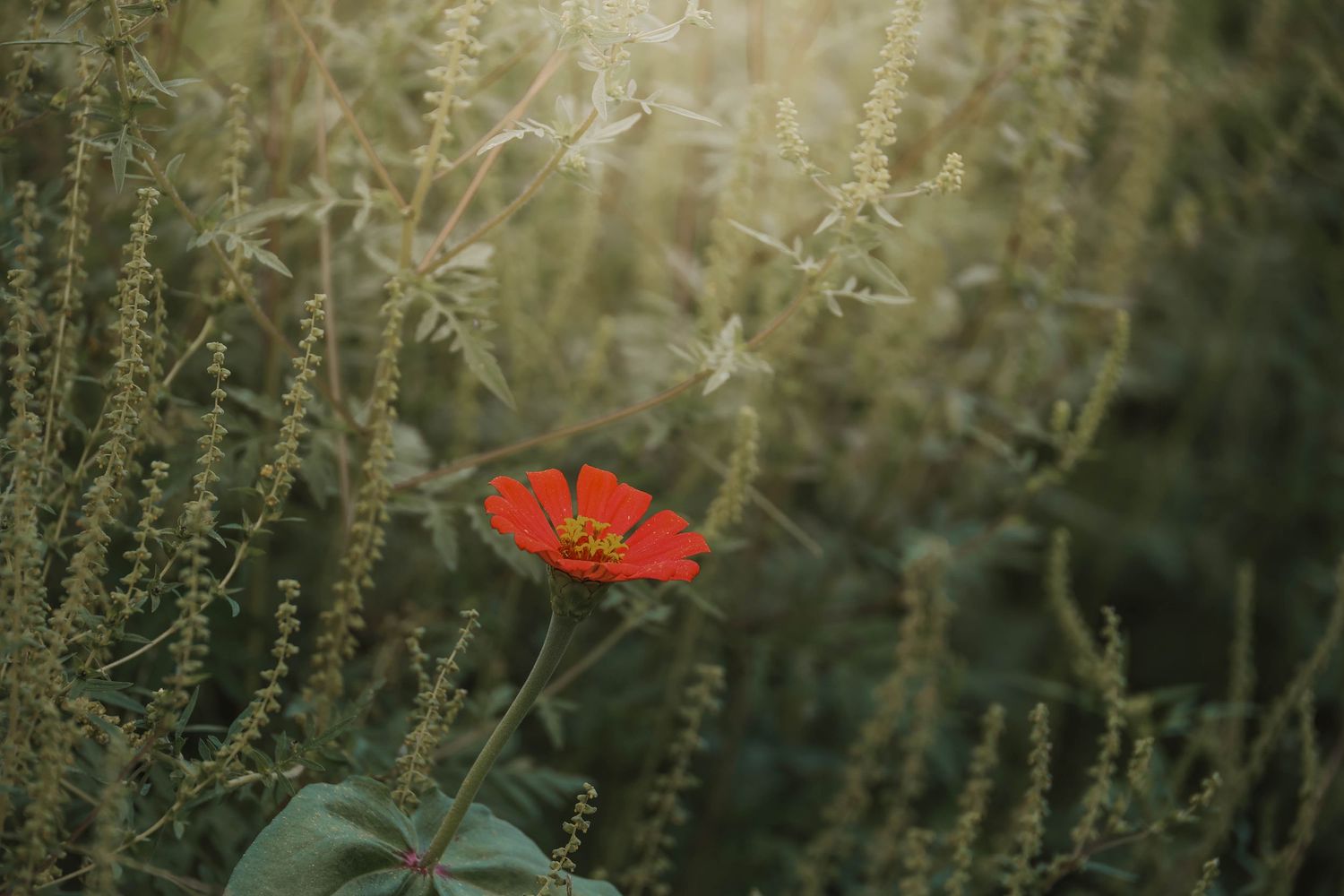
St. Luke’s also grows cosmos, along with other seasonal flowers, throughout the Anderson Campus gardens. St. Luke’s describes the campus as having 56 acres devoted to seasonal flowers, and the sunflower and cosmos fields draw visitors during summer and fall.
The cosmos garden provides a completely different photographic experience.
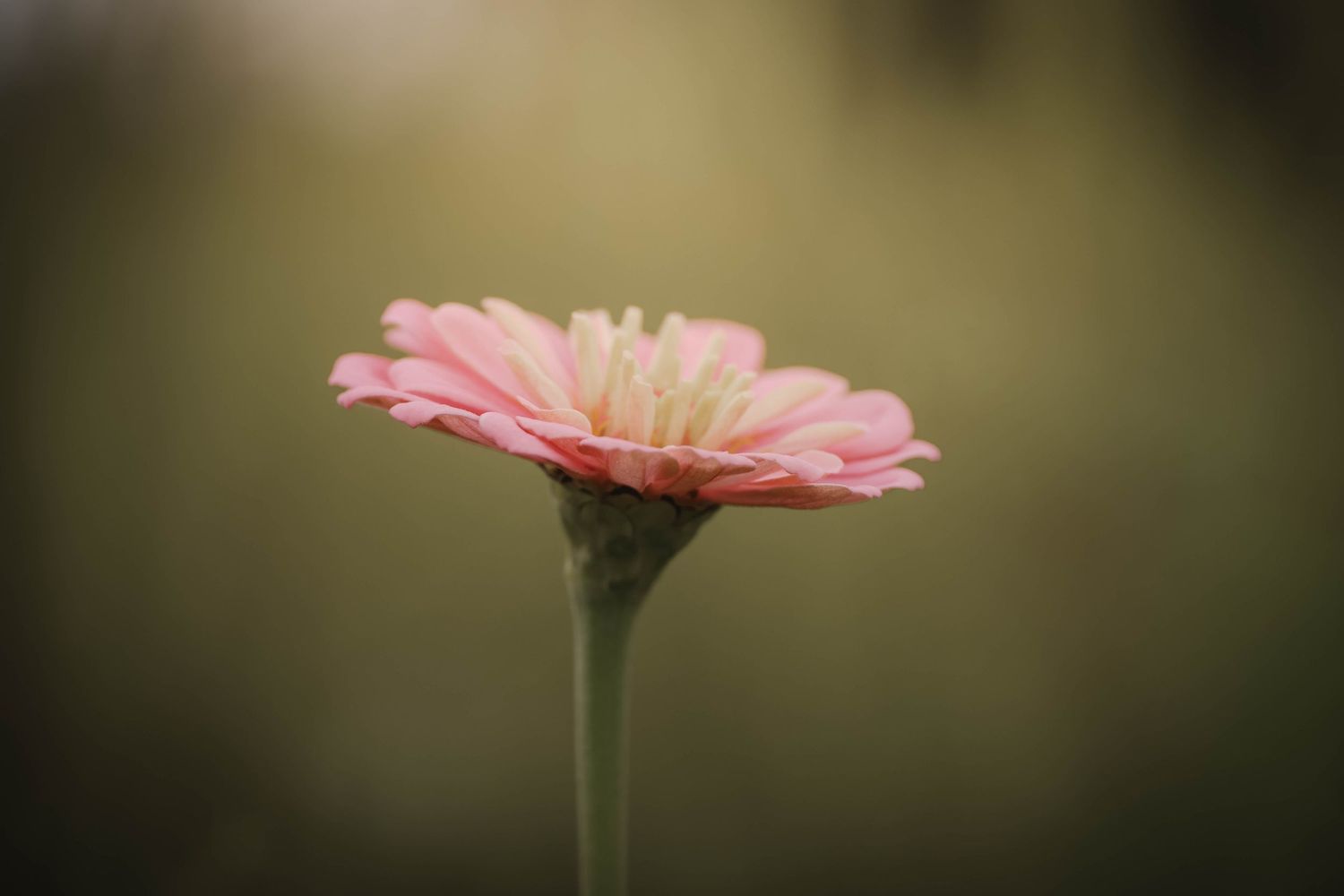
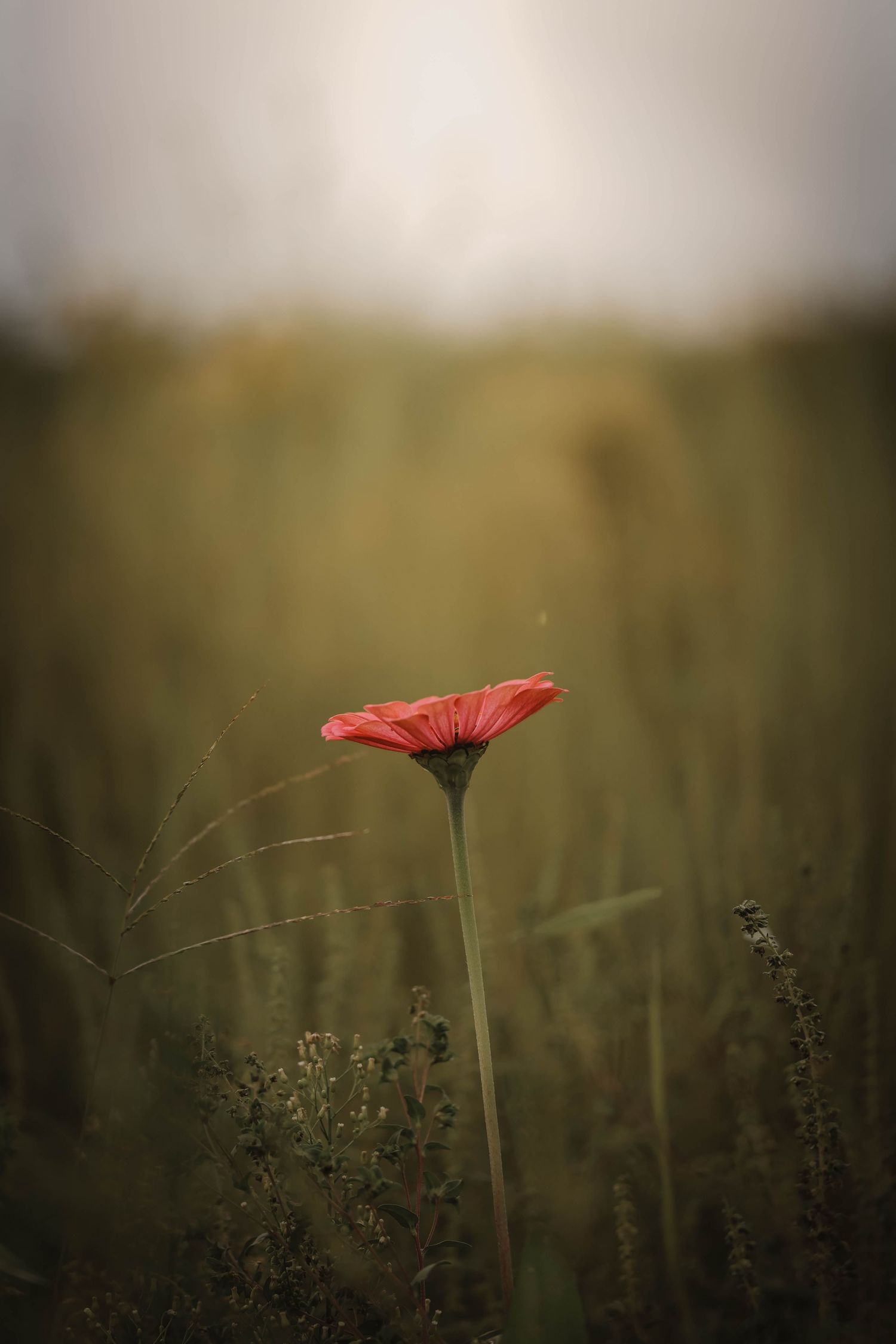
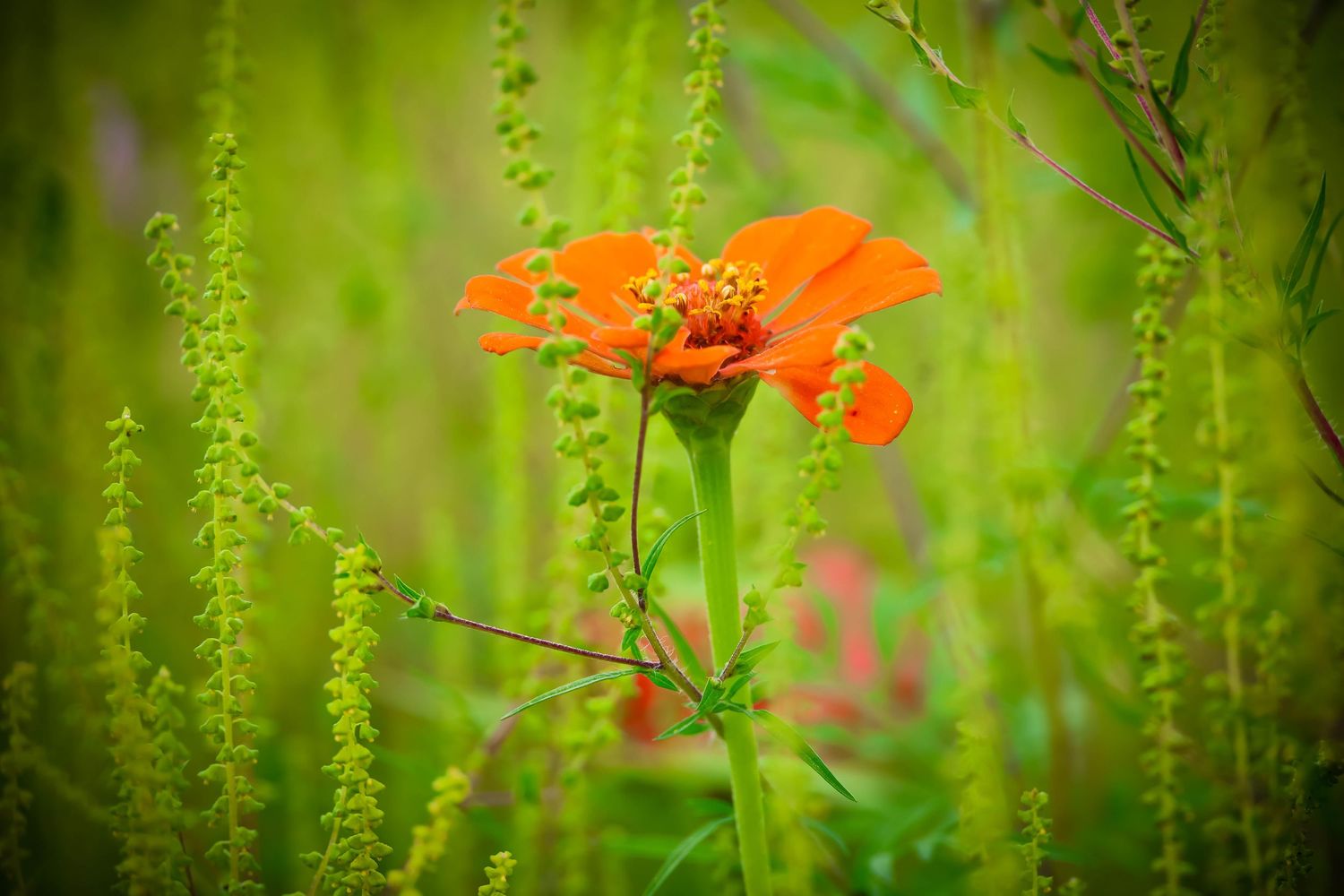
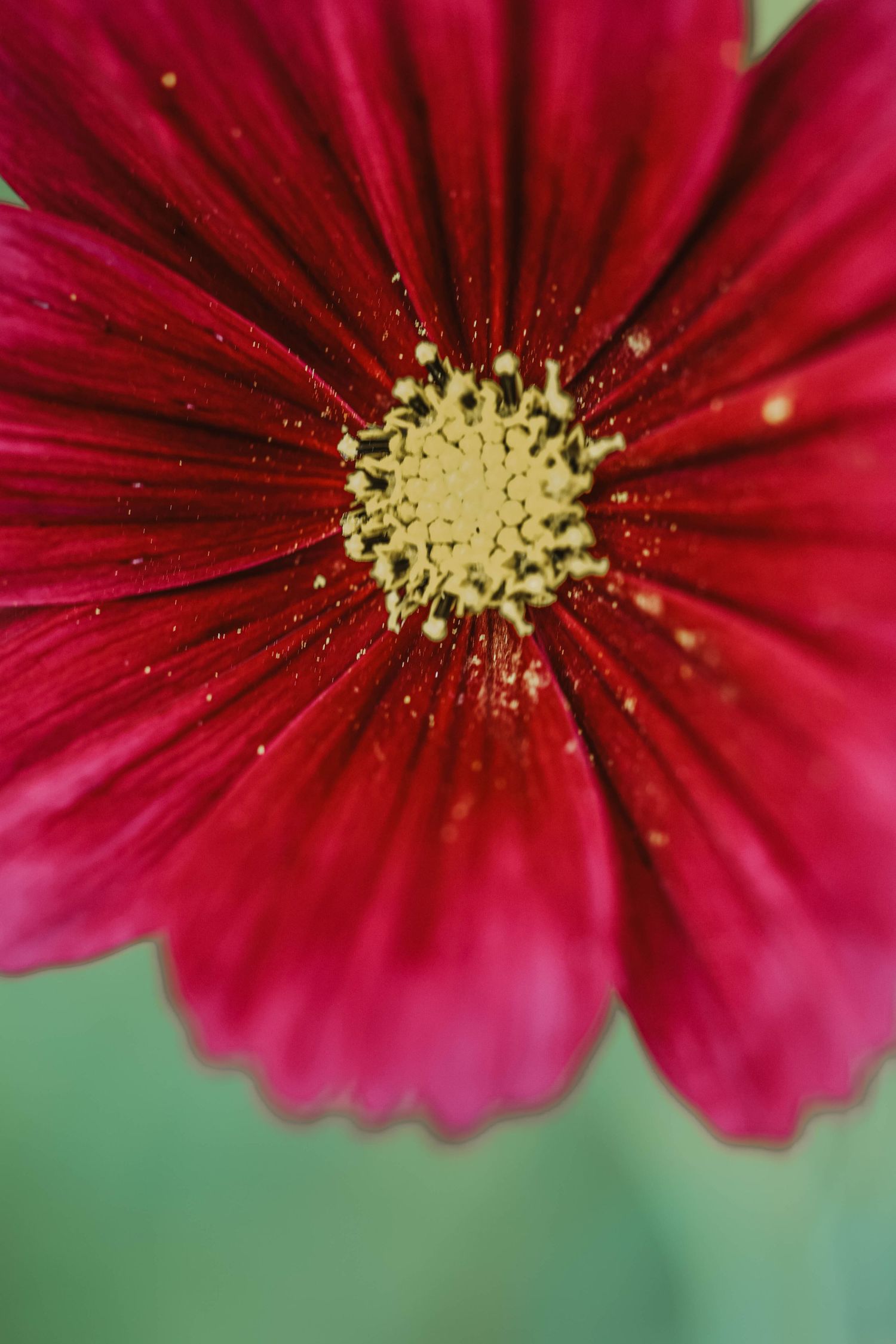
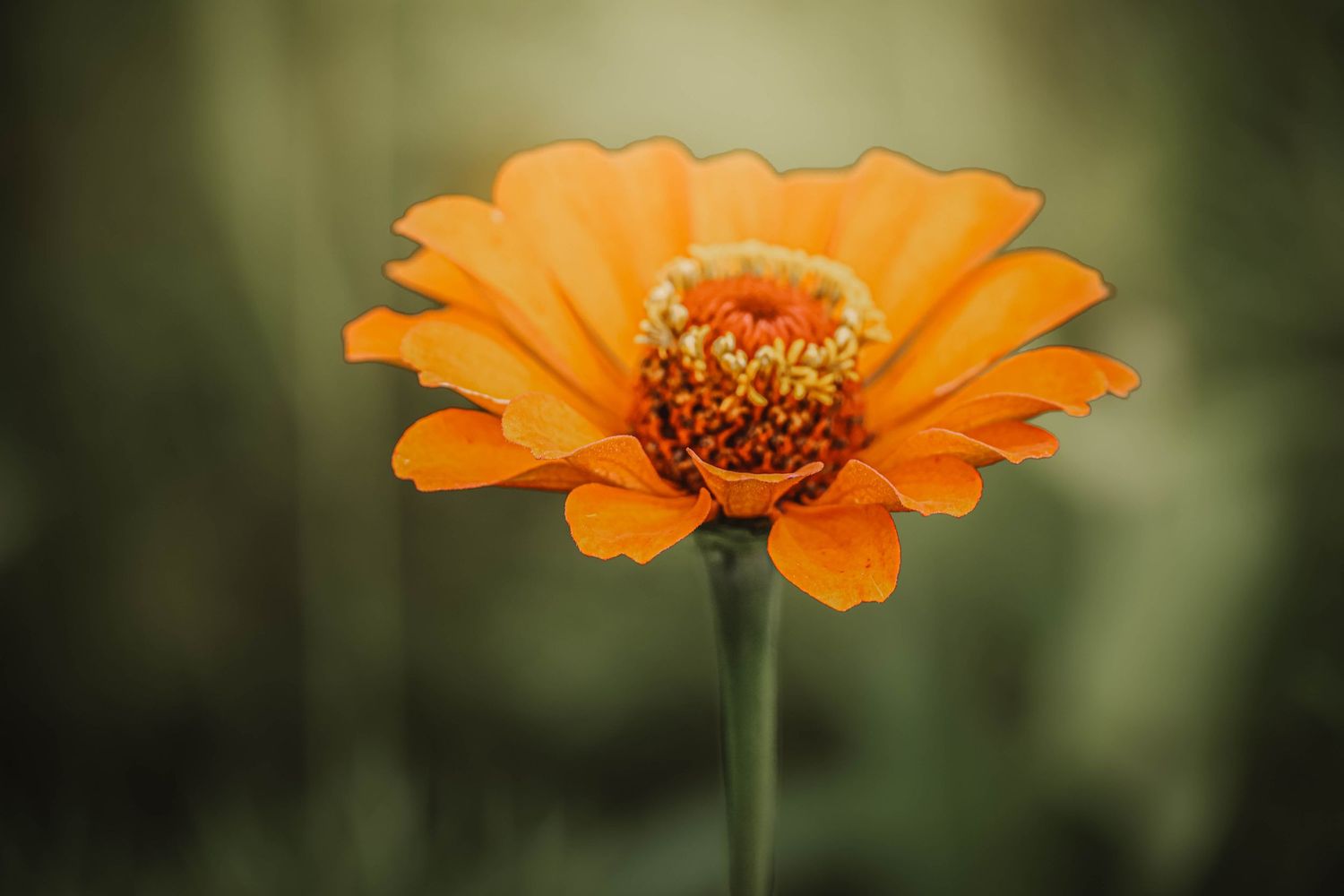
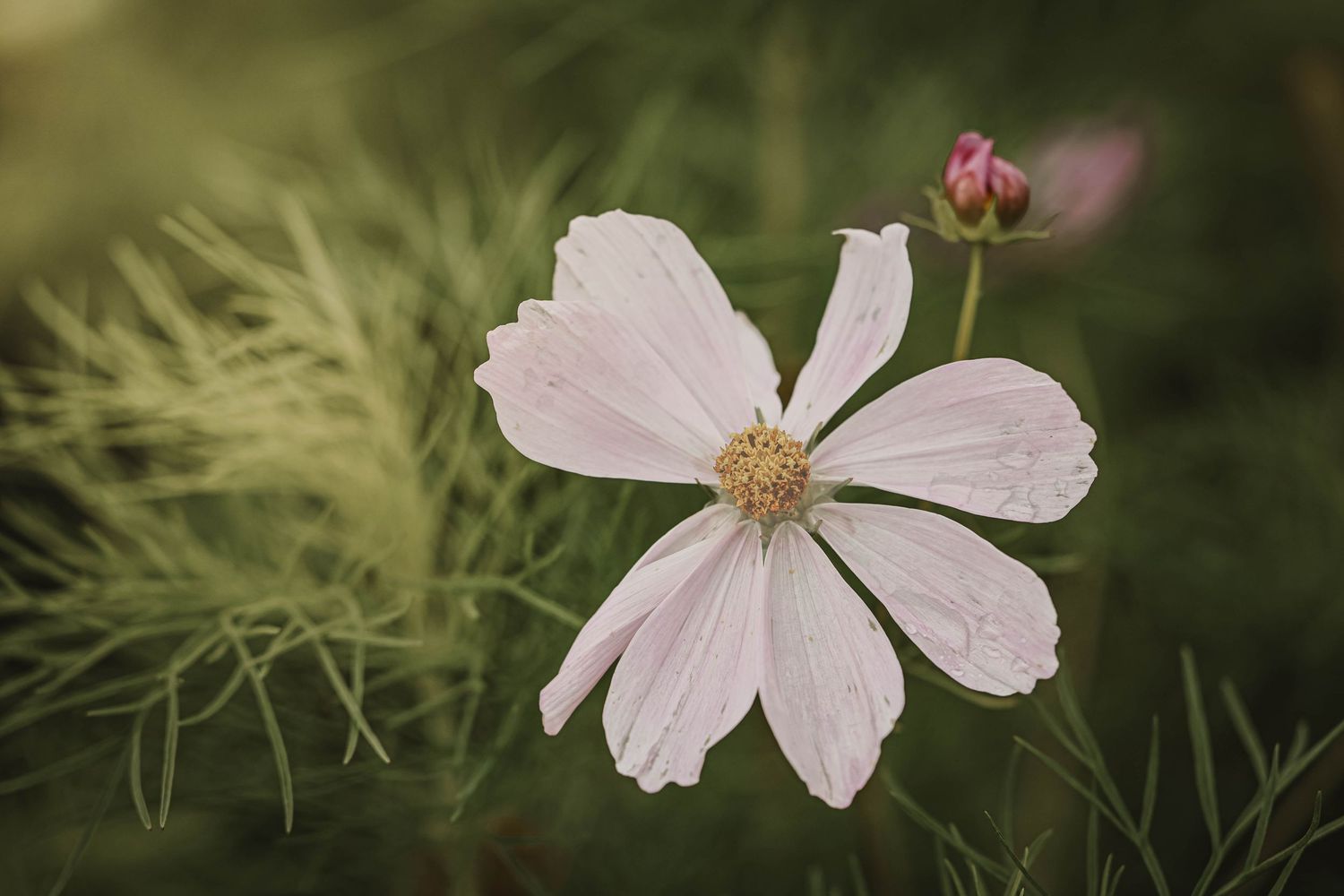
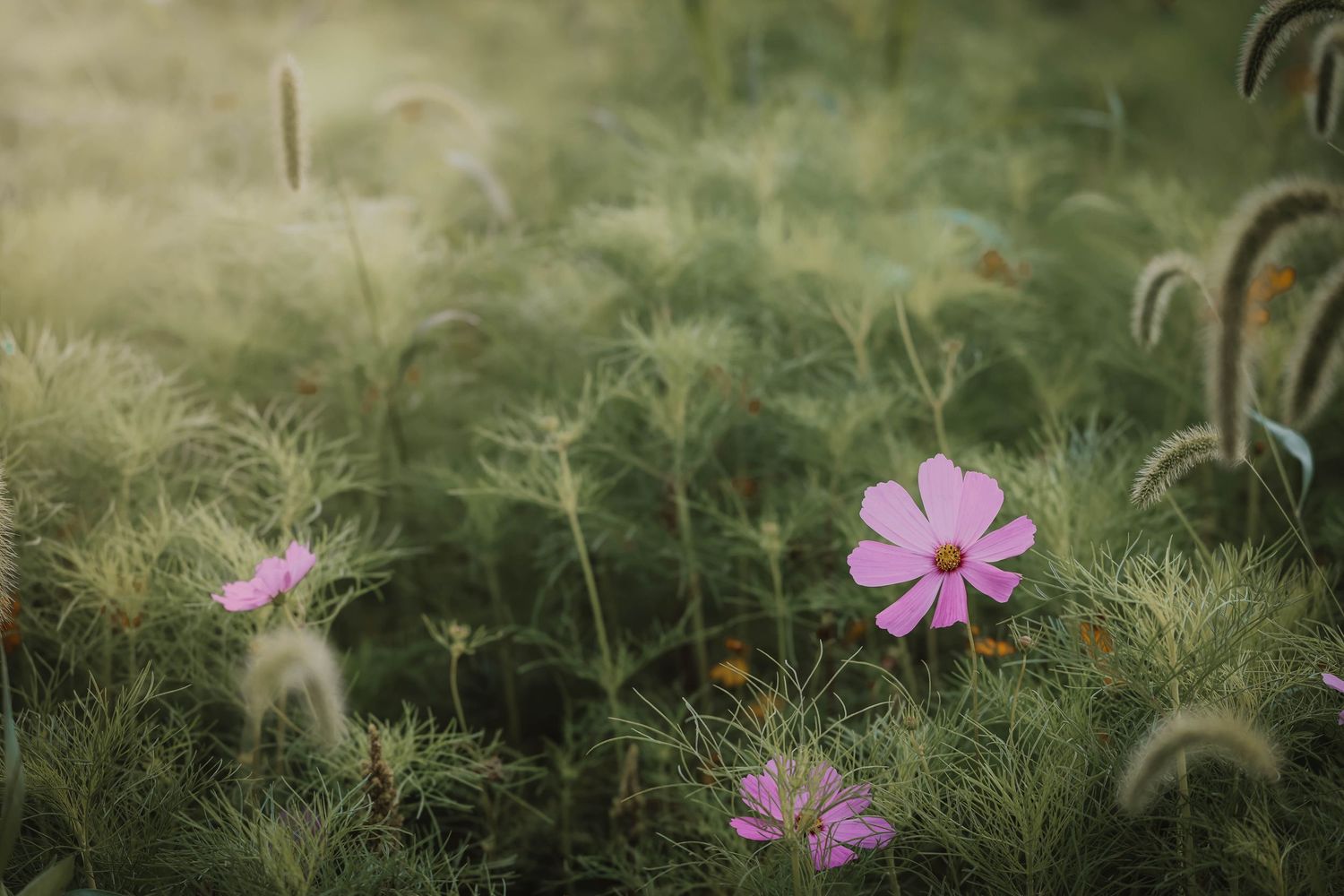
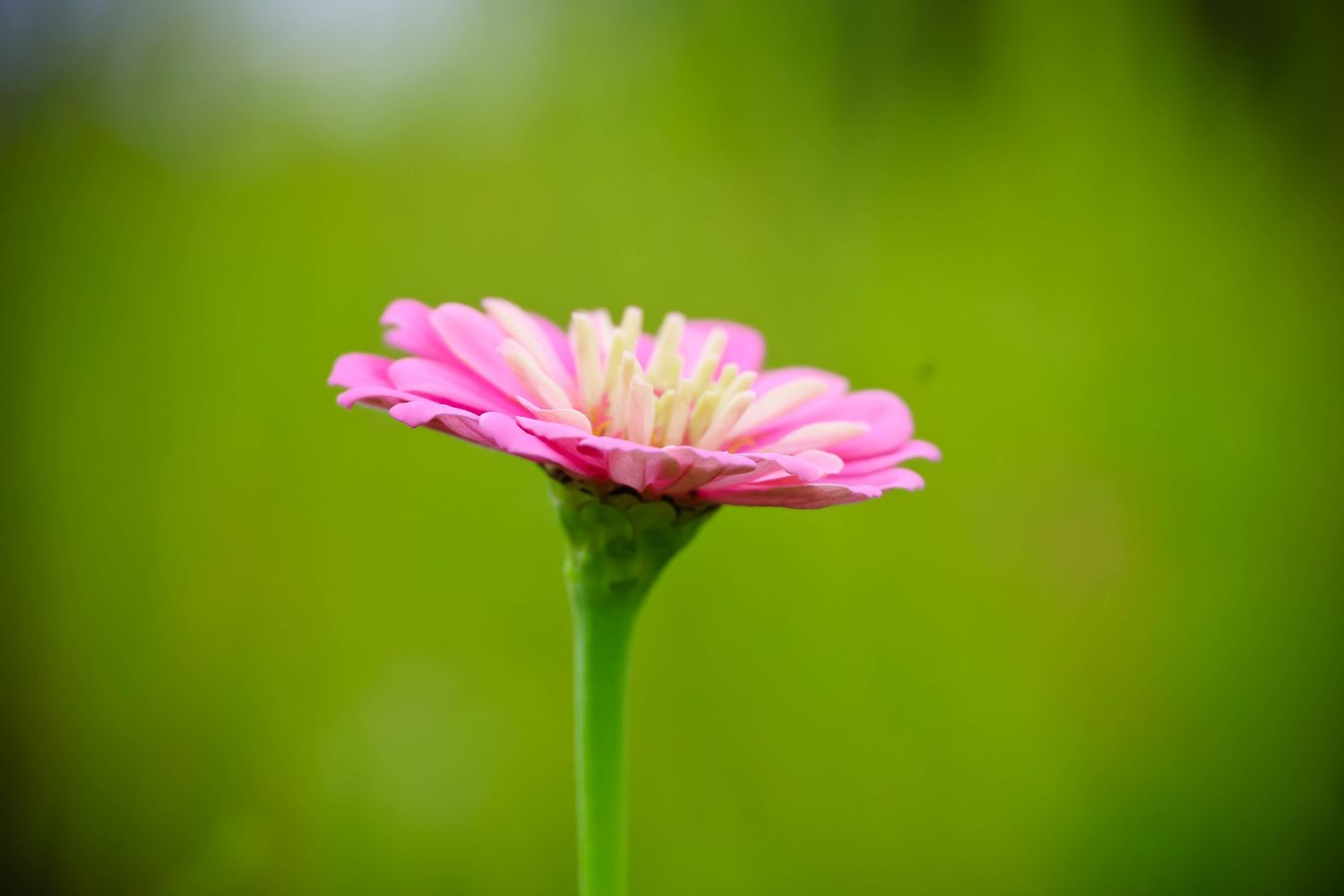
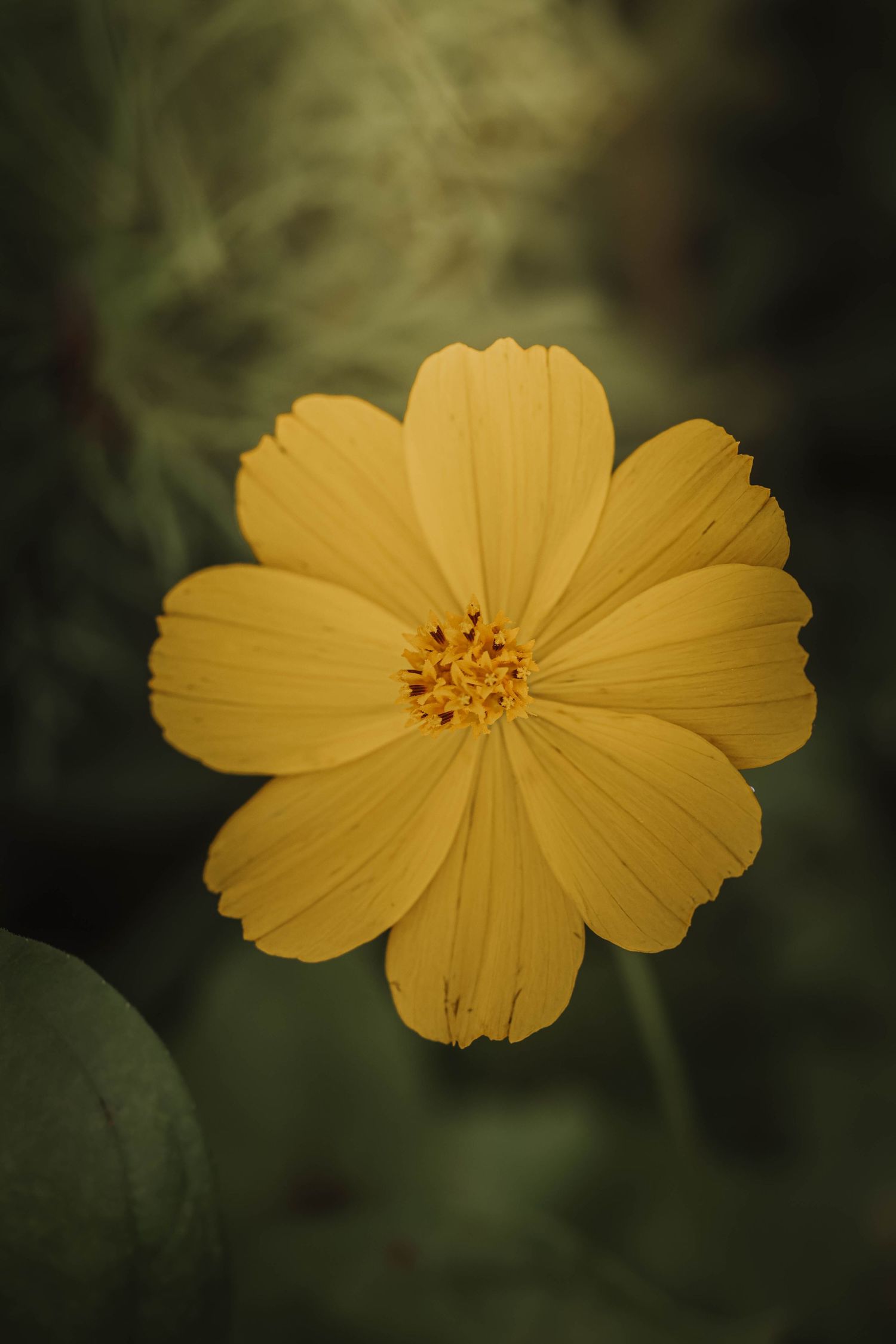
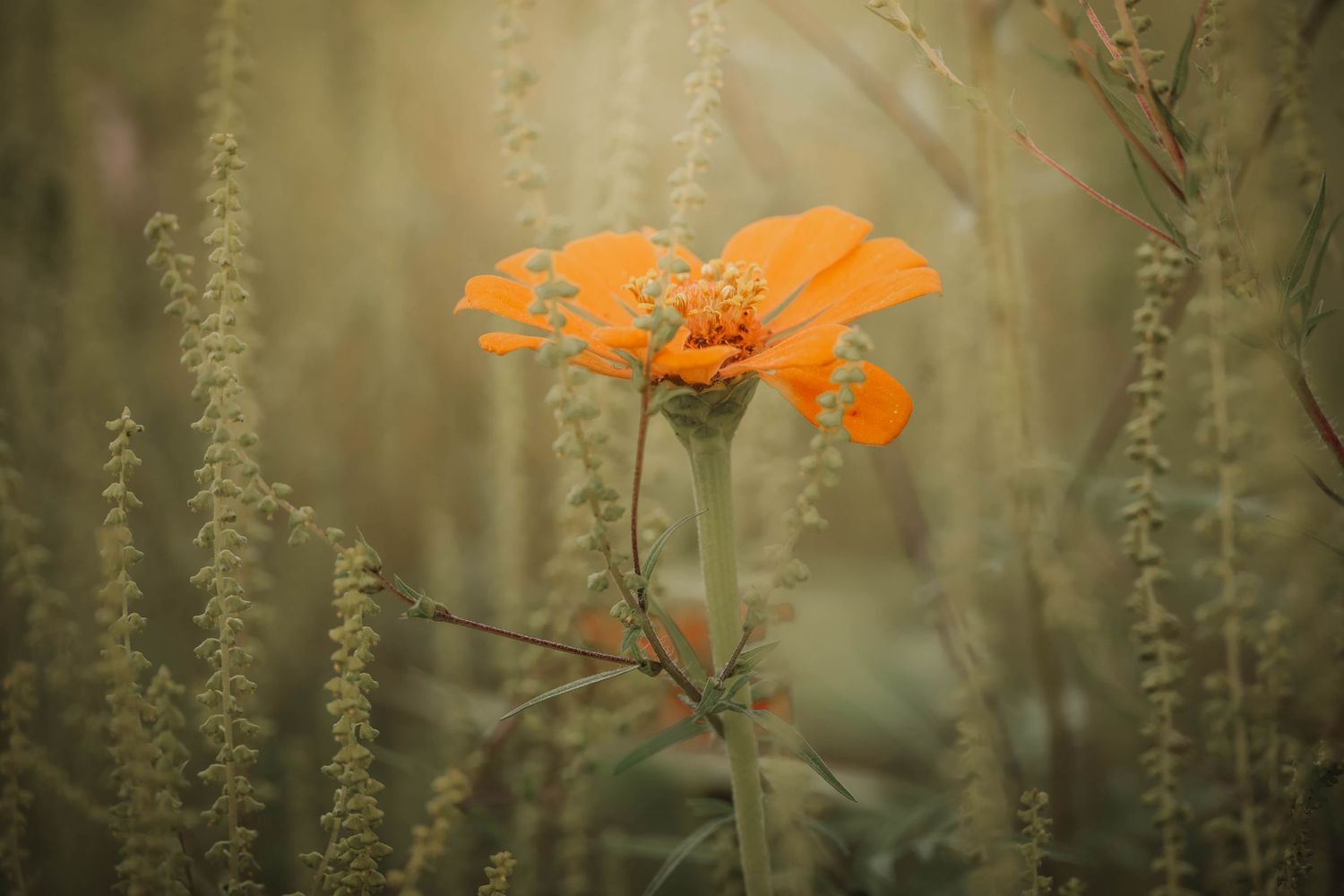
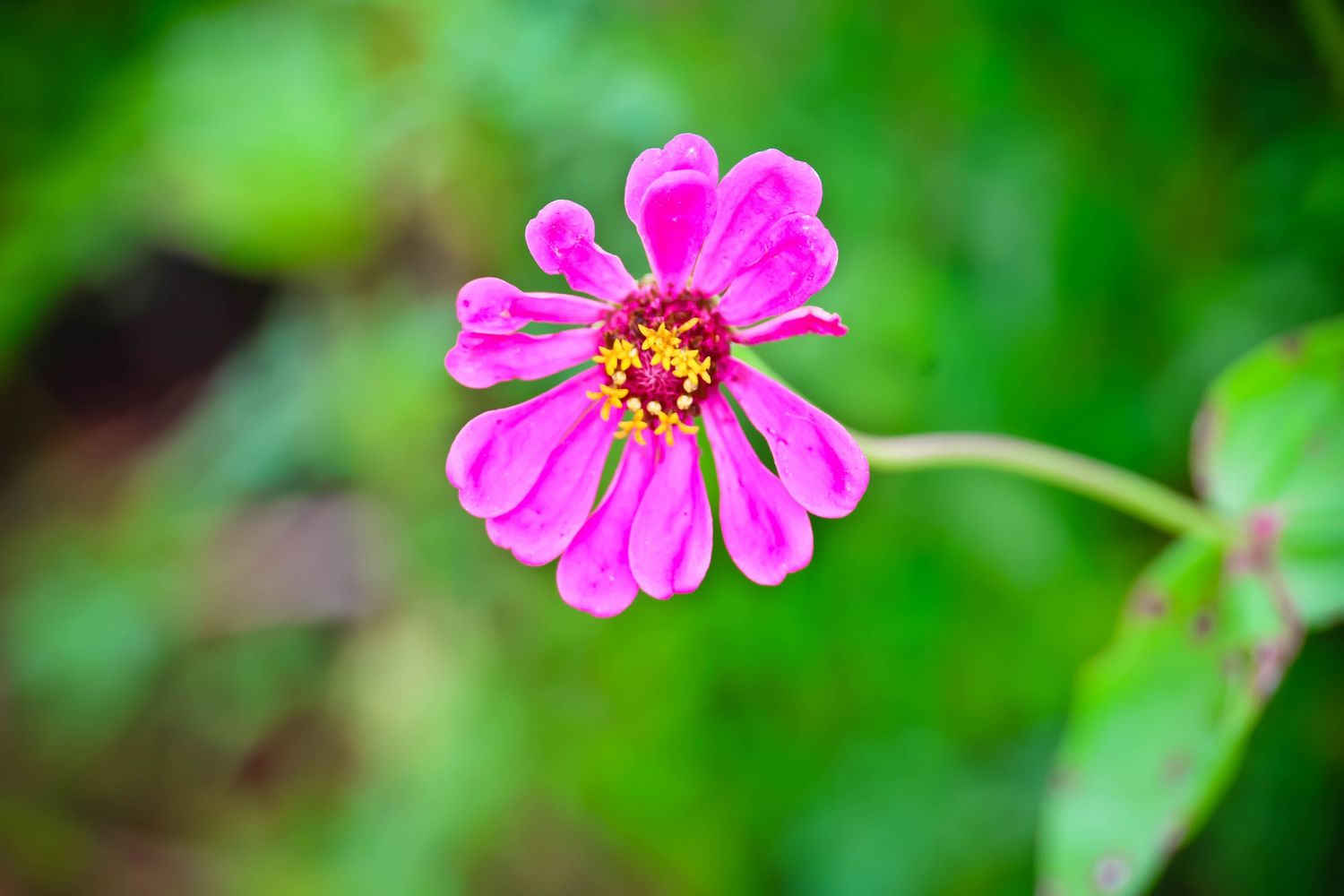
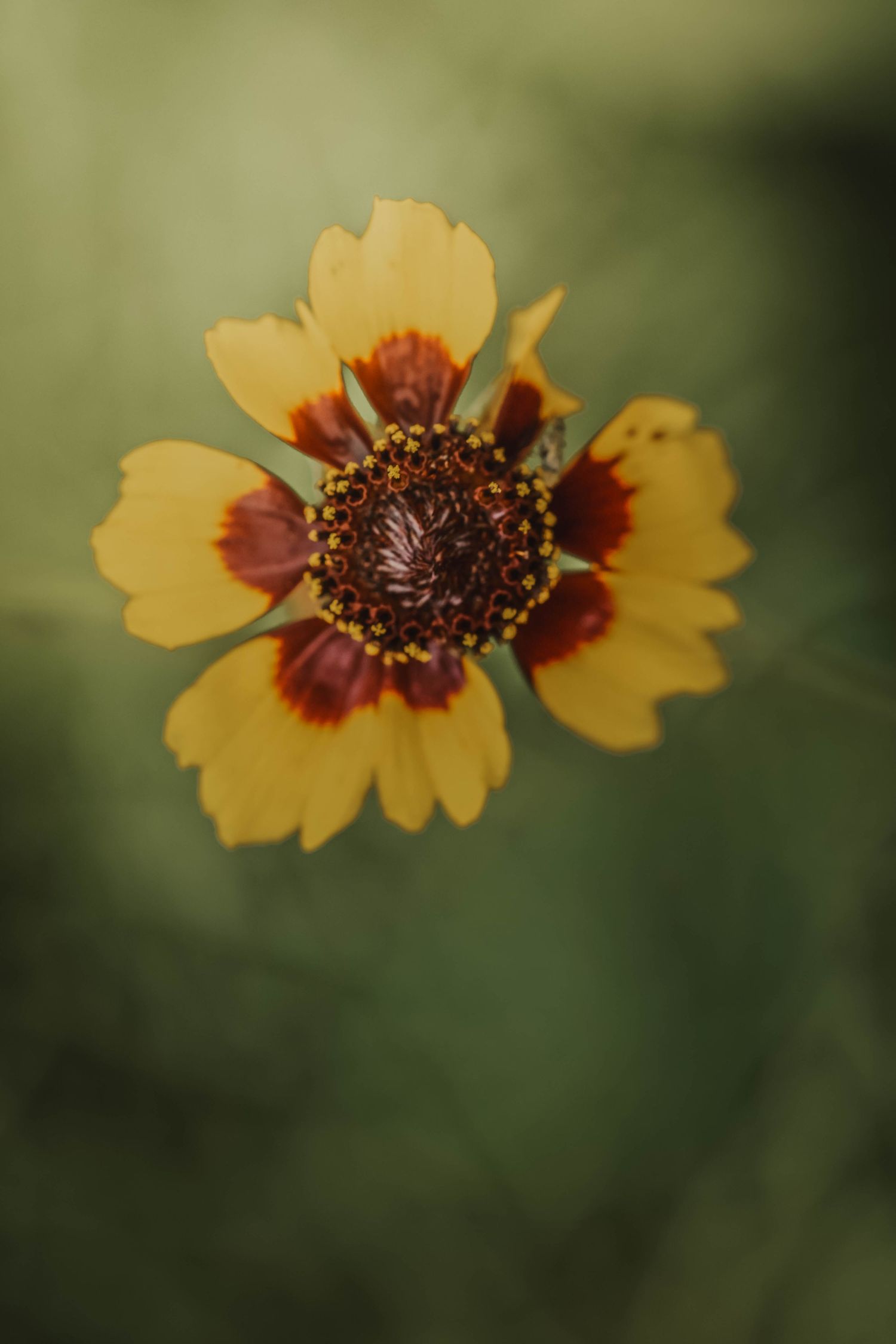
Where sunflowers are bold, structured and dramatic, cosmos are delicate and airy.
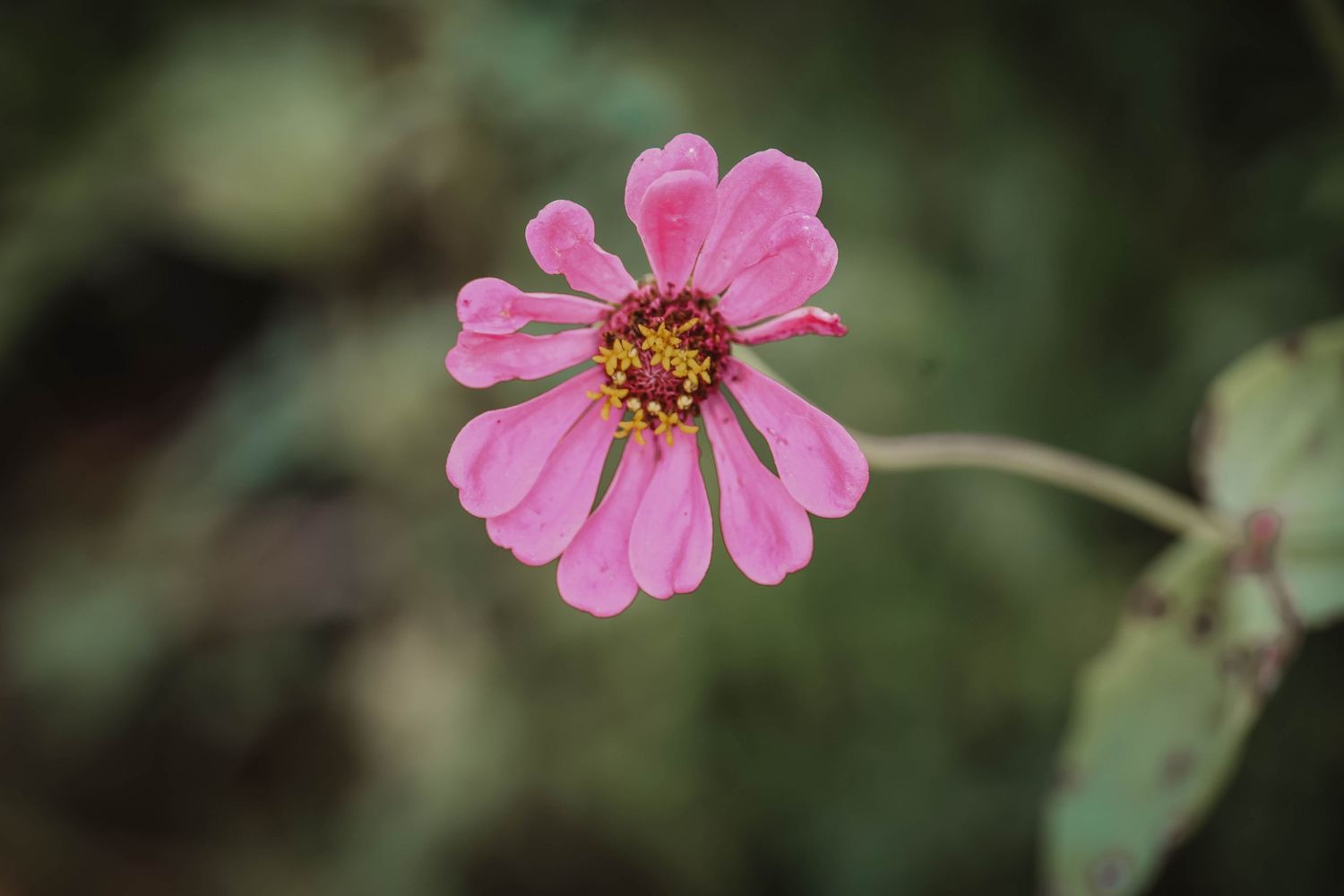
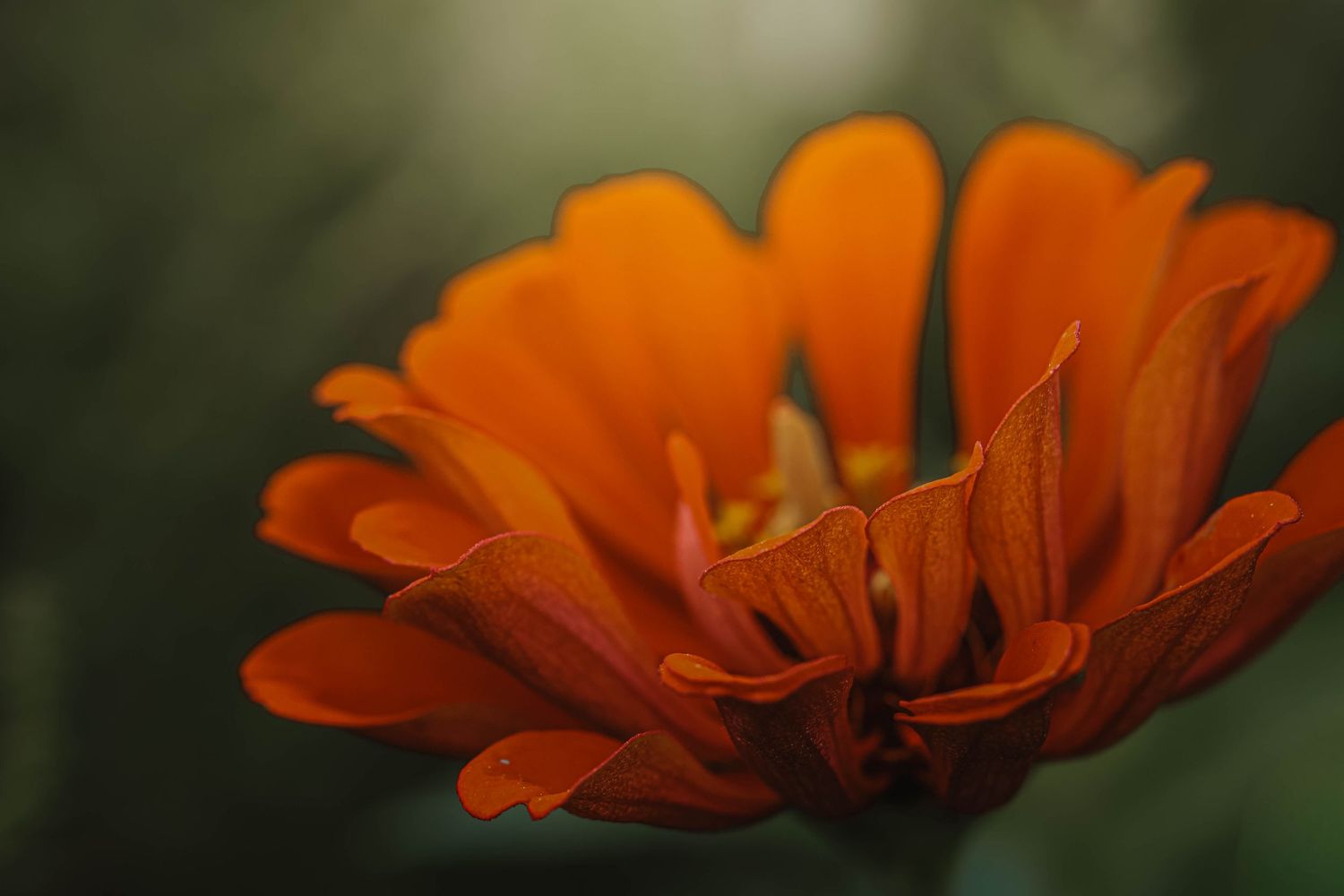
That makes them especially nice for softer photographs, backlighting, shallow depth of field and portraits.
Bring a lens such as an 85mm, 105mm macro or 70–200mm, open the aperture and allow foreground flowers to blur across the frame. You can create beautiful layers of color without needing an elaborate composition.
It is essentially a second photography location within the same visit.
A few things photographers should keep in mind
The gardens are part of an active hospital campus, not a commercial photography attraction. The arboretum was created as a place for patients, visitors, staff and the community to enjoy nature, walking and quiet reflection.
That makes courtesy especially important.
Stay on established paths whenever possible. Don't pull flowers into position or damage plants for a photograph. Give other visitors room to enjoy the gardens. Keep equipment reasonably contained rather than blocking pathways with bags or tripods.
And because policies can change, photographers planning professional portrait sessions, elaborate setups or commercial work should check current St. Luke’s rules beforehand rather than assuming that casual visitor photography and professional sessions are treated the same way.
For simply exploring with a camera, though, this is a place that rewards slowing down.
My favorite way to photograph this field
If I were returning with the sole purpose of creating a complete photographic story, I wouldn't begin with close-ups.
I would start wide.
First, photograph the entrance or sunflower sign to establish where you are.
Then photograph the paths and large landscape.
Move into medium compositions showing groups of flowers.
Then begin isolating individual blooms.
After that, get close—really close.
Photograph the insects, petals, water droplets, stems and textures that most visitors walk right past.
Finally, turn around and look behind you.
Some of the best photographs often appear when you think you are finished.
That's exactly what I love about places like the St. Luke’s Sunflower Garden. The obvious photograph is beautiful, but there are dozens of quieter photographs hidden inside it.
A field of sunflowers can become a landscape, a macro study, a wildlife photograph, an abstract, a study of light or simply a record of one late-summer morning.
You just have to keep looking.
St. Luke’s Arboretum & Gardens – Anderson Campus
Easton/Bethlehem Township, Pennsylvania
The arboretum is open to the community and includes walking paths, seasonal flower fields, wooded areas and additional gardens beyond the sunflower field.
Photographer's camera-bag suggestion:
- a 24–70mm, 70–200mm and macro lens would make an excellent three-lens kit here. If you prefer to travel lighter, I would choose a 24–70mm plus macro and simply concentrate on telling the story from wide scenes down to tiny details.
For more information:
[1]: https://www.slhn.org/campuses/anderson/arboretum-gardens?utm_source=chatgpt.com "St. Luke's Arboretum & Gardens at Anderson Campus"
[2]: https://www.discoverlehighvalley.com/blog/best-sunflower-fields-near-lehigh-valley/?utm_source=chatgpt.com "Best Sunflower Fields near Lehigh Valley | Discover Lehigh Valley"