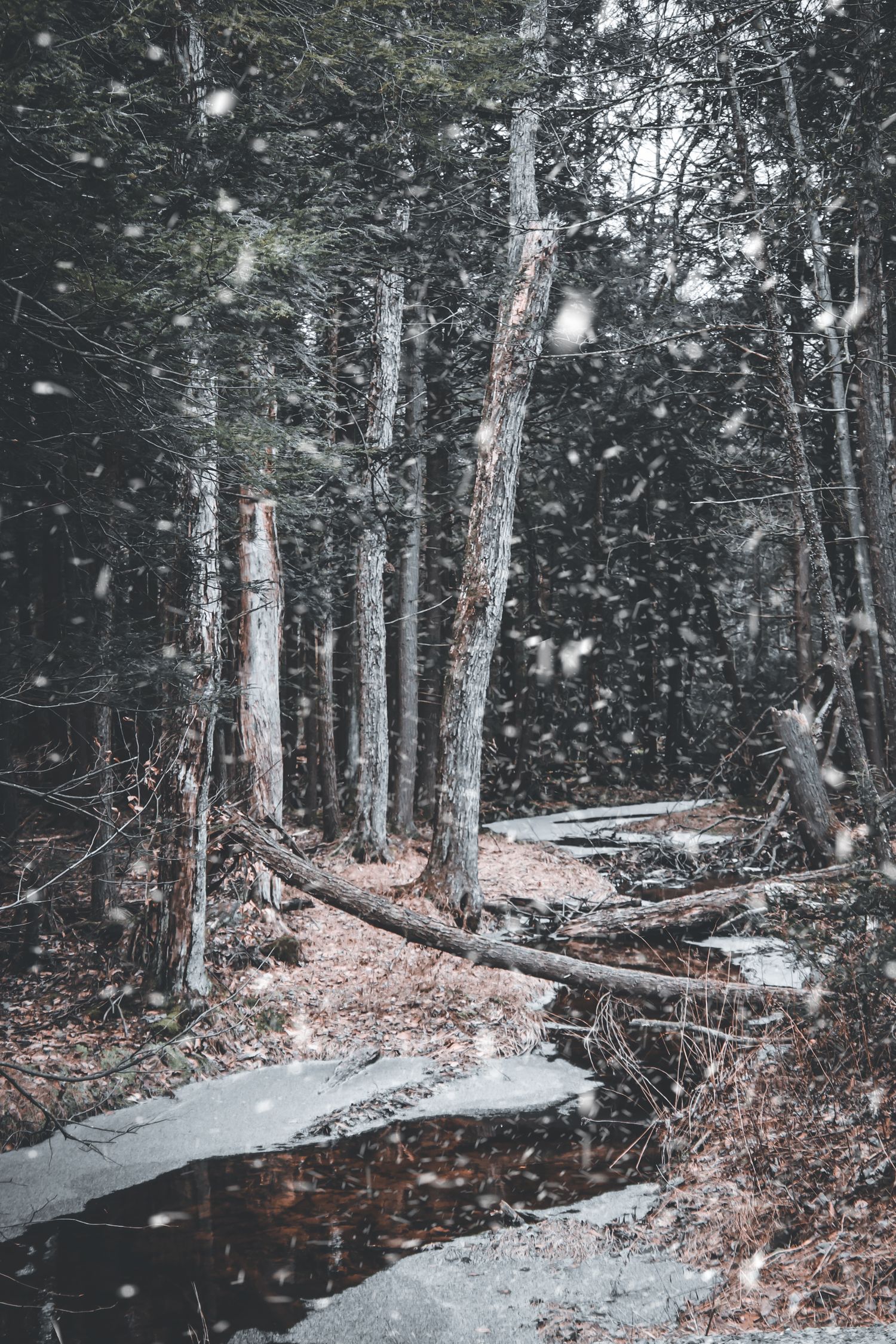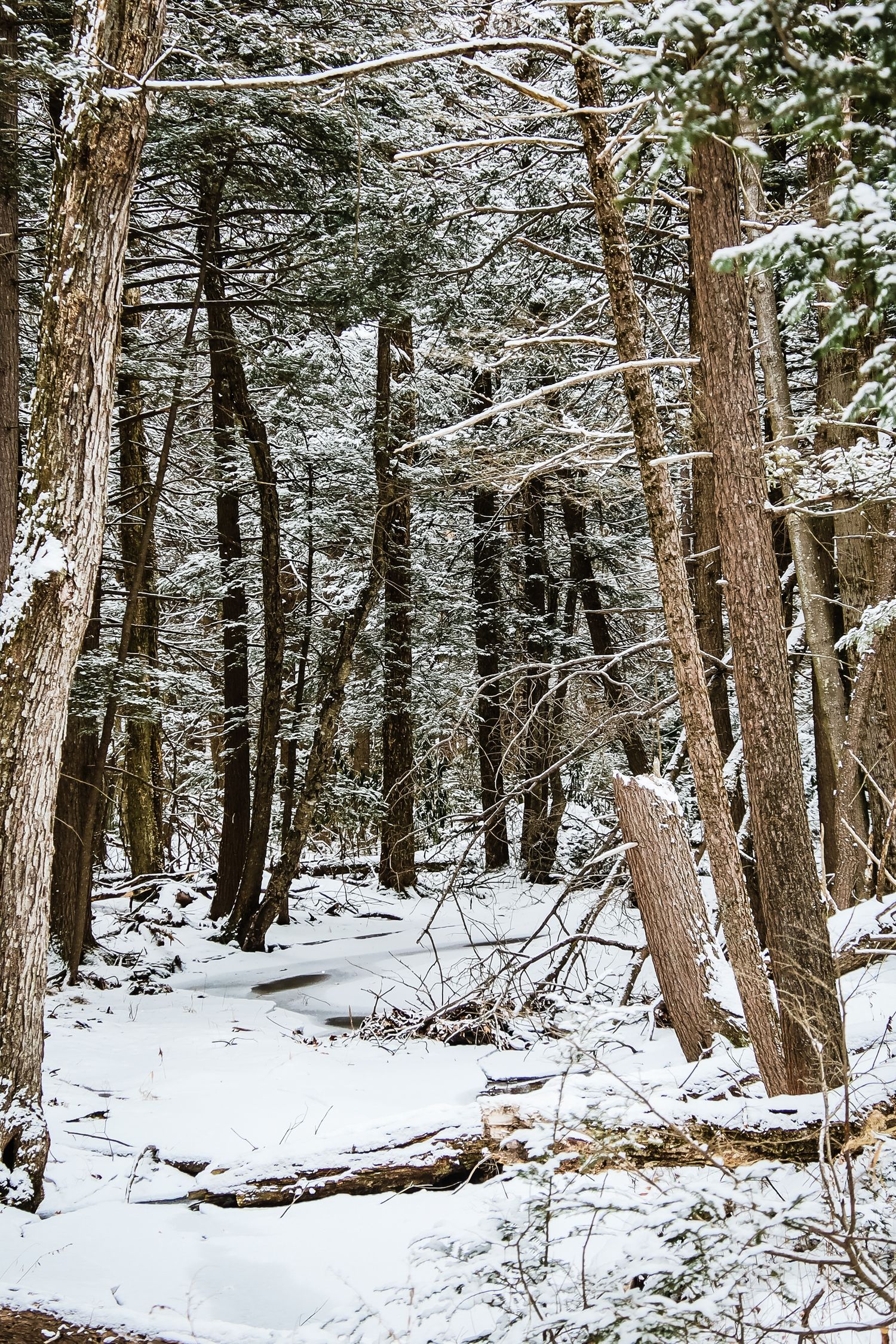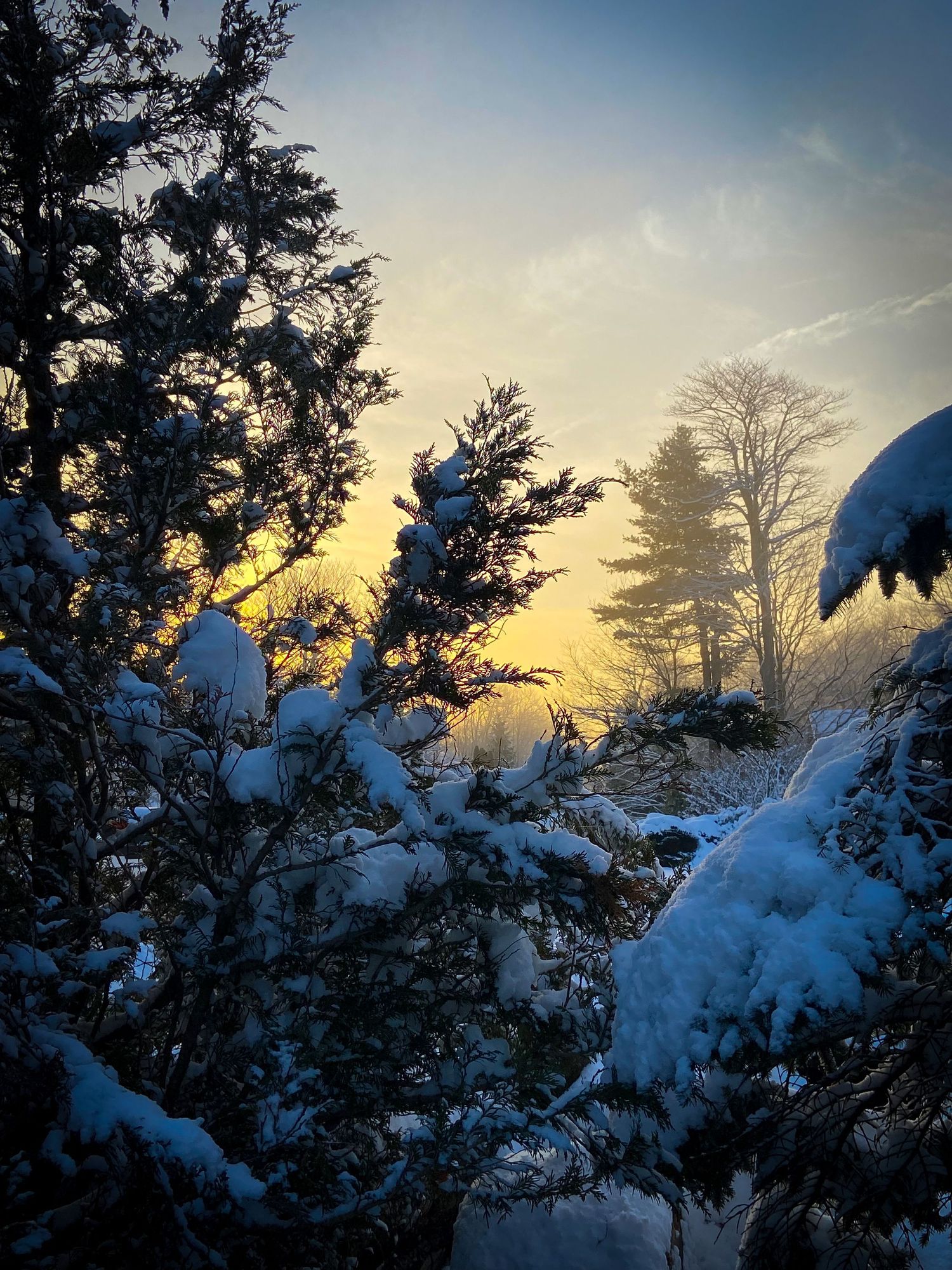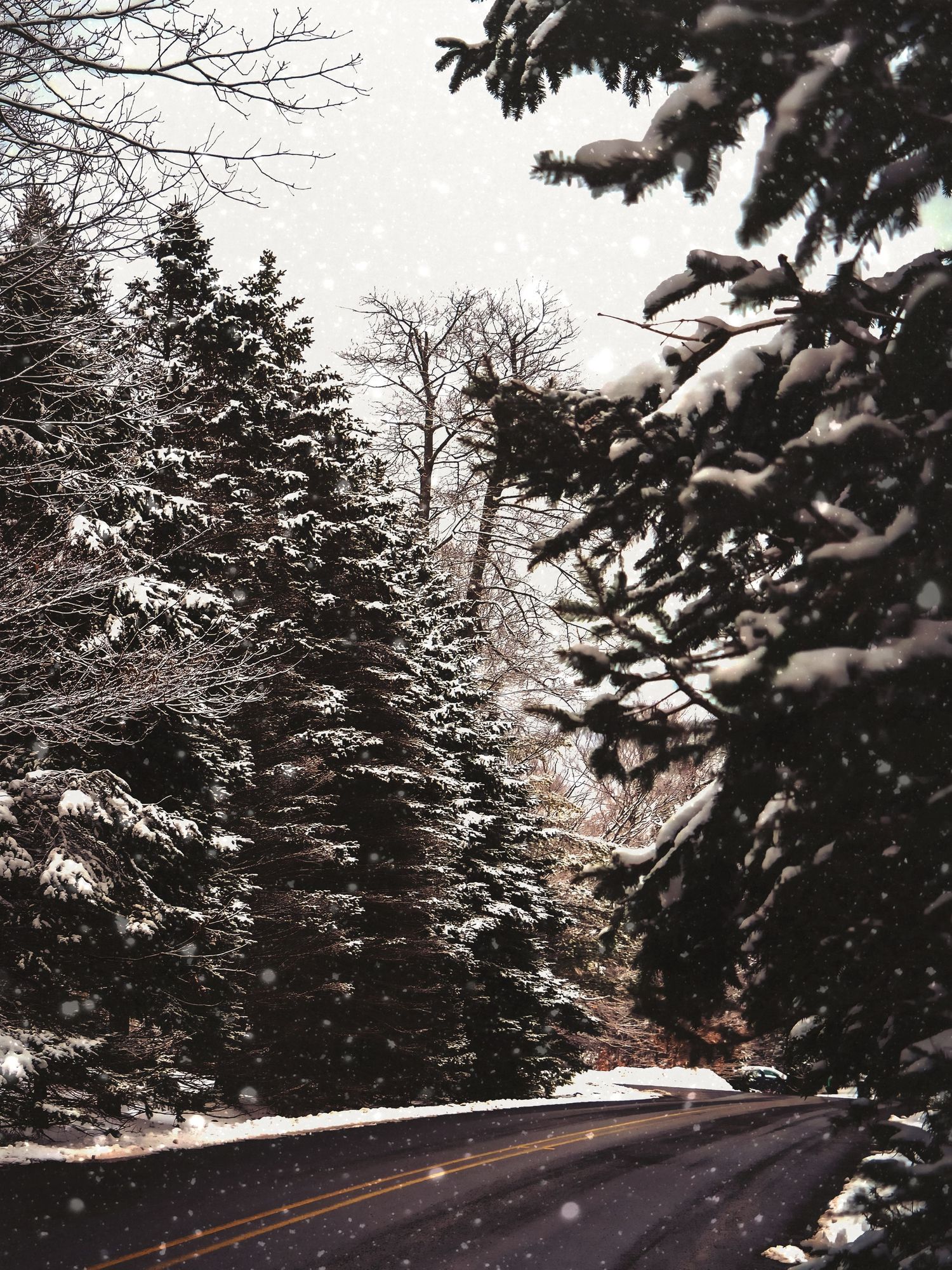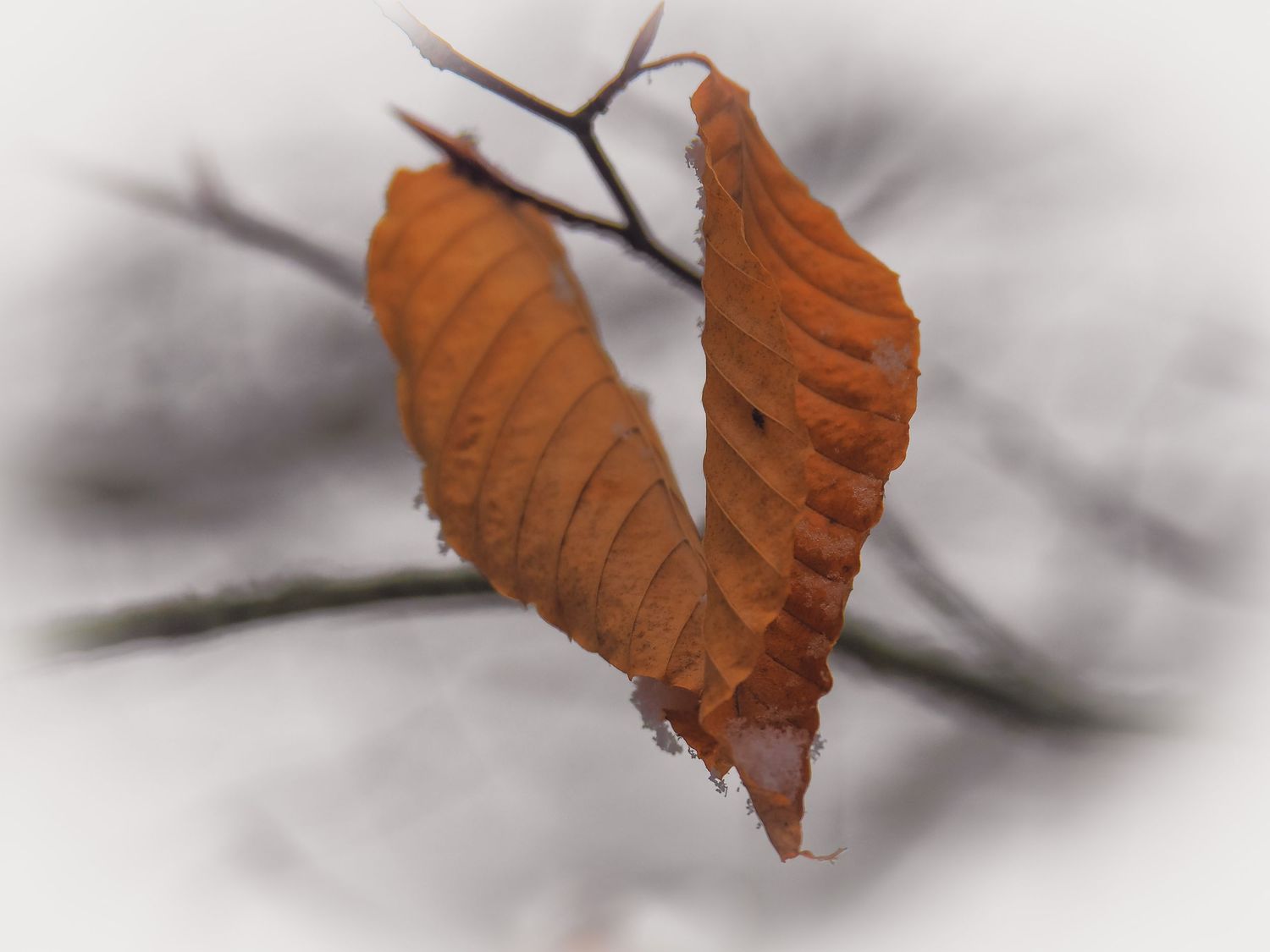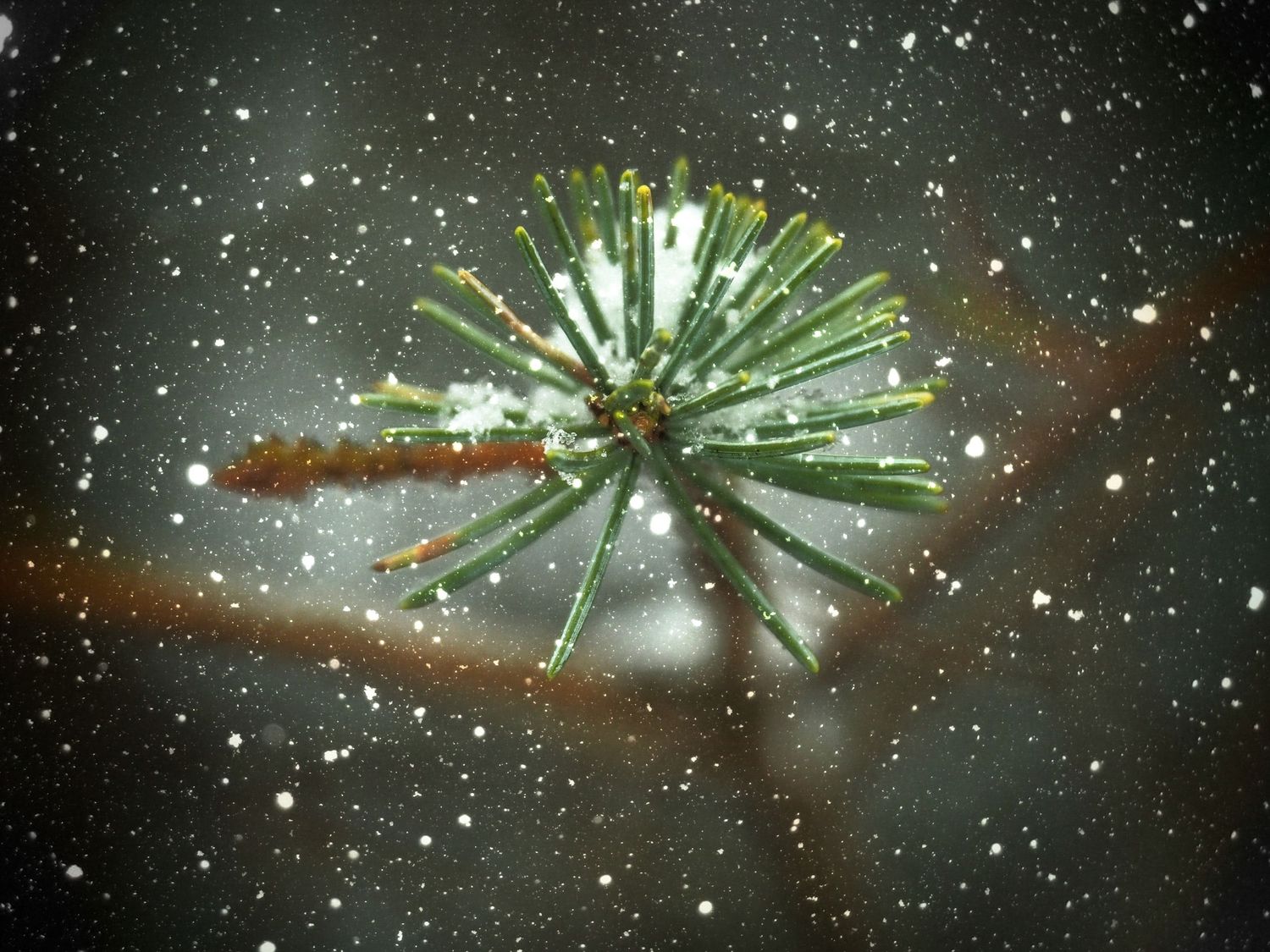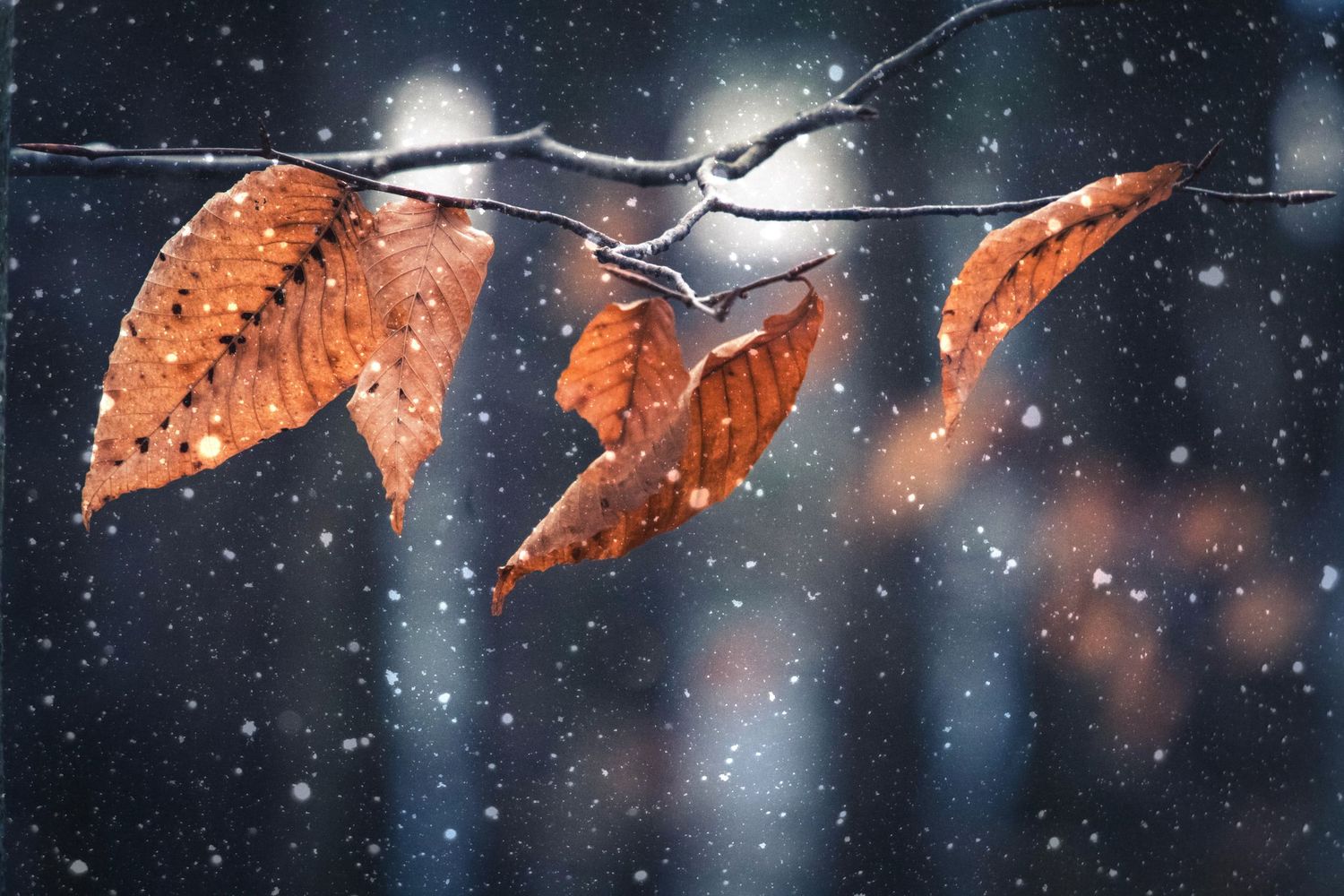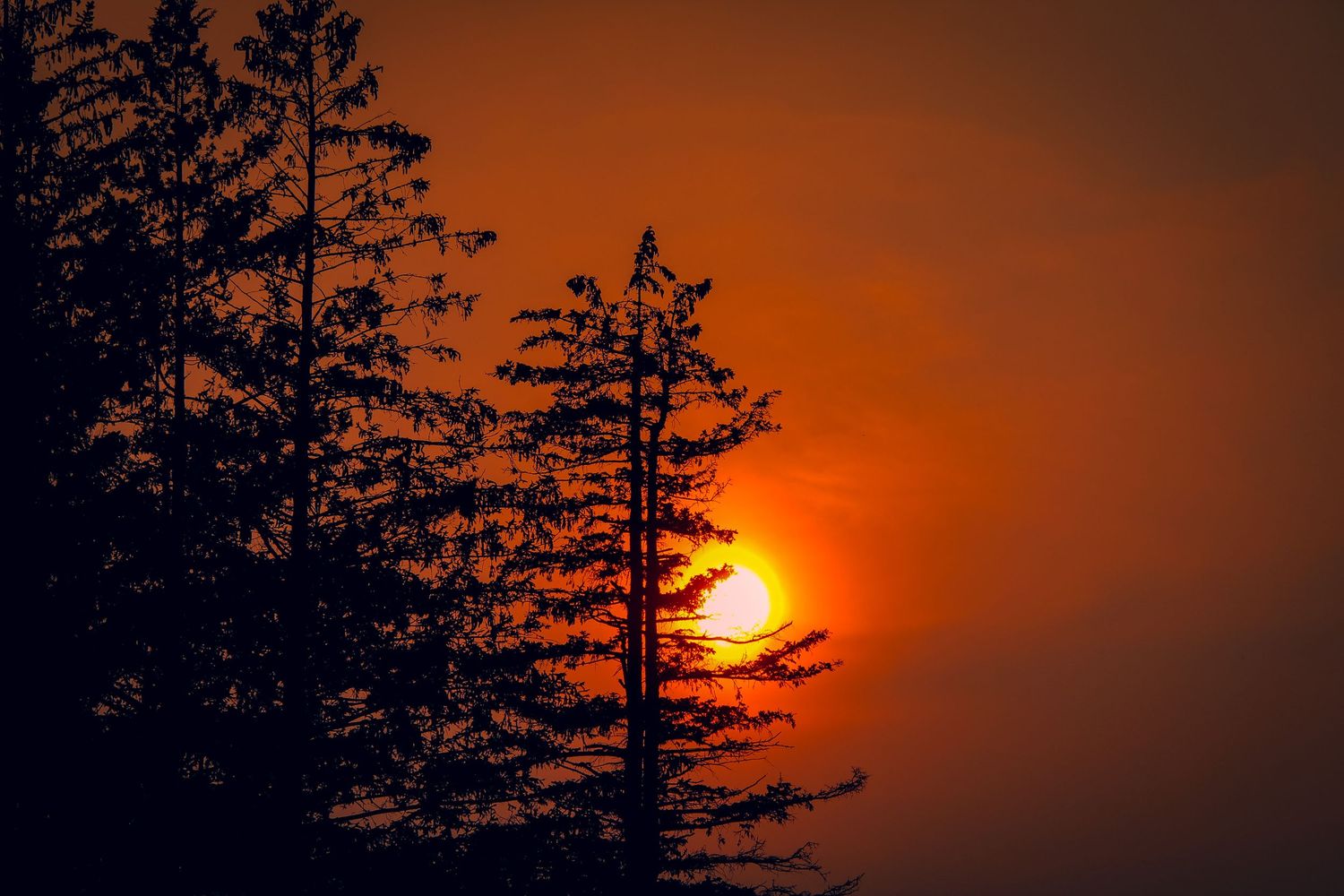
When people think about photographing nature, they often picture spring blooms, lush summer landscapes, or vibrant fall foliage. Winter is frequently dismissed as dull, lifeless, or “too hard” to photograph. But for nature photographers, winter offers something incredibly special—quiet beauty, dramatic light, and moments that exist nowhere else in the year.
Winter nature photography deserves more love, and here’s why.
Winter Reveals the True Shape of the Landscape
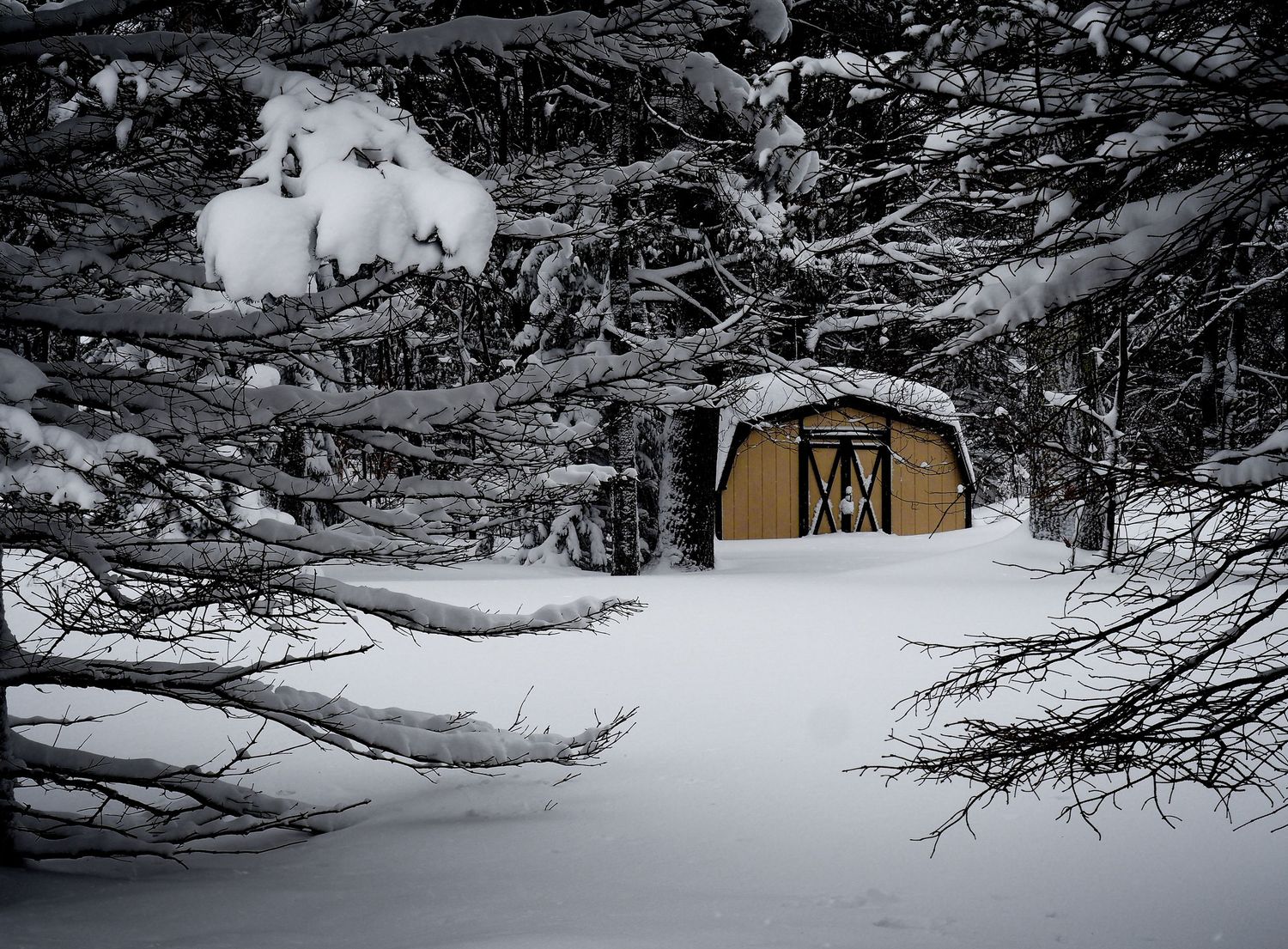
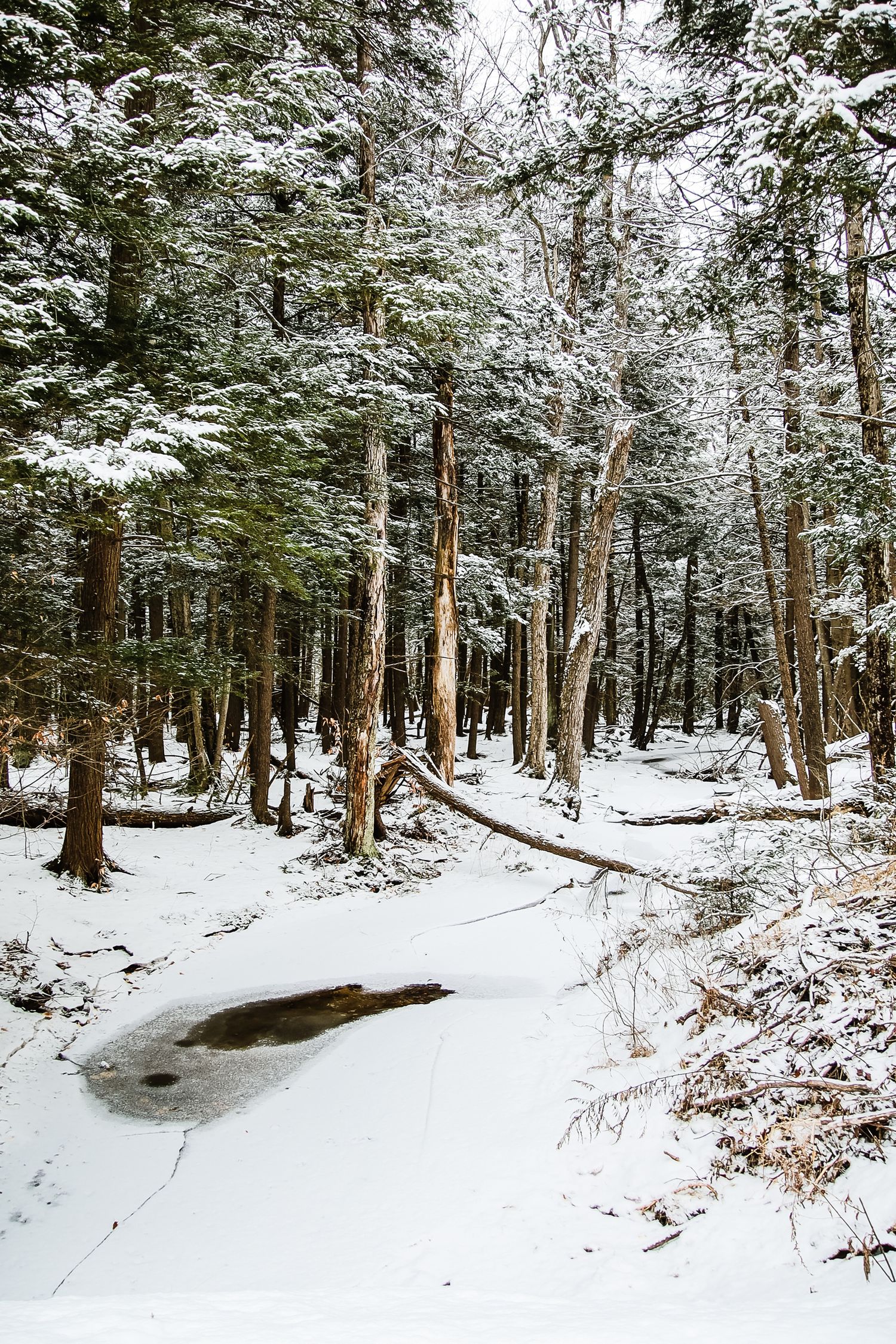
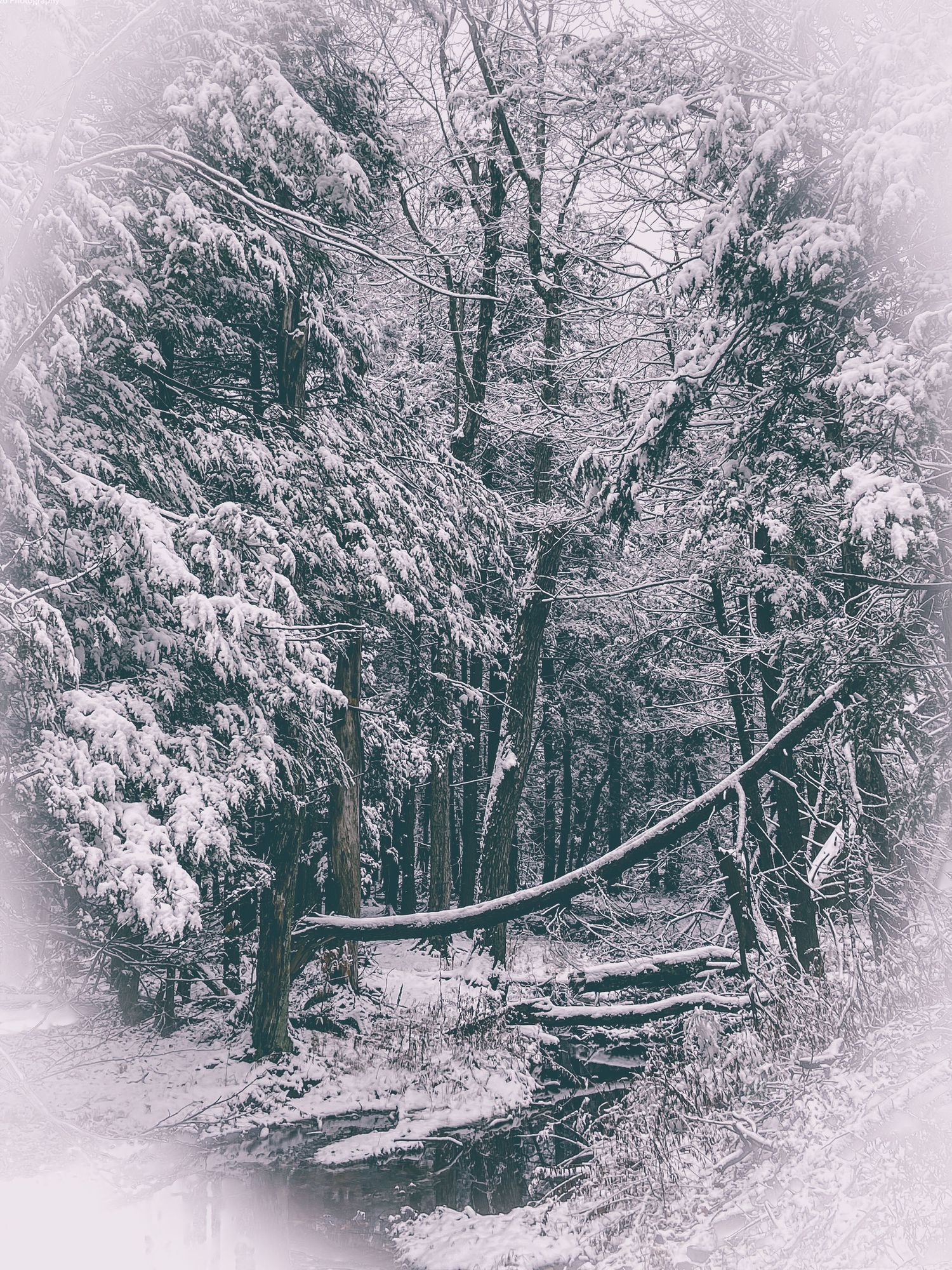
Without leaves on the trees or dense vegetation covering the ground, winter strips the landscape down to its bones. Tree lines, rolling hills, rock formations, and shorelines become more visible and graphic.
This season teaches photographers to see structure, lines, and composition in their purest form. A single tree, a winding trail, or a frozen stream can become a powerful focal point without competing distractions.
Moody Light and Atmospheric Conditions
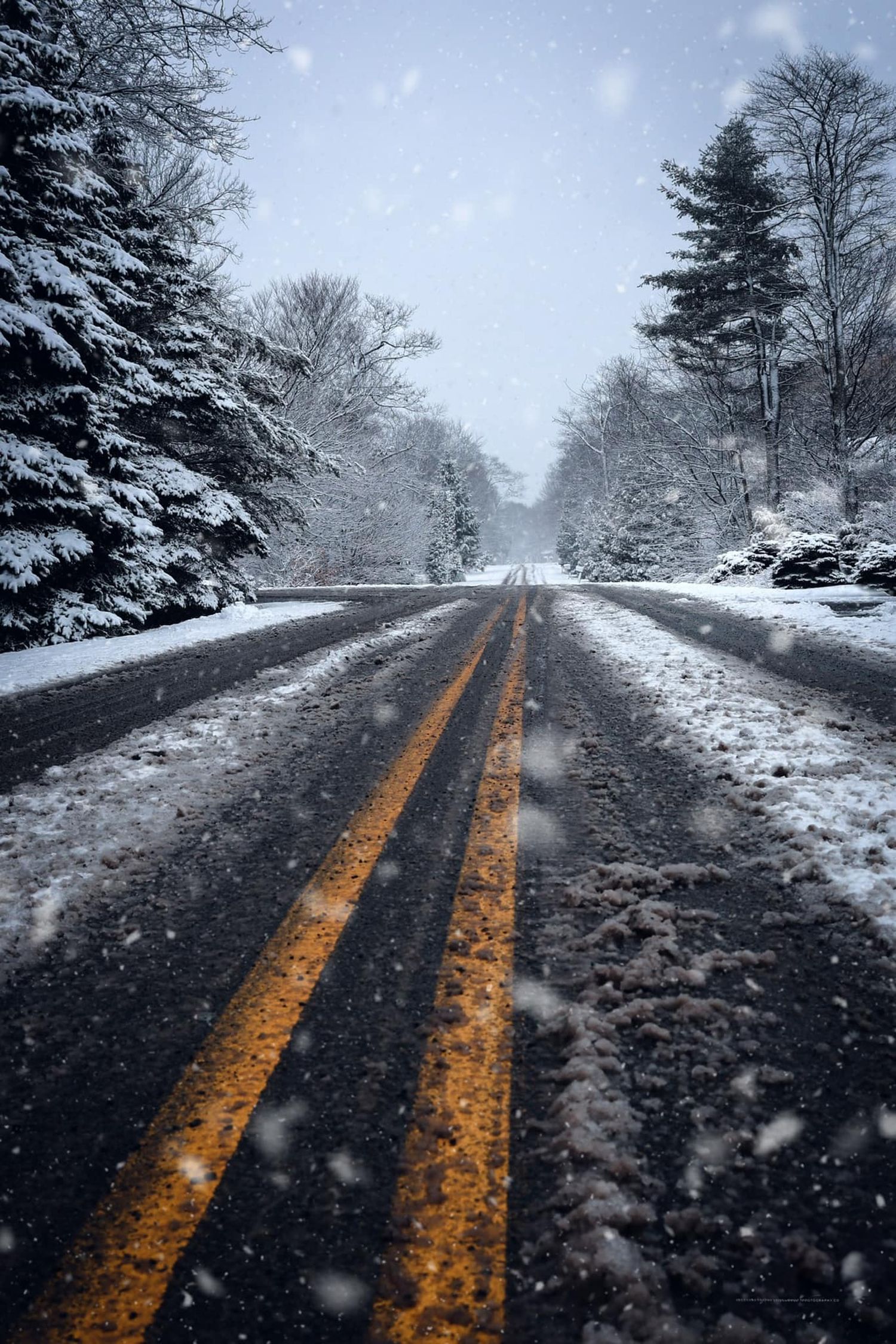
Winter light is subtle, soft, and endlessly moody. Overcast skies act like a giant softbox, perfect for capturing fine details in snow, ice, and textures. Low sun angles create long shadows and gentle highlights that add depth to landscapes.
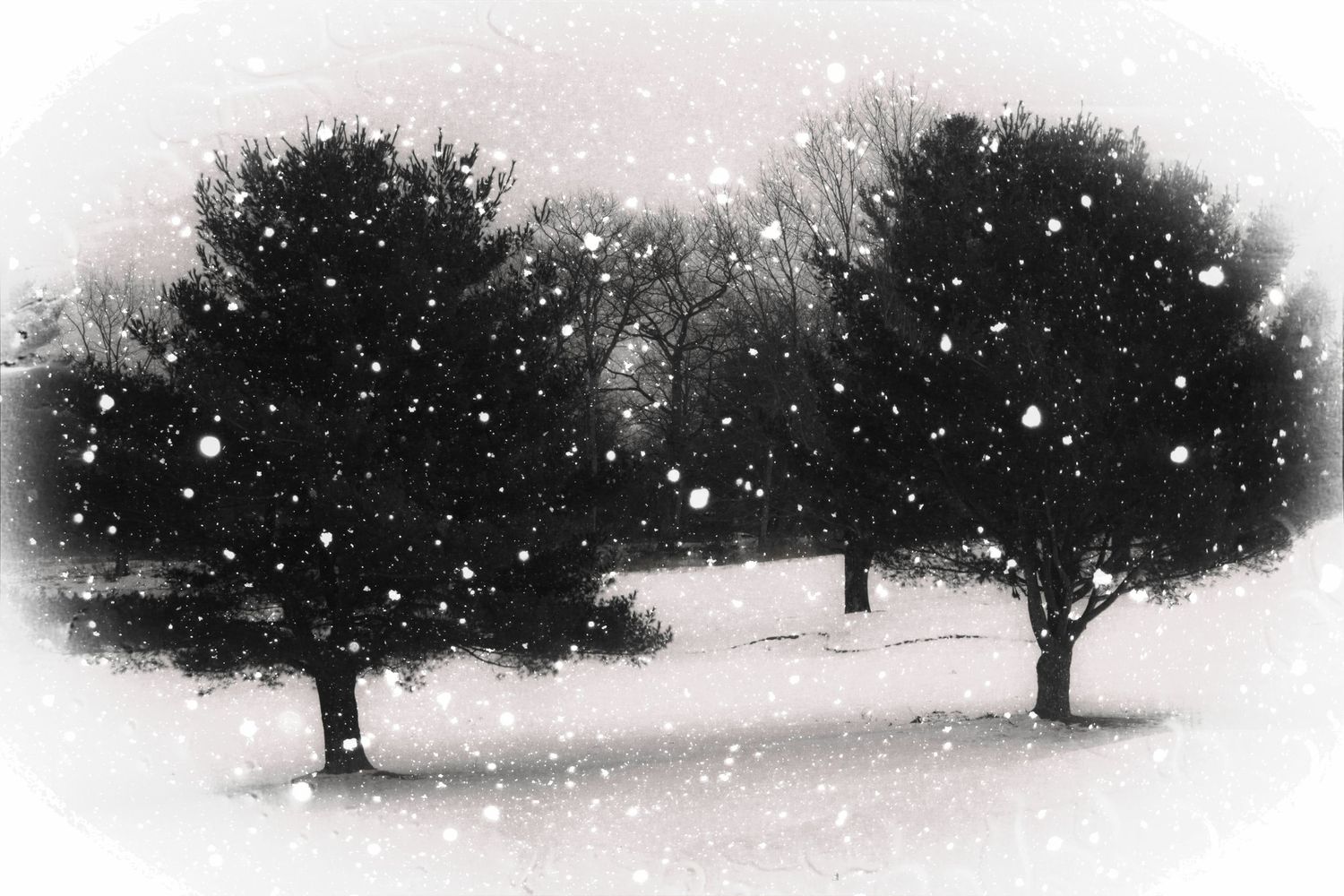
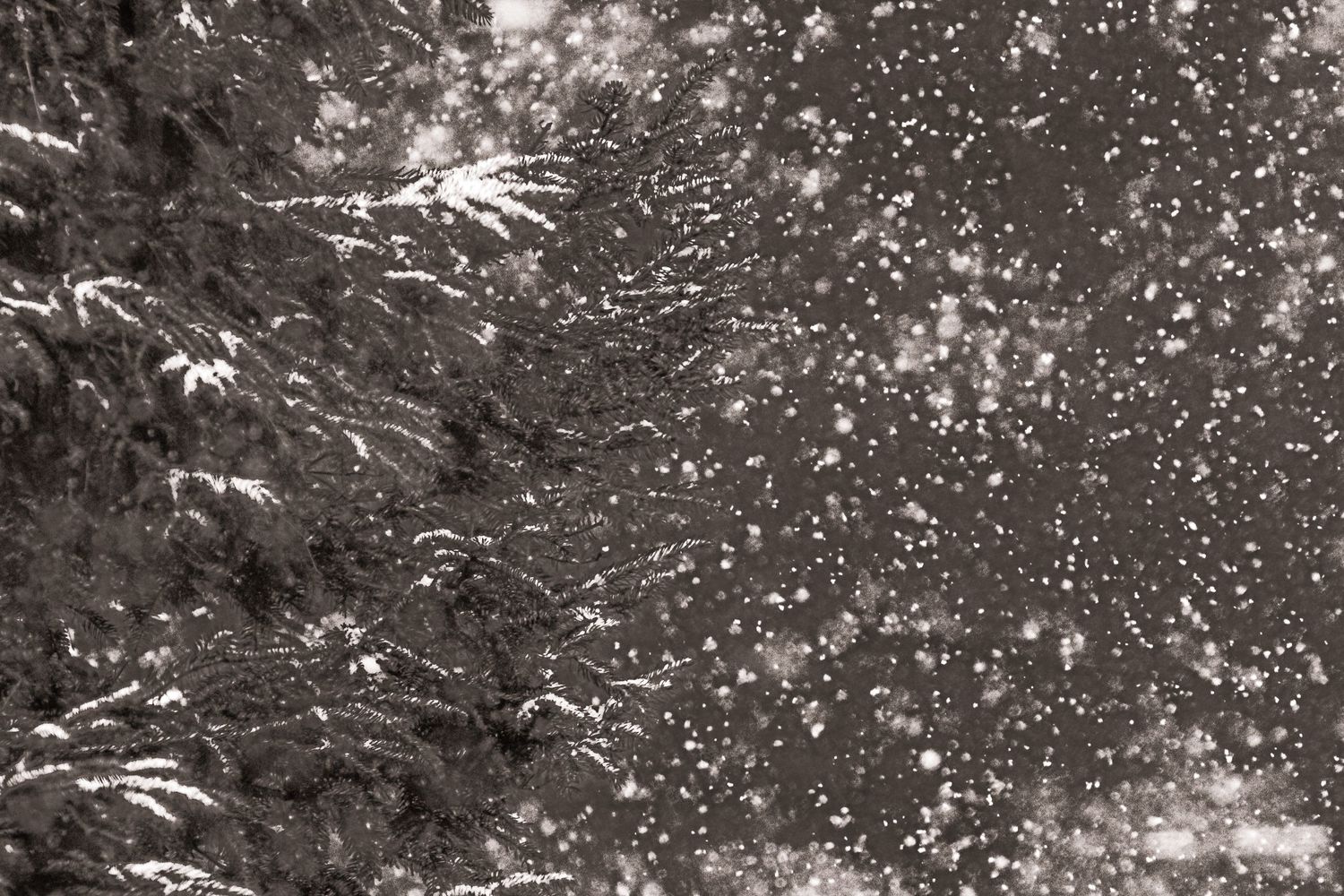
Fog, frost, falling snow, and icy haze introduce atmosphere that transforms ordinary scenes into something ethereal. These conditions don’t happen often—and when they do, they’re fleeting.
Snow Is Nature’s Clean Canvas
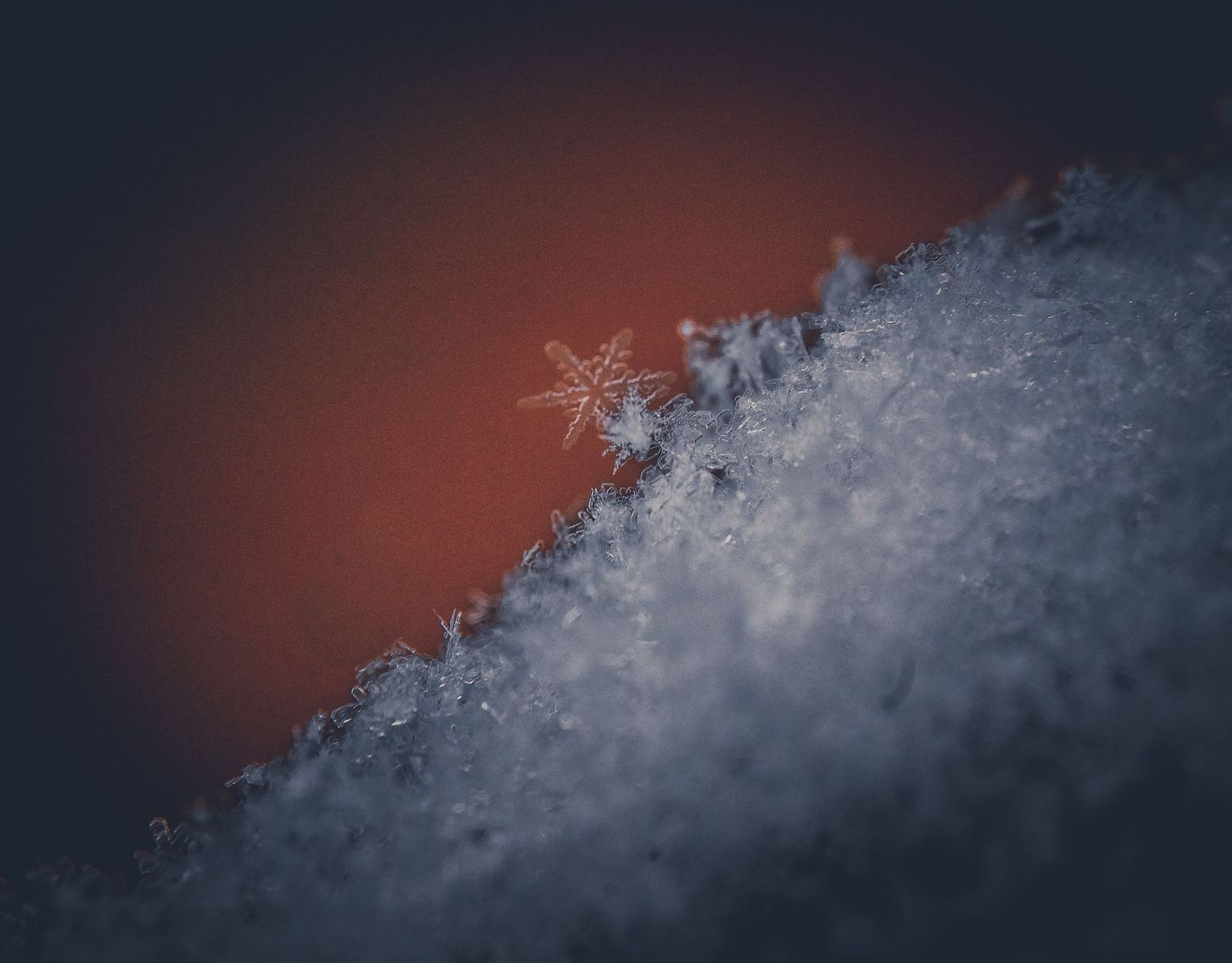
Snow simplifies a scene in a way no other element can. It removes clutter, softens edges, and highlights contrast. Footprints in fresh snow, animal tracks crossing a field, or wind patterns across drifts tell quiet stories that would otherwise go unnoticed.
For nature photographers, snow becomes a storytelling tool, not just a backdrop.
Wildlife Behavior Is Easier to Observe
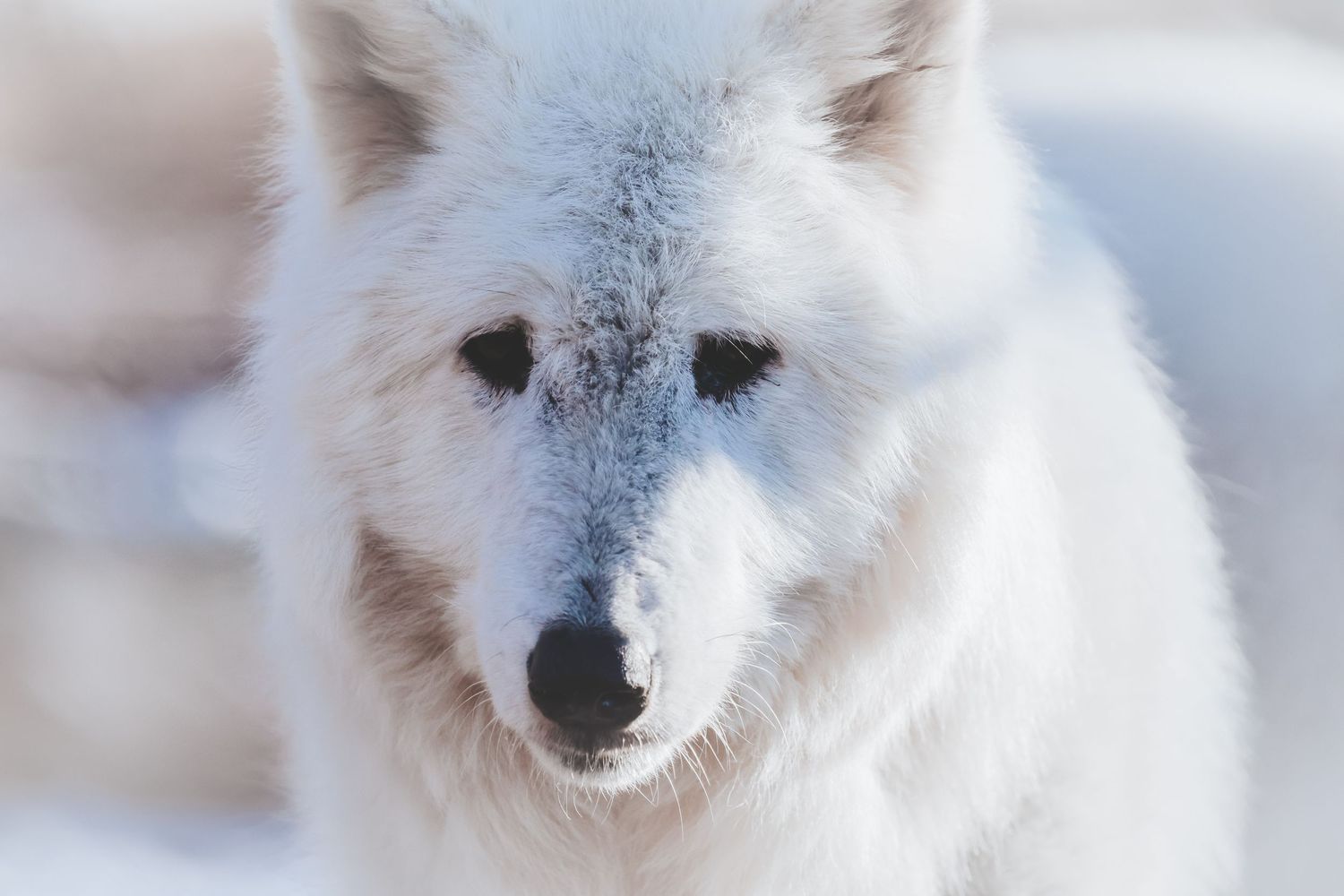
Winter offers unique opportunities for wildlife photography. Animal tracks reveal movement and behavior, and with less foliage, wildlife can be easier to spot. Many species behave differently in winter, providing rare chances to document survival, resilience, and adaptation.
Even signs of wildlife—tracks, feathers, burrows—add depth and narrative to winter nature images.
Fewer Crowds, More Intentional Shooting
Popular nature spots become quieter in winter. With fewer people on trails and overlooks, photographers can slow down, explore compositions more intentionally, and truly immerse themselves in the environment.
This solitude often leads to more thoughtful images and a deeper connection to the landscape.
Winter Challenges Make Better Photographers
Winter demands patience and preparation. Cold temperatures, changing conditions, and limited daylight force photographers to slow down and work more deliberately.
Learning to expose for snow, protect gear, manage batteries in the cold, and anticipate weather patterns strengthens technical skills—and builds confidence in unpredictable conditions.
Emotion, Stillness, and Storytelling
Winter nature photography isn’t loud or flashy. It’s quiet, reflective, and emotional. It captures stillness, resilience, and the beauty of things at rest.
These images often feel timeless, inviting viewers to pause and breathe—a rare gift in a fast-moving world.
Winter Isn’t Empty—It’s Honest
Winter doesn’t hide behind color or abundance. It reveals nature in its most honest form. For photographers willing to slow down and truly observe, winter offers some of the most meaningful and rewarding images of the year.
So bundle up, head outside, and let winter teach you how to see differently. You may find that this quiet season becomes the one that shapes your work the most.
📸❤️🌻