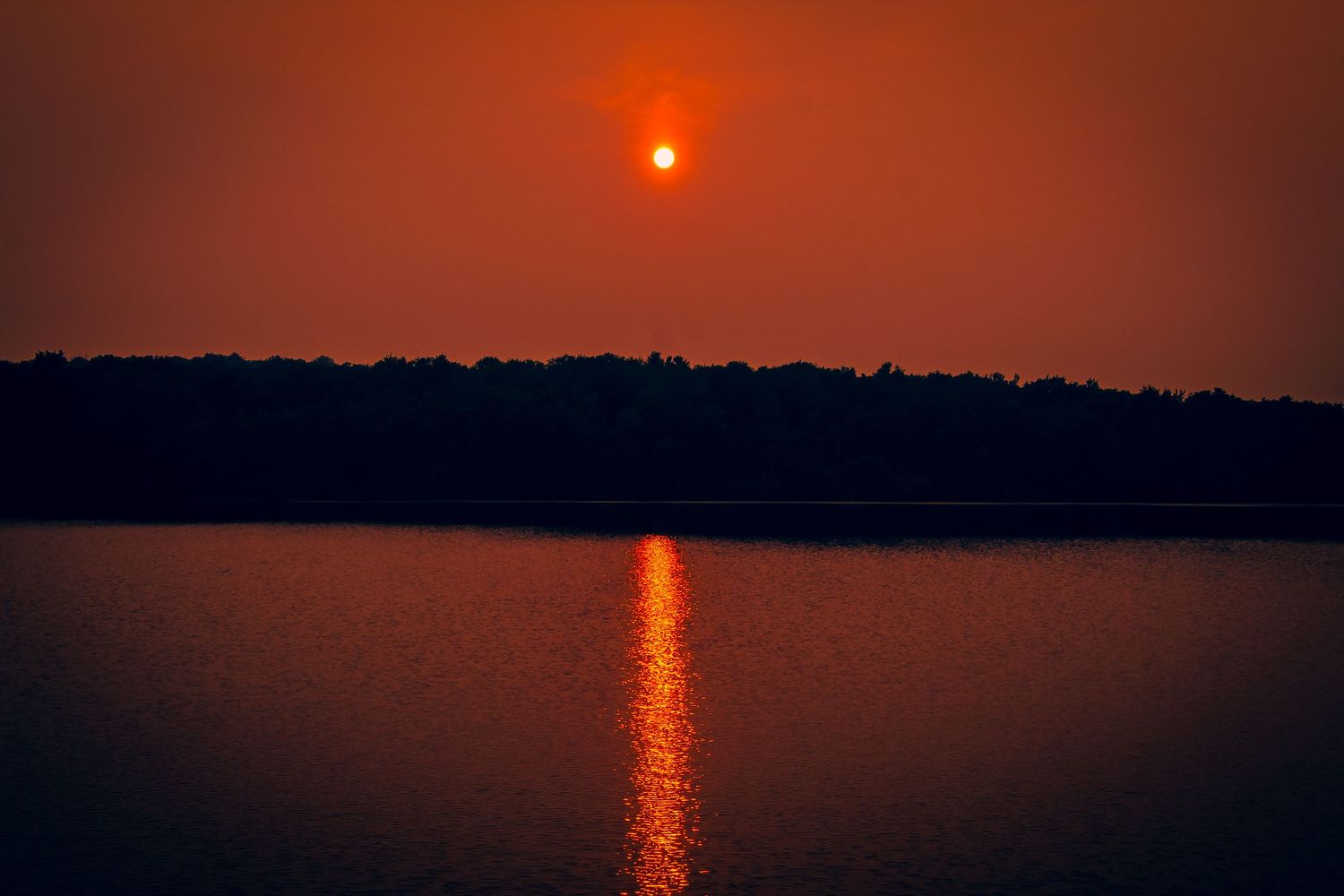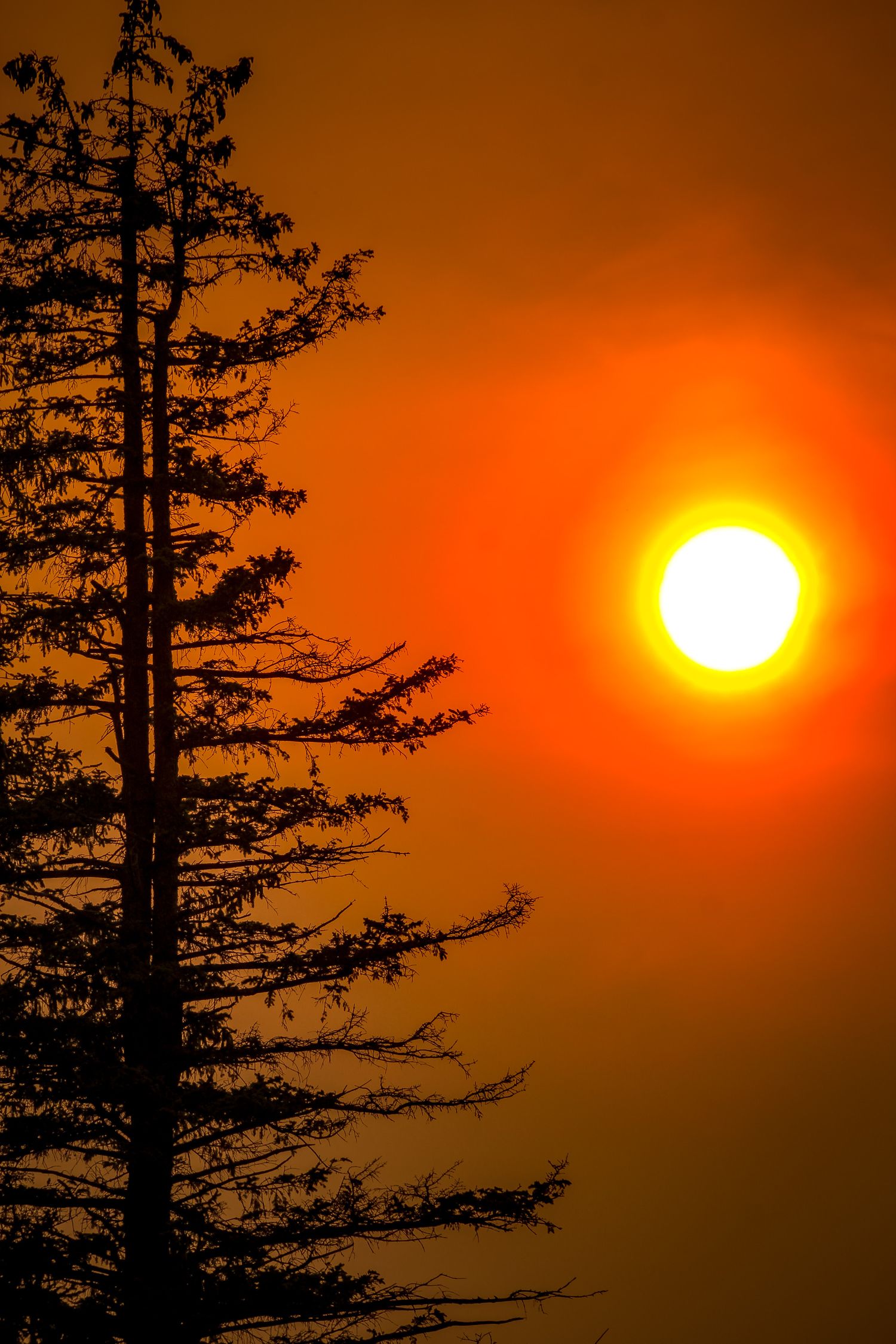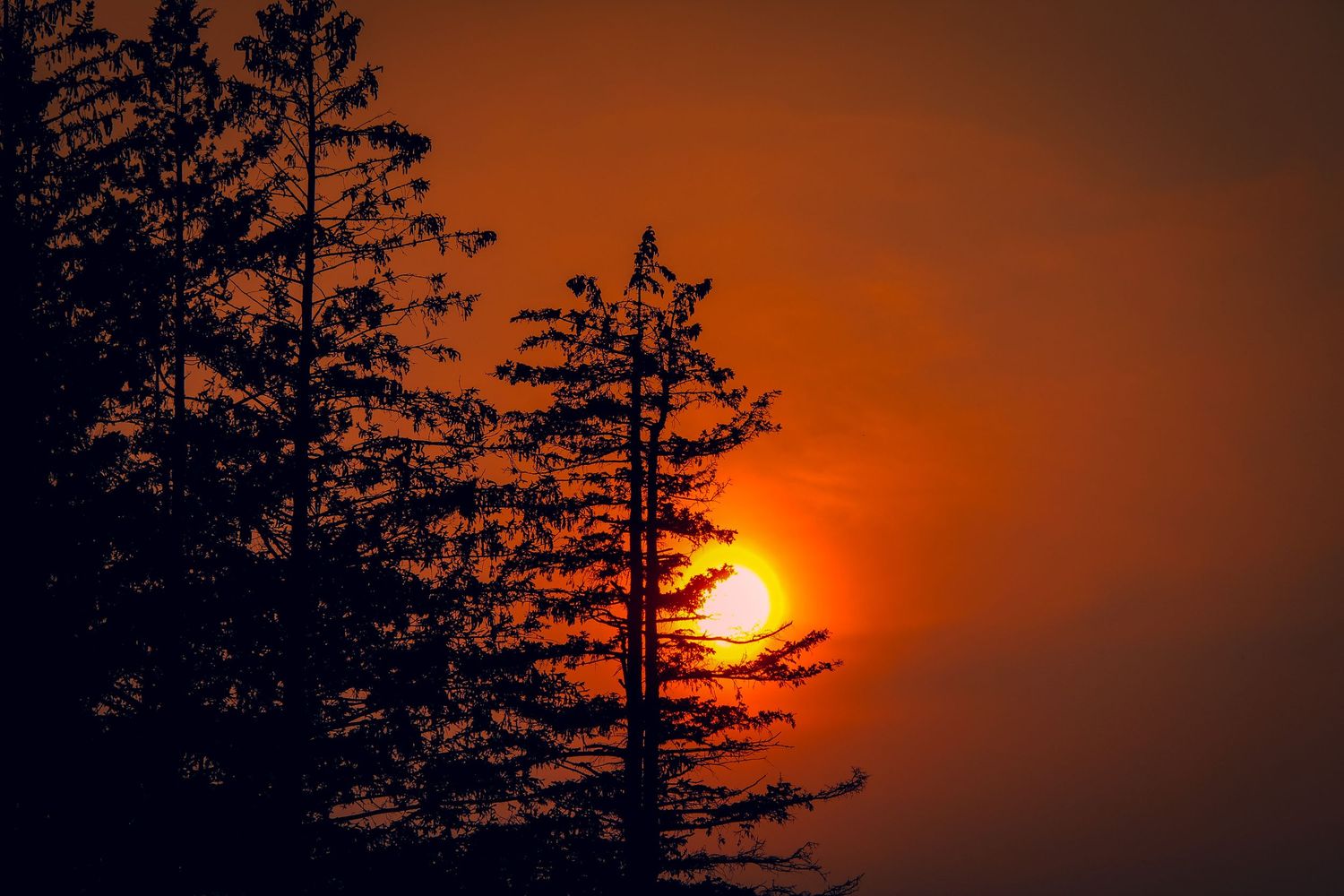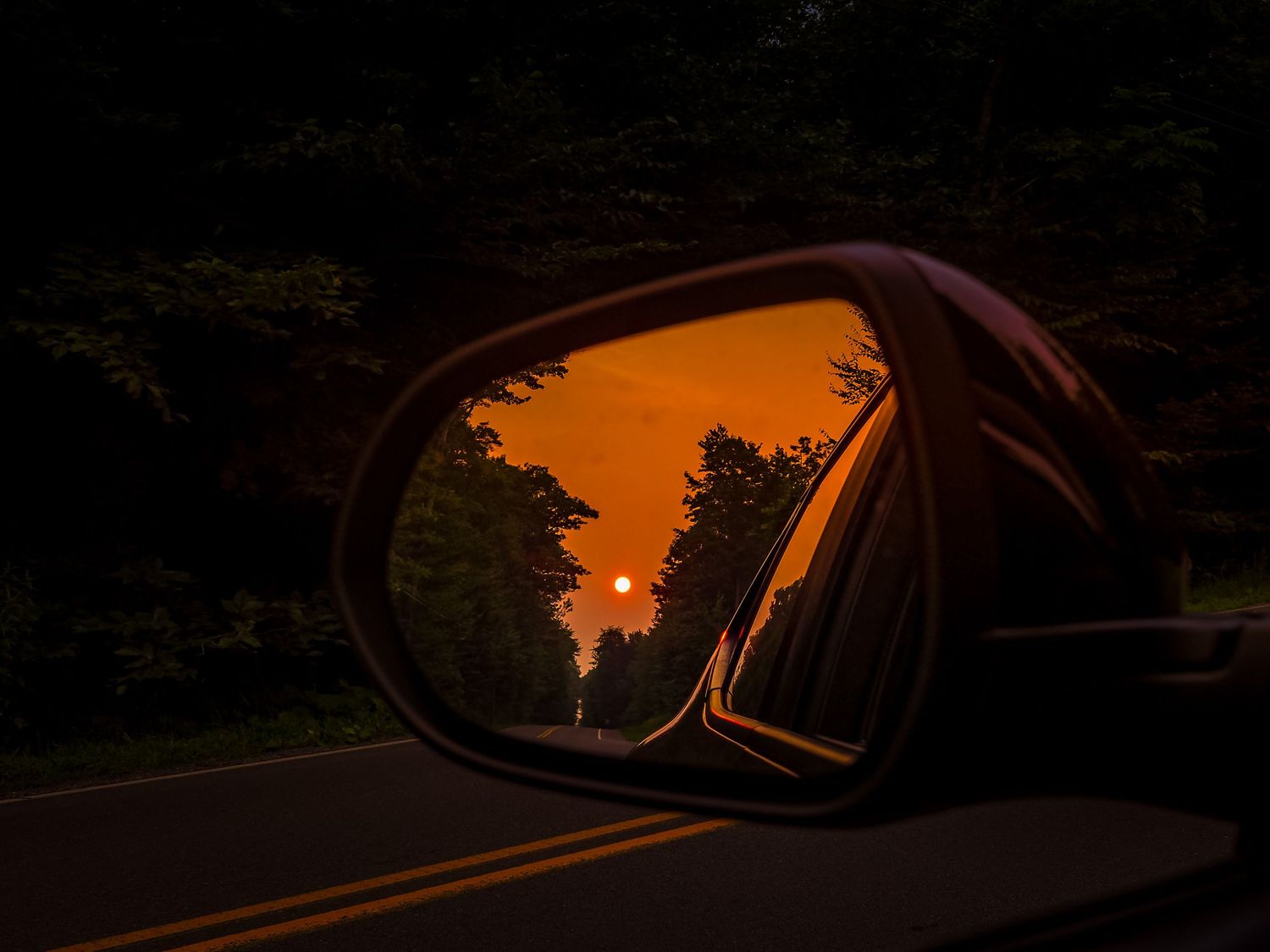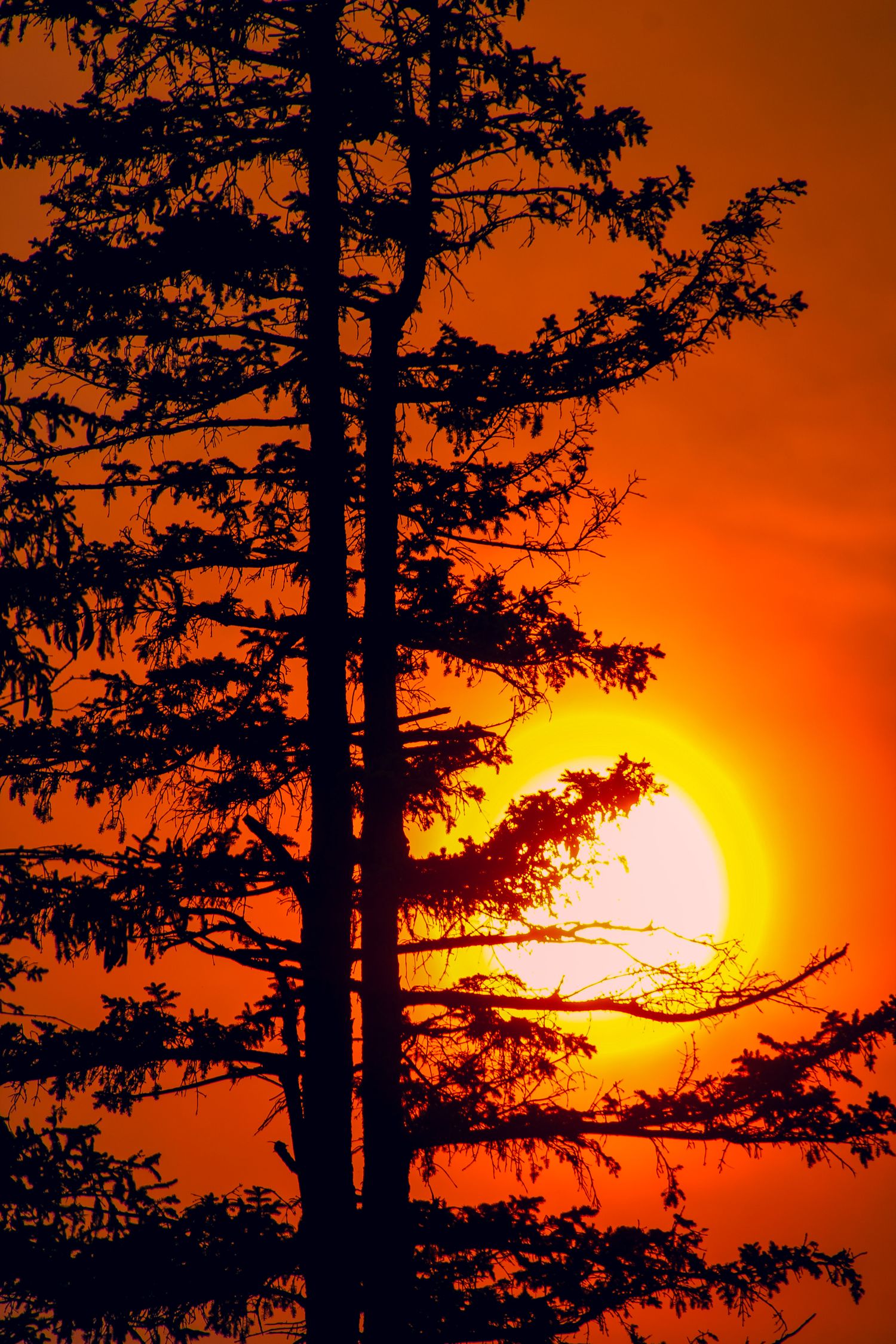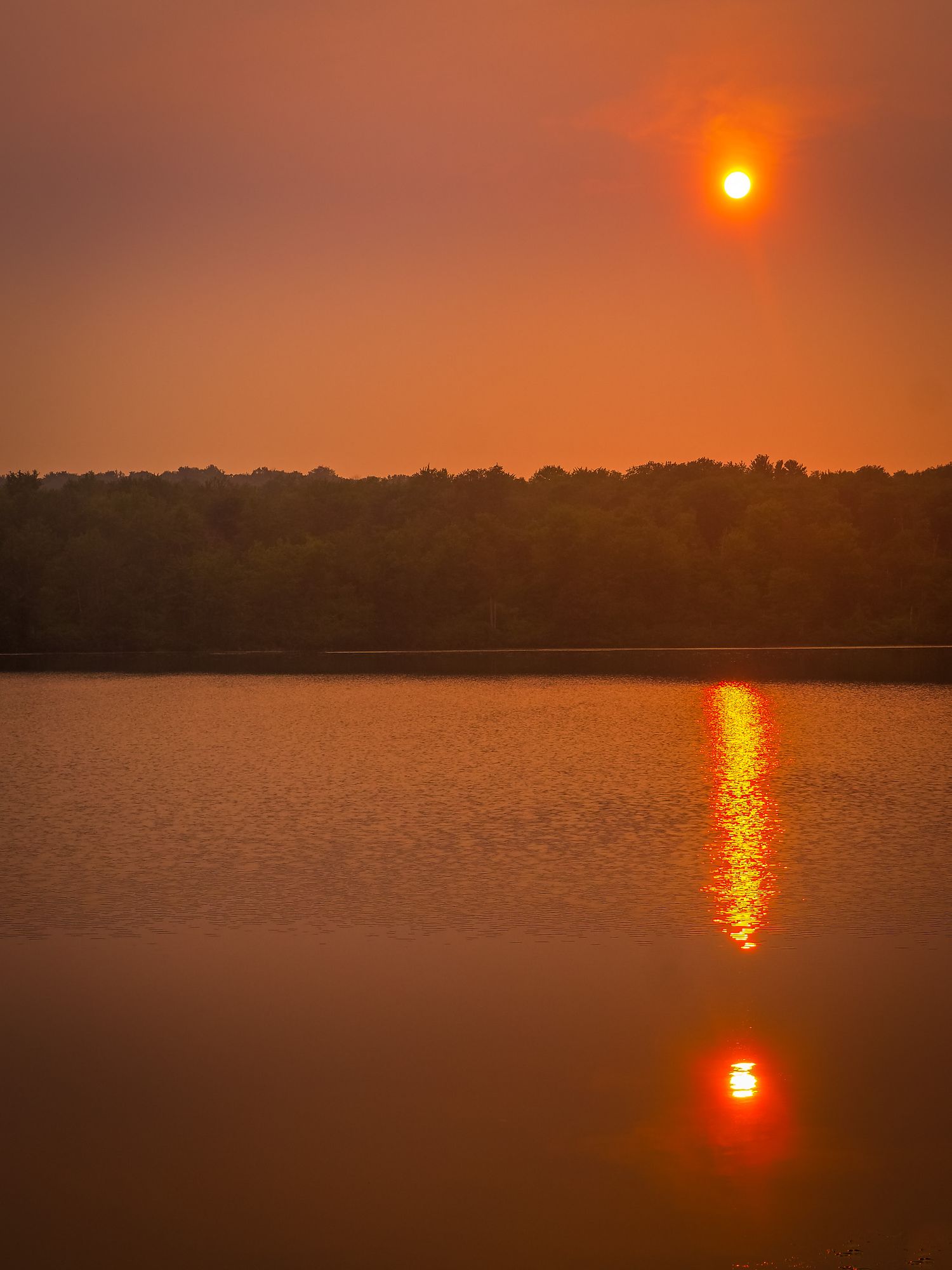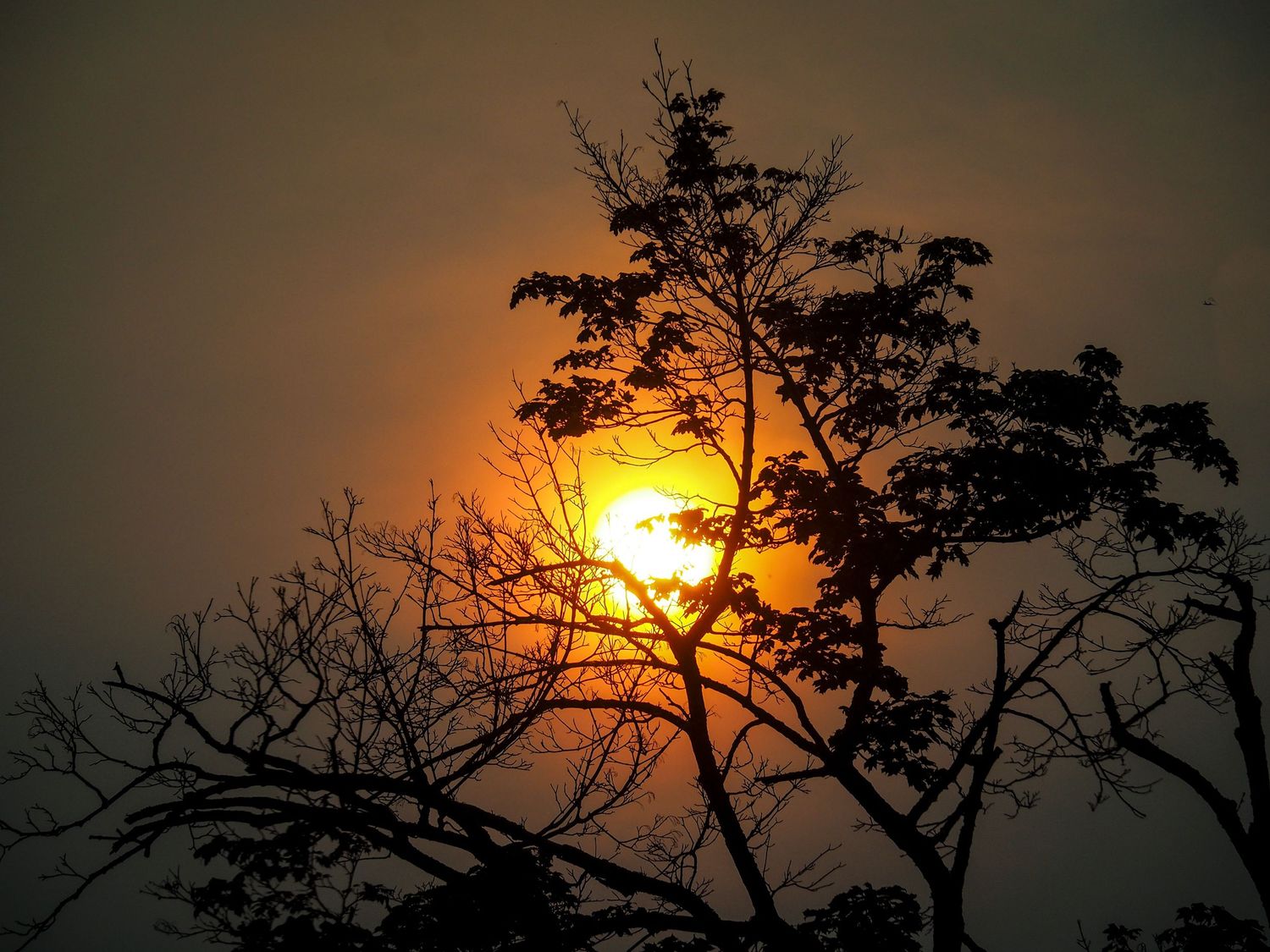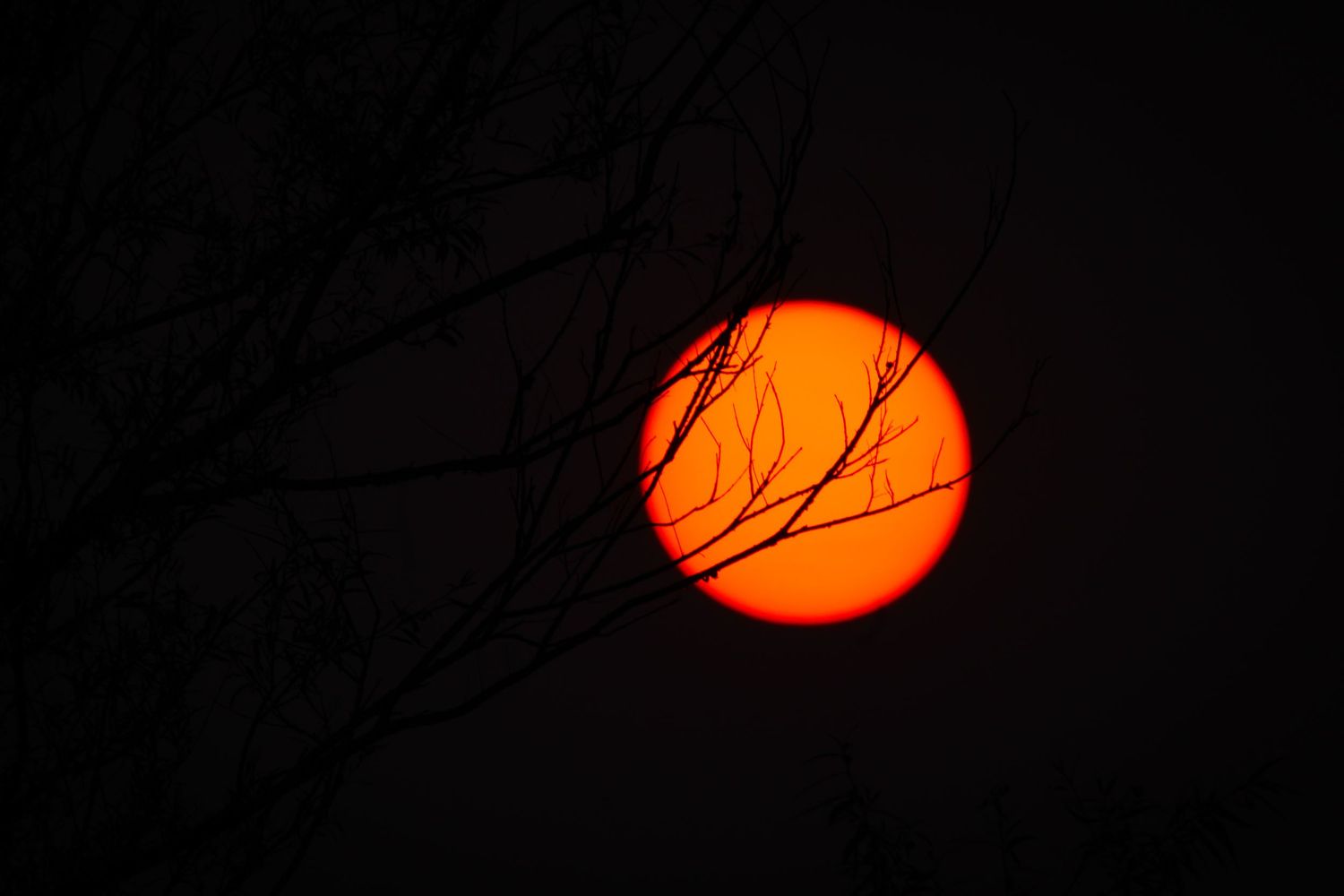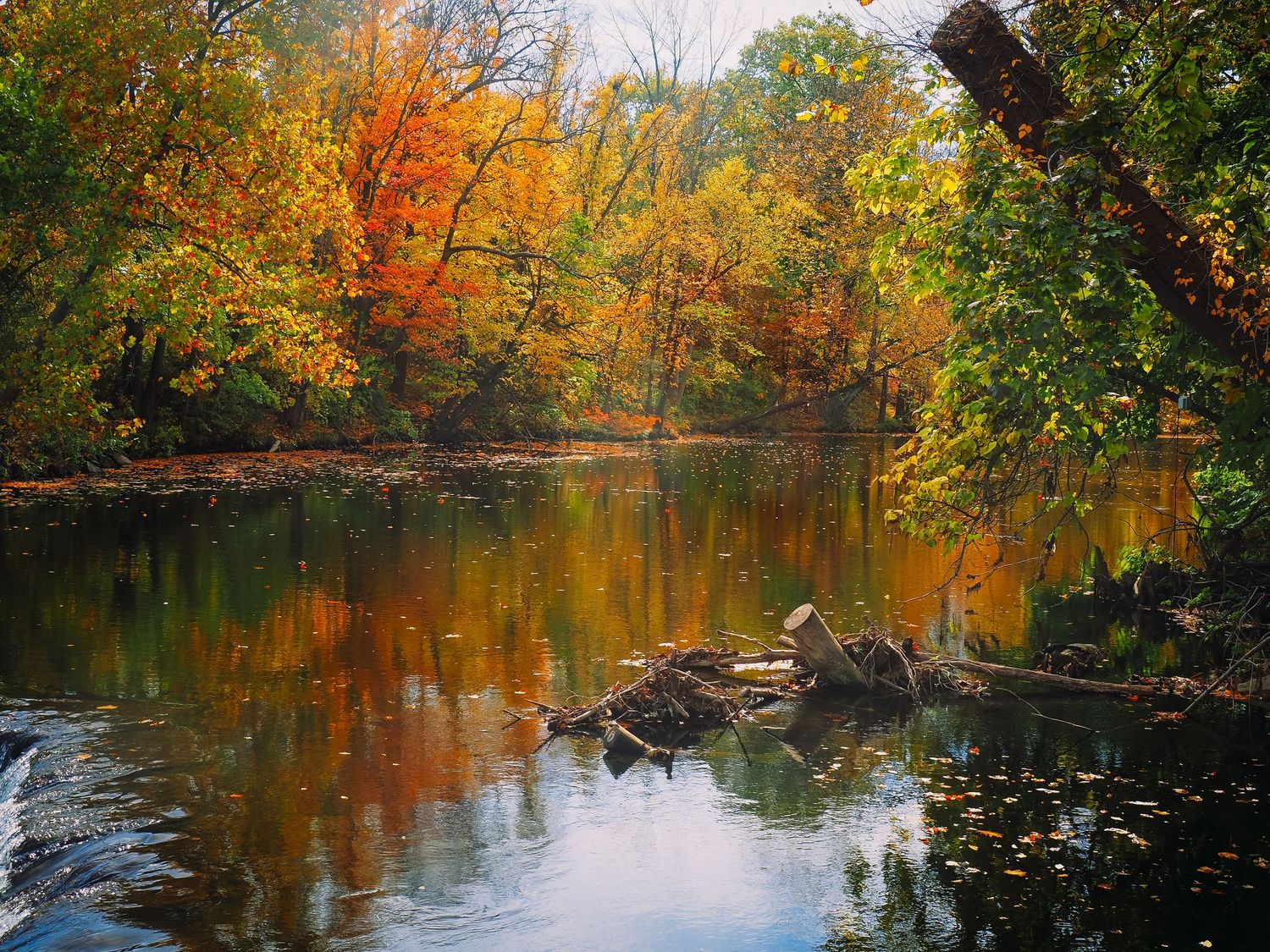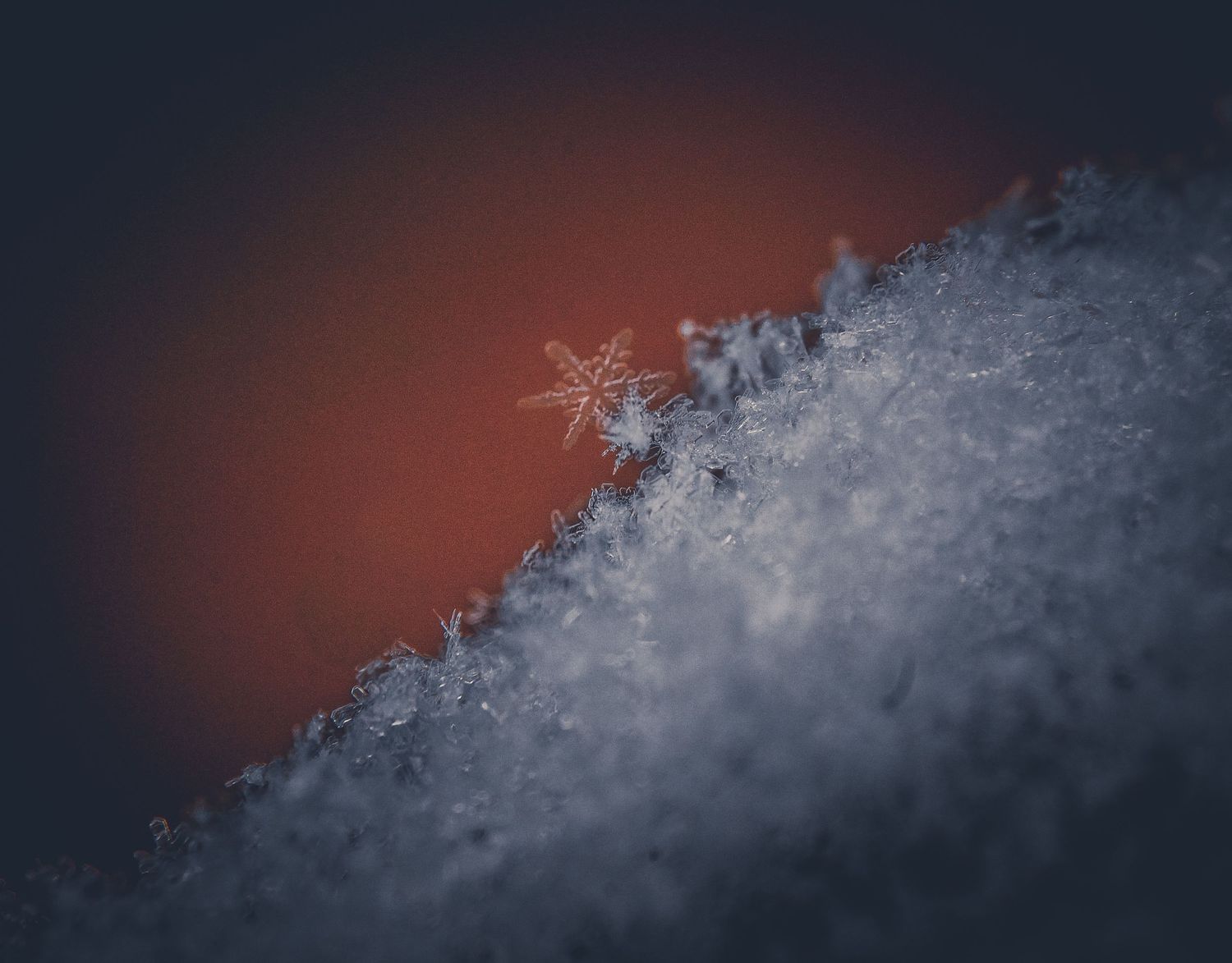
As photographers, we’re often chasing light, mood, and meaning — and sometimes, those elements converge in the most unexpected and chaotic ways. The recent Canadian wildfires have cast an eerie, orange hue across vast regions, blanketing landscapes in haze and transforming everyday scenes into surreal dreamscapes. While it’s a photographer’s instinct to reach for the camera during such dramatic conditions, shooting during wildfires requires a blend of artistry, safety, and caution — especially when it comes to protecting your gear and your health.
Finding Beauty in the Haze
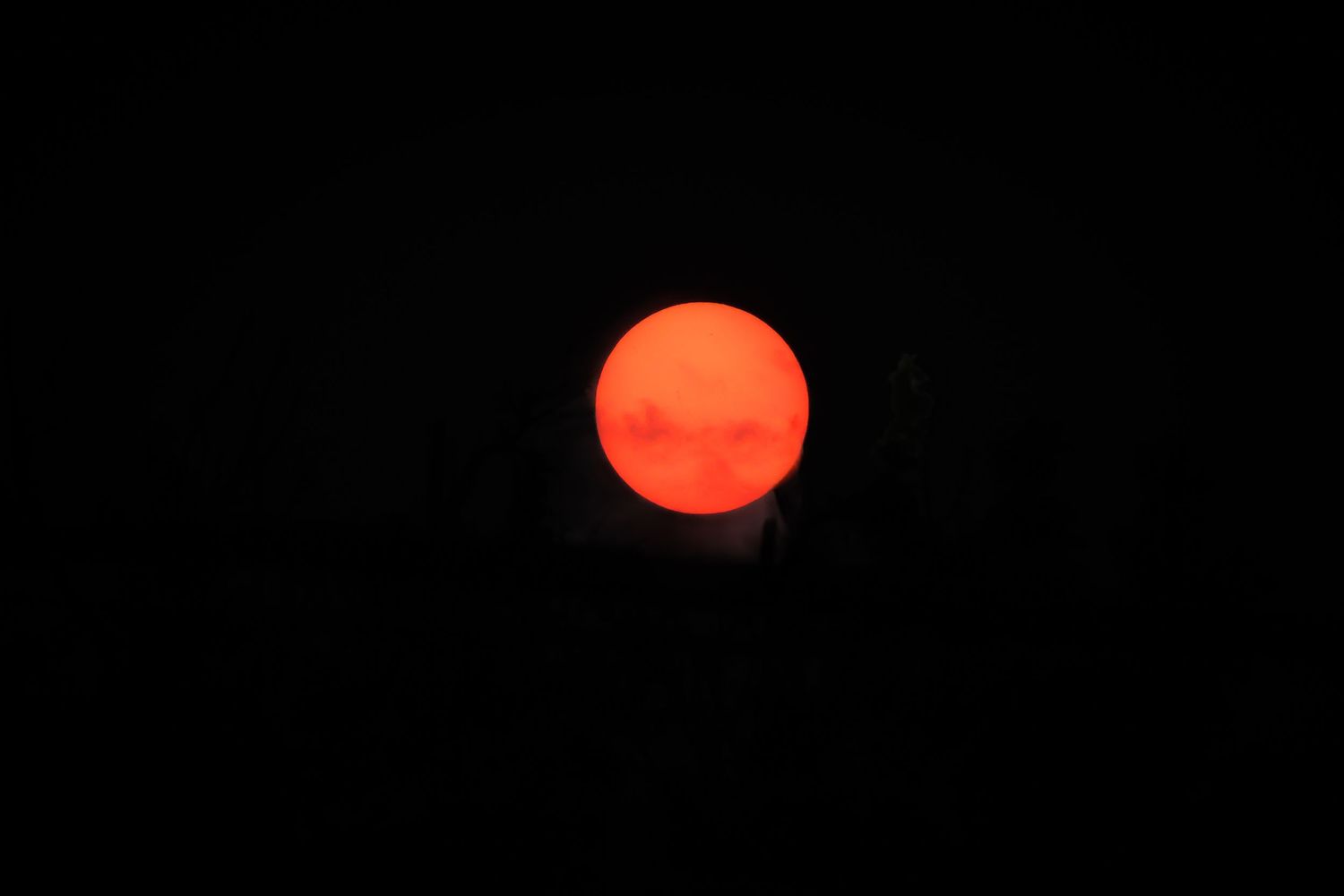
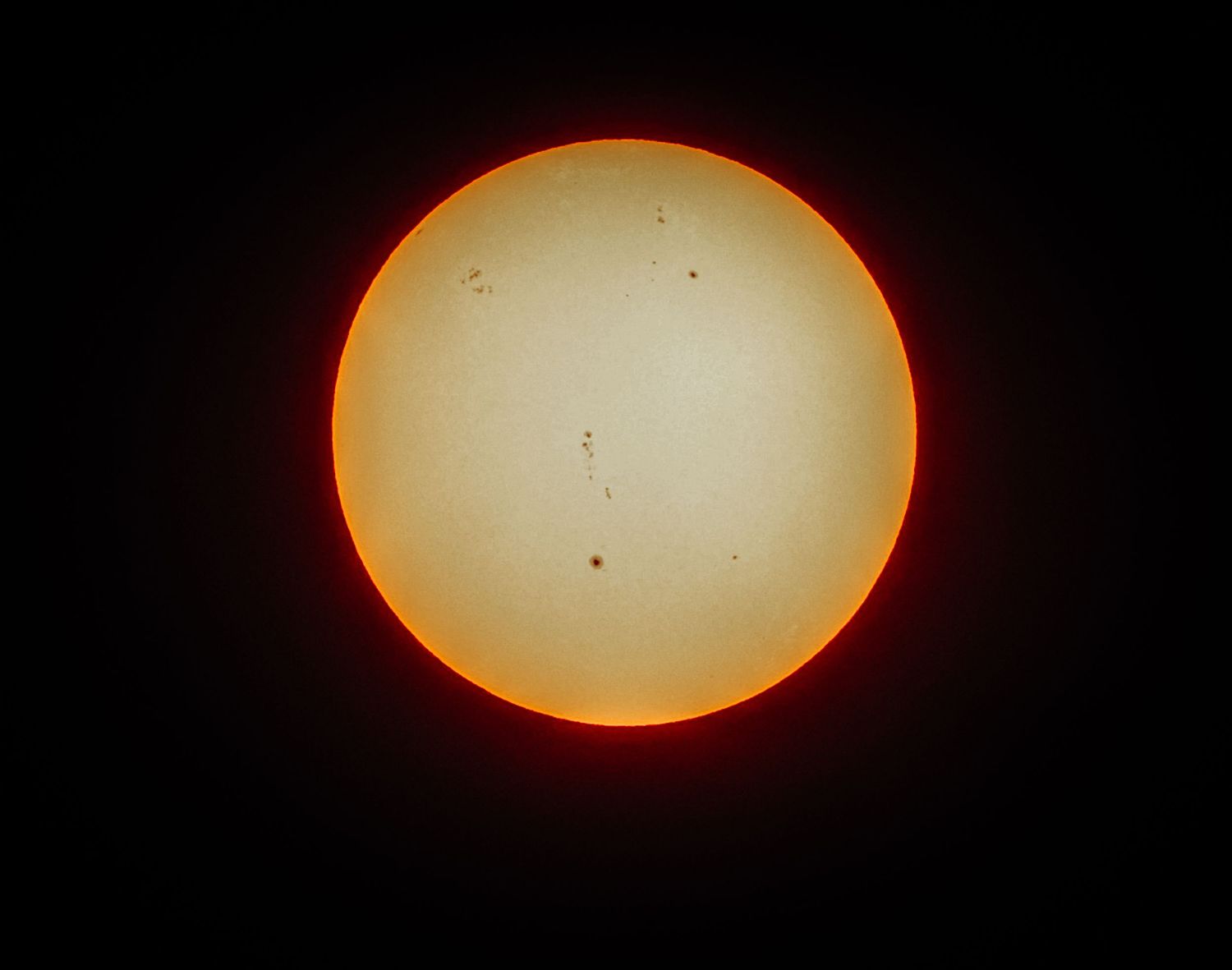
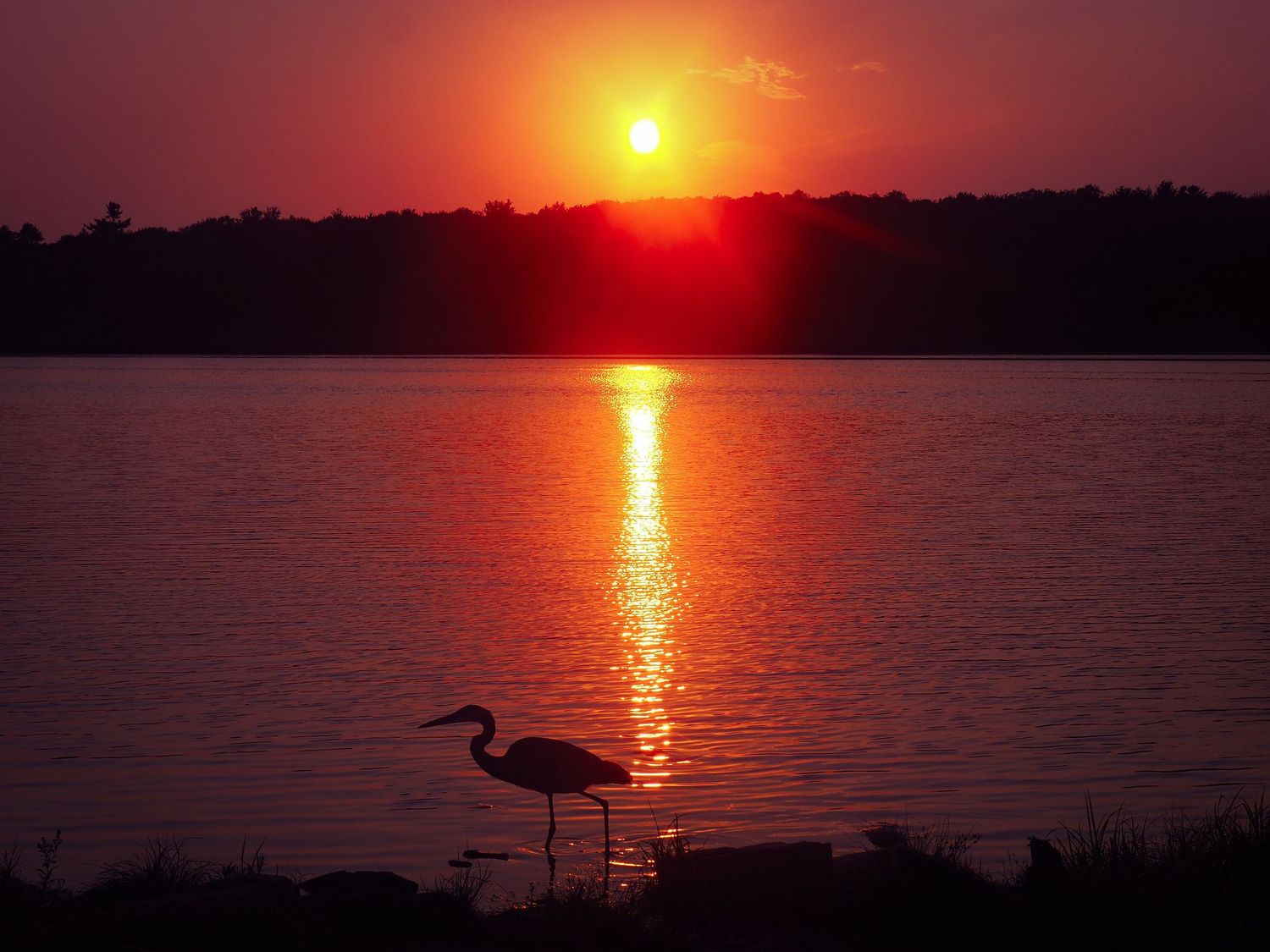
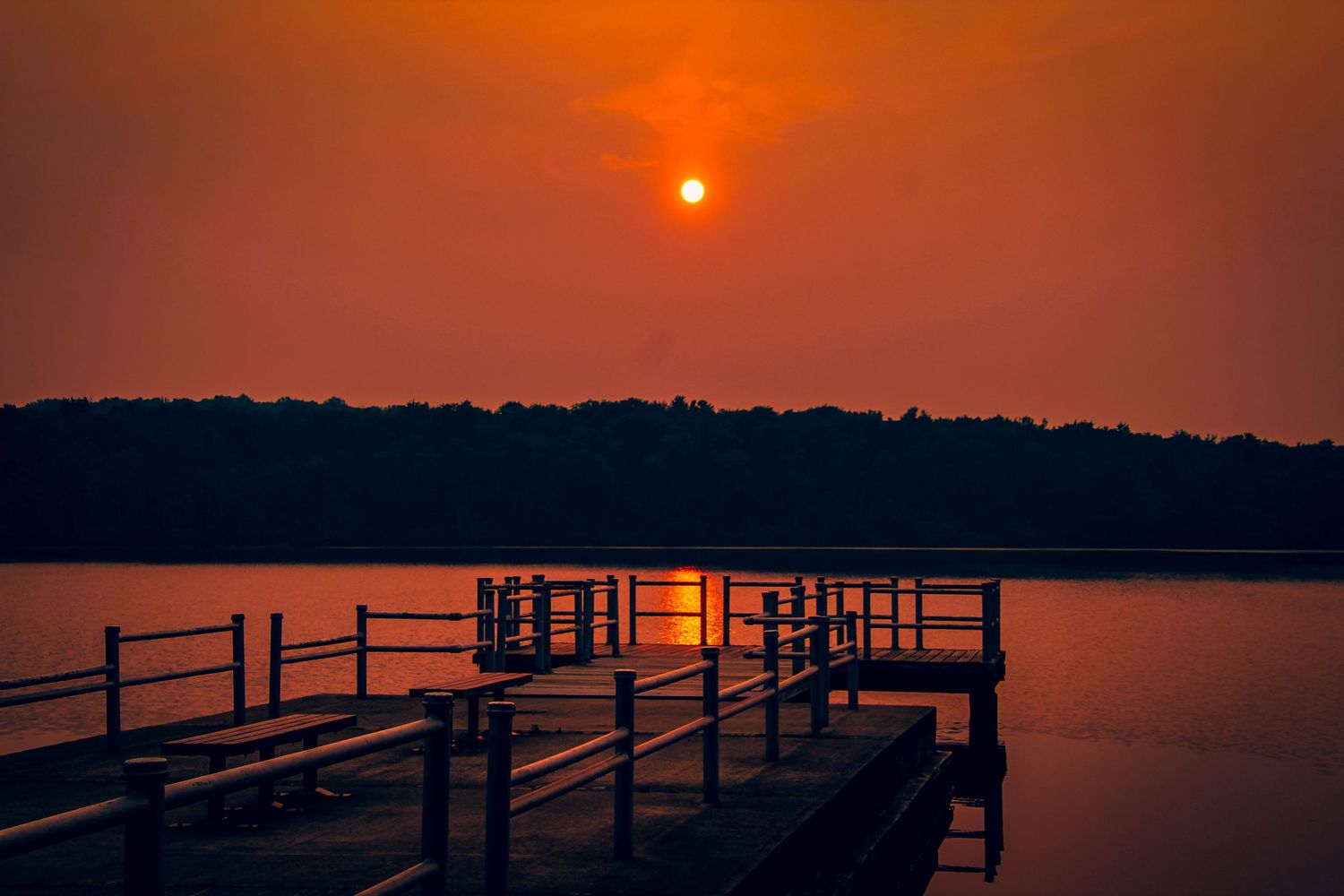
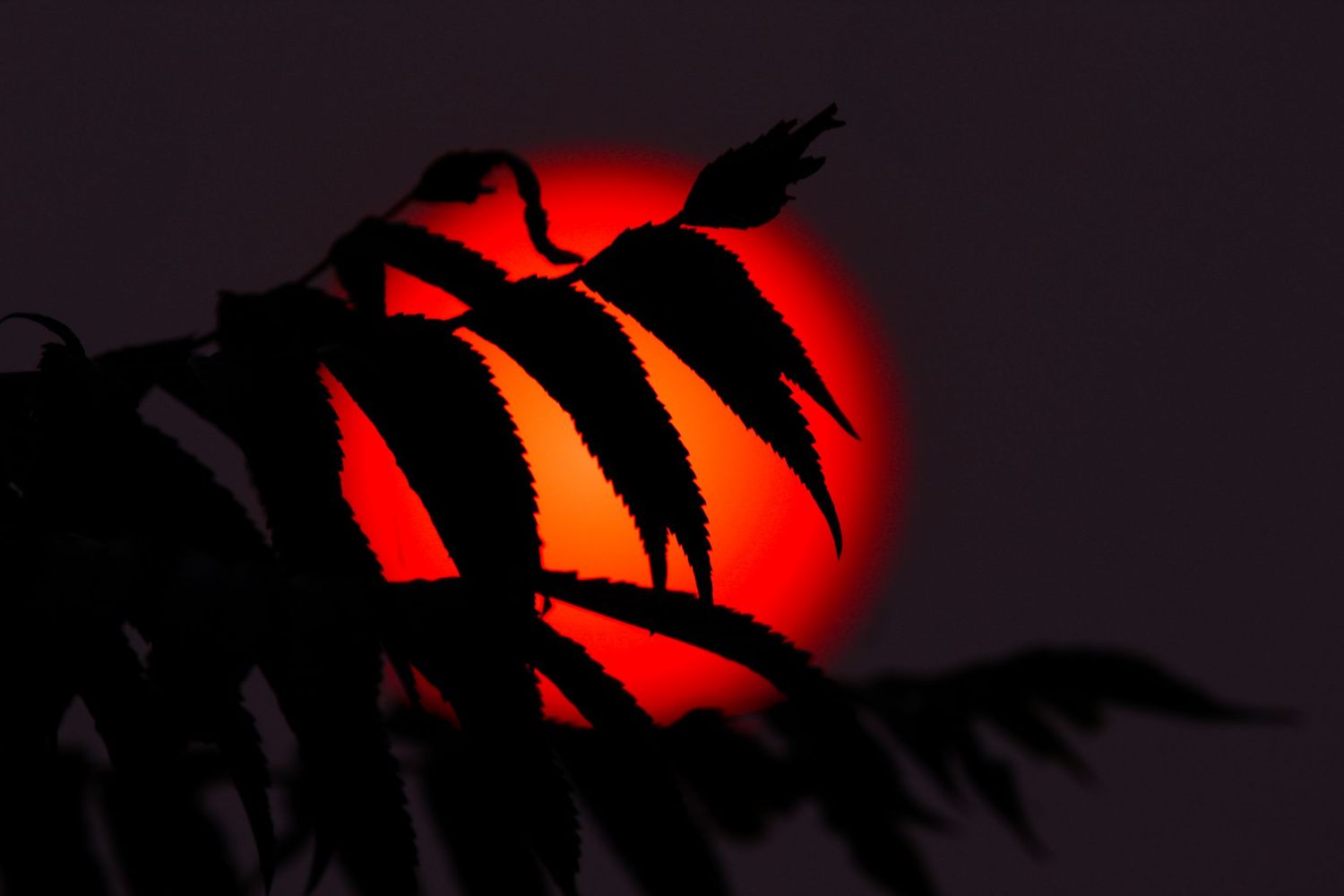
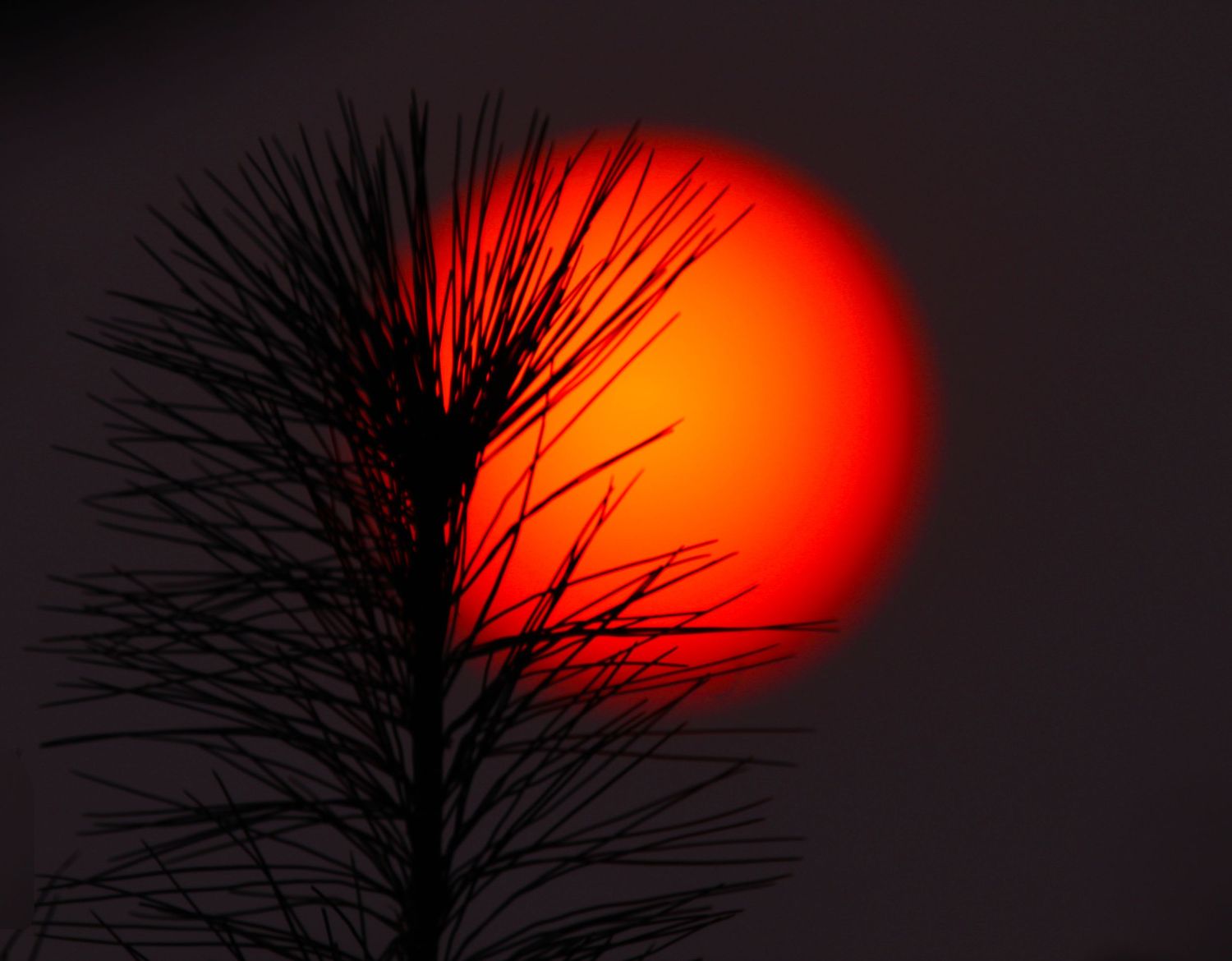
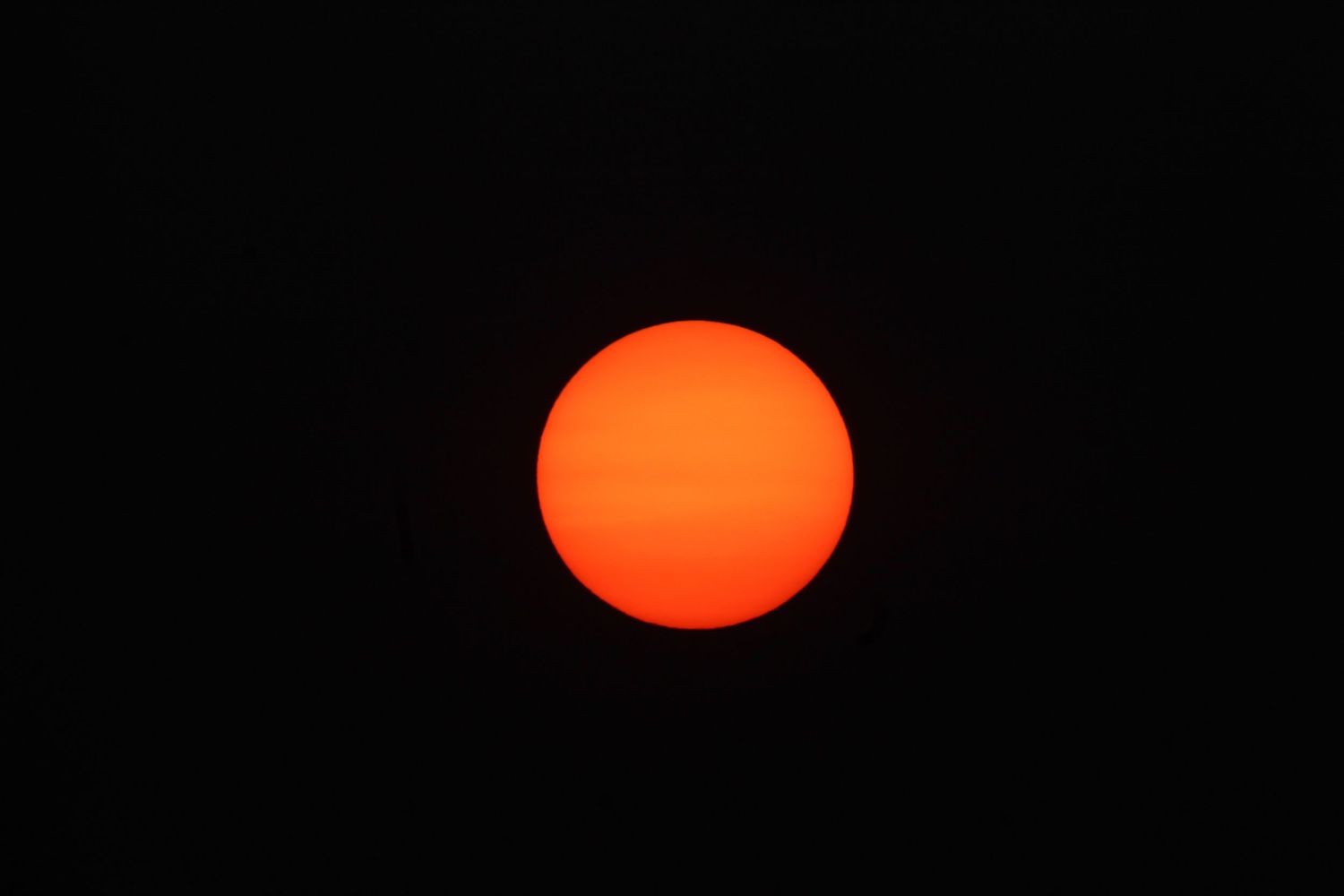
The smoky atmosphere created by wildfires can actually result in striking photographic conditions. The heavy diffusion softens harsh daylight, giving images a painterly, cinematic quality. Sunrises and sunsets glow deep red or burnt orange. City skylines fade into gradients of ash and amber. Silhouettes become more powerful. In many ways, it feels like the world has been placed under a vintage filter, but with real-world consequences.
During these conditions, I focused on:
- Silhouetted subjects: Trees, birds, and even people can look especially powerful against a smoke-filled sky.
- Color and contrast: Shooting RAW helped bring out those rich colors in post-processing without blowing out highlights.
- Details in the air: Sometimes, you can actually capture the particles or embers floating midair — especially with a telephoto lens.
Protecting Your Gear in Smoky Conditions
Shooting during wildfires — even from a distance — means dealing with soot, fine ash, and moisture-laden air, which can wreak havoc on your gear if you're not careful.
Here’s how I protected my equipment in the field:
1. Use a Rain Cover or Protective Sleeve
I keep a simple plastic rain cover in my bag at all times, and during wildfire conditions, it’s essential. Even a shower cap or ziplock bag with a hole cut for your lens can work in a pinch. The goal is to prevent fine particles from finding their way into buttons, seams, and lens rings.
2. Avoid Changing Lenses Outdoors
This is crucial. The moment you expose your sensor, you’re risking ash or dust settling inside your camera body. I stuck with a versatile lens — my 24-70mm — to give me flexibility without swapping gear.
3. Clean Regularly, But Gently
After every shoot, I wiped down all external surfaces with a microfiber cloth and used a rocket blower to gently remove dust from the lens. Avoid using canned air — it can actually drive particles deeper into the gear.
4. Keep Gear in Airtight Storage Between Shoots
Whether it’s a sealable dry bag or an airtight plastic container with a silica pack, storing gear safely between sessions prevents long-term damage from smoke exposure.
5. Consider a UV or Clear Filter
A simple UV filter can act as a shield for your lens glass. It’s easier (and cheaper) to clean or replace a filter than a front lens element.
Don’t Forget About Yourself
Your gear matters, but so do you. Prolonged exposure to smoke isn’t safe, especially for your lungs. It is important to stay hydrated, and avoid extended periods in dense haze. If it looked or smelled too intense, I called it quits — no shot is worth risking your health.
Final Thoughts
Photography during wildfire events is about more than getting a dramatic shot — it’s about documenting a moment in history with respect, awareness, and care. If you find yourself reaching for your camera during smoky days, go in prepared. With the right precautions, you can safely capture images that are both visually stunning and emotionally resonant.
Stay safe out there, and may your lens always find the light — even through the smoke.
📸❤️🌻